The phrase “insect apocalypse” captures a real concern, but it can also make a complicated scientific picture sound more uniform than it is. Researchers have documented severe declines in many insect populations and species, especially in heavily altered terrestrial landscapes. At the same time, trends vary by region, habitat, group, and time period, and global monitoring remains far too incomplete for one simple worldwide percentage.
The strongest evidence points to a serious biodiversity problem rather than proof that every insect group everywhere is collapsing at the same rate. Habitat change, pesticides, climate change, pollution, invasive species, and artificial light can act together. Recent studies of butterflies and long-term insect records reinforce the urgency, while also showing winners, losers, stabilization, and occasional recovery. The scientifically useful question is where declines are happening, why, and what can reverse them.
Global Evidence

Scientists do not have enough standardized long-term monitoring to calculate one reliable global decline rate for all insects. Earlier reviews found strong evidence of losses in many terrestrial systems, but also major geographic gaps, particularly in tropical regions where insect diversity is enormous. That means “apocalypse” should not be treated as a measured worldwide outcome. The evidence still warrants concern because repeated studies from different places show substantial declines in abundance, biomass, or diversity. Uncertainty about the exact global total is not evidence that the problem is imaginary.
Terrestrial Declines
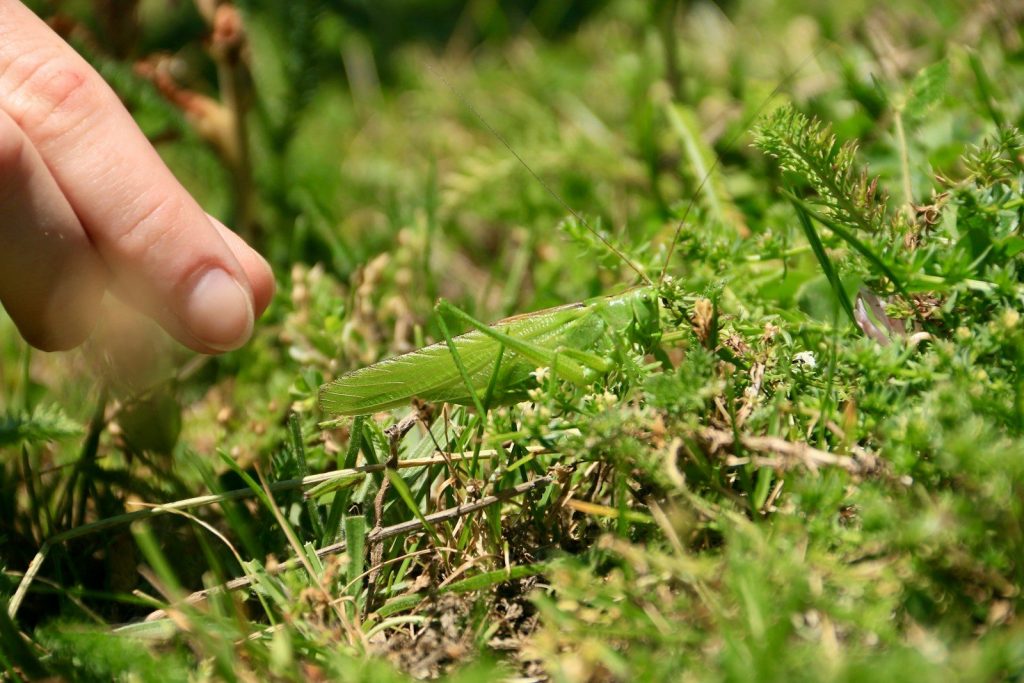
A widely discussed global meta-analysis found declining trends in terrestrial insect abundance, while freshwater insects showed a different average pattern. Later work has continued to emphasize that land-based insect communities are under pressure from multiple human changes. The important lesson is not that every field or forest loses insects at the same pace. It is that terrestrial declines appear repeatedly across monitoring programs and can be severe where habitat has been simplified, chemically treated, fragmented, heated, or illuminated in ways that change the conditions insects need.
US Butterflies
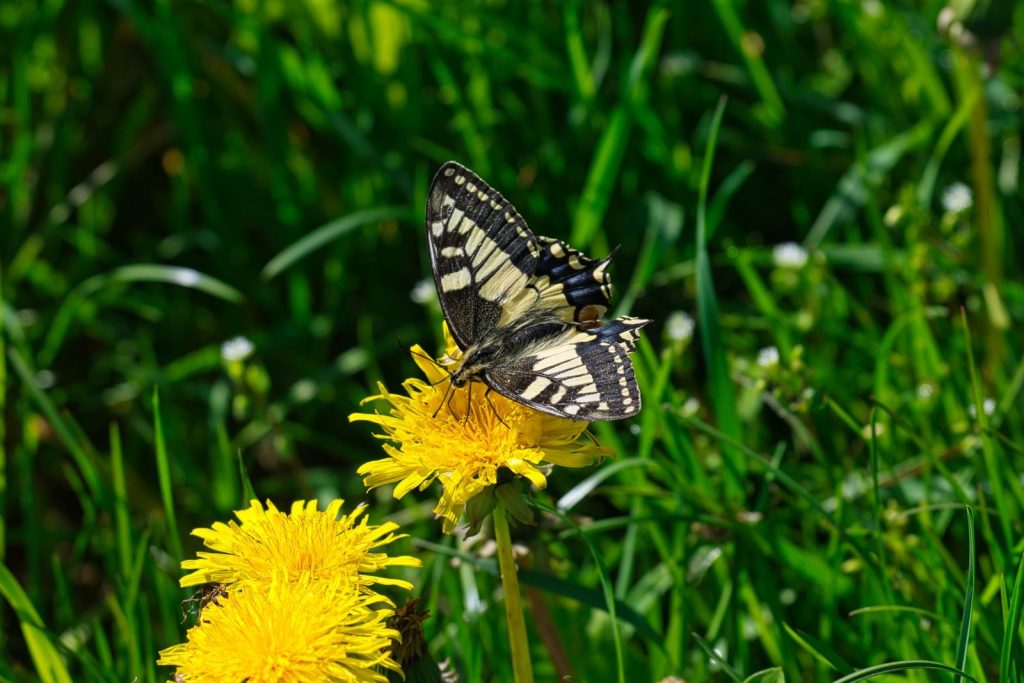
A major 2025 Science study combined more than 12 million butterfly observations from monitoring programs across the contiguous United States. The researchers estimated that total butterfly abundance fell by about 22 percent between 2000 and 2020. The median species declined by 2.6 percent per year, producing a much larger cumulative loss across two decades. Individual species differed greatly, and a small number increased. Even with that variation, the national pattern provided unusually strong evidence that widespread insect decline is not limited to a few famous European datasets.
Long-Term Change

A 2026 Nature Ecology & Evolution study examined insect records extending across roughly nine decades in Switzerland. It found that declines were not constant through time and differed among ecological groups. Some of the sharpest changes occurred in the mid-twentieth century, while certain beetle communities later stabilized or partly recovered. Butterflies showed more persistent losses. Such long records are valuable because they reveal that insect decline is not always a straight downward line. Conservation, land management, climate, and species traits can change the direction of local trends.
Freshwater Trends
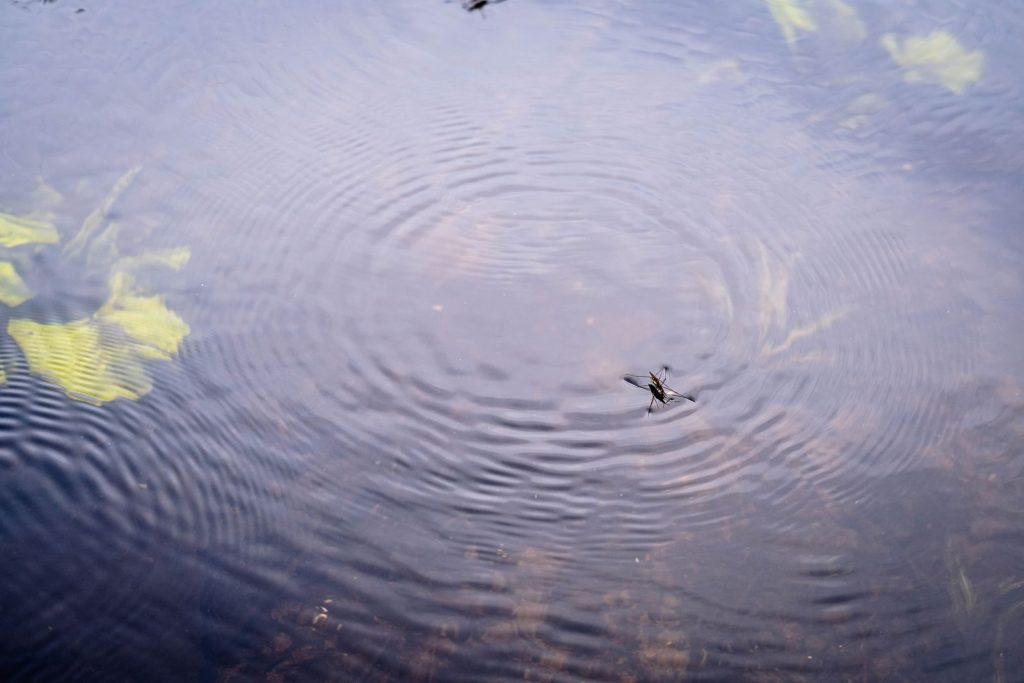
Freshwater insects complicate the apocalypse narrative because some broad analyses have found average increases in abundance over recent decades. That does not mean rivers and wetlands are universally recovering or that aquatic insects are safe. Trends differ among places, and gains can reflect improved water quality or restoration in some regions while other freshwater systems continue to deteriorate. The contrast is scientifically important because it shows that insect populations can respond positively when environmental conditions improve. Decline is serious, but it is not necessarily irreversible or identical across habitats.
Multiple Pressures

A major PNAS review described insect decline as “death by a thousand cuts” because no single stressor explains every case. Habitat destruction and simplification can remove food and breeding sites, pesticides can kill insects directly or alter communities, climate change shifts temperature and rainfall, and artificial light disrupts nighttime behavior. Invasive species, pollution, and intensive agriculture add further pressure. These forces can interact, which makes simple explanations unreliable. Protecting insects therefore requires more than banning one chemical or planting one flower species in isolation.
Why Insects Matter
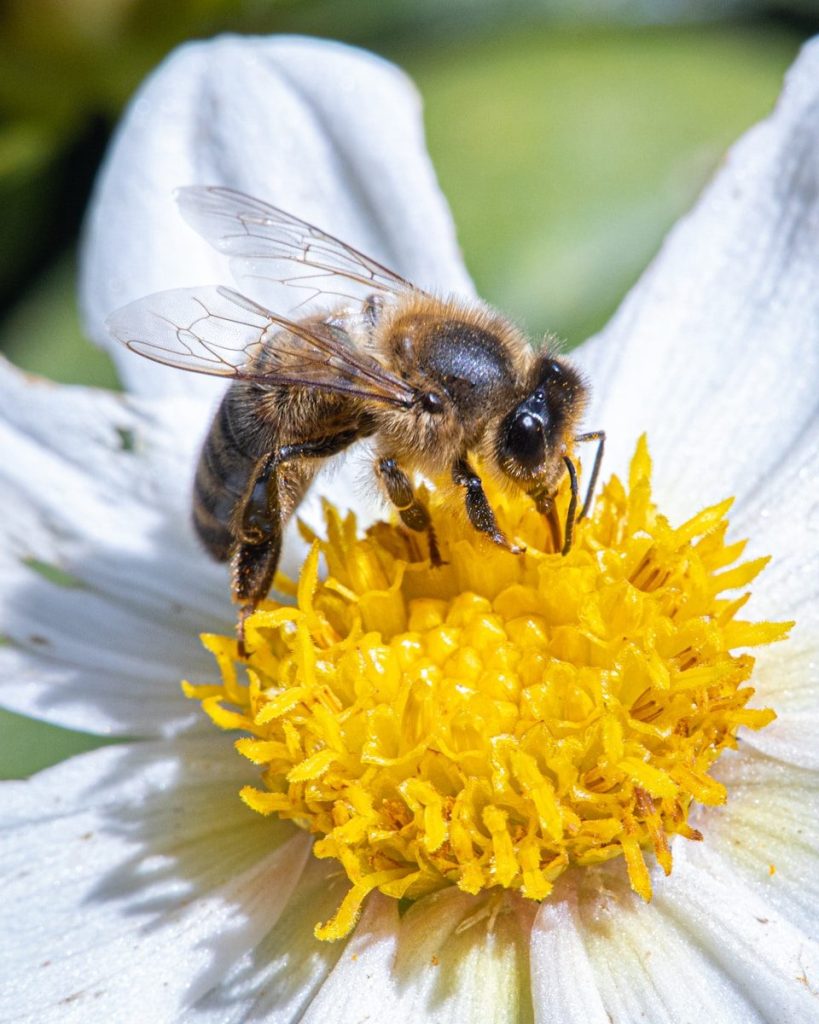
Insects perform ecological jobs that connect nearly every terrestrial food web. They pollinate wild plants and crops, recycle dead material, move nutrients, control other organisms, and provide food for birds, bats, fish, reptiles, amphibians, and mammals. Losing insects does not mean every ecosystem collapses overnight, but sustained reductions can weaken these relationships. Different insect species perform different functions, so conserving diversity matters as much as preserving raw numbers. A landscape full of one tolerant species cannot automatically replace the ecological roles of many specialized insects.
What Helps

Research on insect conservation consistently points toward protecting and restoring habitat, reducing unnecessary pesticide exposure, growing diverse native vegetation, retaining dead wood and other nesting resources where appropriate, and limiting artificial light at night. The best actions depend on the ecosystem and species involved. Monitoring is equally important because conservation cannot be evaluated without knowing whether populations respond. The hopeful part of the evidence is that some insect communities have stabilized or recovered when conditions improved, showing that targeted changes can produce measurable biological benefits.
Featured Image: Photo by Thomas Elliott on Unsplash