Australia becomes a different place after sunset. Many of its best-known mammals spend the hottest daylight hours hidden in burrows, tree hollows, dense vegetation, or sheltered riverbanks, then emerge as temperatures fall. Wombats are a familiar example, but they share the night with gliding possums, bandicoots, devils, bats, and several other animals that are much easier to miss during the day.
Night activity can reduce heat stress, help animals avoid some predators, and match the hours when particular foods are available. It also means people may live close to native wildlife without realizing how busy their surroundings become after dark. These Australian species show several different ways of using nighttime, from digging and grazing to gliding between trees, hunting insects, scavenging carcasses, and searching streams for aquatic prey.
Bare-Nosed Wombat

Bare-nosed wombats are mainly nocturnal and spend much of the day inside burrows, where temperatures are more stable than at the surface. The Australian Museum notes that summer activity usually begins as the air cools, helping wombats avoid excessive daytime heat. After dark they emerge to graze on grasses, sedges, roots, and other vegetation. Their powerful legs and digging claws are built for an underground lifestyle, while nighttime foraging lets a stocky, heavily insulated mammal feed when environmental conditions are less demanding.
Greater Bilby

Greater bilbies spend daylight hours in deep burrows and emerge at night to forage across arid and semi-arid landscapes. Their long ears, pointed snout, and strong front claws suit a life of listening, digging, and searching for seeds, insects, bulbs, fungi, and other foods. Official Australian conservation programs have reintroduced bilbies to predator-managed areas where they had disappeared. Their nocturnal routine helps them avoid daytime heat, but introduced cats and foxes have made nighttime far less safe than it once was across much of their former range.
Platypus

Platypuses are active mainly around twilight and at night, although individuals may sometimes forage during daylight. The Australian Museum says they shelter in riverbank burrows when resting, then enter freshwater to hunt small aquatic animals. Underwater, a platypus closes its eyes, ears, and nostrils and relies heavily on sensory receptors in its bill. Its evening routine is therefore tied closely to river habitat. Seeing one requires patience because a low profile, quiet swimming, and crepuscular or nocturnal activity make this famous Australian mammal surprisingly easy to overlook.
Tasmanian Devil
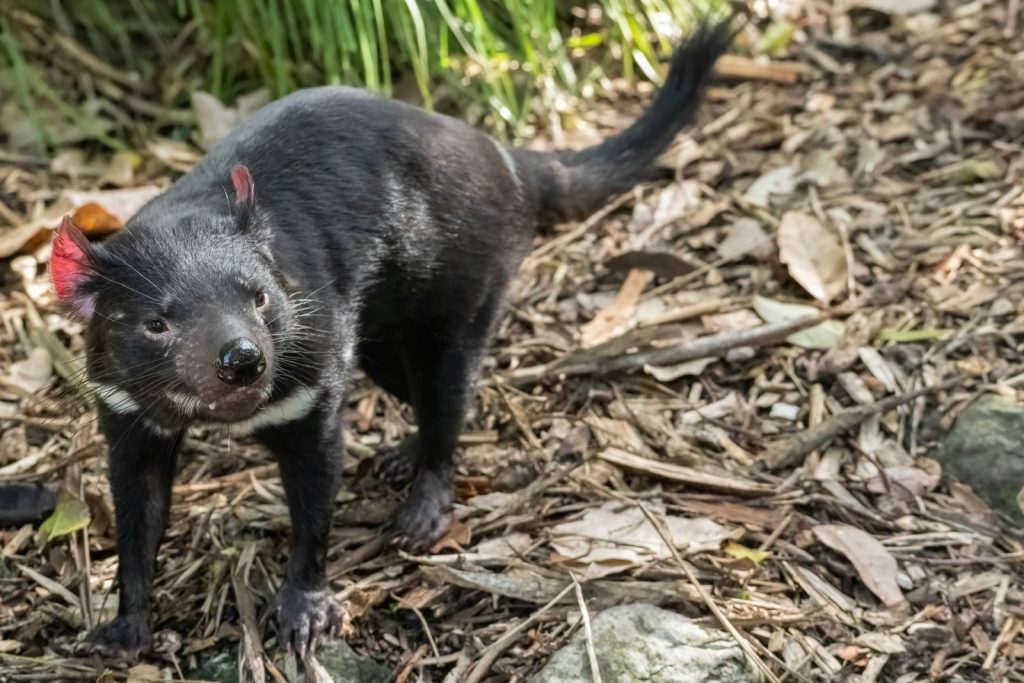
Tasmanian devils are nocturnal, sheltering during the day and traveling after dark in search of food. Tasmania’s Parks and Wildlife Service describes them as capable scavengers that can roam considerable distances and consume almost every part of a carcass. They also take live prey when opportunities arise. Their loud communal feeding sounds helped create an exaggerated reputation for ferocity, but much of the noise occurs around food. Nighttime movement allows these marsupials to search widely while avoiding the heat and disturbance of daylight activity.
Bandicoots
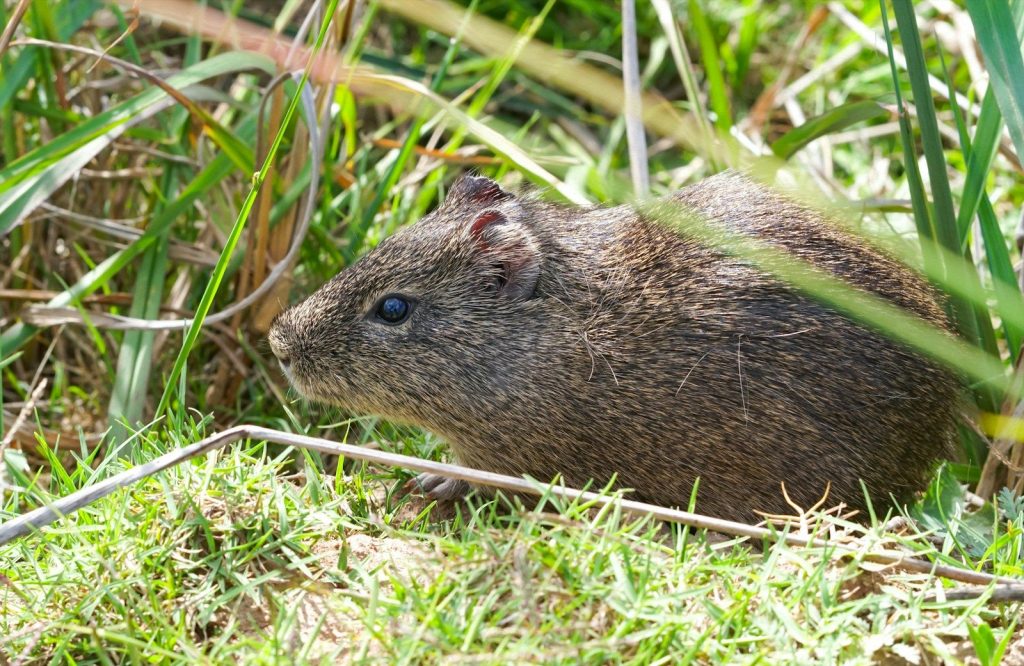
Bandicoots are small omnivorous marsupials that often become active after dark, digging distinctive conical holes while searching for insects, fungi, roots, and other foods. New South Wales environmental authorities warn drivers to take extra care at night in areas with bandicoot populations because that is when the animals are moving and foraging. Their digging can also turn soil and move organic material, giving these overlooked mammals an ecological role beyond simply feeding themselves. Dense cover during the day provides shelter from heat and predators.
Sugar Glider

Sugar gliders sleep in tree hollows during the day and become active when night falls. San Diego Zoo Wildlife Alliance describes them as largely nocturnal and strongly arboreal, using a membrane between the wrists and ankles to glide between trees. Their broad night vision and long tail help with aerial control, while the diet can include nectar, sap, insects, and other foods. Gliding lets a small mammal cross gaps without descending to the ground, where movement could expose it to different predators and obstacles.
Quokka

Quokkas are often photographed in daylight on Rottnest Island, but their natural activity pattern is strongly tied to cooler hours. San Diego Zoo Wildlife Alliance notes that they rest in shady, dense vegetation during the heat of the day and head out around dusk to feed, remaining active at night. Their diet is largely plant material. Tourism can make some individuals seem unusually visible or approachable, yet they remain wild marsupials. Nighttime is when much of their normal feeding and movement behavior becomes most apparent.
Australian Bats

Australia has a wide variety of bats, and the Australian Museum notes that most are nocturnal, leaving daytime roosts to search for food after sunset. Some species hunt insects using echolocation, while flying foxes depend more on vision and smell as they travel between flowering and fruiting trees. Their nighttime work can influence insect populations, pollination, and seed movement. Because bats may fly high above houses or move between trees in darkness, people can share neighborhoods with substantial bat activity without seeing much of it directly.
Fetured Image: Photo by BabijaPhoto JB on Pexels