For almost 300 years, the remarkable story of Eleanor Glanville remained largely hidden from public memory. Long before wildlife documentaries, conservation organizations, or modern scientific institutions, Glanville spent countless hours exploring England’s countryside in search of butterflies and moths. Her dedication helped advance the study of insects at a time when natural history was still developing as a scientific discipline.
Yet despite her contributions, she was ridiculed during her lifetime and largely erased from history after her death. Today, historians and conservationists are working to restore her legacy and recognize her as one of Britain’s earliest female naturalists.
A Woman Ahead of Her Time
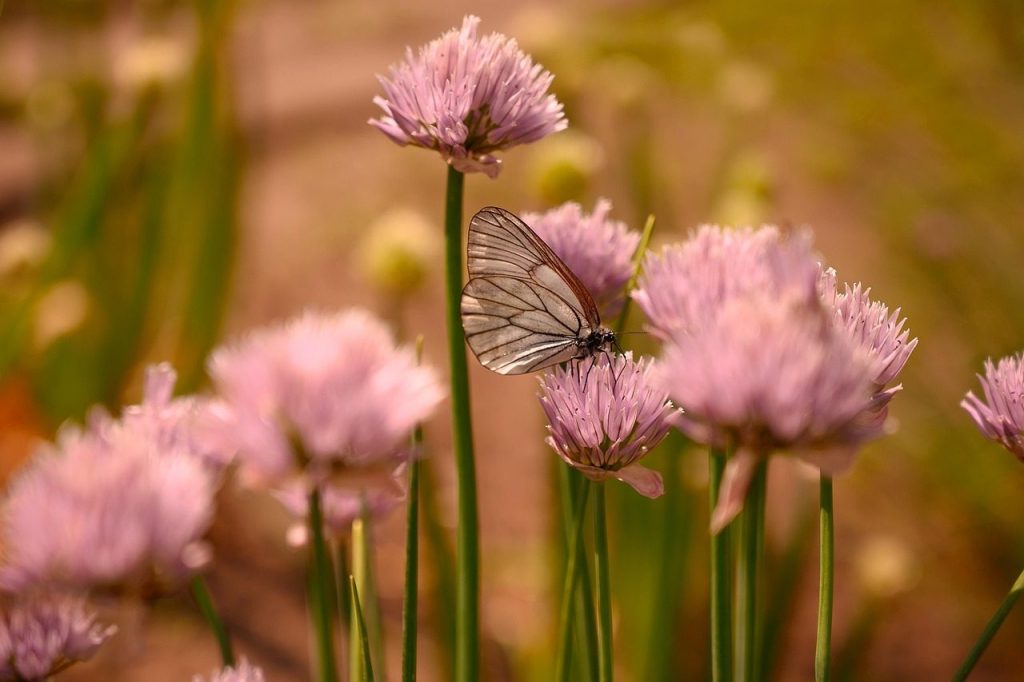
Born in the 17th century, Eleanor Glanville developed a fascination with the natural world, particularly butterflies and moths. At a time when women were rarely encouraged to pursue scientific interests, she became an accomplished collector and observer of insects.
Glanville spent years documenting species, gathering specimens, and sharing her observations with fellow naturalists. Her work contributed to a growing understanding of insect diversity and distribution across England.
While many people viewed butterflies simply as beautiful creatures, Glanville recognized them as subjects worthy of careful study. Her dedication placed her among the pioneering natural historians of her era.
The Butterfly That Carries Her Name
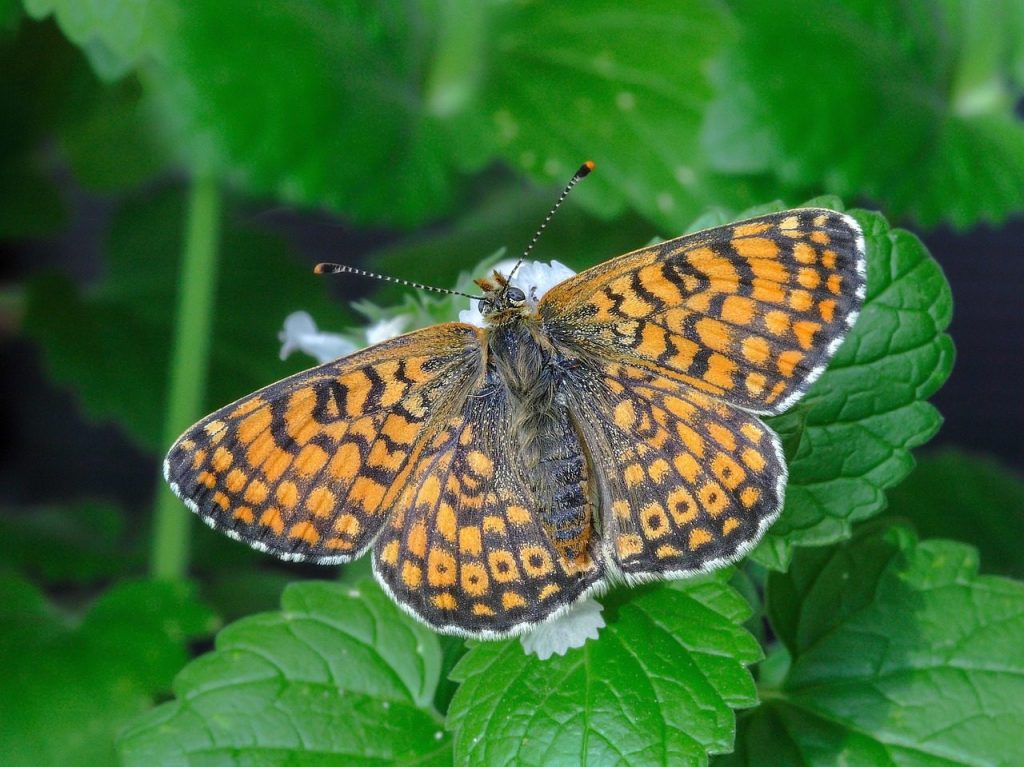
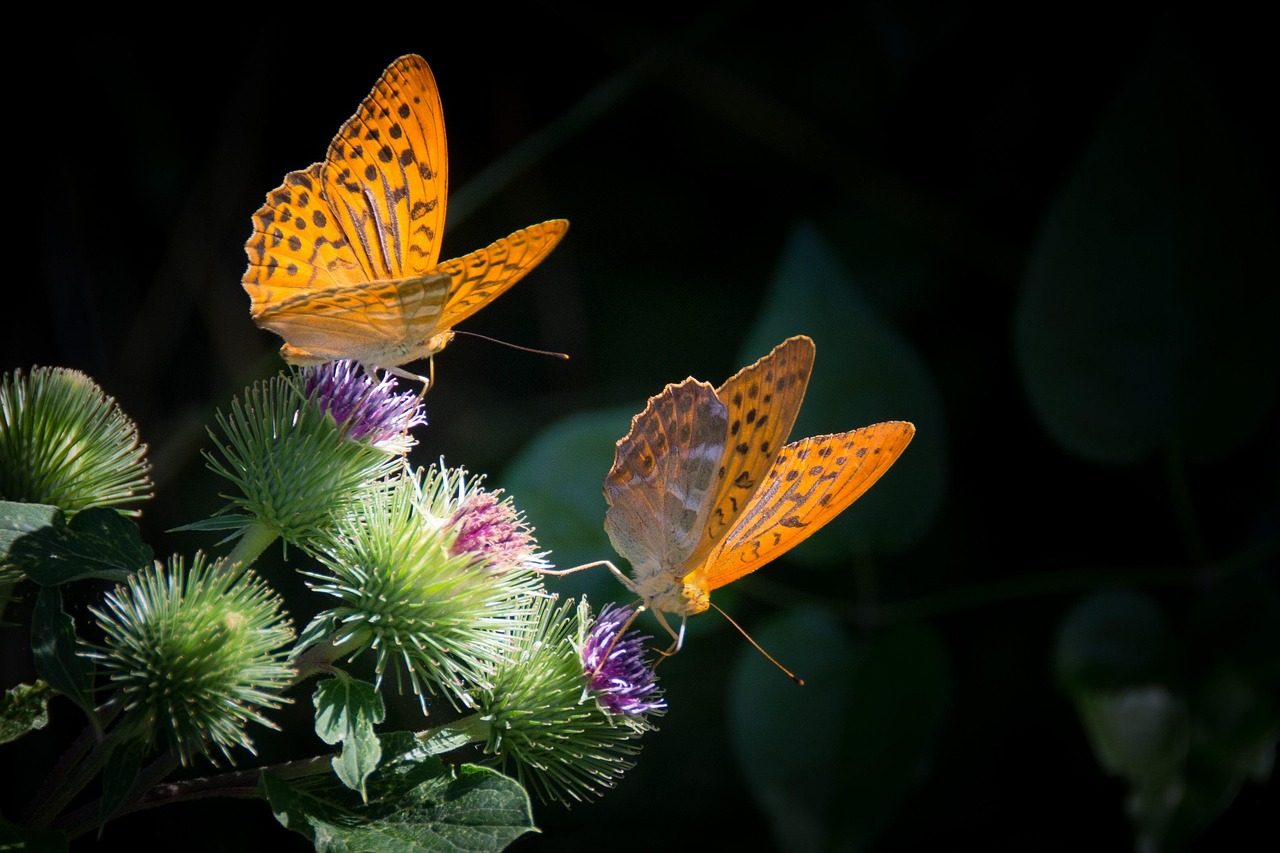
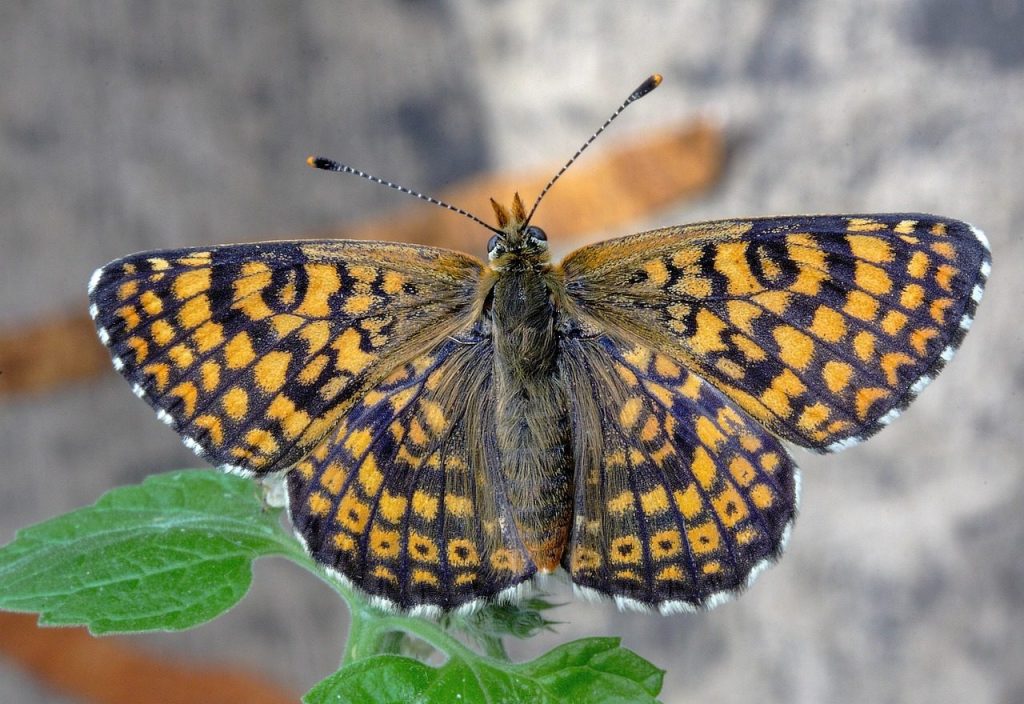
One of the lasting reminders of Glanville’s contributions is the Glanville fritillary butterfly.
This striking orange-and-brown butterfly was named in her honor, making it one of the few species associated with a female naturalist from that period. The butterfly remains one of Britain’s best-known fritillary species and serves as a living tribute to her passion for the natural world.
Today, the Glanville fritillary is found in parts of Europe and continues to attract the attention of researchers, photographers, and wildlife enthusiasts.
Its name ensures that Eleanor Glanville’s connection to butterfly science has not been completely forgotten.
When Curiosity Was Viewed as a Problem
Despite her achievements, Glanville faced criticism because of societal attitudes toward women during her lifetime.
Scientific pursuits were largely considered the domain of men, and women who devoted themselves to intellectual interests often encountered skepticism or ridicule. Collecting insects, conducting observations, and corresponding with naturalists were activities many believed unsuitable for women.
After Glanville’s death, reports suggested that her enthusiasm for butterflies was used against her. Rather than being celebrated as evidence of scientific curiosity, her passion was portrayed by some as eccentric or even irrational behavior.
These attitudes contributed to her gradual disappearance from mainstream historical accounts.
A Common Story in Scientific History
Eleanor Glanville’s experience reflects a broader pattern seen throughout the history of science.
Many women made important contributions to fields such as zoology, botany, ecology, and conservation but received little recognition for their work. Some saw their discoveries credited to male relatives or colleagues. Others published anonymously or were excluded from scientific institutions altogether.
In recent decades, historians have begun revisiting these overlooked stories, uncovering the vital role women played in building scientific knowledge long before they were formally accepted into academic circles.
Glanville’s story has become an important example of this historical reassessment.
Why Butterflies Matter
The renewed interest in Eleanor Glanville also highlights the importance of butterflies themselves.
Butterflies are more than colorful insects. They serve as pollinators, contribute to food webs, and act as indicators of environmental health. Because many species are sensitive to habitat changes, scientists often use butterfly populations to monitor ecosystem conditions.
The observations made by early naturalists like Glanville helped create records that continue to inform modern conservation research.
Their work laid the foundation for understanding how species distributions change over time and how environmental pressures affect wildlife populations.