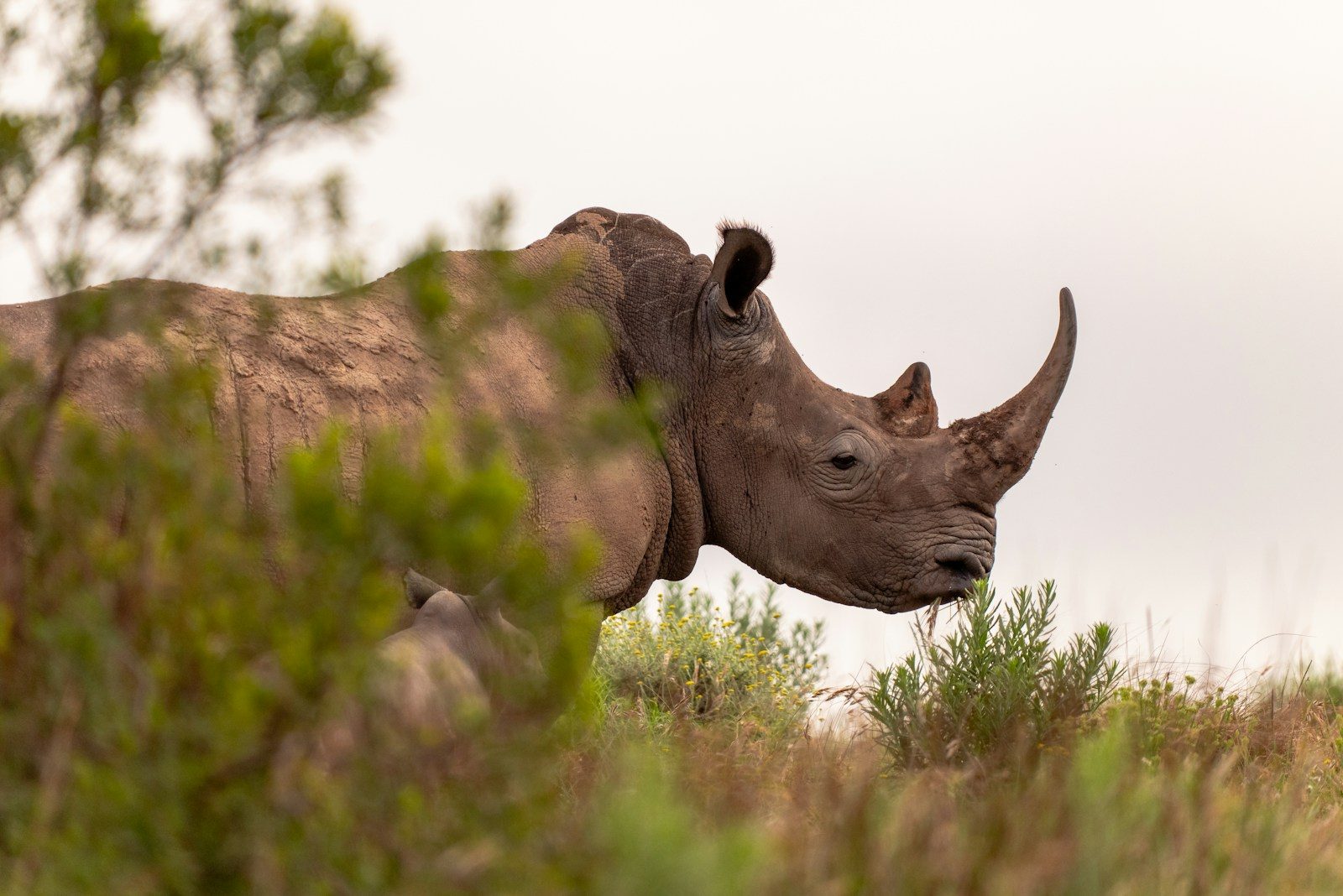
Scientists have revived living cells from a southern white rhino nearly four years after the animal died, marking a major step for wildlife conservation.
The breakthrough could help preserve genetic diversity and may one day allow animals that died years earlier to contribute to future generations.
A Rhino’s Genetic Legacy Lives On
The female southern white rhino died at Whipsnade Zoo in October 2021 at the age of 40. After her death, specialists collected tissue samples, including a small piece of skin from her ear.
That sample was stored in liquid nitrogen at extremely low temperatures. For years, the cells remained frozen in a suspended state, preserving valuable genetic material.
In April, scientists carefully thawed the sample and attempted to grow the cells in laboratory conditions. The effort worked, producing millions of living cells from tissue collected years earlier.
The achievement is believed to be the first of its kind in the United Kingdom. For conservationists, it shows that biological material from deceased animals can remain useful long after death.
Frozen Cells Returned to Life
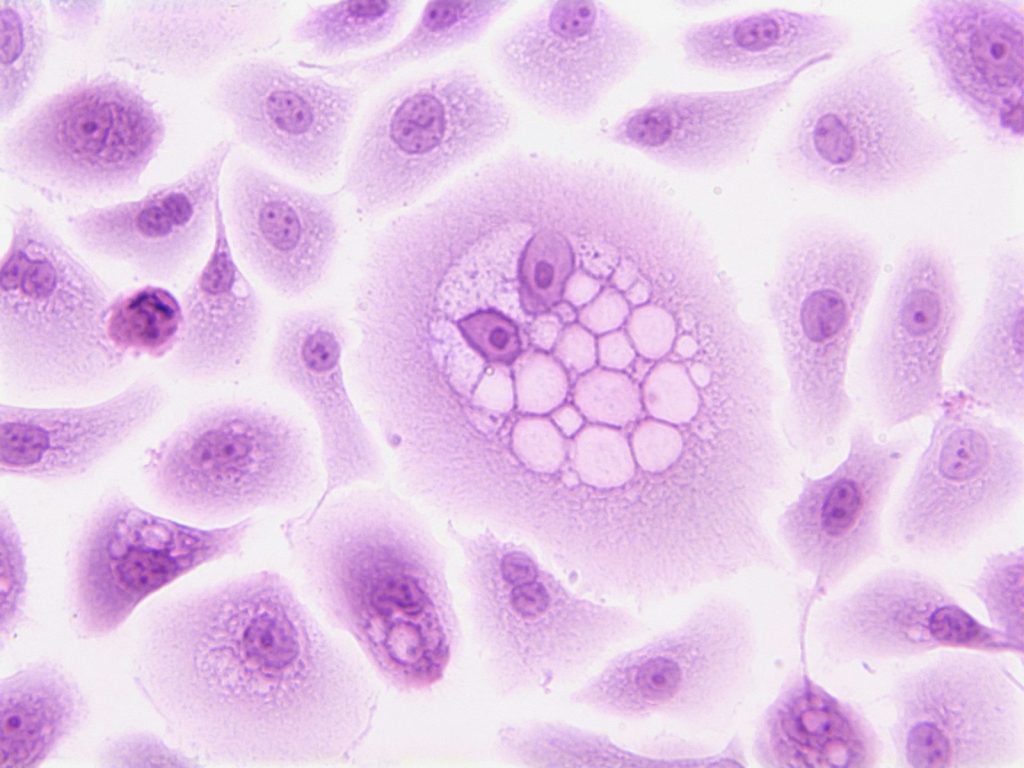
The preserved cells were stored at around minus 196 degrees Celsius. This cryogenic process keeps cells from breaking down and protects them for possible future use.
When scientists revived the sample, they were able to culture new living cells from the original tissue. That means the rhino’s genetic information is not only preserved as DNA, but also as living biological material.
This matters because living cells may offer more possibilities than stored DNA alone. They could potentially be used in future reproductive technologies.
Although the science is still developing, the successful revival shows that long-term cell storage can work for large endangered mammals.
Building a Wildlife Biobank
The work was carried out by Nature’s SAFE, a conservation charity that operates as a wildlife biobank. Its goal is to store living cells, tissues, and DNA from threatened species.
Biobanking is different from traditional conservation, which often focuses on habitat protection and breeding programs. Instead, it creates a genetic backup for species that may decline in the future.
Nature’s SAFE has collected biological samples from hundreds of species. Some of these animals are critically endangered, while others are already extinct in the wild.
The idea is to preserve options before they disappear. If a species loses too much genetic diversity, stored cells may one day help strengthen conservation efforts.
Why Genetic Diversity Matters
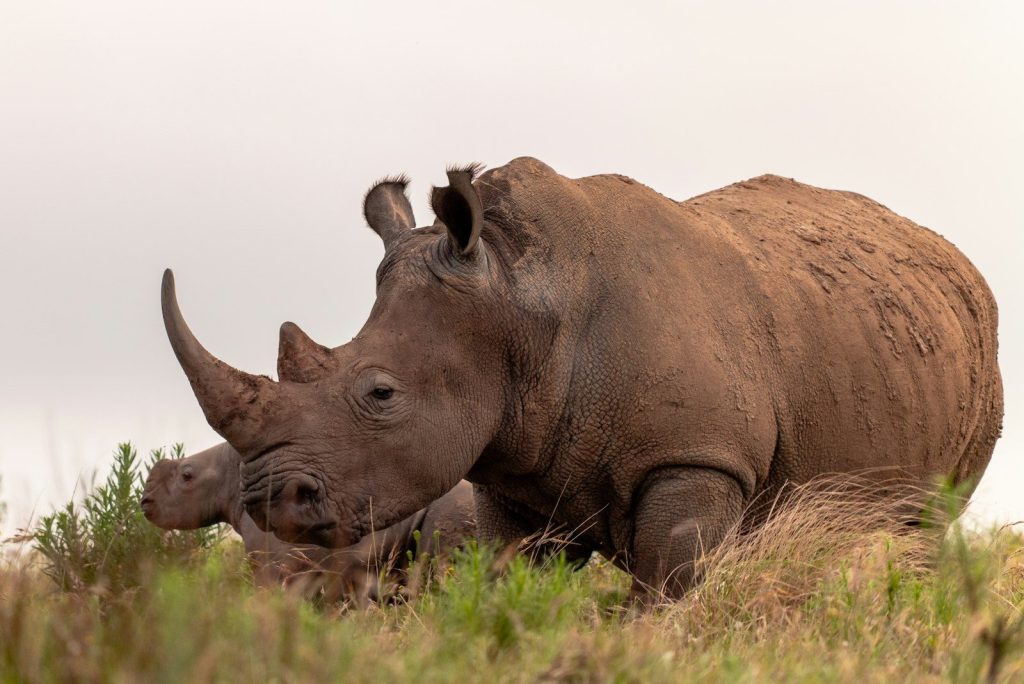
Saving a species is not only about keeping a few individuals alive. Healthy populations also need genetic diversity to survive over the long term.
When populations become small, inbreeding can increase. This can lead to health problems, reduced fertility, and weaker resistance to disease.
Preserved cells from different individuals can help protect genetic traits that might otherwise be lost. This creates a safety net for future conservation programs.
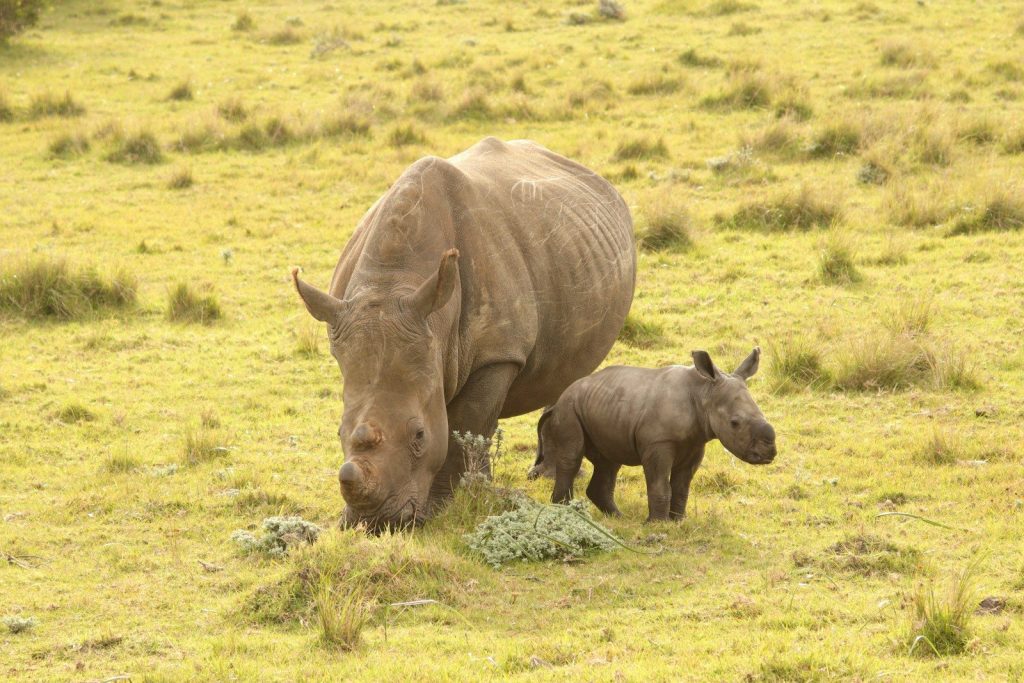
For southern white rhinos, the genes of animals that have already died could still help support future breeding efforts.
Future Science Could Go Even Further
One of the biggest hopes is that preserved skin cells may eventually be turned into reproductive cells, such as sperm or eggs. Similar techniques have already been shown in laboratory animals.
Using these methods in large endangered mammals remains difficult. However, reviving living rhino cells is an important early step.
If the technology advances, deceased animals could potentially contribute genetically to future generations. That would give conservationists a powerful new tool.
This does not replace habitat protection or anti-poaching work. But it could add another way to protect species facing shrinking populations.