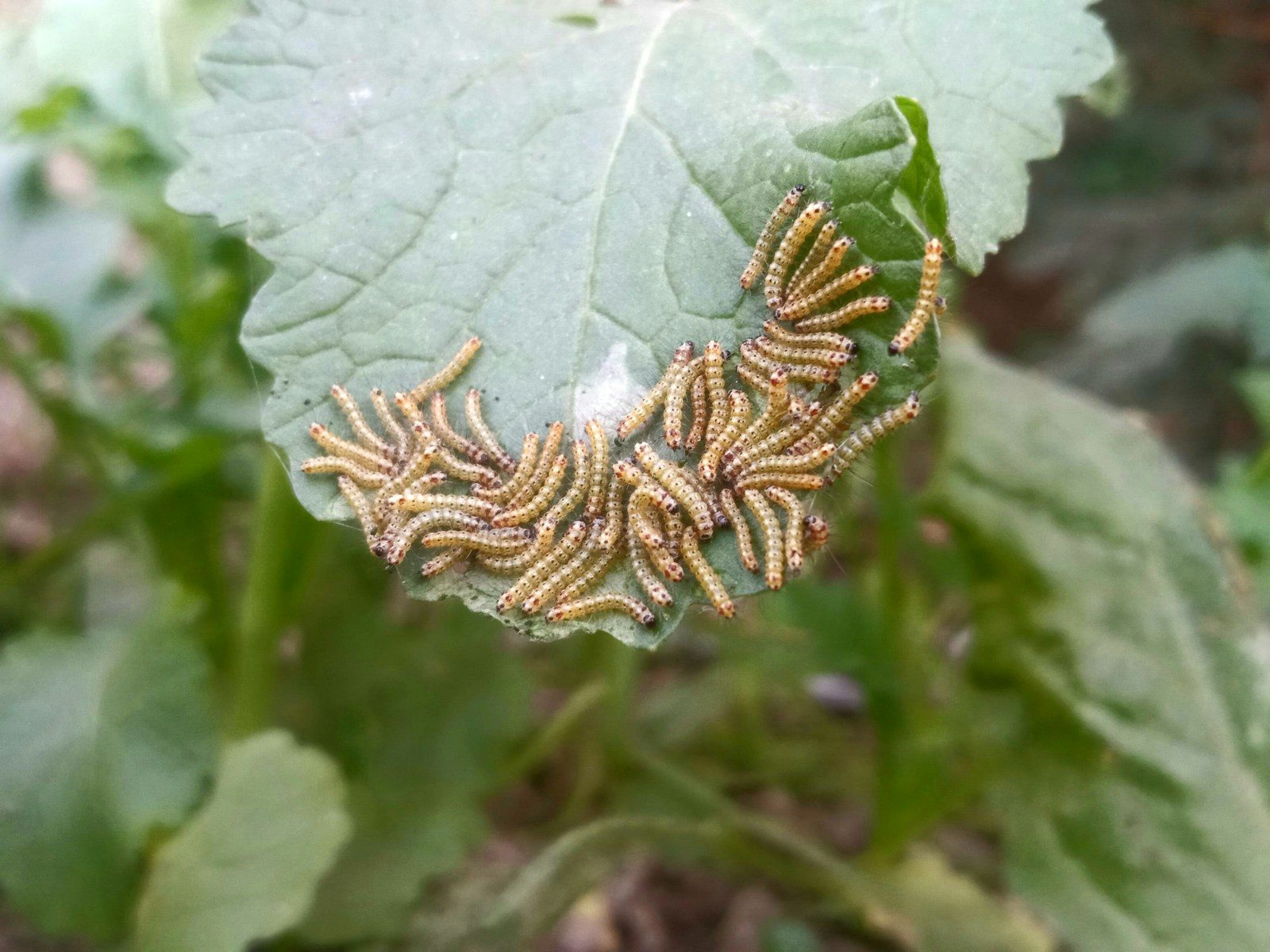
A routine day in the garden turned into a fascinating wildlife discovery when a woman spotted a strange green lump attached to one of her plants. At first glance, it looked like an unusual growth, a patch of mold, or perhaps a cluster of leaves stuck together. But a closer inspection revealed something far more extraordinary. The mysterious green mass was actually a group of newly hatched caterpillars beginning one of nature’s most remarkable life journeys.
What seemed like an ordinary garden curiosity quickly became a powerful reminder that incredible wildlife stories can unfold right outside our front doors.
A Hidden Nursery in the Garden
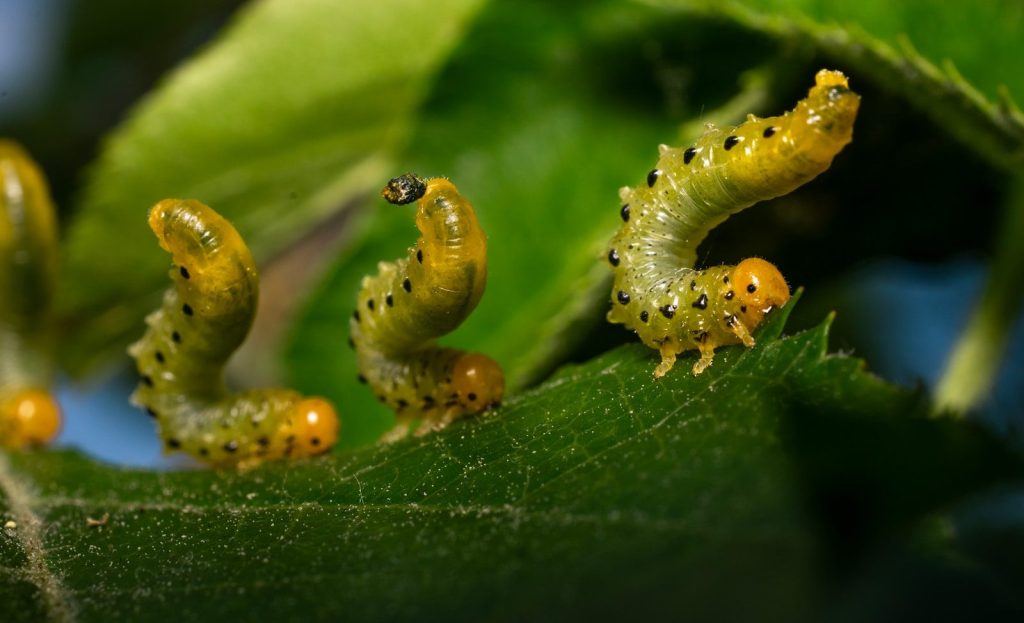
Many butterfly and moth species start their lives as tiny eggs carefully laid on specific plants. Once the eggs hatch, the young caterpillars often remain together in large groups rather than immediately spreading out.
This behavior can make hundreds of tiny insects appear as a single green or dark-colored lump. To someone unfamiliar with insect life cycles, these clusters can easily be mistaken for a plant disease, fungus, or unusual growth.
In reality, they are living nurseries filled with newly emerged caterpillars preparing for the next stage of their development.
The discovery highlights how much wildlife activity takes place unnoticed in everyday gardens, often hidden in plain sight.
Why Caterpillars Stay Together
For young caterpillars, there is safety in numbers. Staying grouped together offers several survival advantages during their vulnerable early days.
Large clusters can help reduce the chances of individual caterpillars being singled out by predators. Birds and other insect-eating animals may find it more difficult to target a single caterpillar within a dense group.
Living together can also help caterpillars locate food more efficiently and maintain suitable environmental conditions while they are still very small.
As the caterpillars grow larger and stronger, most species gradually disperse and begin feeding independently.
The Start of an Incredible Transformation
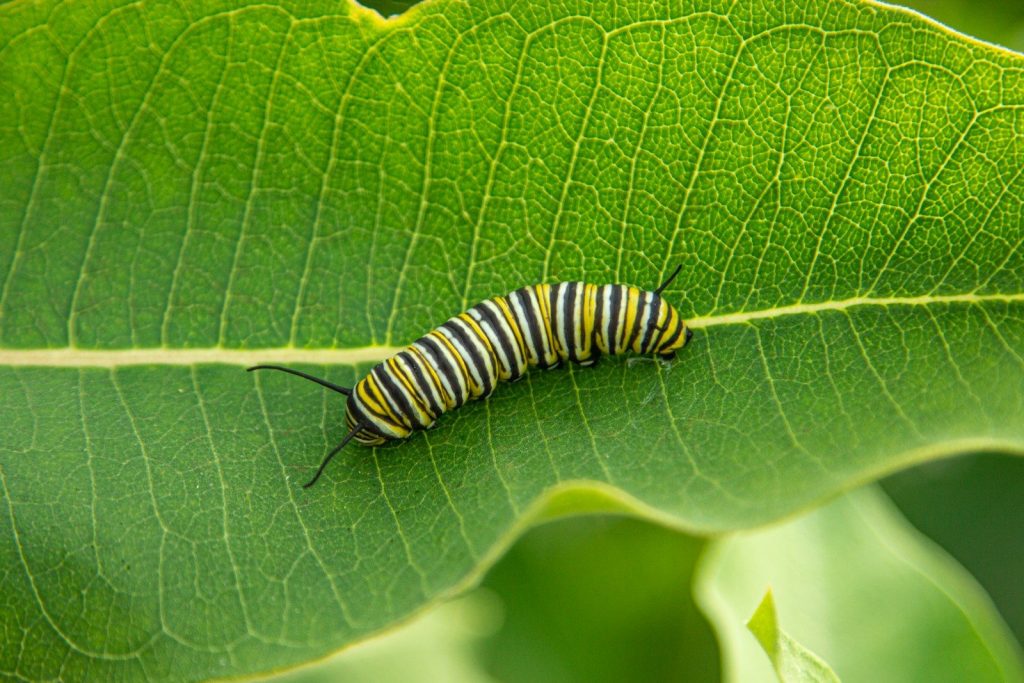
The tiny creatures discovered in the garden were only at the beginning of a remarkable process known as complete metamorphosis.
For the next several weeks, their primary goal is simple: eat and grow. During this stage, caterpillars consume large amounts of plant material and shed their skin multiple times as their bodies expand.
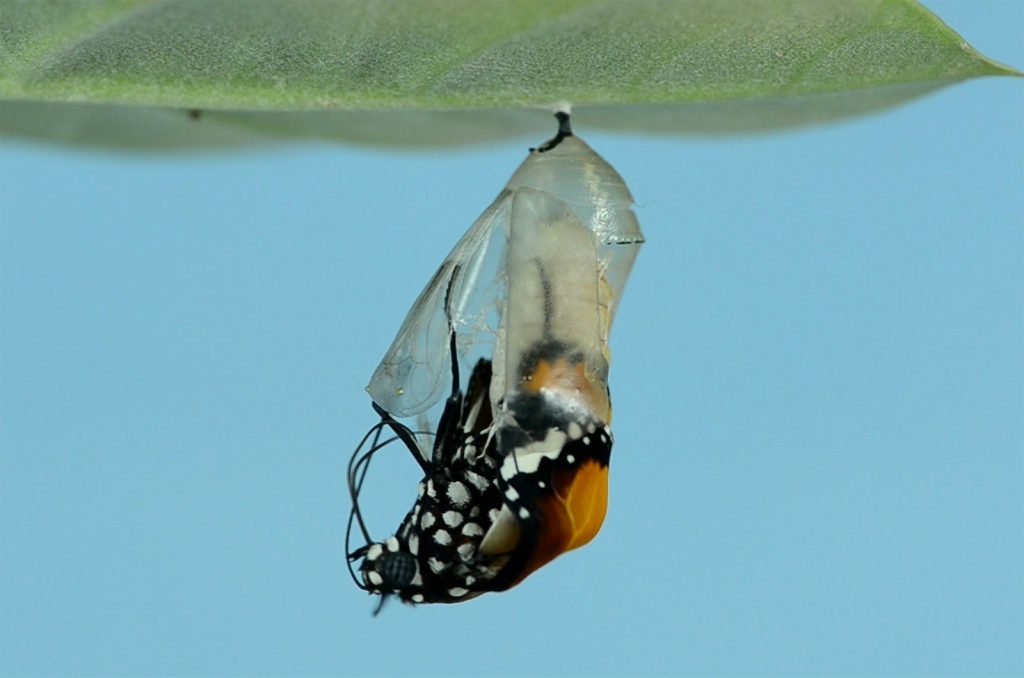
Eventually, they enter the pupal stage, forming either a chrysalis or cocoon depending on the species. Inside this protective casing, one of nature’s most astonishing transformations takes place.
The caterpillar’s body reorganizes itself into an entirely different creature. Wings develop, body structures change, and the insect emerges as a butterfly or moth capable of flight.
Few transformations in the natural world are as dramatic.
Why Gardens Matter for Wildlife
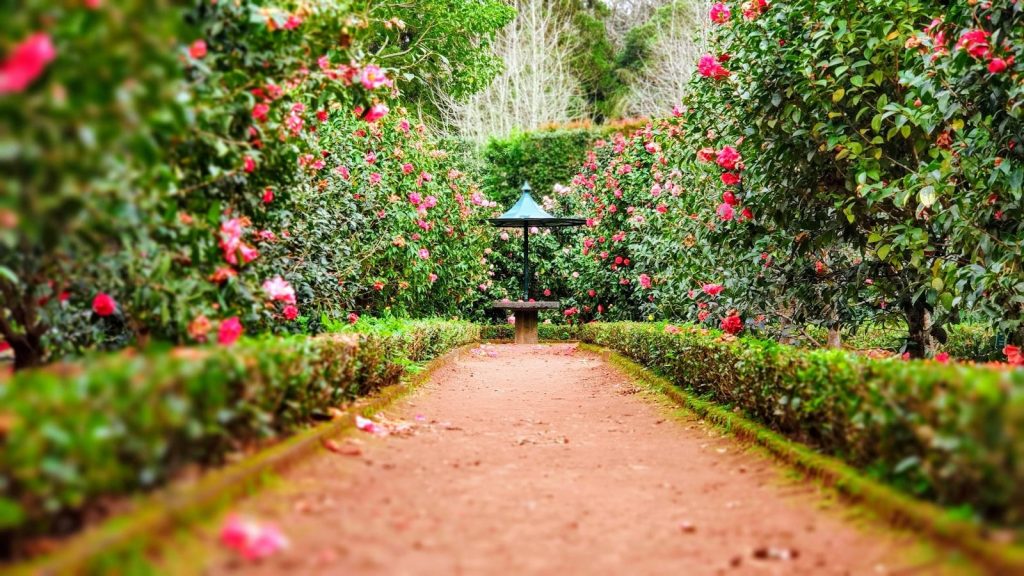
This discovery also highlights the important role gardens play in supporting biodiversity.
Many butterflies and moths depend on specific host plants where they can lay eggs and where caterpillars can find food after hatching. Gardens that include native plants, flowering species, and natural areas provide valuable habitat for these insects.
A perfectly manicured garden may look attractive, but leaving some wild corners can create essential shelter and food sources for countless species.
Small gardens collectively form an important network of habitats across urban and suburban landscapes.
Tiny Creatures, Big Impact
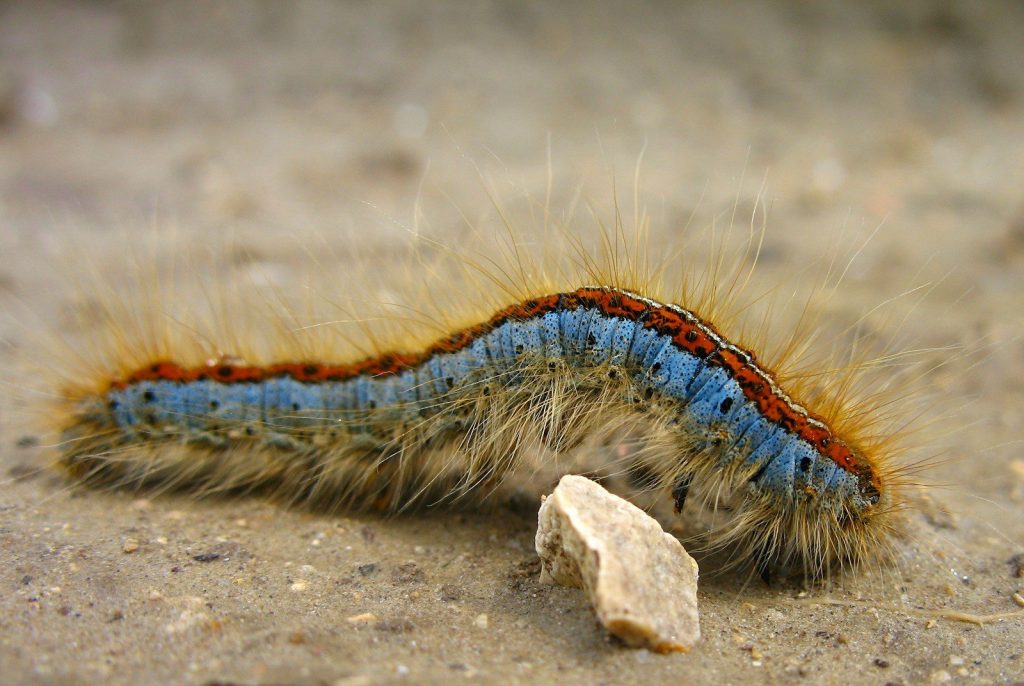
Caterpillars may be small, but they play a vital role in ecosystems. They serve as a major food source for birds, reptiles, amphibians, spiders, and other wildlife.
Later, as adult butterflies and moths, many species contribute to pollination, helping plants reproduce and supporting healthy ecosystems.
The woman’s discovery serves as a reminder that even the smallest creatures have an important place in nature. What first appeared to be an ordinary green lump turned out to be hundreds of tiny lives preparing for an extraordinary transformation, proving that some of nature’s most captivating stories are waiting to be discovered in our own backyards.