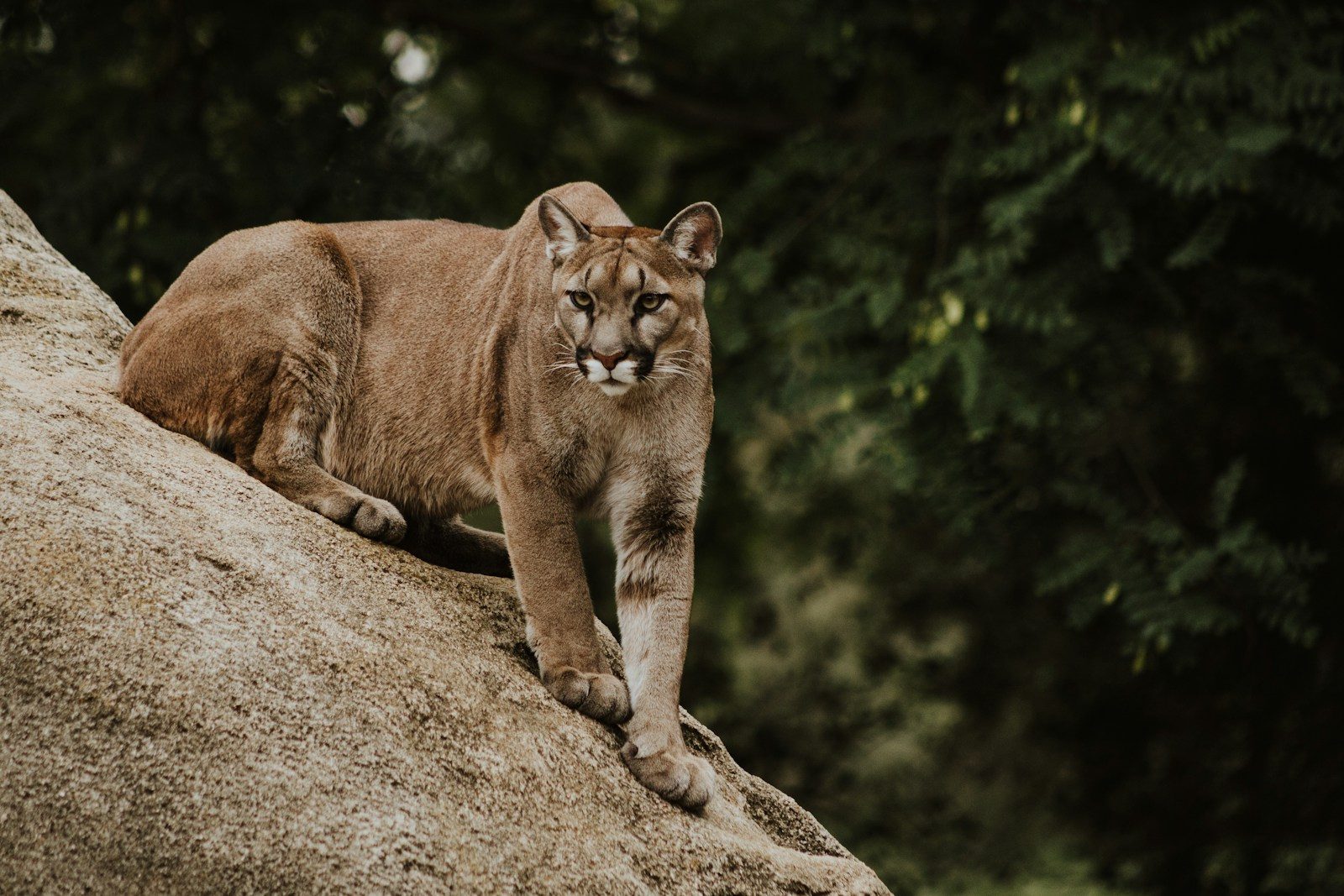
Mountain lions have established breeding populations across numerous western states, so these seven are examples rather than the only places where hikers can encounter them. California, Colorado, Arizona, Utah, Montana, Idaho, and Wyoming all contain substantial cougar habitat.
Attacks remain exceptionally rare. U.S. Fish and Wildlife Service guidance emphasizes prevention: stay aware, keep children close, secure pets, never approach a cougar, and give the animal room to leave.
California Mountain Lions

California supports mountain lions from rugged coastal mountains to inland forests and deserts. The California Department of Fish and Wildlife runs a statewide conservation program focused on population monitoring, health, habitat connectivity, and conflicts with people.
Encounters rarely become attacks. California has recorded fewer than 50 verified attacks since 1890, including six fatalities. That history shows why awareness matters without justifying panic. If a lion appears, do not approach or run. Stay upright, make yourself appear larger, and give it an escape route.
Colorado Mountain Lions
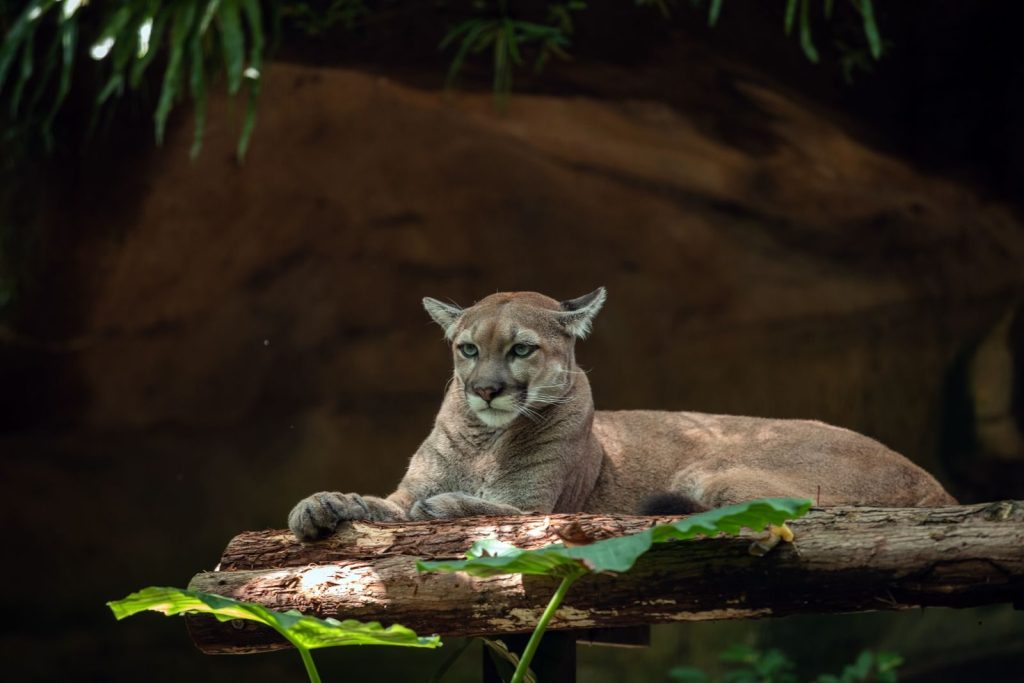
Much of Colorado is mountain lion habitat, including parts of the heavily populated Front Range. Colorado Parks and Wildlife says lions occur in piñon-juniper, ponderosa pine, oak brush, mountain mahogany, and other habitats supporting deer and suitable cover.
A fatal attack in northern Colorado in January 2026 drew renewed attention, but wildlife officials continue stressing that attacks are rare. Remote wooded trails, especially where deer are abundant, are genuine cougar country. Hiking with companions and keeping children nearby reduces avoidable risk.
Arizona Mountain Lions
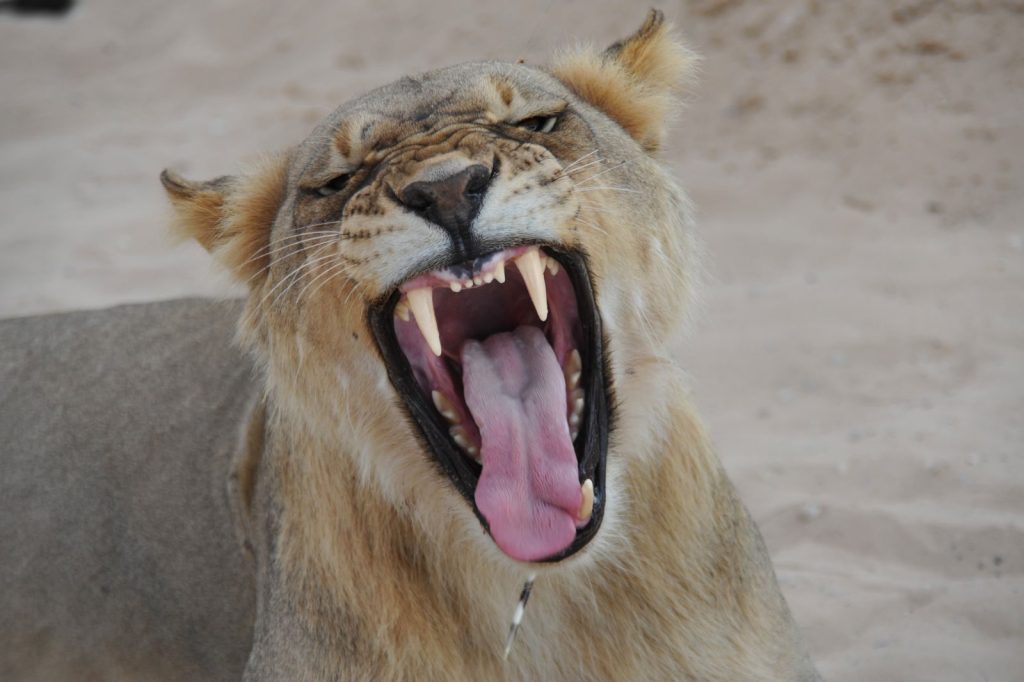
Arizona Game and Fish estimates roughly 3,000 mountain lions statewide and describes them as widely distributed. The cats occupy deserts, mountains, forests, and rugged country, although their secretive behavior means most residents will never see one directly.
Arizona lions have also expanded into areas where they were once considered rare or transient. Outdoor visitors should pay particular attention around dawn and dusk, supervise small children and pets, and avoid leaving food that attracts deer or other cougar prey near homes and camps.
Utah Mountain Lions

Utah lies firmly inside the western cougar’s established range, with suitable habitat extending across mountains, canyon country, desert ranges, and forested areas. Mountain lions survive by following prey, particularly deer, through landscapes that often overlap popular hiking and camping destinations.
Seeing tracks or receiving a distant sighting does not automatically indicate danger. Mountain lions generally try to avoid people. Risk rises when someone approaches, runs from a close animal, allows pets to roam, or leaves children unsupervised. The safest encounter ends with the cat retaining plenty of space to leave.
Montana Mountain Lions
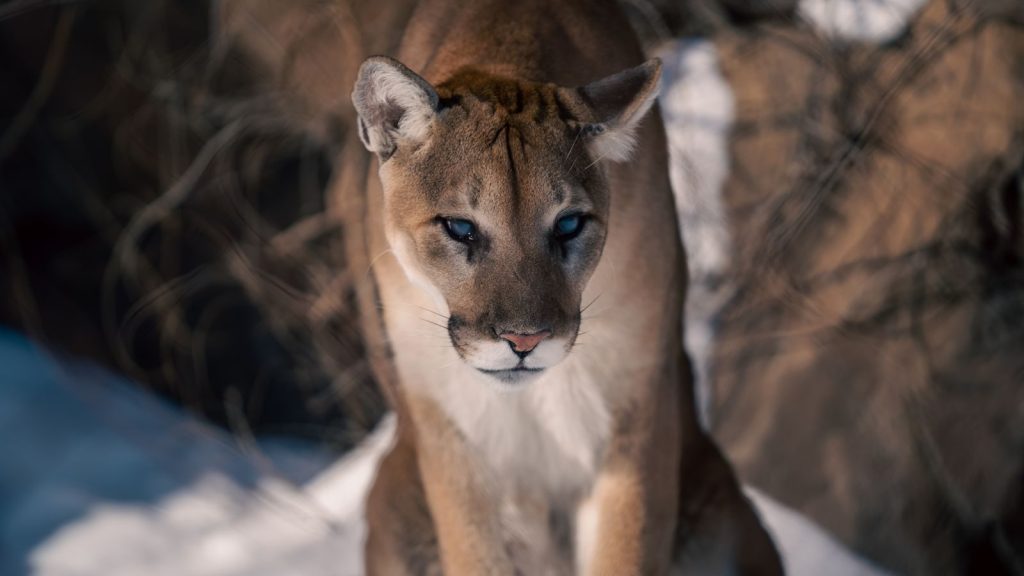
Montana is another state with a viable breeding mountain lion population. Its mix of mountains, forests, river valleys, and abundant deer provides extensive habitat for a predator capable of traveling across enormous home ranges.
Because mountain lions are solitary and often active during low-light periods, hikers may share a landscape with them without ever seeing one. Wildlife safety guidance recommends traveling with companions, making children part of the group rather than letting them trail behind, and never deliberately approaching a cougar for photographs. Pets should remain under control as well.
Idaho Mountain Lions
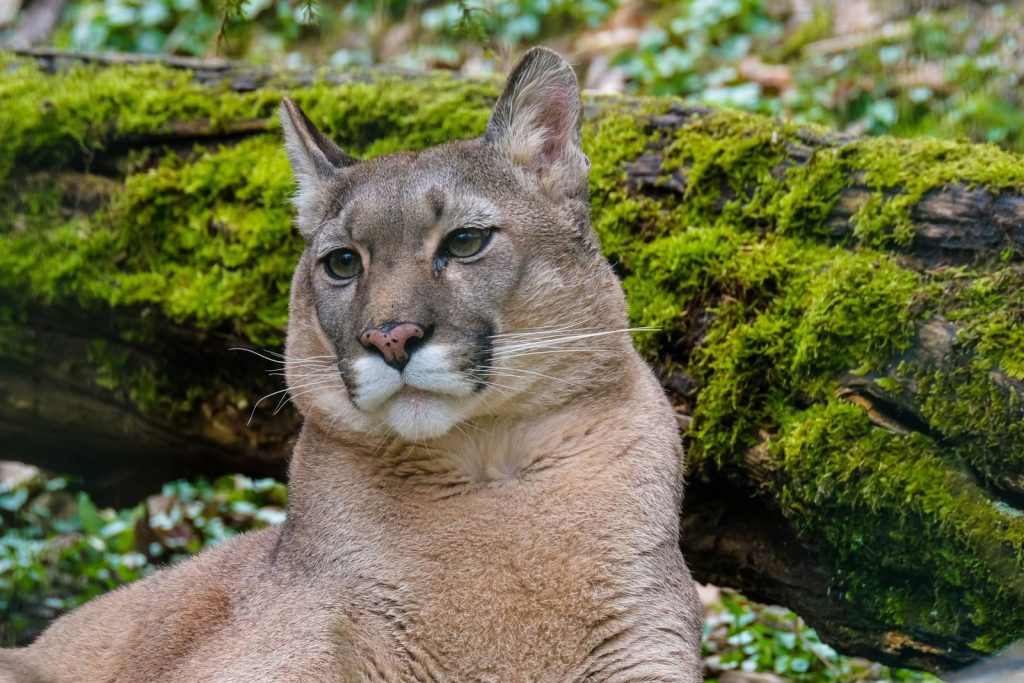
Idaho supports established mountain lions across extensive wild country. Forested mountains, rocky terrain, river systems, and healthy ungulate populations create the combination of cover and prey that cougars need. Idaho is among the western states maintaining viable breeding populations.
For people outdoors, the important distinction is presence versus probability of attack. A cougar may live nearby without posing an immediate threat. Keep camps free of wildlife attractants, supervise children, secure pets, and never turn a close encounter into a chase by running. Most lions prefer avoiding direct contact with humans.
Wyoming Mountain Lions

Wyoming’s mountain lion habitat overlaps some of the country’s most popular mountain recreation areas. Cougars live alongside deer, elk, bears, wolves, and other wildlife across landscapes where humans hike, hunt, camp, and travel throughout the year.
Wildlife agencies study mountain lions in Wyoming and neighboring western states using modern population and movement research. For visitors, simple precautions remain more useful than fear: stay alert, avoid approaching carcasses, keep children close, control pets, and give any lion encountered enough room to retreat without being cornered.
Mountain Lion Safety

A mountain lion sighting does not automatically mean an attack is coming. U.S. Fish and Wildlife Service guidance says most cougars want to avoid humans, so people should not approach them and should allow time and space for the cat to leave.
If a close lion remains interested, do not run. Stay upright, face the animal, appear larger, keep children with you, and fight back if an attack actually occurs. The seven states above are major cougar strongholds, not a complete U.S. range list.
Featured Image: Photo by Priscilla Du Preez 🇨🇦 on Unsplash