There is no official scientific title for the “deadliest snake in the United States.” Different species can be compared by venom potency, venom quantity, bite frequency, and untreated medical risk.
The eastern diamondback rattlesnake is a reasonable species to examine because Smithsonian identifies it as North America’s longest and heaviest venomous snake. Its bite can be fatal, although modern treatment means human deaths are rare.
Eastern Diamondback

Eastern diamondbacks are massive rattlesnakes of the southeastern United States. Adults commonly reach three to six feet, while exceptional individuals can approach eight feet. Their heavy bodies and large heads make them imposing even before the rattle begins sounding.
Despite that size, people are not normal prey. The snake’s hunting system evolved primarily for animals such as rodents, rabbits, and squirrels. Human bites are defensive accidents or responses to disturbance rather than feeding attempts. The safest response to a wild diamondback is simply to give it room.
Waiting in Ambush
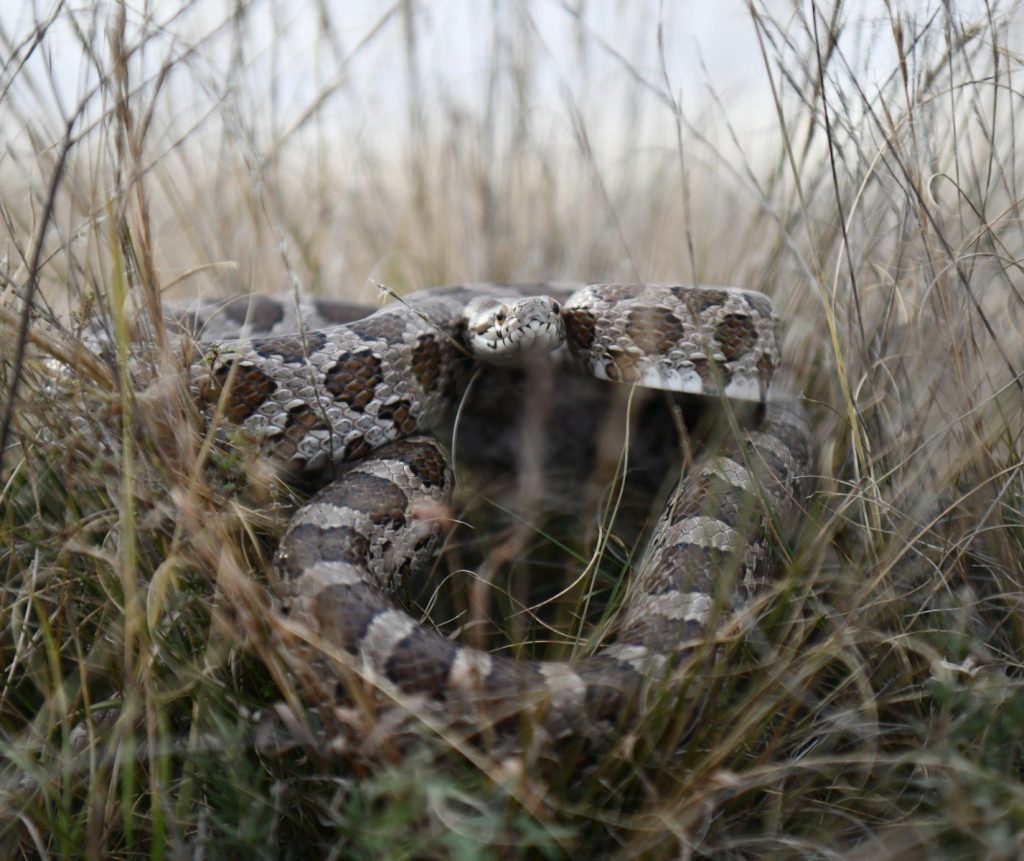
Eastern diamondbacks are ambush hunters. Instead of chasing mammals continuously, they can remain in one favorable location waiting for prey to move within striking range.
That patience saves energy and lets concealment perform much of the work. Smithsonian-associated material describes eastern diamondbacks sometimes remaining in one location for extended periods while awaiting prey. Once a suitable mammal moves close enough, the snake can transition from complete stillness into an extremely fast strike. A quiet rattlesnake therefore may be actively hunting even when it appears to be doing almost nothing.
Heat-Sensing Facial Pits

Like other pit vipers, eastern diamondbacks possess heat-sensitive organs between the eyes and nostrils. These pits detect infrared information produced by warm-bodied prey and help the snake locate mammals even under low-light conditions.
Heat sensing works alongside vision, smell, and chemical information collected by the forked tongue. The snake therefore does not rely on one supernatural “thermal camera.” Multiple sensory systems help determine exactly where prey is positioned before the strike. That combination becomes particularly valuable at dusk or in darkness when visual information is reduced.
Venomous Strike
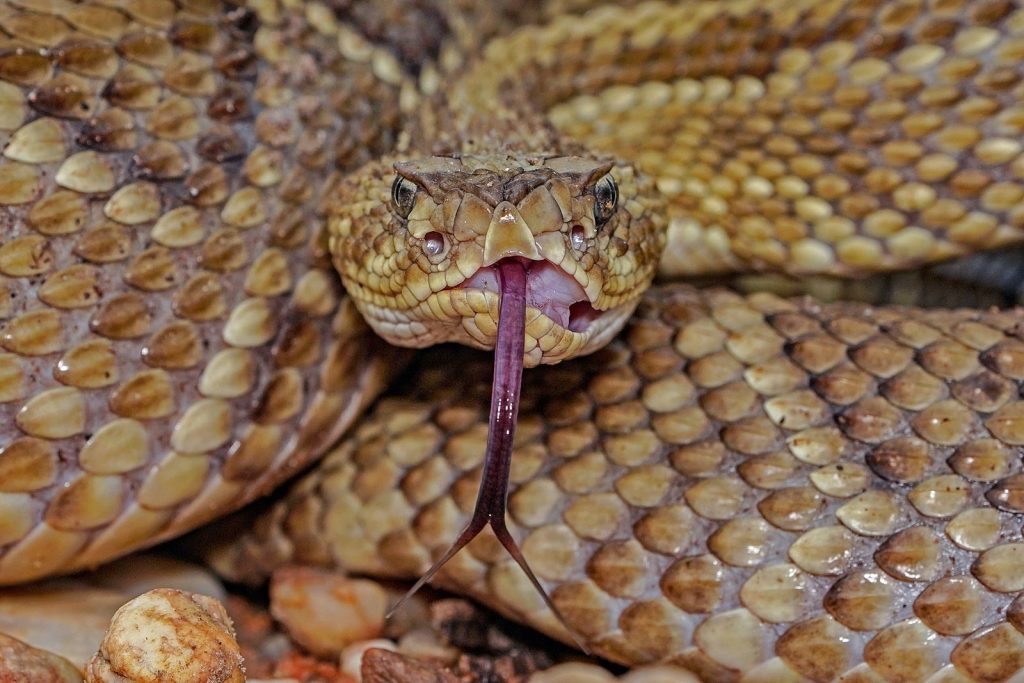
When prey enters range, hinged fangs rotate into position and inject venom during the bite. Smithsonian describes eastern diamondback venom as containing hemotoxic components that damage tissue and blood cells.
The attack happens quickly because remaining physically attached to struggling prey could injure the snake. Venom lets the rattlesnake deliver its damaging weapon almost instantly, then withdraw. The bite therefore does not need to look like prolonged combat. One rapid contact can begin physiological effects that continue after the prey has already moved away from the strike site.
Bite and Release
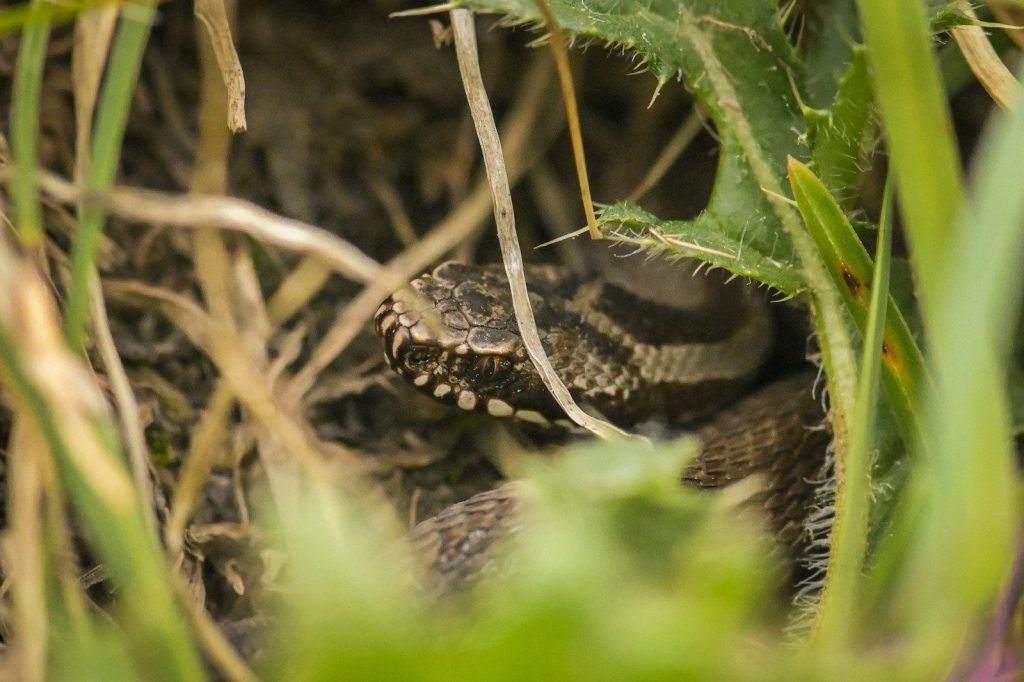
Eastern diamondbacks commonly release prey after the strike rather than wrestling with it. Smithsonian says the snake can allow the bitten animal to move away while venom takes effect, then pursue it afterward.
This strategy reduces the chance that a rabbit, rat, or other struggling mammal damages the snake during a prolonged fight. Venom functions partly as a remote immobilization system: the rattlesnake only needs to stay attached long enough to deliver an effective bite. The prey’s escape therefore does not necessarily mean the hunt has failed.
Following the Prey
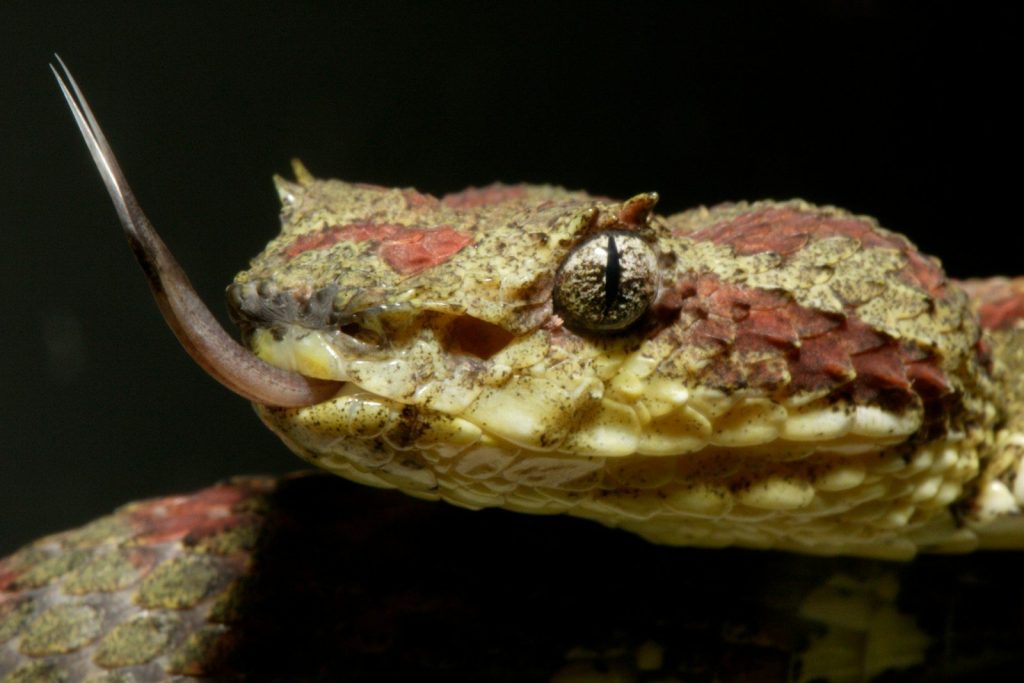
After releasing bitten prey, a rattlesnake can use chemical cues to relocate it. Snakes repeatedly flick their forked tongues, collecting microscopic scent particles and transferring them to sensory structures inside the mouth.
National Park Service descriptions of rattlesnake hunting note that the snake tracks envenomated prey after allowing it to move away. Once the animal has been immobilized or killed, the rattlesnake finds the body and begins swallowing. This chemical tracking ability is critical because the initial strike may send prey several metres away into vegetation.
Swallowing Whole Prey

Rattlesnakes do not chew prey into pieces. Once the animal has been subdued, the snake uses highly mobile jaws and associated skull structures to swallow it whole.
Eastern diamondbacks feed mainly on mammals such as rodents, squirrels, and rabbits, although diet varies with age, location, and opportunity. A large meal can take considerable time to digest, meaning successful adults do not need to hunt every day. The spectacular strike receives most of the attention, but the snake’s feeding strategy is really a sequence of ambush, envenomation, tracking, swallowing, and digestion.
Dangerous, Not a Human Hunter
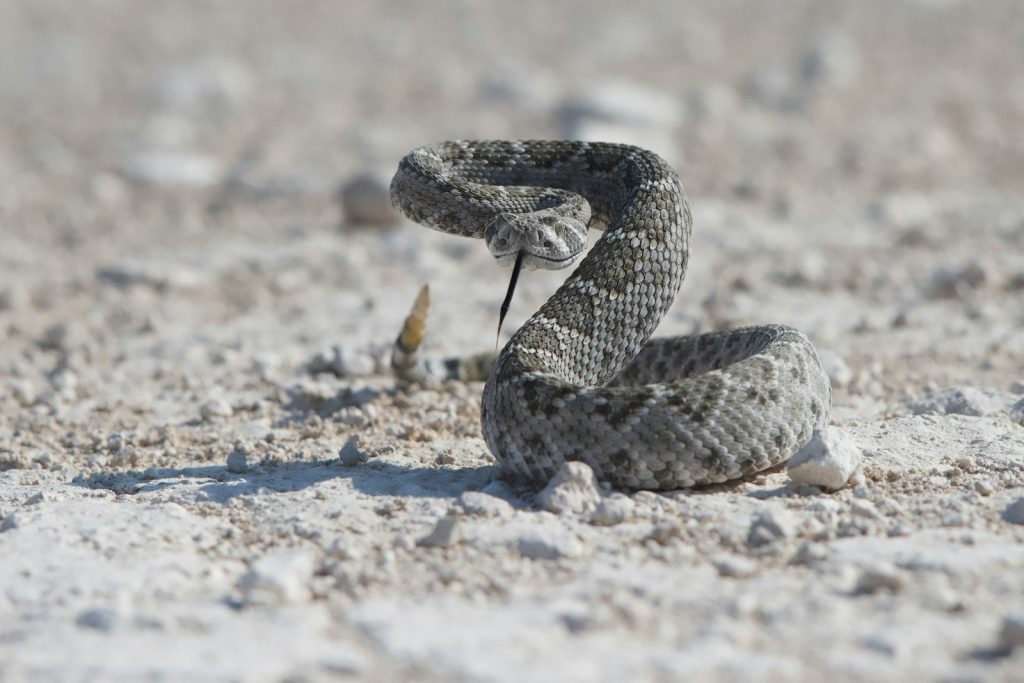
Eastern diamondback bites can be medically serious, but calling the snake America’s definitive “deadliest” creates a false ranking. Modern antivenom and emergency treatment mean deaths from rattlesnake bites are uncommon.
The species also does not hunt people. Its rattle is a warning intended to prevent dangerous close contact. If someone is bitten by any rattlesnake, the correct response is immediate professional medical care—not cutting the wound, attempting to extract venom, or trying to capture the snake. Respecting distance protects both humans and an important native predator.
Featured Image: Photo by Greg Johnson on Unsplash