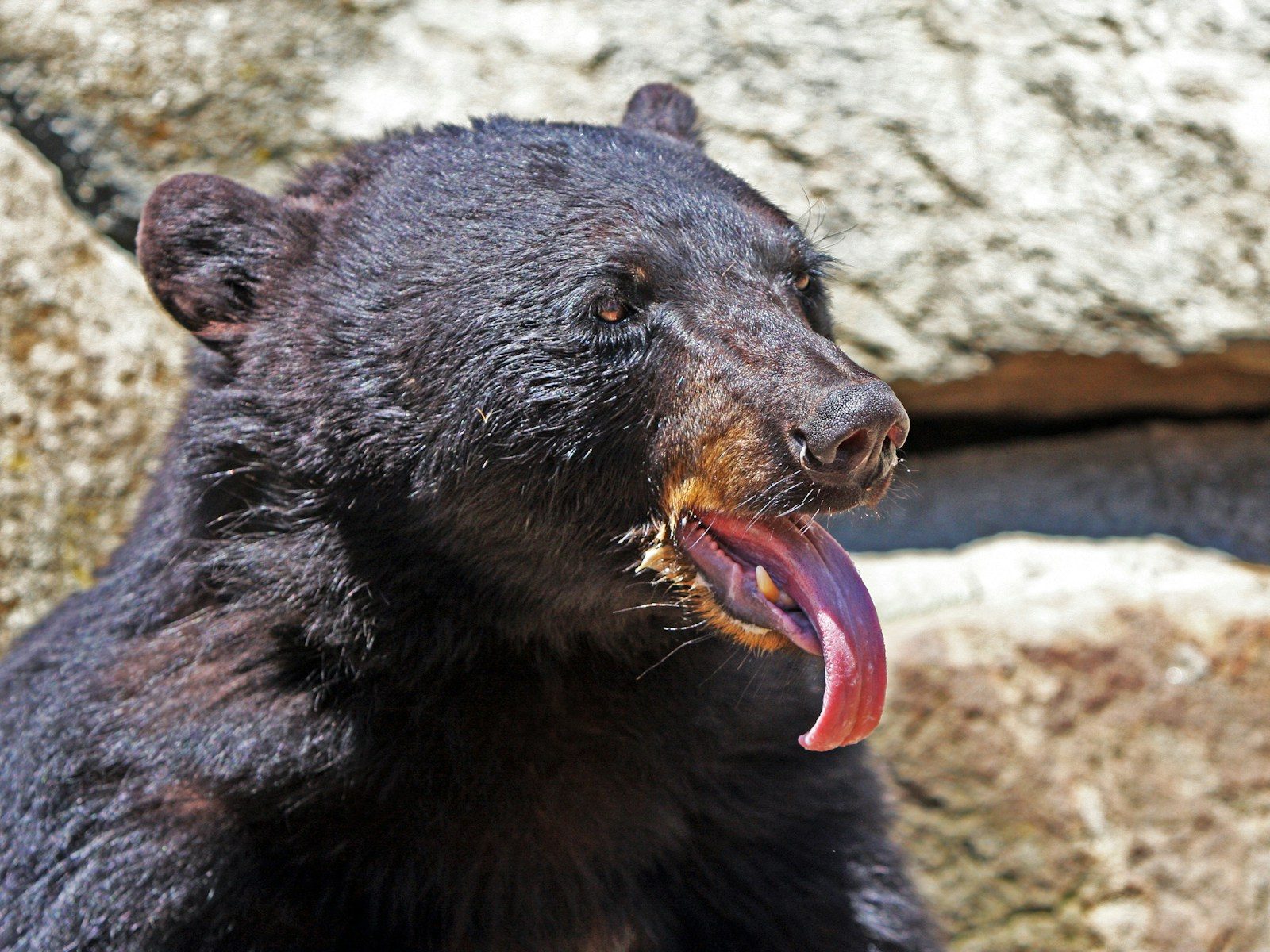
Black bear abundance varies enormously among states, and population estimates are produced with different methods and in different years. This is therefore not a strict national ranking.
These 12 states stand out because current wildlife-agency information documents substantial populations, broad occupied ranges, or major recoveries: Maine, Wisconsin, Pennsylvania, Minnesota, Michigan, New York, North Carolina, Virginia, Tennessee, Georgia, Florida, and New Jersey.
Maine and Wisconsin

Maine currently estimates about 25,000 black bears, with the population described as relatively stable since 2008. The state calls its bear population the largest in the eastern United States.
Wisconsin is similarly impressive. Its DNR currently estimates roughly 24,000 bears, with occupied range extending across more than half the state and gradually expanding southward. Both states demonstrate that large black bear populations are not confined to remote western wilderness; heavily forested portions of the Upper Midwest and Northeast support tens of thousands.
Pennsylvania and Minnesota
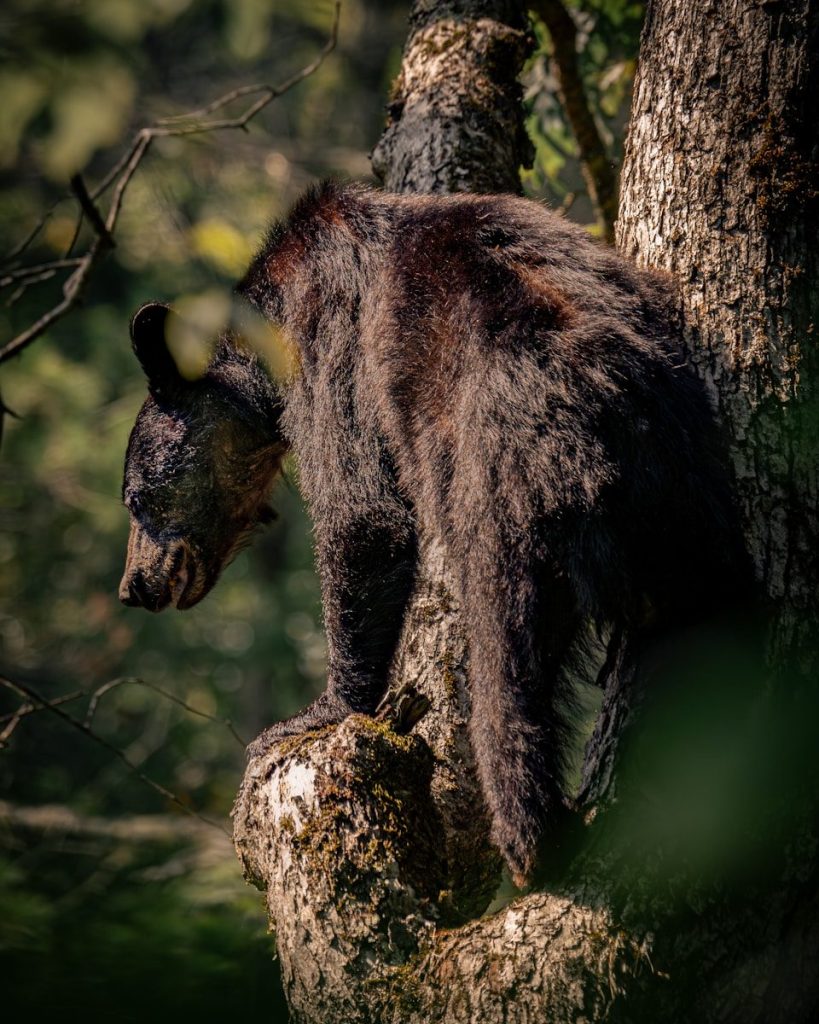
Pennsylvania currently estimates roughly 19,000 black bears, up dramatically from fewer than 5,000 during the 1970s. Bears now occupy more than three-quarters of the state, and confirmed sightings have occurred in every county.
Minnesota wildlife officials estimate approximately 13,000–18,000 bears. Their primary range remains in the forested north, but the state says bears have been slowly expanding southward and westward. Together, these populations show how conservation and suitable habitat have restored bears across landscapes where they were once far less common.
Michigan and New York

Michigan entered spring 2026 with an estimated 12,450 black bears. Most live in the Upper Peninsula and northern Lower Peninsula, although wandering animals occasionally appear considerably farther south.
New York estimates a minimum of roughly 6,000–8,000 bears in areas open to hunting. Most occur in the Adirondacks and Catskills, with established bears also inhabiting the Southern Tier, Hudson Valley, and other regions. The state’s 2025 bear harvest was among the highest recorded in its long-running monitoring program.
North Carolina and Virginia
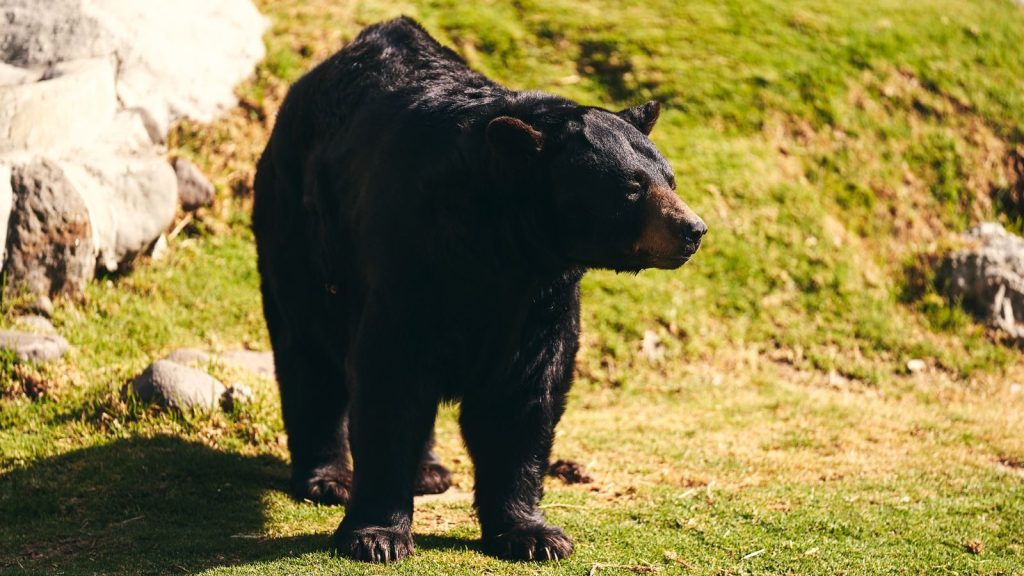
North Carolina does not publish one simple current statewide estimate on its main species page, but it reports black bears occupying approximately 60% of the state’s land area. That recovery is striking because bears had become restricted to remote regions by the mid-1900s.
Virginia likewise reports black bears across the state following decades of habitat and population recovery. Hunters reported 2,344 bears during the 2025–2026 season, illustrating the scale of the managed population even though harvest is not the same as total abundance.
Tennessee and Georgia
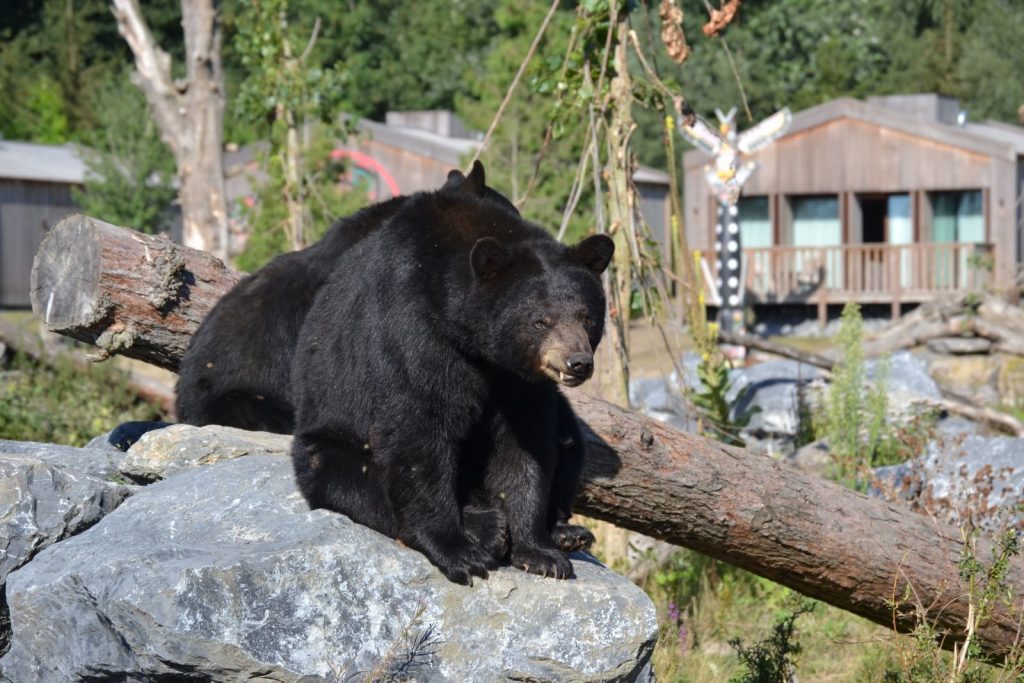
Tennessee Wildlife Resources Agency currently estimates approximately 6,000 black bears. Bears are especially abundant in eastern Tennessee and continue expanding through parts of their historic range, supported by extensive Appalachian habitat.
Georgia estimates about 4,100 bears statewide. The Georgia Department of Natural Resources describes this as a major conservation recovery after unregulated hunting and habitat loss nearly eliminated the species locally during the early twentieth century. Today the state contains several major bear populations rather than just occasional wandering individuals.
Florida and New Jersey
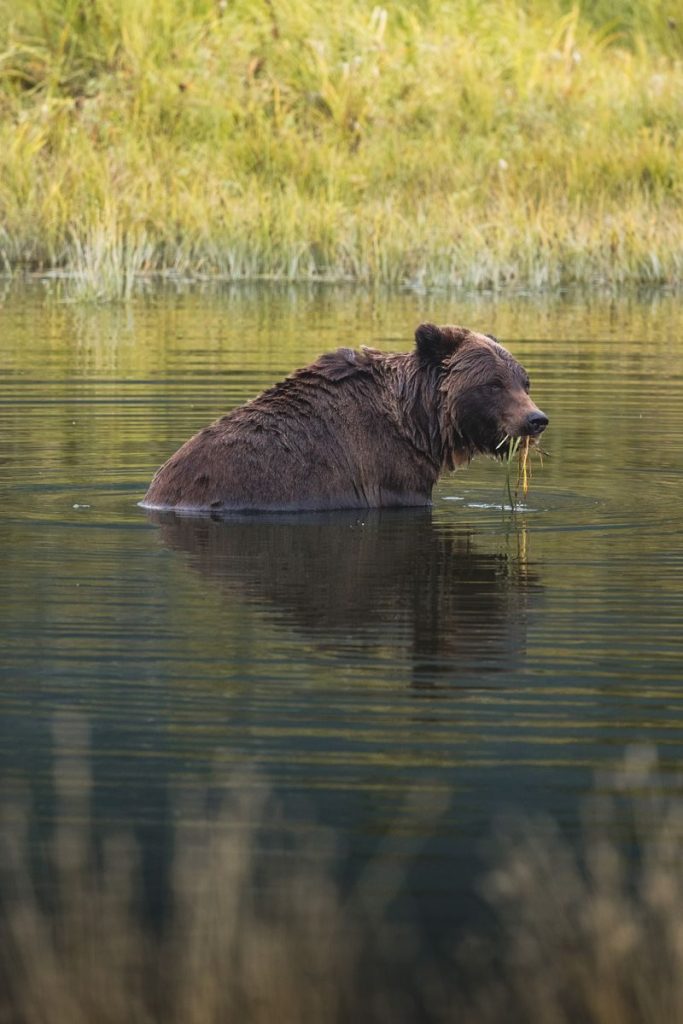
Florida’s best statewide scientific estimate remains about 4,050 black bears, distributed among seven management populations. Wildlife officials are currently carrying out new abundance work designed to update older estimates across the state.
New Jersey’s bear population is remarkable considering the state’s density of roads and people. Wildlife officials have estimated thousands of bears in the northwestern region and project continued population growth without management. Black bears are now reported throughout the state rather than being confined to one isolated mountain area.
Population Estimates Need Context

Bear numbers from different states cannot always be compared directly. Maine, Wisconsin, and Michigan regularly update population models, while Florida’s statewide figure still relies partly on older abundance work that is currently being replaced.
Some states report precise model estimates, others publish broad ranges, and still others emphasize occupied habitat or long-term trends. That is why calling these the definitive “12 states with the most bears” would be misleading. The supported claim is simpler: all twelve contain much more established black bear habitat than many residents may expect.
Living Around Black Bears

Large bear populations do not automatically mean frequent attacks. Wisconsin describes black bears as generally secretive and inclined to avoid people, while wildlife agencies across these states focus heavily on preventing access to garbage, pet food, bird seed, and other human foods.
Food-conditioned bears create much greater conflict than animals passing naturally through habitat. Secure attractants, keep distance, never deliberately feed bears, and follow local wildlife-agency guidance. Growing bear populations make coexistence practices more important, not reasons to treat every sighting as an emergency.
Featured Image: Photo by John Cardamone on Unsplash