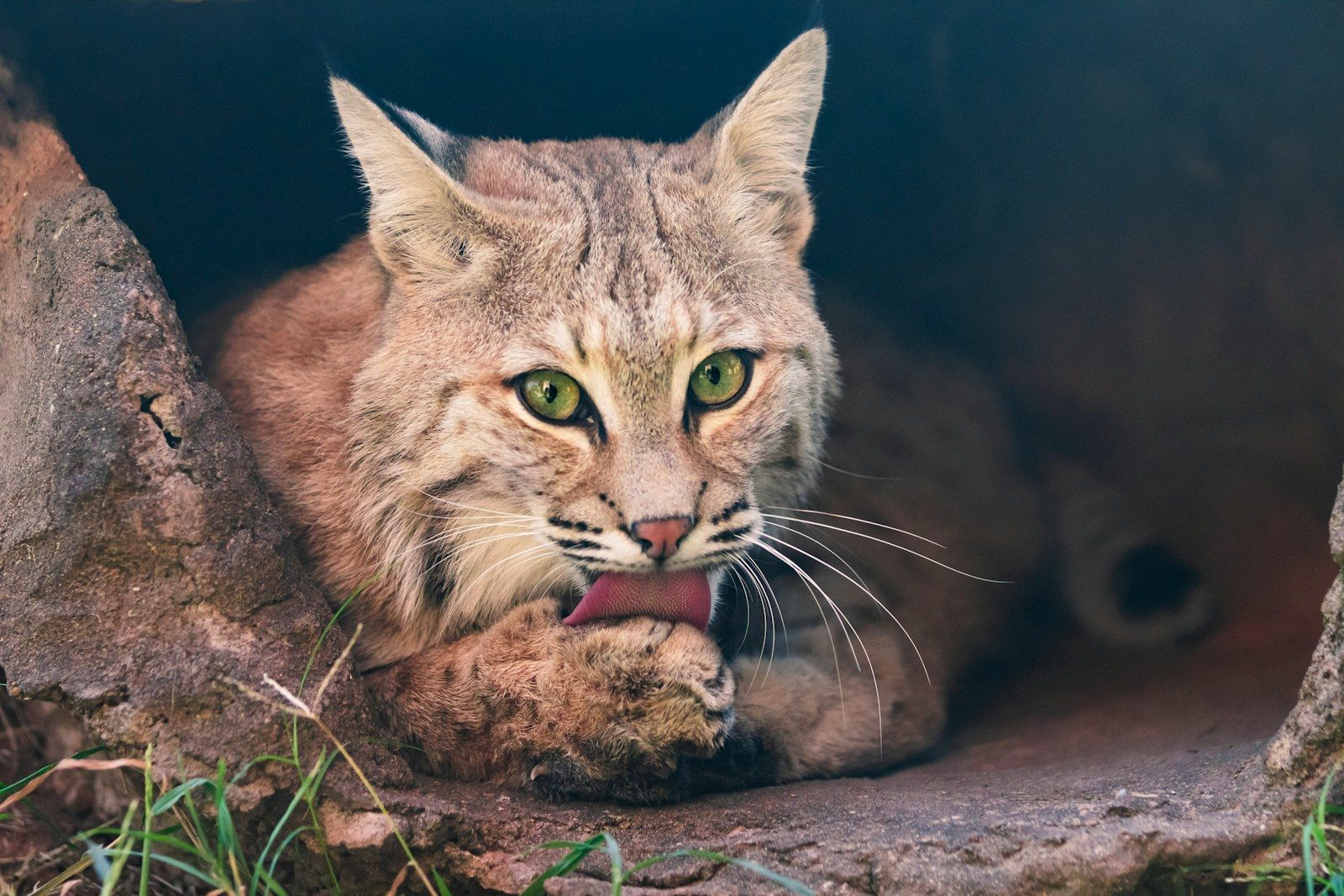
The original title makes bobcats sound more dangerous to hikers than evidence supports. Bobcats are widespread, adaptable native cats, but they normally avoid humans. Smithsonian says most of the world’s bobcats live in the United States.
These 20 states are examples, not the complete range. Federal sources have described bobcats across nearly the entire contiguous United States, and modern populations occupy forests, deserts, mountains, swamps, farmland edges, and even some urban landscapes.
California, Oregon and Washington
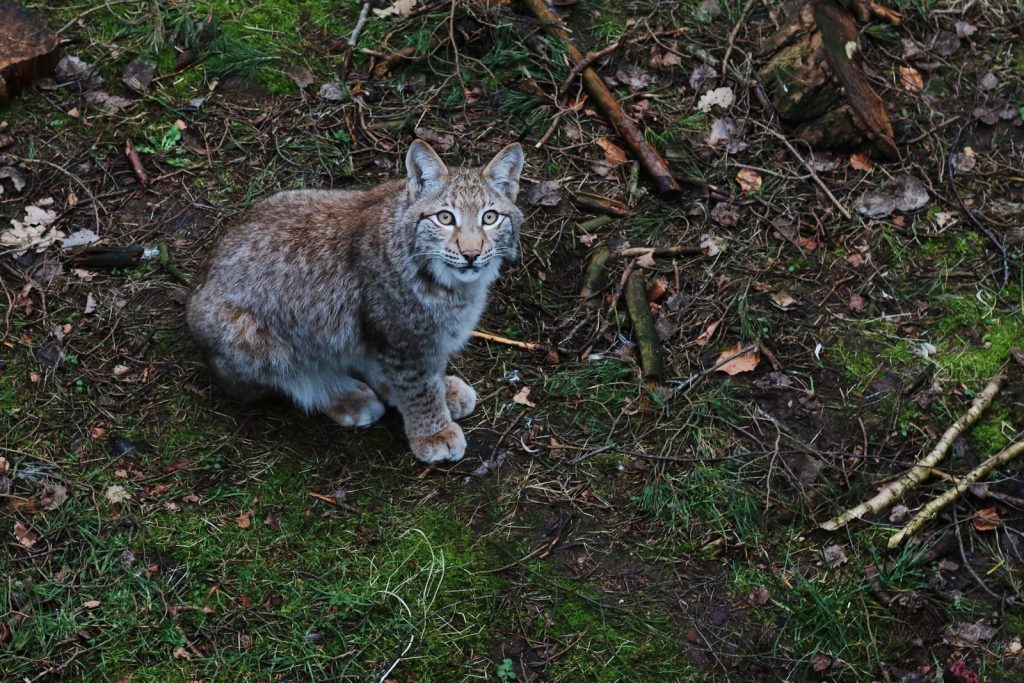
The Pacific states contain extensive bobcat habitat ranging from California chaparral and desert to the forest edges and broken landscapes of Oregon and Washington. Bobcats can succeed anywhere that provides prey, hiding cover, and suitable den sites.
National Park Service material describes bobcats as adaptable across North America, including habitats ranging from forests to urban edges. People hiking in these states are far more likely to see tracks, scat, or a trail-camera photograph than experience threatening behavior from the cat itself.
Arizona, New Mexico and Texas
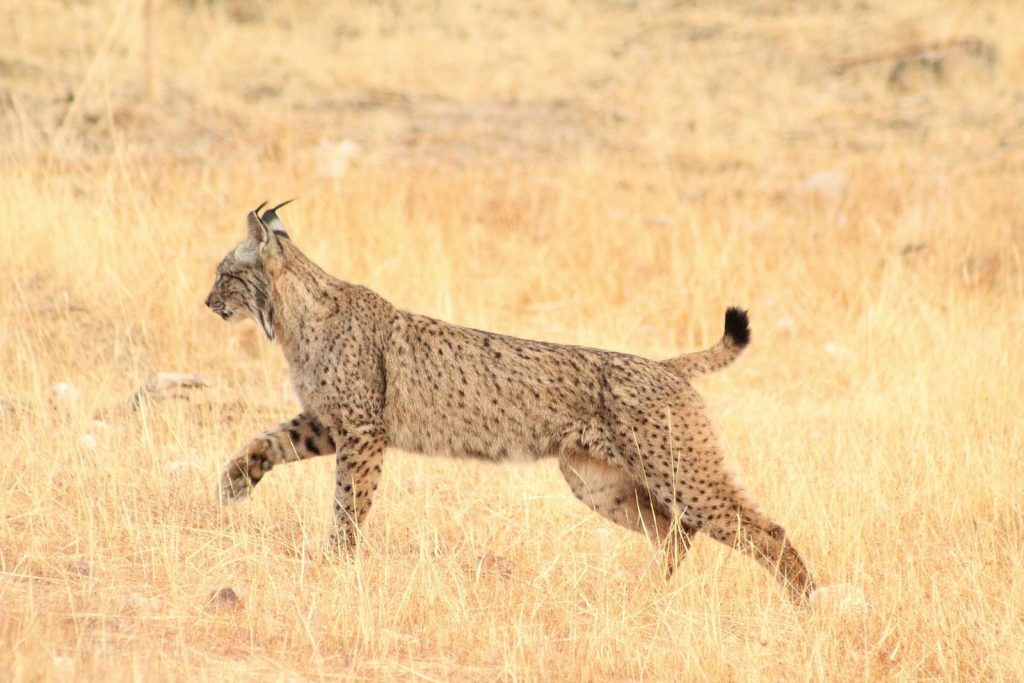
Bobcats are well suited to the Southwest. Arizona, New Mexico, and Texas provide deserts, rocky canyons, scrublands, grasslands, wooded mountains, and ranch country supporting rodents, rabbits, birds, and other small prey.
The species’ adaptability helps explain why it remains common even in arid landscapes that look harsh to people. Smithsonian notes that bobcats inhabit desert and scrub environments as well as forests and swamps. These cats are primarily hunters of smaller animals, not predators specializing in people, so normal wildlife distance is generally enough.
Colorado, Utah and Nevada

Colorado, Utah, and Nevada combine mountainous terrain with high desert, canyon country, shrublands, and wooded areas—all habitats capable of supporting bobcats. Unlike Canada lynx, bobcats can thrive without deep-snow specialization.
Their smaller paws and flexible diet make them successful across relatively dry and rocky environments. National Park Service accounts describe the species from coast to coast and emphasize its ability to use dramatically different habitats. Sightings may be brief because bobcats rely heavily on camouflage and often become active when human recreation is lower.
Idaho, Montana and Wyoming

Bobcats live throughout much of Idaho, Montana, and Wyoming, sometimes overlapping with Canada lynx in northern or higher-elevation habitats. The two cats can be confused, but bobcats generally have smaller feet, shorter legs, and a differently patterned tail.
Federal wildlife sources describe bobcats as far more common than Canada lynx across the contiguous states. Bobcats use prey ranging from rodents to rabbits and birds, and they can persist in forest edges, rocky country, river corridors, and mixed landscapes rather than depending heavily on one prey species.
Florida, Georgia and North Carolina
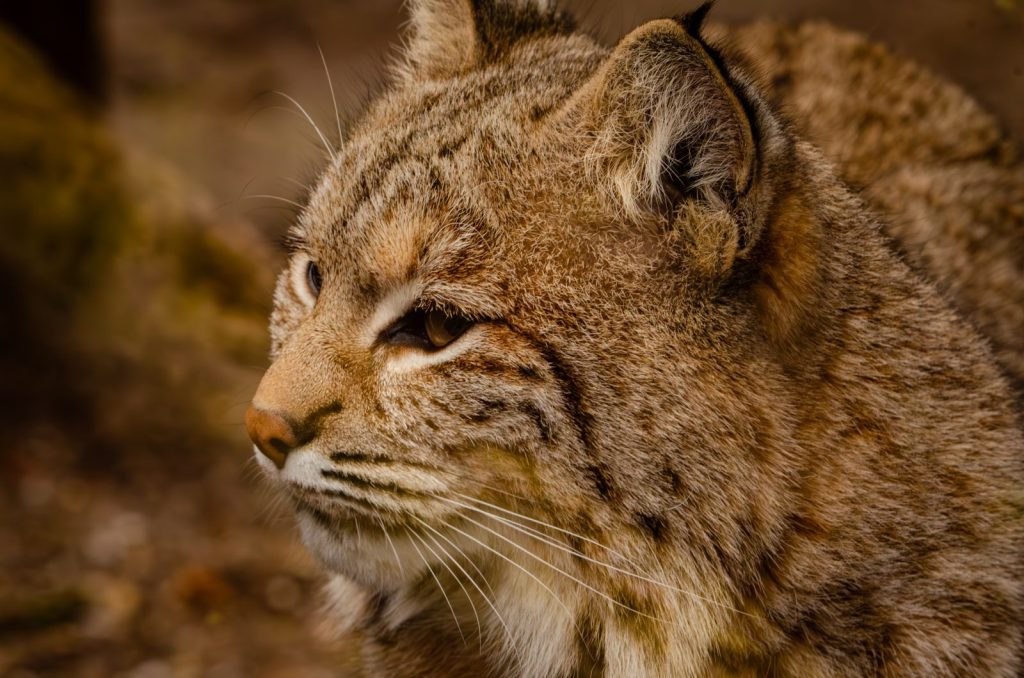
The Southeast also supports strong bobcat populations. Florida, Georgia, and North Carolina contain forests, swamps, wetlands, coastal habitats, and agricultural edges that provide both cover and abundant prey.
Big Cypress National Preserve documents bobcats in South Florida, where males can use home ranges spanning many square miles. Across the Southeast, these cats usually remain difficult to observe despite living relatively close to people. Their presence should encourage responsible pet management and wildlife awareness, not fear of routine human attacks.
Virginia and Pennsylvania
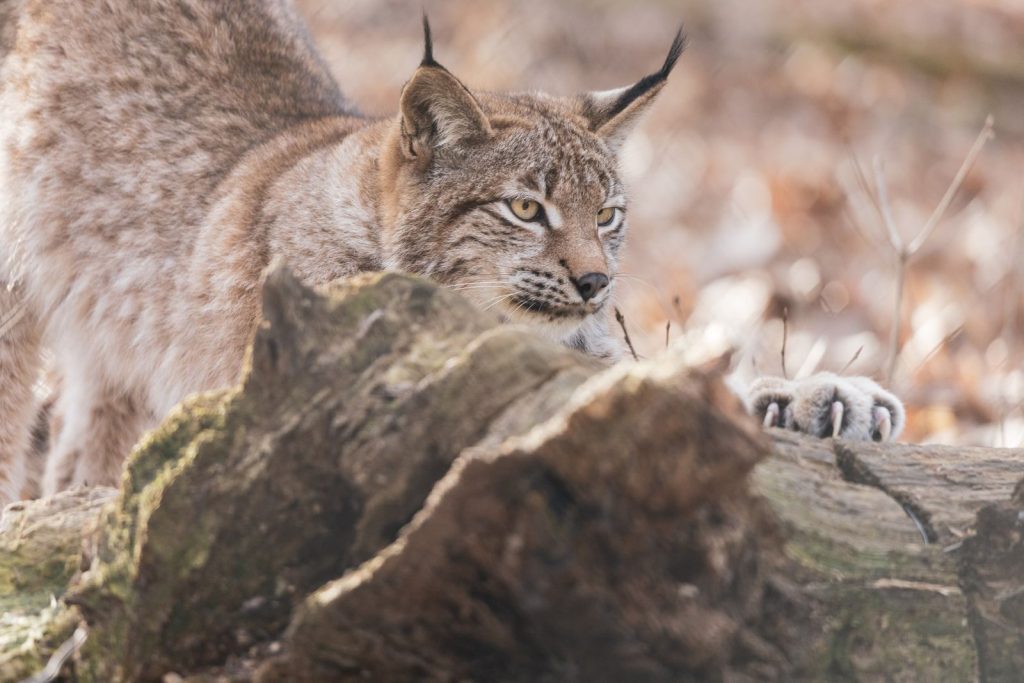
Virginia and Pennsylvania support bobcats in wooded mountains, regenerating forests, rocky ridges, and other landscapes with sufficient cover and prey. Their recovery and persistence demonstrate how adaptable native carnivores can survive in heavily populated eastern states.
Bobcats usually travel alone and can become more active around dawn, dusk, and nighttime. A fleeting cat crossing a trail or road will generally continue moving away. People should never feed or approach one, because habituating a wild predator to human food creates far more risk than simply sharing the same landscape.
New York, Wisconsin and Maine
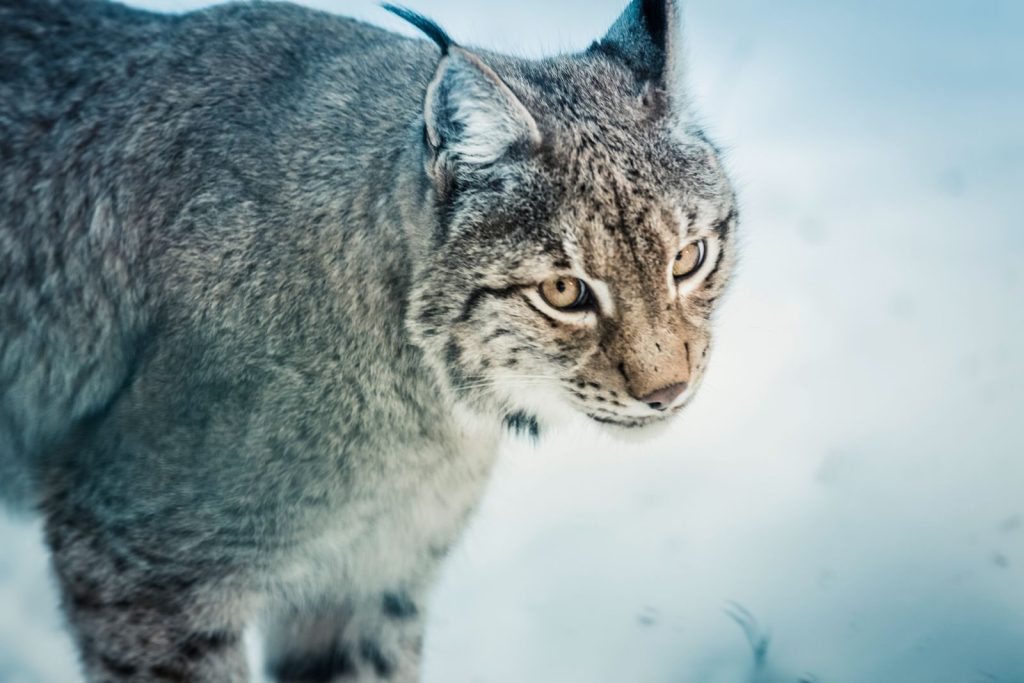
New York, Wisconsin, and Maine sit near the colder part of the bobcat’s U.S. range. Bobcats survive there, although deep snow can favor Canada lynx in places where the two species overlap.
Federal research notes that Maine lies near the northern edge of bobcat range and that severe winters can influence populations. Even so, these cats remain established across extensive northern forests. Their ability to switch prey and habitats helps them persist where winter conditions can be far more demanding than those experienced by southern bobcat populations.
Bobcats Usually Avoid People
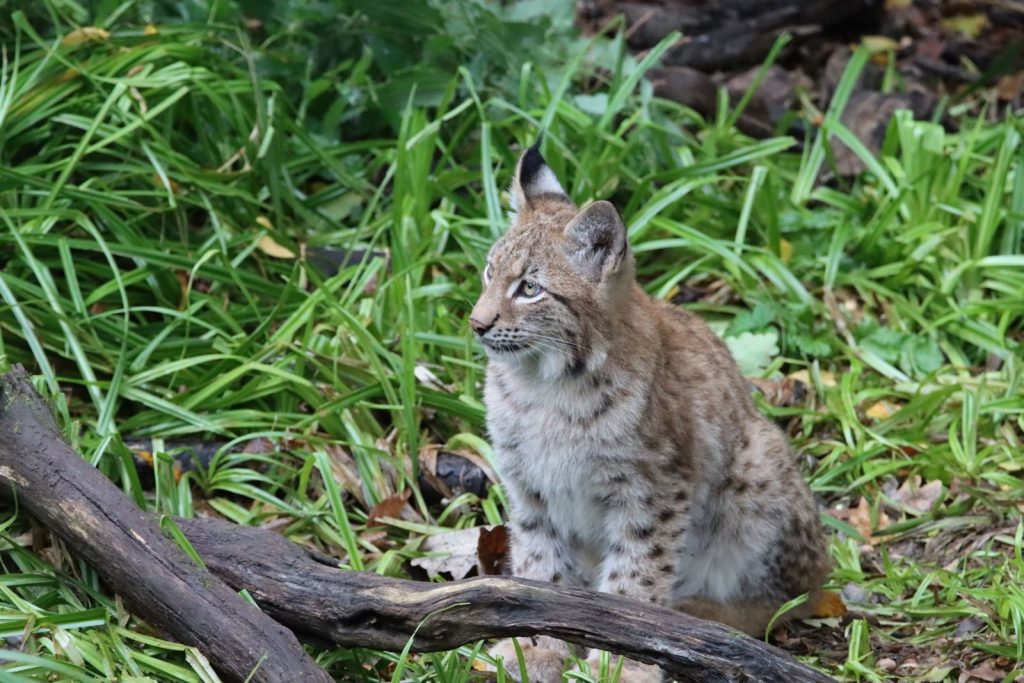
Bobcats can defend themselves if cornered, captured, or badly threatened, but seeing one outdoors is normally an observation opportunity rather than an emergency. Their widespread U.S. range exists partly because they are secretive and adaptable.
Never try to pet, feed, trap, or follow a bobcat for a closer photograph. Keep small pets controlled, particularly around dawn and dusk. The important fact behind these 20 states is not that bobcats are waiting to attack hikers; it is that a native wild cat survives surprisingly close to millions of Americans.
Featured Image: Photo by Chandler Cruttenden on Unsplash