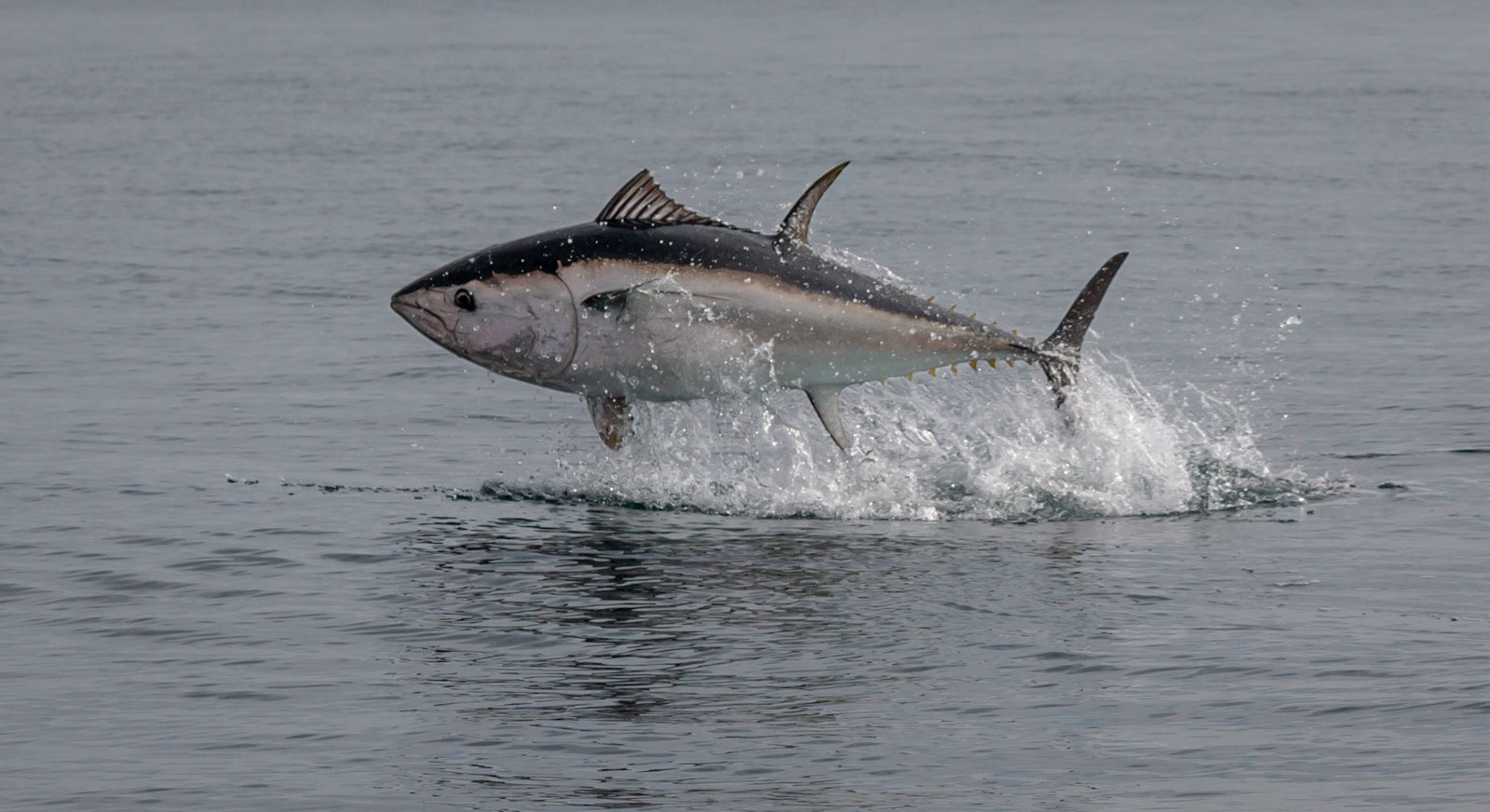
Some of the ocean’s fastest predators, including great white sharks, shortfin makos, and bluefin tuna, rely on a rare biological ability that lets them stay warmer than the surrounding water. This internal “heat engine” powers their speed, endurance, and hunting ability, but new research suggests it may now be turning into a disadvantage.
A Rare Superpower in the Ocean
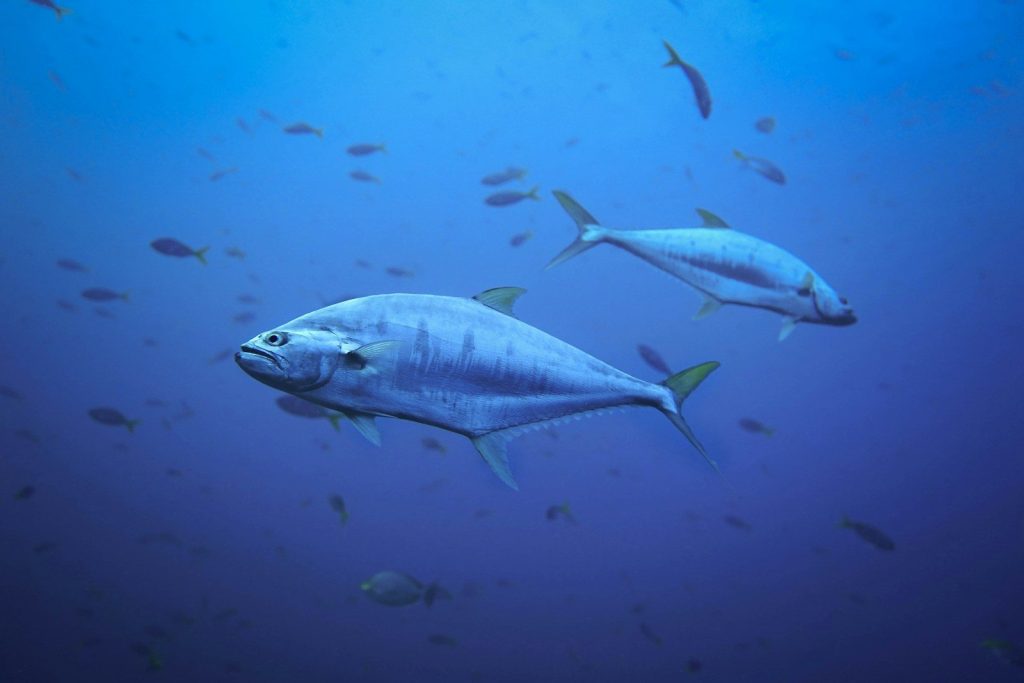
Only a tiny fraction of fish species can maintain body temperatures above the surrounding water. Great whites and tuna belong to this group, which uses internal heat to fuel powerful muscles.
This adaptation allows them to swim faster, dive deeper, and hunt in colder waters where most fish cannot survive. However, this advantage comes at a high energy cost.
Their Bodies Are Working Against Physics
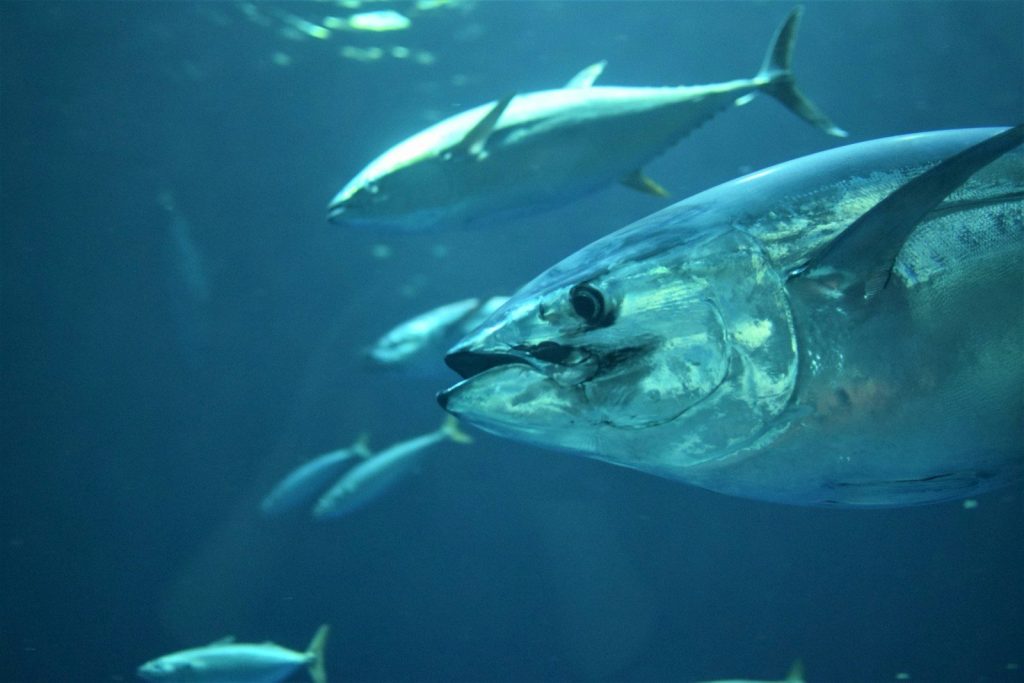
Researchers explain that these animals generate heat faster than they can release it into the ocean. As the water around them warms, it becomes harder for their bodies to cool down effectively.
Because heat loss depends on surface area, larger animals struggle the most. This means adult sharks and tuna are more vulnerable to overheating than younger, smaller individuals.
Warming Oceans Are Shrinking Their “Safe Zone”

As ocean temperatures rise, the thermal gap between the animals’ bodies and the surrounding water is shrinking. This reduces their ability to regulate internal temperature during long hunts or migrations.
Scientists warn that this could reduce their endurance and overall hunting efficiency. In extreme cases, it may even push them closer to physiological limits.
The Biggest Predators Face the Greatest Risk
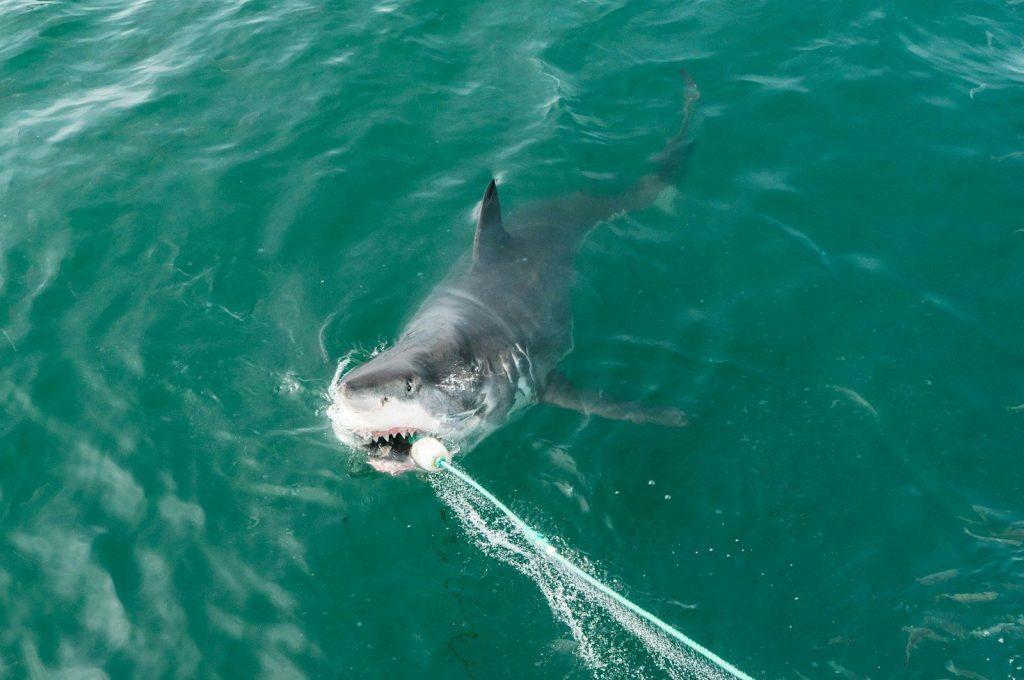
Large species like great white sharks, mako sharks, and bluefin tuna already face pressures from overfishing and bycatch. Many of these species are listed as endangered or vulnerable, making them especially at risk.
Now, warming oceans are adding a new layer of stress. The largest individuals, often the most important breeders, may be affected first.
Migration Patterns May Already Be Changing
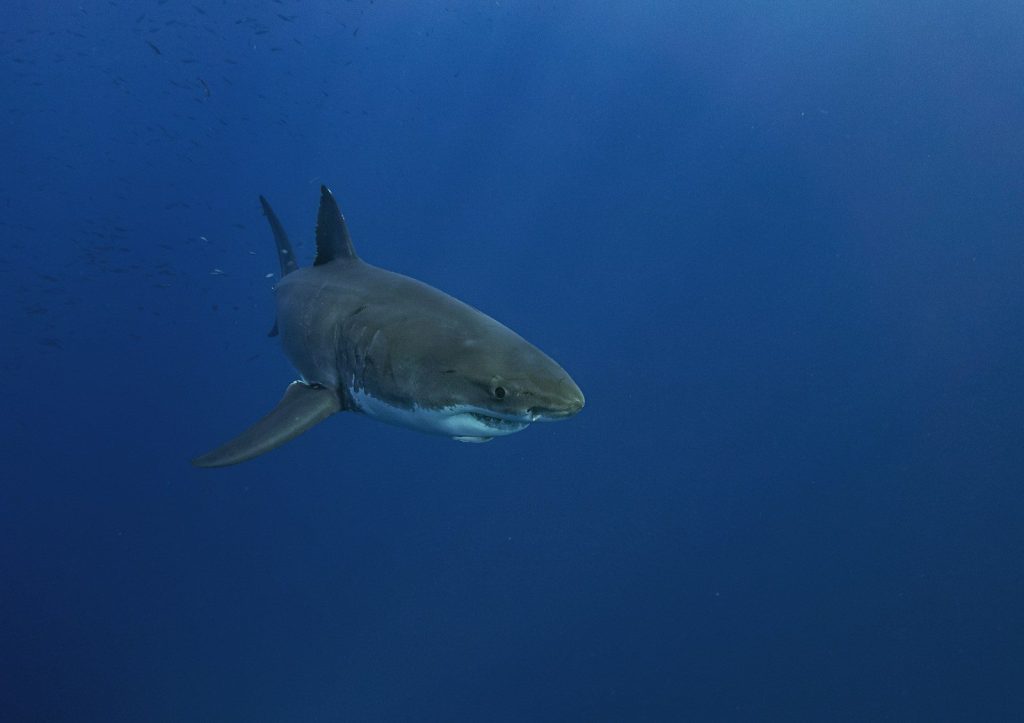
Some tracking studies suggest these predators are shifting their ranges toward cooler waters. Others are diving deeper or altering migration timing to avoid warmer regions.
However, scientists say it is still unclear whether these changes are directly caused by overheating or other factors like prey movement. More long-term data is needed to confirm the trend.
Why Large Size Becomes a Disadvantage
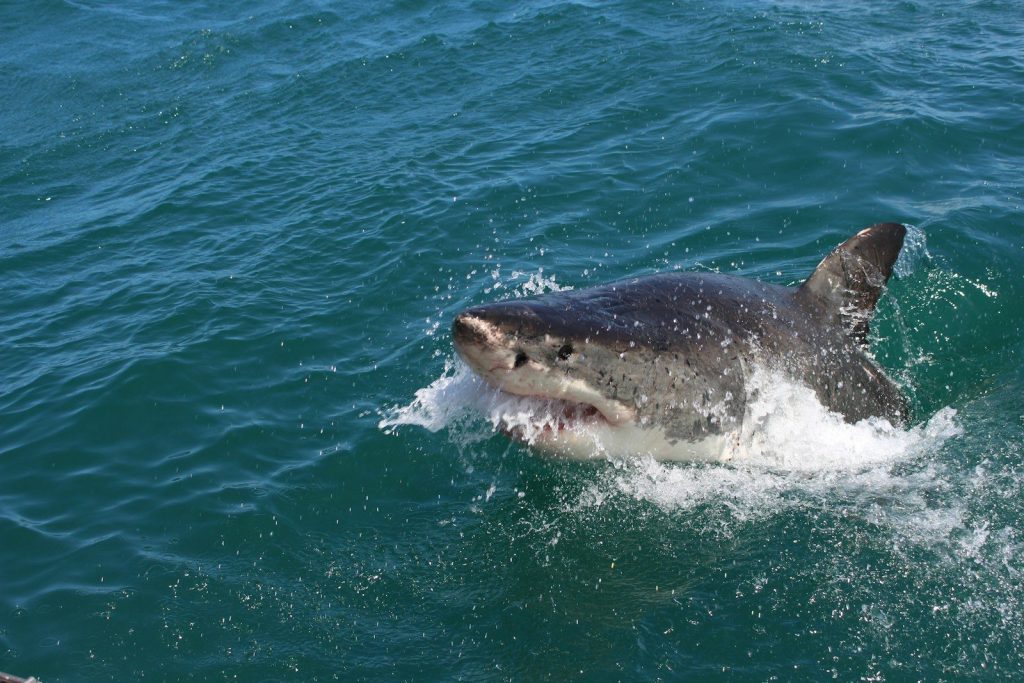
In biology, bigger animals usually store and generate more heat, but they also lose it more slowly. For warm-bodied fish, this creates a growing imbalance as oceans warm.
Researchers believe declines in large adults could be an early warning sign of population stress. Changes in average size or age structure may appear before total population declines are detected.
A Powerful Evolutionary Strategy Under Pressure

This heat-generating ability evolved to give sharks and tuna a hunting advantage in cold, open oceans. But that same system depends on stable environmental temperatures to function efficiently.
Scientists caution that climate change may be pushing this adaptation toward its limits. While some behavioral adjustment is possible, long-term survival will depend on how quickly ocean conditions continue to change.