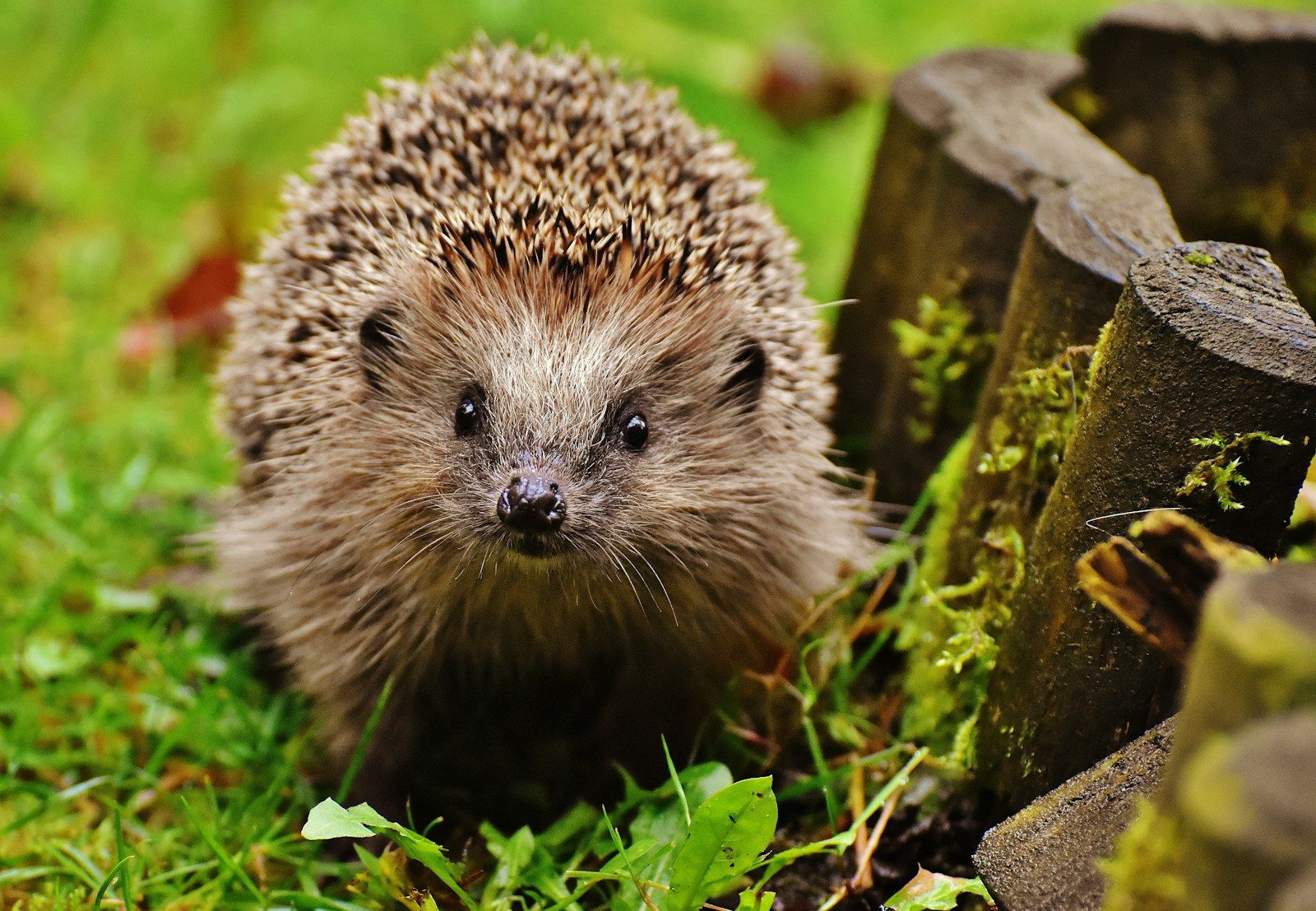
Britain’s beloved hedgehogs are disappearing at an alarming rate, but scientists are now turning to advanced technology in hopes of reversing the decline. Researchers at the University of Cambridge are using satellite imagery and artificial intelligence to map hedgehog habitats across the UK and better understand the challenges these tiny mammals face.
The ambitious project combines detailed space-based imagery with AI-powered analysis to reveal where hedgehogs still thrive, where habitats are vanishing, and how environmental changes may be blocking the animals from finding food, shelter, and mates. Conservationists believe the technology could become a major breakthrough in wildlife protection.
Hedgehog Populations Have Fallen Dramatically Across Britain

Hedgehog numbers in the UK have dropped sharply over the last few decades, particularly in rural areas. A 2022 report estimated that rural hedgehog populations may have declined by as much as 75 percent since the year 2000.
The western European hedgehog, Britain’s only native hedgehog species, is now classified as “Near Threatened.” Habitat loss, road traffic, pesticides, modern farming practices, and urban development are all believed to play major roles in the decline.
Scientists Are Using AI to Map Hedgehog Habitats

Researchers at the University of Cambridge developed an AI system called Tessera to analyze huge amounts of satellite data gathered from space. The system can identify hedgerows, grasslands, gardens, and other environments where hedgehogs are likely to live.
The maps created by Tessera are extremely detailed and can even detect changes in landscapes over time. Scientists say the technology helps them pinpoint areas where habitats are being fragmented or destroyed by construction and environmental changes.
Satellite Technology Reveals Hidden Wildlife Patterns

One major advantage of the system is its ability to analyze areas that may be difficult for humans to study on the ground. Even when cloud cover obscures satellite images, AI can predict what lies underneath based on surrounding environmental patterns.
This allows researchers to build a clearer national picture of hedgehog habitats across the UK. Experts hope the information will reveal migration routes, barriers between populations, and areas where conservation efforts are needed most urgently.
“Digi-Hogs” Are Helping Scientists Track Movements

In addition to satellite mapping, some hedgehogs are being fitted with tiny GPS trackers that monitor their movements in real time. Researchers jokingly refer to these tagged animals as “digi-hogs.”
The trackers help scientists understand how hedgehogs navigate roads, gardens, farmland, and urban environments. By combining tracking data with AI-generated habitat maps, researchers can study exactly how human activity affects the animals’ daily survival.
AI Conservation Projects Are Expanding Worldwide

The Tessera system was not designed only for hedgehogs. More than 100 research groups are reportedly using the open-source platform for conservation and environmental monitoring projects around the world.
Scientists are also using similar AI tools to monitor forests, track endangered species, study agricultural changes, and analyze ecosystems from space. Researchers believe artificial intelligence could dramatically improve how quickly conservationists identify threats to wildlife.
Some Experts Warn About AI’s Environmental Cost

Despite the excitement surrounding AI-powered conservation, some experts have raised concerns about the environmental impact of large computing systems. Training advanced AI models requires enormous amounts of electricity and computing power.
Researchers behind Tessera reportedly used around 20 petabytes of data — equivalent to billions of digital photos — to train the system. At one point, scientists even installed extra computer processors under their desks after reaching the limits of the university’s computing capacity.
Conservationists Hope Technology Can Help Reverse the Decline
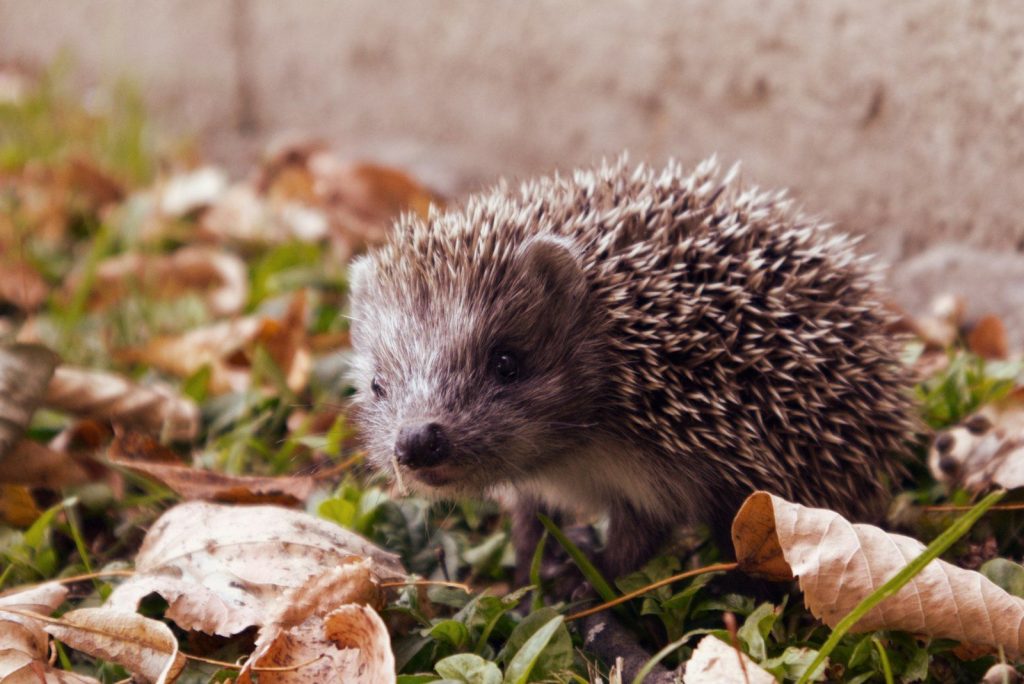
Wildlife experts remain hopeful that combining artificial intelligence with traditional conservation methods could help protect hedgehogs before their decline becomes irreversible. Better habitat mapping may allow governments and local communities to make smarter decisions about development and land management.
Researchers say the ultimate goal is not simply to track hedgehogs, but to understand exactly what the animals need to survive. By identifying safe movement corridors, food sources, and breeding areas, conservationists hope Britain’s iconic hedgehogs can once again begin to recover.