Commercial fishermen occasionally haul up unusual lobsters, but few discoveries compare to a recent catch off Cape Cod. The lobster appeared almost perfectly divided into two different color patterns, creating a striking half-and-half appearance that immediately caught attention. Instead of ending up on a dinner plate, the rare crustacean was donated to an aquarium, where researchers and visitors can learn more about one of nature’s most fascinating genetic surprises.
A Catch Unlike Anything Fishermen Expected
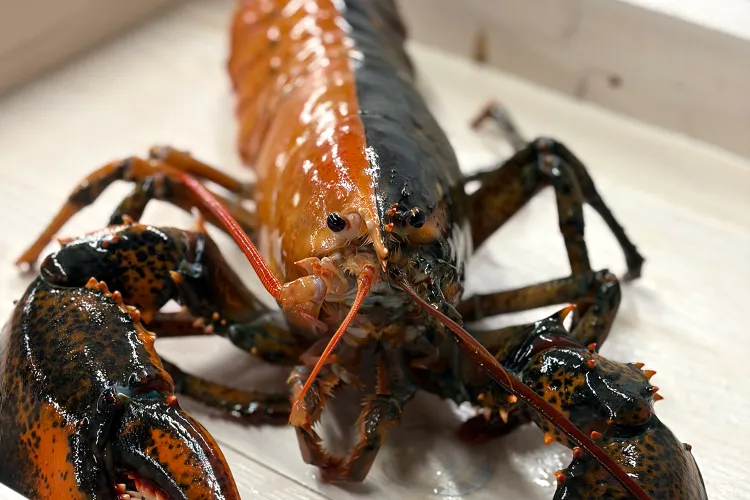
Lobsters with unusual colors are rare but not unheard of. Blue, orange, yellow, and albino lobsters have all been documented over the years. However, this Cape Cod specimen stood out because its body appeared split into two distinctly different color sections, making it one of the most unusual catches seen in recent memory.
What Causes a Lobster to Look Half and Half?
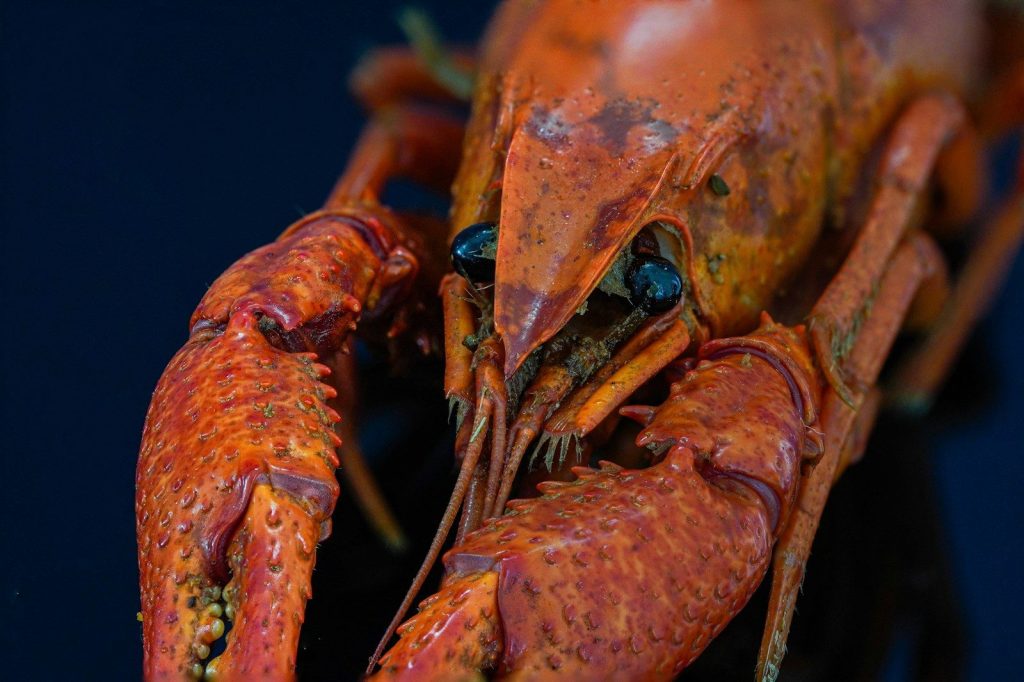
Scientists believe the lobster’s appearance may be linked to a rare developmental condition in which different groups of cells carry different genetic traits. This can create dramatic color divisions across the body, making the animal appear as though two separate lobsters were merged into one.
Lobsters Display More Color Variety Than Most People Realize
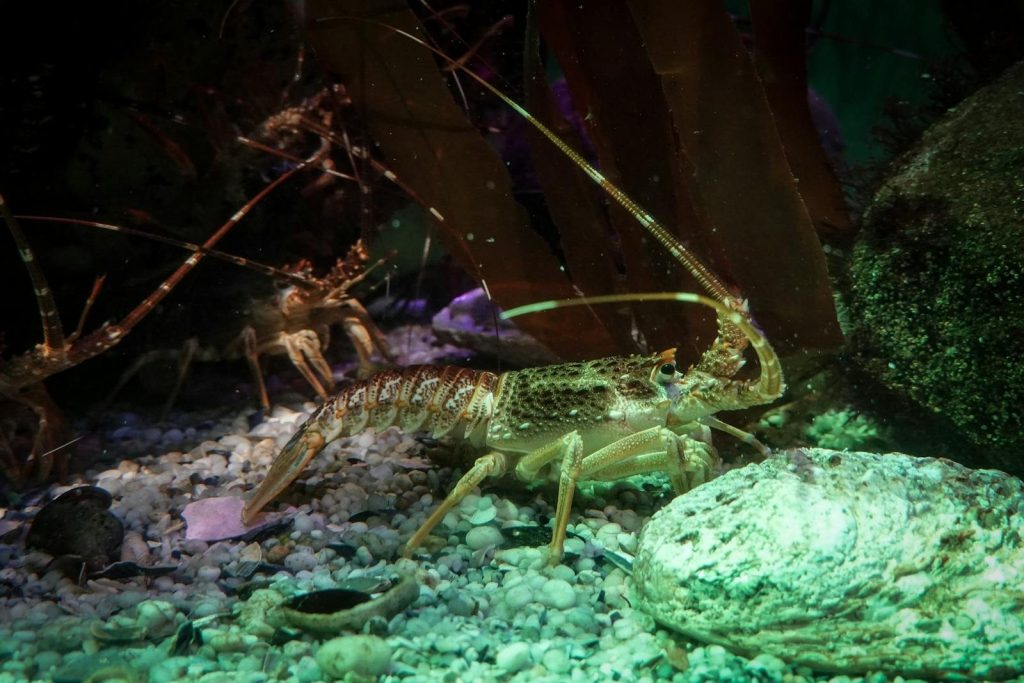
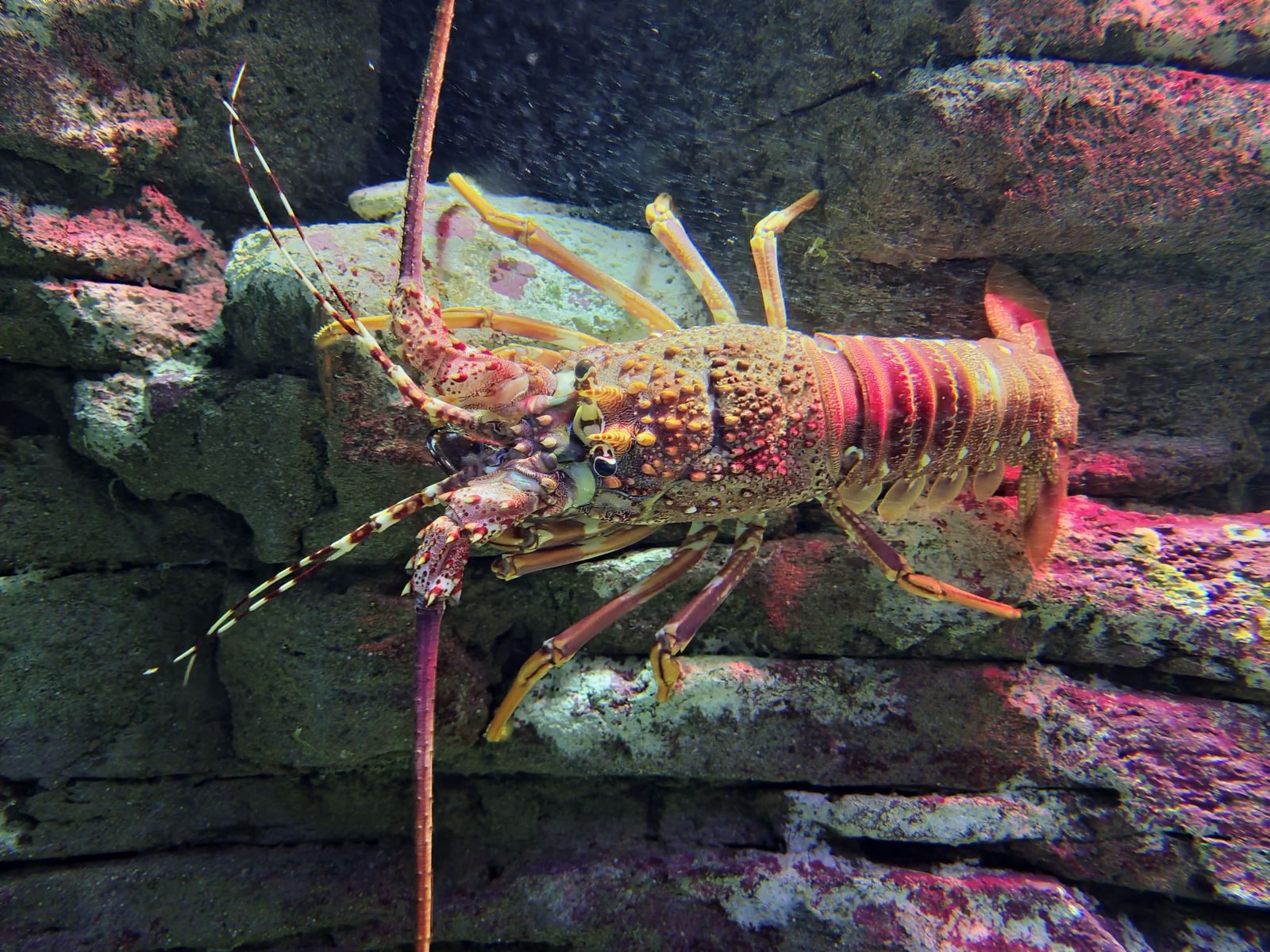
While wild American lobsters are usually dark greenish-brown to blend into the ocean floor, genetic variations can produce an incredible range of colors. Researchers have documented bright blue, orange, yellow, calico-patterned, and even nearly transparent lobsters. Each variation offers valuable insights into genetics and marine biology.
Unusual Colors Can Be a Survival Challenge
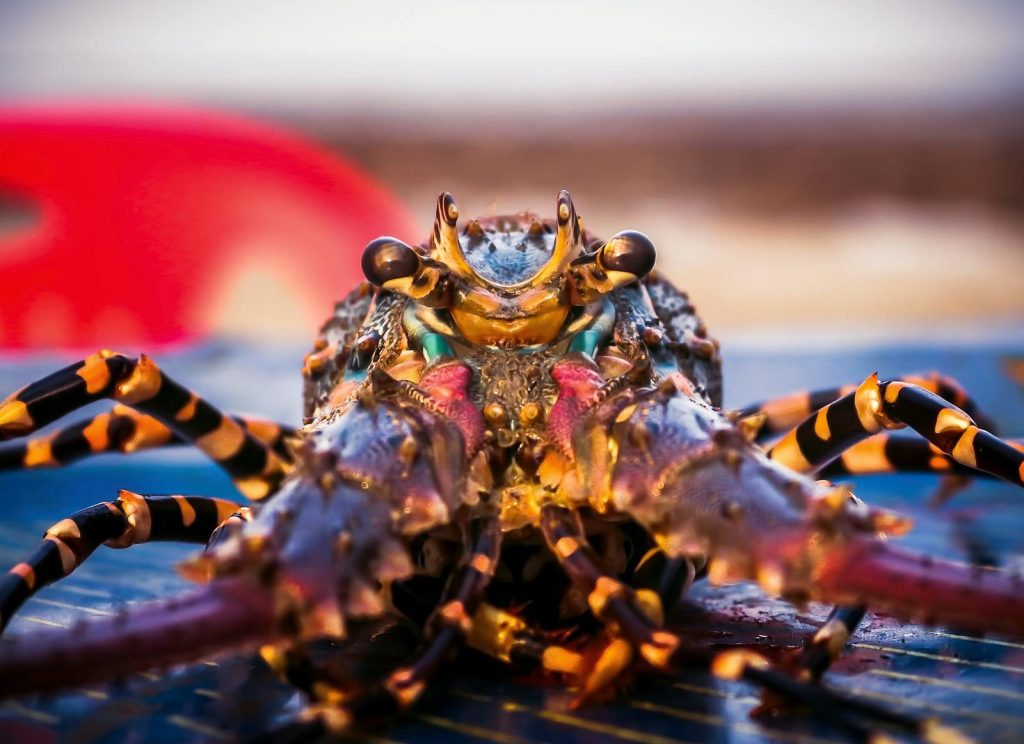
Although rare colors make lobsters fascinating to humans, they can create problems in the wild. Camouflage helps lobsters avoid predators, and animals with bright or unusual patterns may be easier to spot. The fact that some rare-colored lobsters survive long enough to reach adulthood makes their discovery even more remarkable.
Why Aquariums Protect Rare Lobsters
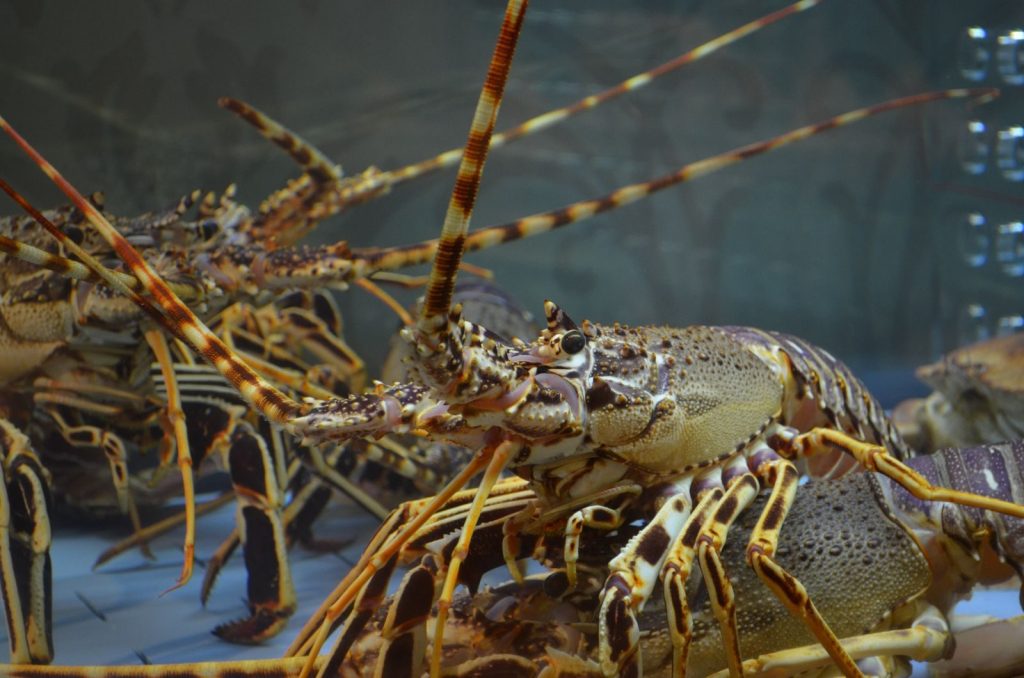
When exceptionally rare lobsters are found, they are often donated to aquariums instead of being sold for food. These facilities provide a safe environment where scientists can study the animals and the public can see examples of nature’s genetic diversity up close.