
North Carolina officials are urging residents to watch for nine-banded armadillos as the invasive mammals continue spreading into the state’s western mountains. While they may appear harmless, experts warn that their burrowing habits can damage landscapes, threaten native ecosystems, and create costly problems for homeowners.
Armadillos Reach the Mountains
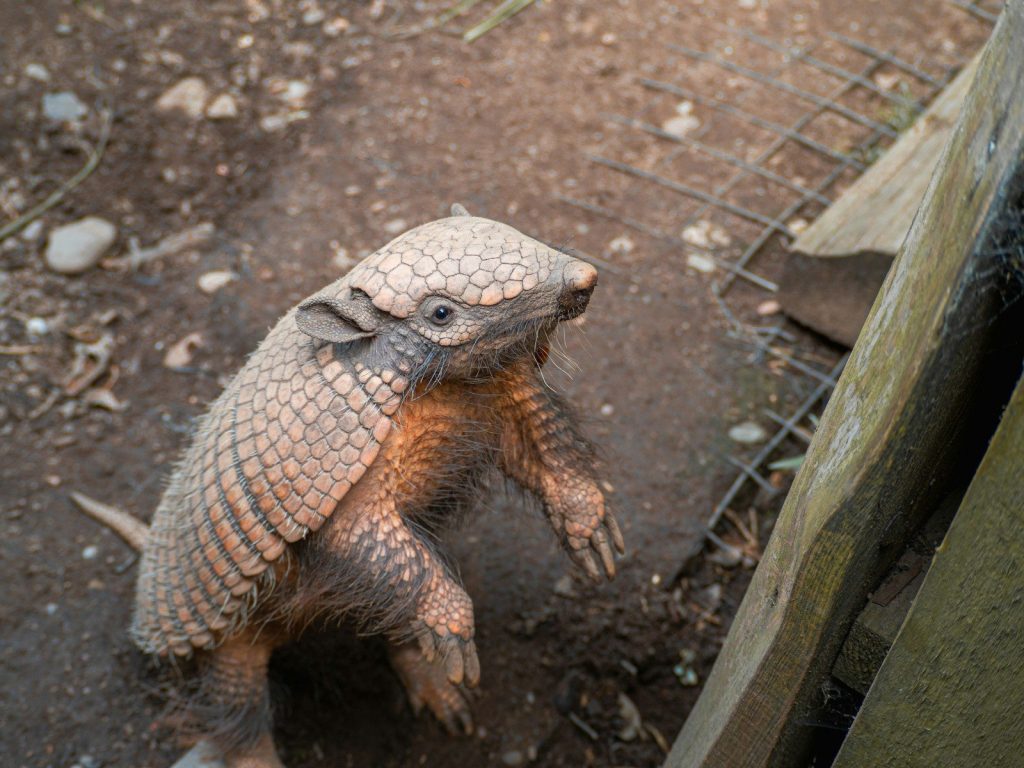
The North Carolina Cooperative Extension recently confirmed sightings of nine-banded armadillos in Henderson County near the state’s mountain region. Officials say the expanding population is raising concerns because the animals are entering environmentally sensitive areas.
Residents are encouraged to report any sightings while avoiding direct contact with the animals. Wildlife officials are monitoring their spread to better understand how quickly the population is expanding.
A Long Journey Across the United States
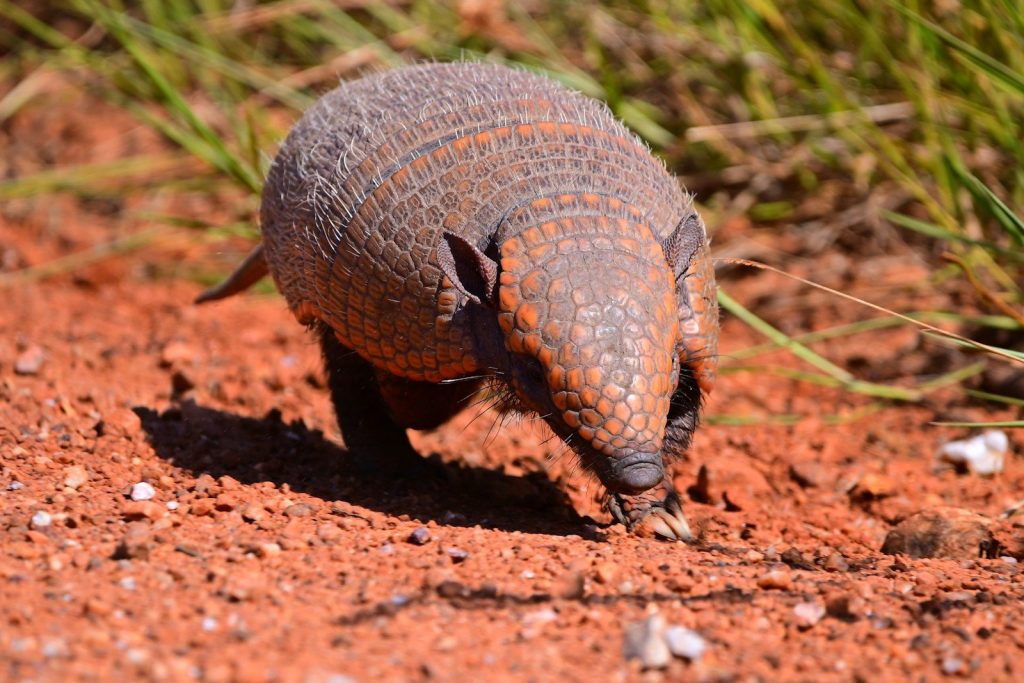
Nine-banded armadillos are native to South America but have steadily expanded their range across North America over the past 150 years. Their spread began in Texas during the 1800s before moving east and north through neighboring states.
North Carolina recorded its first confirmed armadillo sighting in 2007. Today, established populations exist in dozens of counties, with sightings reported across nearly the entire state.
Why They Are Considered a Problem

Armadillos constantly dig for insects, ants, grubs, and other invertebrates hidden beneath the soil. This feeding behavior leaves behind numerous holes that can damage lawns, gardens, landscaping, and even weaken driveways and building foundations.
Their burrows also disturb forest floors and native vegetation. Wildlife experts warn that growing armadillo populations could disrupt fragile habitats by altering soil conditions and feeding on the eggs of ground-nesting birds.
Concerns for Sensitive Mountain Ecosystems

Officials are particularly concerned about the state’s cove forests, which support a rich variety of plants and wildlife found in western North Carolina. These unique ecosystems already face pressure from development and invasive species.
Although armadillos have not yet caused significant ecological damage in these forests, experts believe increasing populations could threaten their long-term health if left unchecked.
Managing Their Spread
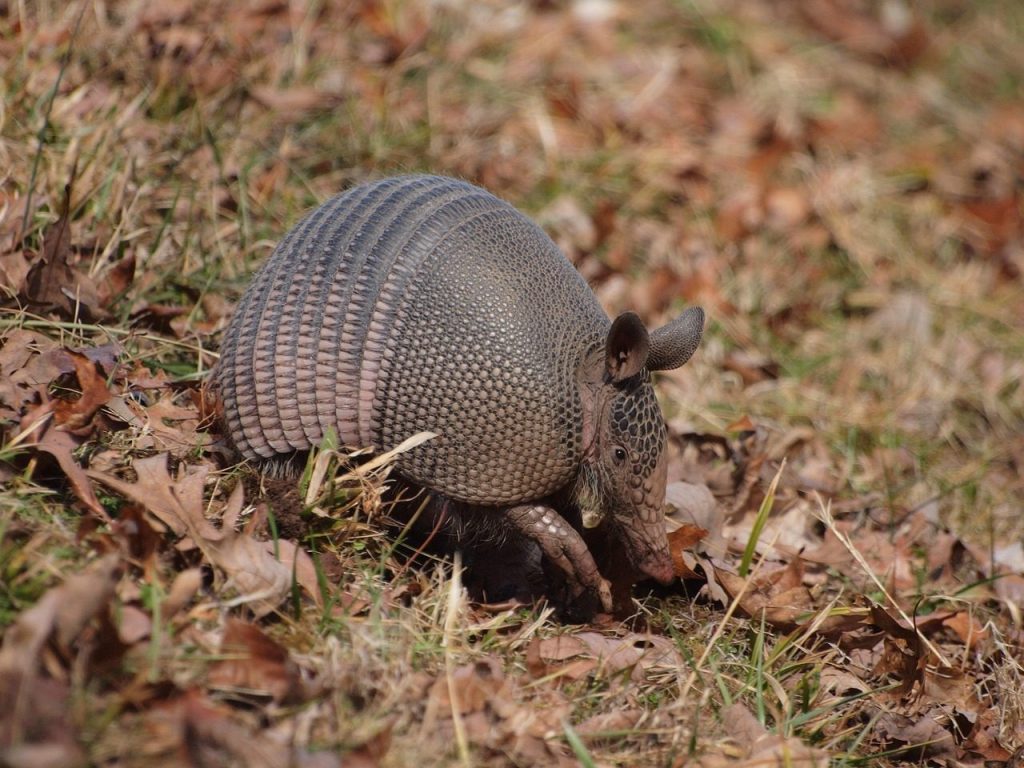
At present, North Carolina has no statewide program to control the spread of armadillos. Property owners are largely responsible for protecting their own land if the animals become a nuisance.
Experts recommend reducing insect populations around homes, installing barriers to discourage burrowing, and reporting sightings to wildlife authorities. Trapping is allowed only during certain months and has generally proven ineffective at controlling expanding populations.
A Growing Wildlife Challenge

Wildlife experts say the rapid spread of armadillos should not be underestimated. Similar population explosions have already occurred in neighboring states, where the animals established themselves within just a few decades.
Officials believe early reporting and public awareness will play an important role in tracking the invasion. As the animals continue moving into new areas, residents are encouraged to remain vigilant and take steps to make their properties less attractive to these persistent diggers.