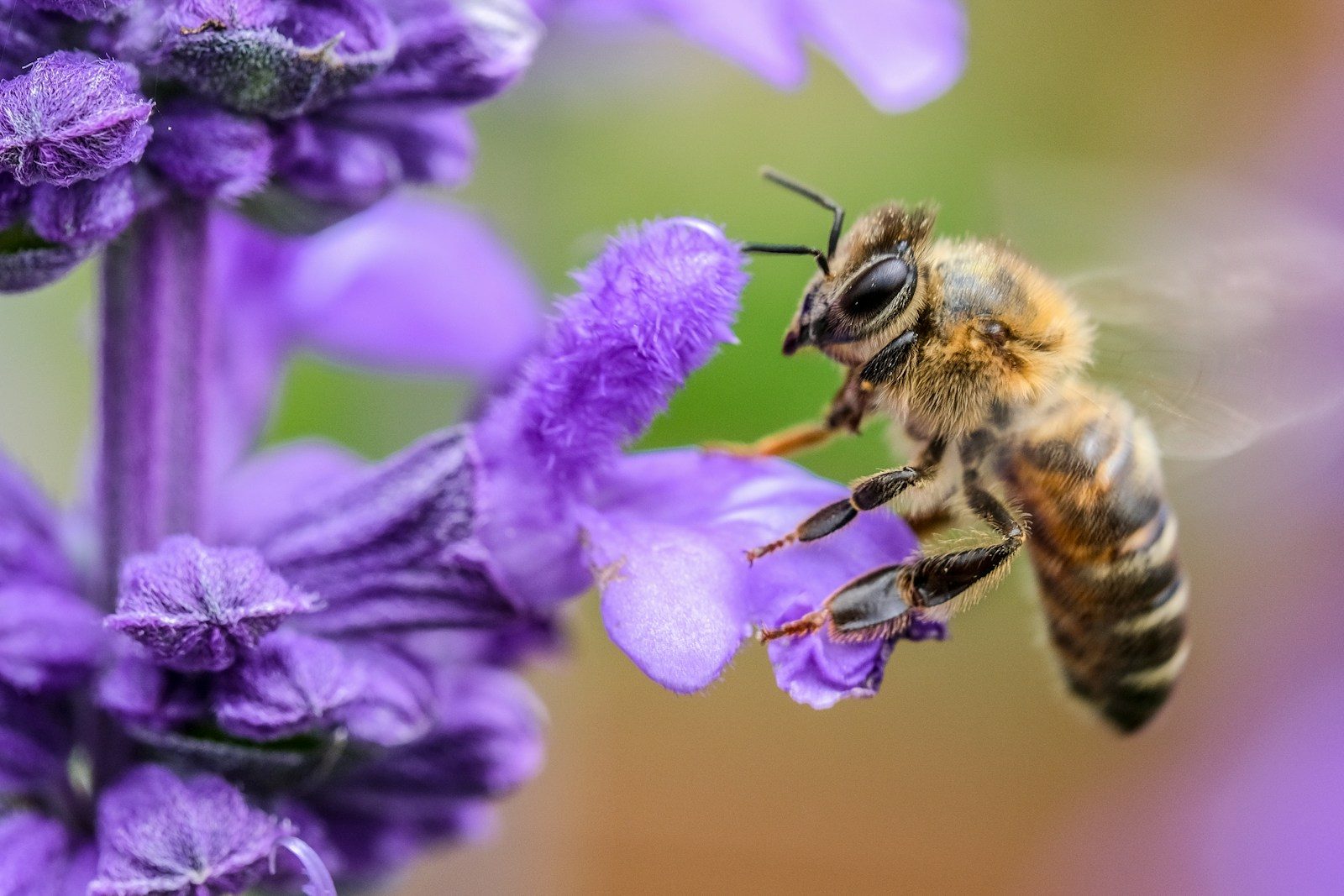
Attracting bees is not mainly about buying one famous “bee-friendly” flower. A useful pollinator garden supplies food across the growing season while also providing nesting habitat and reducing unnecessary pesticide exposure.
A small yard can contribute. University extension and pollinator-conservation guidance recommends diverse flowers, habitat features, and less intensive landscape maintenance rather than creating a perfectly tidy garden with nowhere for wild bees to live.
Native Flower Garden

Start with flowering plants suited to your region and growing conditions. Native plants can be particularly useful because local bees have long ecological relationships with regional vegetation, although well-chosen noninvasive garden plants can also provide nectar or pollen. The best planting list therefore depends on where you live rather than one universal collection of flowers. University of Minnesota Extension recommends choosing plants that provide both food and habitat, while Xerces emphasizes regional suitability and avoiding plants treated with harmful pesticide residues.
Spring to Fall Flowers

A garden becomes more useful when something is flowering across as much of the growing season as possible. Early-emerging bees need food before summer gardens reach their peak, while late-season species still require nectar and pollen after many familiar flowers have finished. University of Minnesota recommends a diverse range of flowers blooming from early spring through late fall. Instead of planting one huge patch that blooms for three weeks, combine species with overlapping flowering periods so food availability changes gradually rather than disappearing at once.
Different Flower Shapes

Bee species differ enormously in body size, tongue length, and the flowers they can use efficiently. A garden containing varied flower shapes and sizes can therefore serve more species than one dominated by a single ornamental form. Wisconsin Extension recommends combining different colors, sizes, and shapes and cautions that heavily doubled flowers may hide or lack accessible nectar and pollen. Simple open flowers, clustered blossoms, tubular flowers, shrubs, herbs, and flowering trees can together create more feeding opportunities for a diverse pollinator community.
Bare Ground for Bees

Flowers provide food, but many native bees also need somewhere to raise their young. Xerces estimates that about 70% of native bee species nest in the ground. Thick mulch, landscaping fabric, pavement, and constant soil disturbance can remove suitable nesting opportunities. Leaving small areas of well-drained, undisturbed bare or lightly vegetated soil can therefore be useful. This does not require turning an entire yard into exposed dirt. Even modest patches in sunny, low-traffic locations may provide habitat for solitary ground-nesting bees.
Hollow Stems and Wood
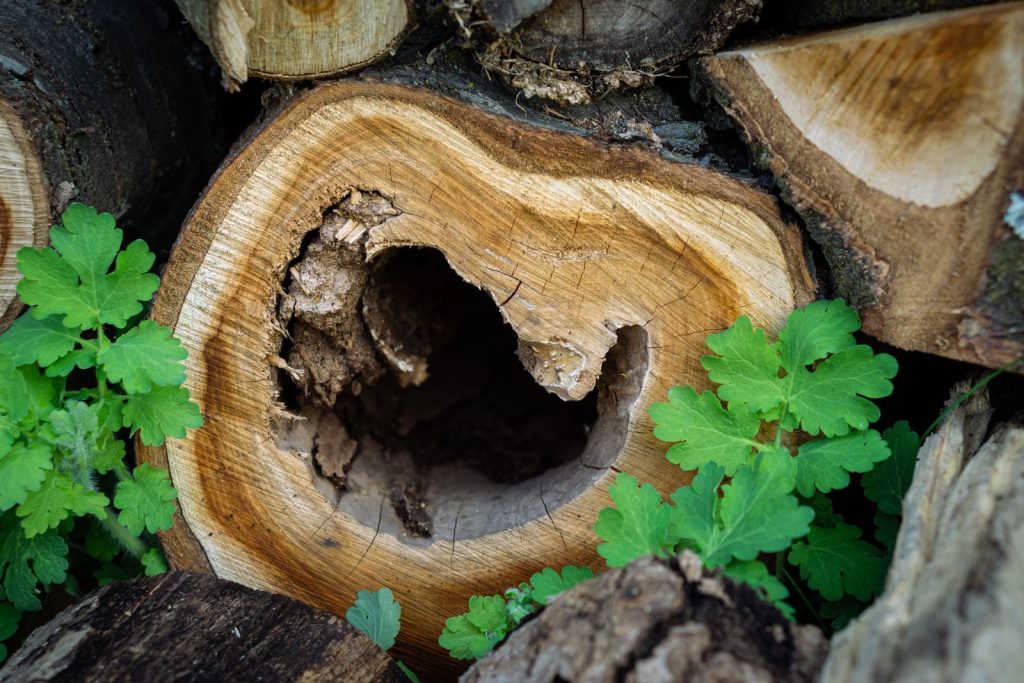
Other solitary bees nest above ground in hollow stems, holes in dead wood, or existing cavities. A garden stripped of every dead stem and branch can remove those nesting resources even while providing plenty of flowers. University of Minnesota describes standing stems and deadwood as important bee habitat, while Xerces recommends retaining suitable stems, logs, and other natural nesting features. Leaving selected stems standing through winter and maintaining small areas of natural woody material can provide nesting or overwintering space without requiring a large artificial “bee hotel.”
Reduce Pesticide Use

A pollinator garden loses much of its value if visiting insects are repeatedly exposed to unnecessary pesticide applications. University of Minnesota recommends landscape practices that reduce pesticide needs, while USDA advises the public not to use pesticides indiscriminately around honey bees. Pest problems should be identified correctly before treatment because many insects found on flowers are harmless or beneficial. When control genuinely becomes necessary, follow the product label and use the most targeted approach available rather than routinely spraying flowering plants visited by bees.
Bee Lawn
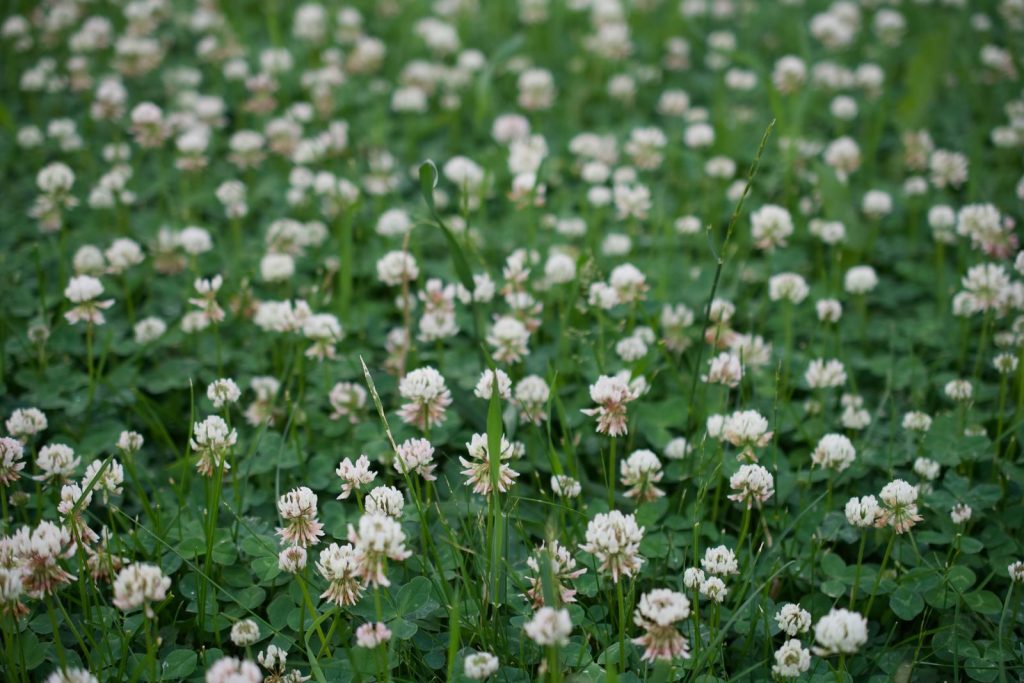
Not every yard needs to become a tall wildflower meadow. University of Minnesota has developed “bee lawn” approaches that mix low-growing flowers with turfgrasses so the space can remain usable while providing nectar and pollen. Its research has found bee lawns can attract dozens of native bee species under suitable conditions. This option can work especially well where homeowners want open lawn space but can tolerate flowering plants such as self-heal or suitable clovers. Plant choices should still be matched to regional climate and local invasive-species guidance.
Why Bee Gardens Matter

Pollinators move pollen between flowers, allowing many plants to produce seeds and fruits. That process supports both human food systems and the reproduction of wild plants that feed and shelter other animals. University of Minnesota describes pollinator health as important to food production and global biodiversity. One suburban flower bed will not solve every threat facing bees, but gardens collectively can add feeding and nesting habitat across developed landscapes. The most useful yards behave less like decorative feeding stations and more like small, functioning patches of habitat.
Featured Image: Photo by Roberto Lopez on Unsplash