A jaguar carrying an anaconda sounds like an exaggerated predator story, but jaguar predation on anacondas is scientifically documented. Researchers have reported consumed anacondas in Peru and Brazil, and camera traps have recorded a jaguar dragging a freshly killed yellow anaconda through the Pantanal. These encounters are real, although they appear to be uncommon. That makes careful context essential when a new clip appears online.
The exact viral clip behind the supplied title cannot be authenticated confidently from reposts alone, so this slideshow focuses on documented jaguar-anaconda interactions. That distinction matters because both animals are powerful predators, and dramatic captions often turn rare encounters into claims about routine behavior. The evidence instead shows opportunistic predation within overlapping South American habitats rather than a simple rivalry.
Jaguar Predation
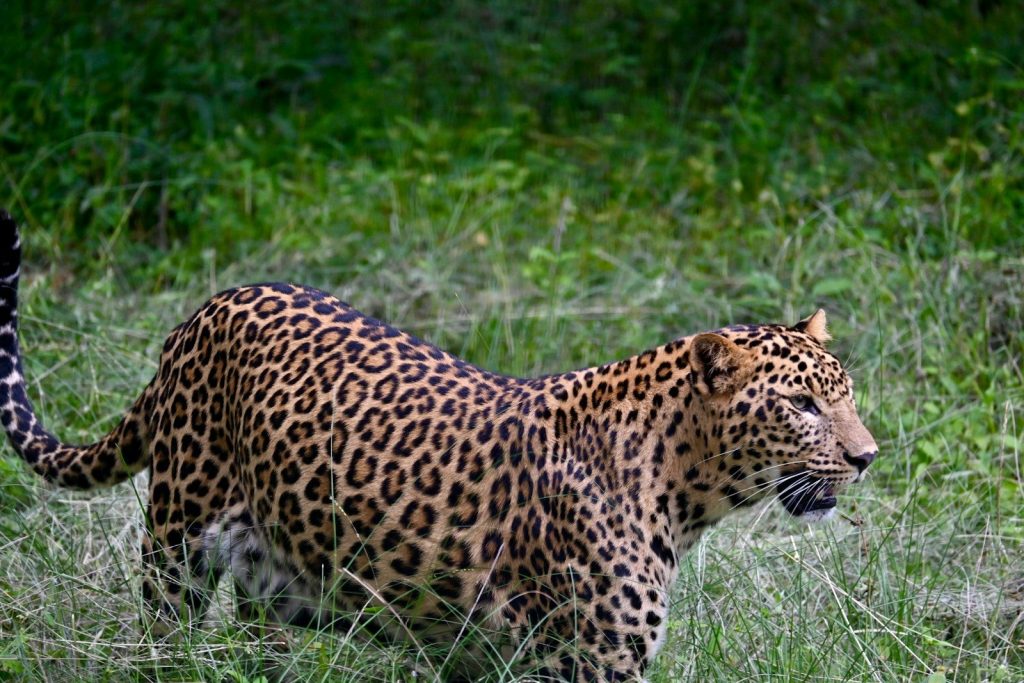
Jaguars are broad-diet predators capable of taking mammals, reptiles, birds, and other prey. Research from the Pantanal has documented extensive use of aquatic and semi-aquatic prey, including caimans. Their stocky bodies and powerful jaws allow them to tackle animals protected by thick hides, shells, or heavy musculature. That does not mean jaguars specialize on anacondas. Studies of jaguar diet show that prey choice varies by region and availability, with large mammals and crocodilians often appearing far more frequently than giant snakes.
Anaconda Ecology

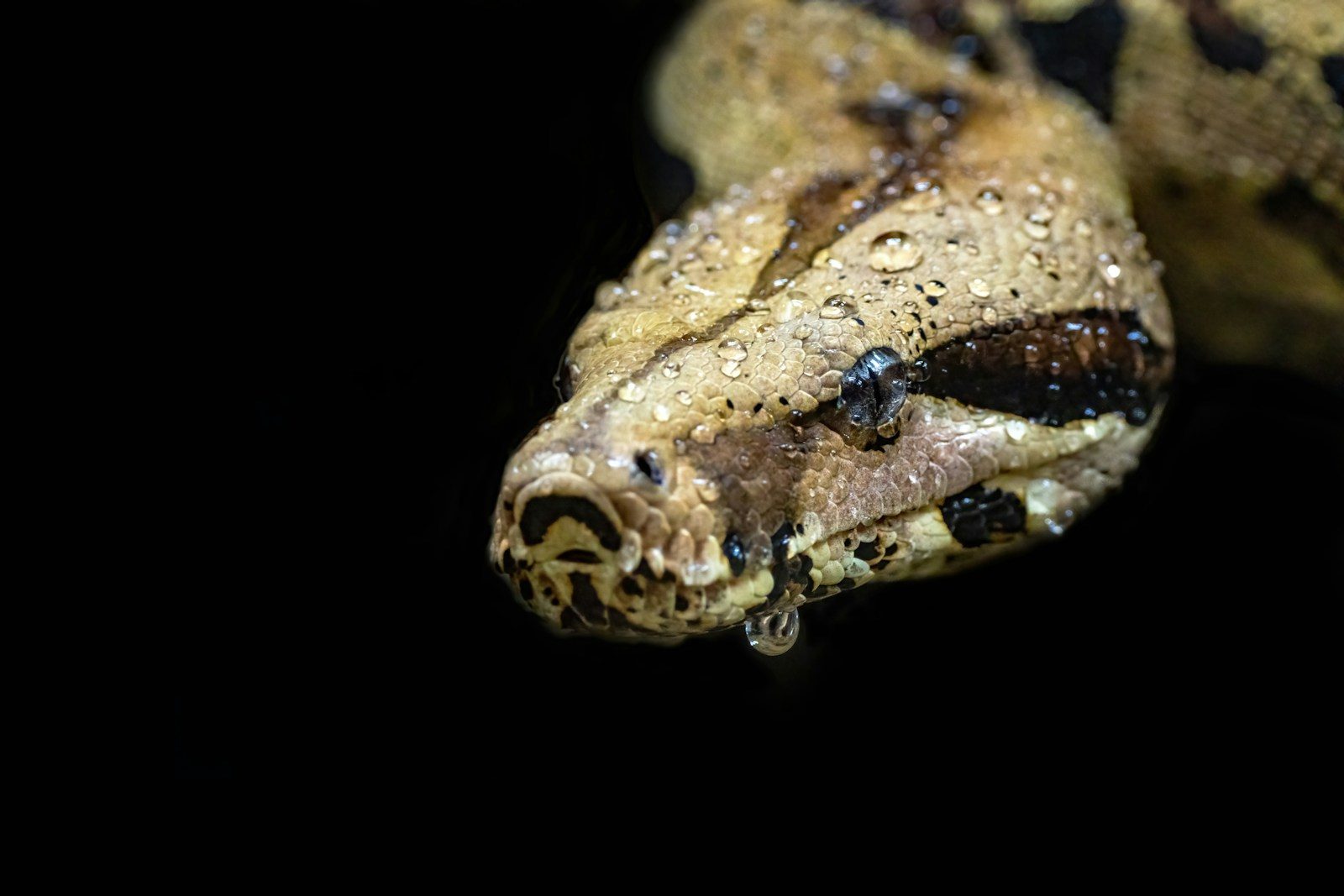
Anacondas are formidable predators in their own right. Green and yellow anacondas are large constricting snakes associated strongly with wetlands, rivers, marshes, and flooded habitats in South America. They ambush prey and use muscular coils to restrain it. Jaguars and anacondas therefore overlap not only geographically but also around aquatic hunting areas. That overlap creates opportunities for competition, avoidance, and occasional predation between the two. Researchers emphasize that direct interactions are rarely documented, so each well-supported observation adds useful behavioral information.
Pantanal Footage
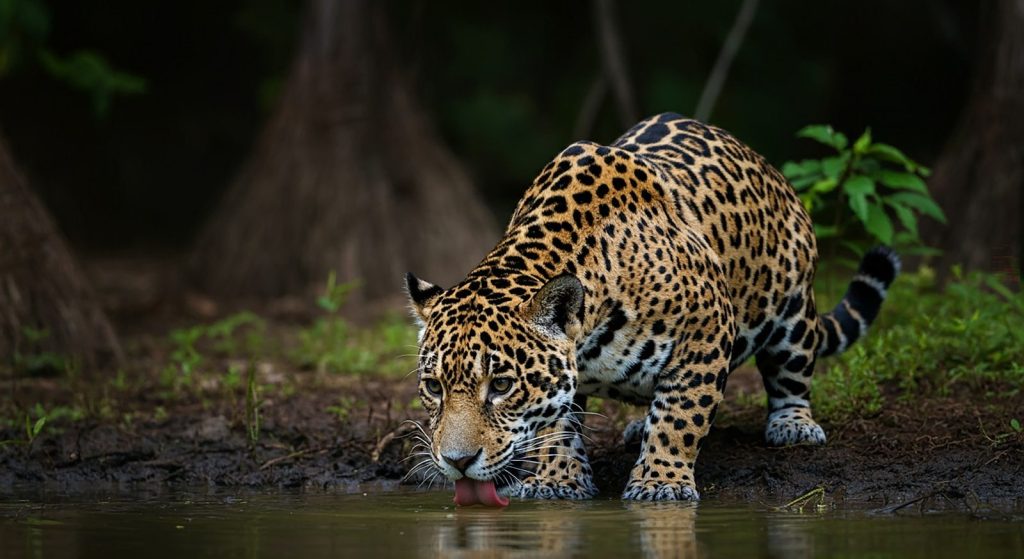
A 2019 report in Cat News reviewed jaguar consumption of anacondas and described several documented encounters. One especially clear record came from camera traps at Pantanal Jaguar Camp in Brazil. At 2:39 a.m. on March 29, 2018, footage recorded a jaguar dragging a freshly killed yellow anaconda across the forest floor. That observation is important because it moves the behavior beyond anecdote. It provides direct evidence that a jaguar can kill and transport an anaconda under natural conditions in the Pantanal.
River Encounter
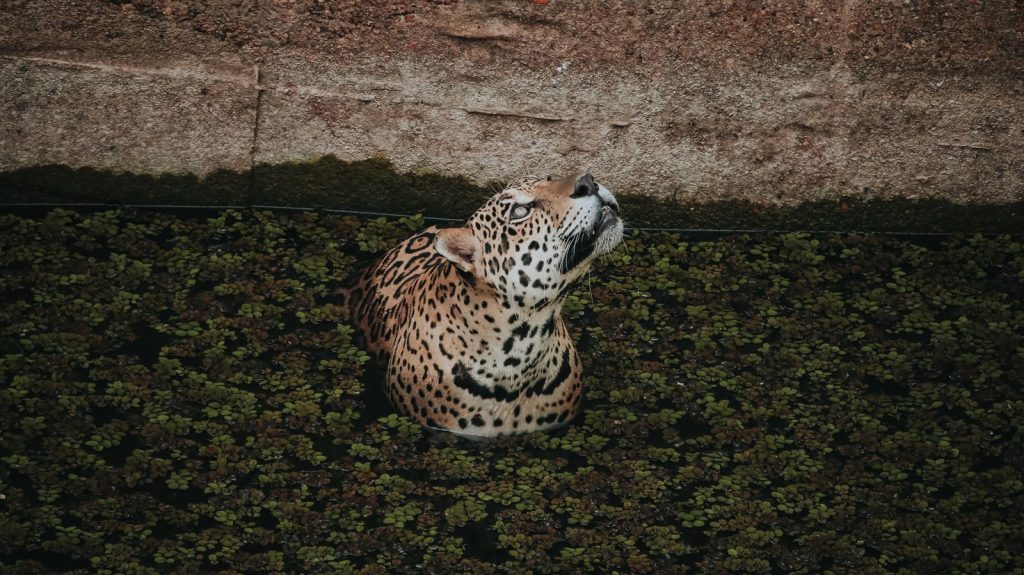
Another documented encounter occurred on September 9, 2018, along the Rio Três Irmãos near Porto Jofre, Brazil. Researchers reported an adult female jaguar called Capi carrying an approximately 2.2-meter yellow anaconda while her five-month-old female cub followed. When the mother entered the river, the cub grabbed the snake’s head and tried to take it. The pair continued across the water while struggling over the carcass, giving observers a rare look at a jaguar family interacting with unusual reptile prey together.
Young Jaguar
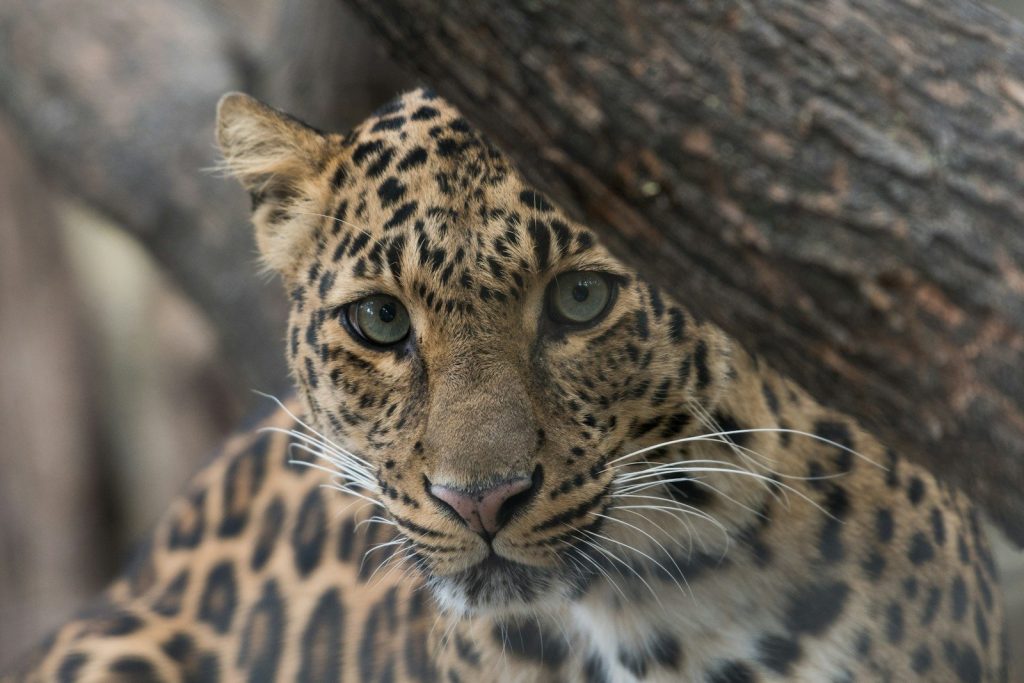
The mother-and-cub observation may also offer clues about how young jaguars become familiar with prey. The Cat News authors noted that many predatory behaviors are learned before young carnivores disperse, making the interaction potentially relevant to prey familiarization. They did not claim the mother was deliberately giving a formal hunting lesson, and that distinction is important. The cub’s repeated attempts to seize the anaconda are observable; describing the mother’s exact intention would go beyond what researchers could confirm from the event.
Green Anaconda

Evidence from Peru adds another piece to the picture. Researchers described the carcass of a green anaconda more than 5.2 meters long at Los Amigos Biological Station in Madre de Dios. The snake had been consumed, and signs around the carcass were consistent with jaguar feeding, although decomposition prevented researchers from proving that the jaguar itself killed the anaconda. That careful conclusion shows why wildlife reports separate evidence of consumption from evidence of the kill when the actual attack was not observed.
Reptile Diet
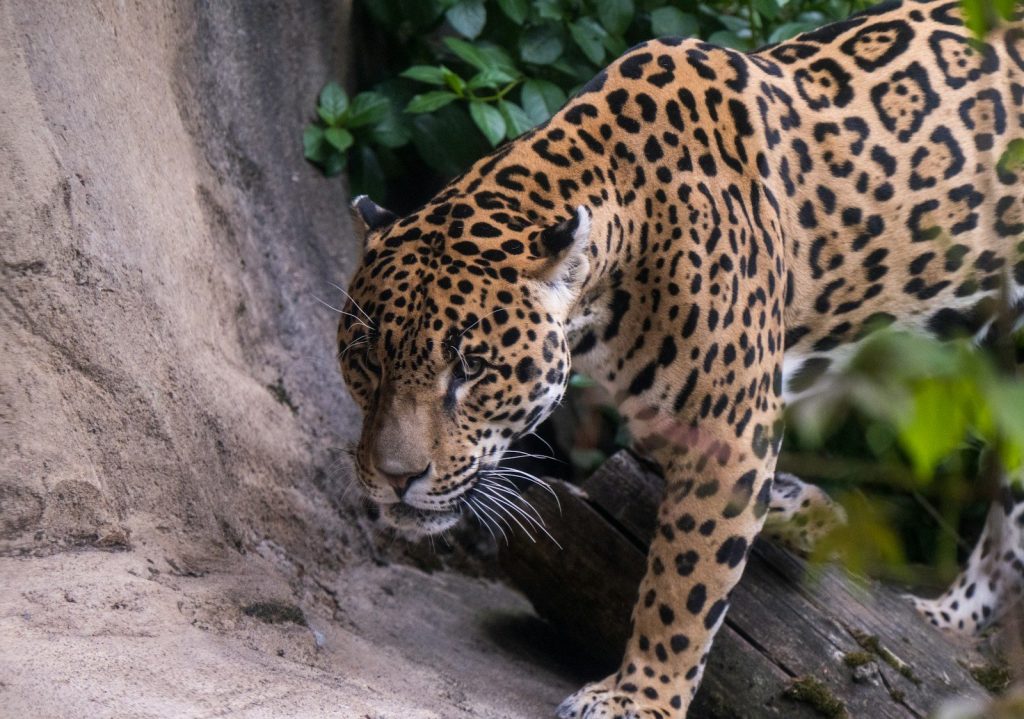
Reptiles are a genuine part of the jaguar diet in some regions. The Cat News review cited earlier work showing reptile prey among documented jaguar food items, with crocodilians making up a substantial share of identified reptiles. Pantanal studies have also recorded jaguars killing caimans. This flexibility helps explain why an anaconda may occasionally become prey when the opportunity arises. Still, the rarity of direct jaguar-anaconda observations suggests that snake hunting should not be presented as an everyday or defining feature of jaguar behavior.
Rare Encounters

The most accurate takeaway is more interesting than a simple “who would win” story. Jaguars and anacondas are both top predators that share wetlands and sometimes pursue overlapping prey. On rare documented occasions, jaguars have killed or consumed anacondas, including yellow anacondas in Brazil and a green anaconda in Peru. Other interactions may never be seen. Scientists still have limited data on how often these encounters occur, which means a dramatic clip should be treated as an unusual observation rather than a universal rule.
Featured Image: Photo by Hunter Masters on Unsplash