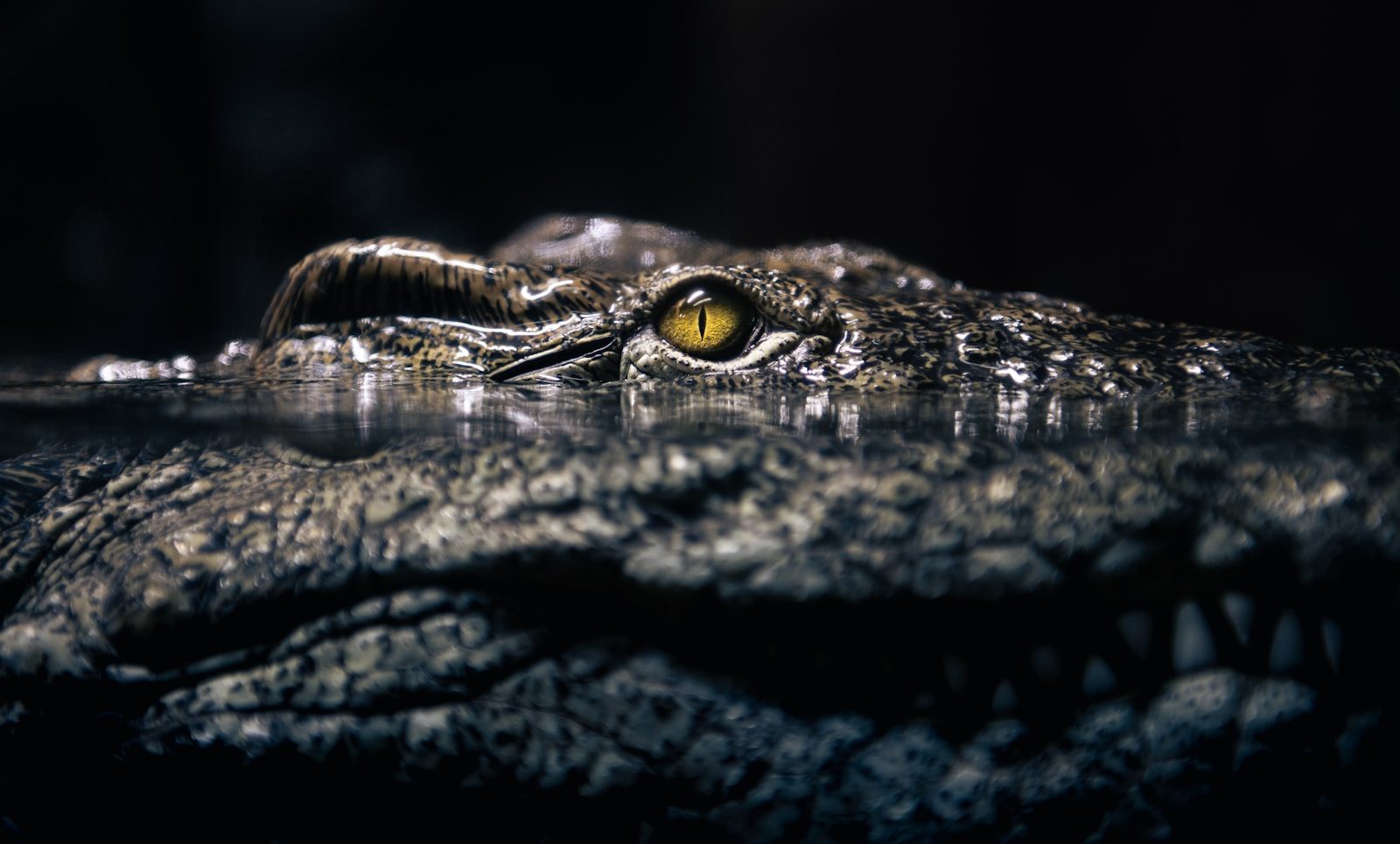
A disturbing video listing online claims to show a crocodile consuming a man in Malaysia while bystanders watched. The premise is serious, but the available listing does not provide enough independently verifiable information to confirm the victim, exact location, date, crocodile species, or complete outcome. Those missing details make the original headline too certain. The behavior shown may be real, but the backstory still requires independent evidence before publication as fact.
What can be verified is the broader danger. Large crocodilians can attack and kill people, particularly where humans enter waterways used by saltwater, Nile, or mugger crocodiles. Research shows that drowning is a major cause of death in saltwater crocodile attacks. The safest article therefore separates an unverified viral caption from well-documented crocodile behavior and risk. That distinction keeps the danger clear without inventing details.
Viral Clip

A Newsflare page exists under the title “Crocodile ate a Man somewhere in Malaysia,” but the accessible listing does not provide enough detail to authenticate the event fully. It does not establish a named victim, exact river, date, crocodile species, or official investigation in the material available for verification. That matters because dramatic wildlife clips are frequently reposted without their original context. The responsible approach is to describe the footage claim as unverified rather than converting a sparse caption into a confirmed fatal-attack narrative.
Missing Context
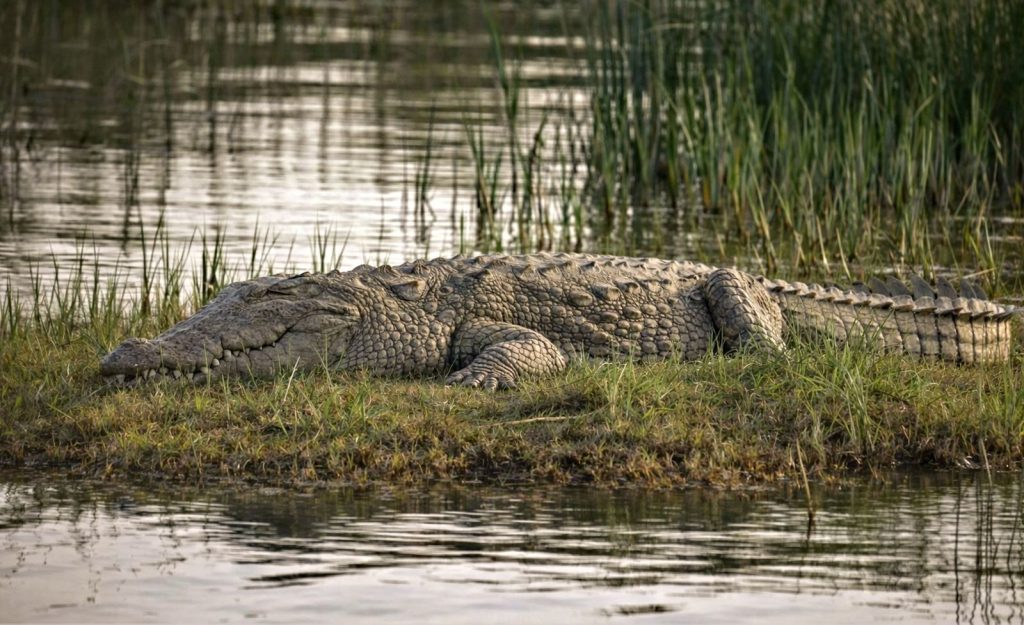
The claim that “people just watched” also needs context that the available material does not supply. A video can show bystanders standing nearby without revealing whether anyone had already called authorities, whether intervention was physically possible, or whether entering the water would have created additional victims. Large crocodiles are exceptionally dangerous at close range. Without verified reporting from witnesses or responders, assigning motives such as indifference or cowardice to people in a clip would be speculation rather than factual wildlife journalism.
Crocodile Species

Malaysia lies within the range of saltwater crocodiles, one of the crocodilian species most often associated with severe attacks on people. However, a country-level location does not prove which species appears in an unidentified video. The IUCN Crocodile Specialist Group notes that several crocodilian species can injure humans, while a smaller set accounts for most regularly reported attacks. Species identification matters because body size, habitat, behavior, and documented risk differ considerably across crocodiles, alligators, caimans, and gharial relatives in the wild.
Ambush Hunting
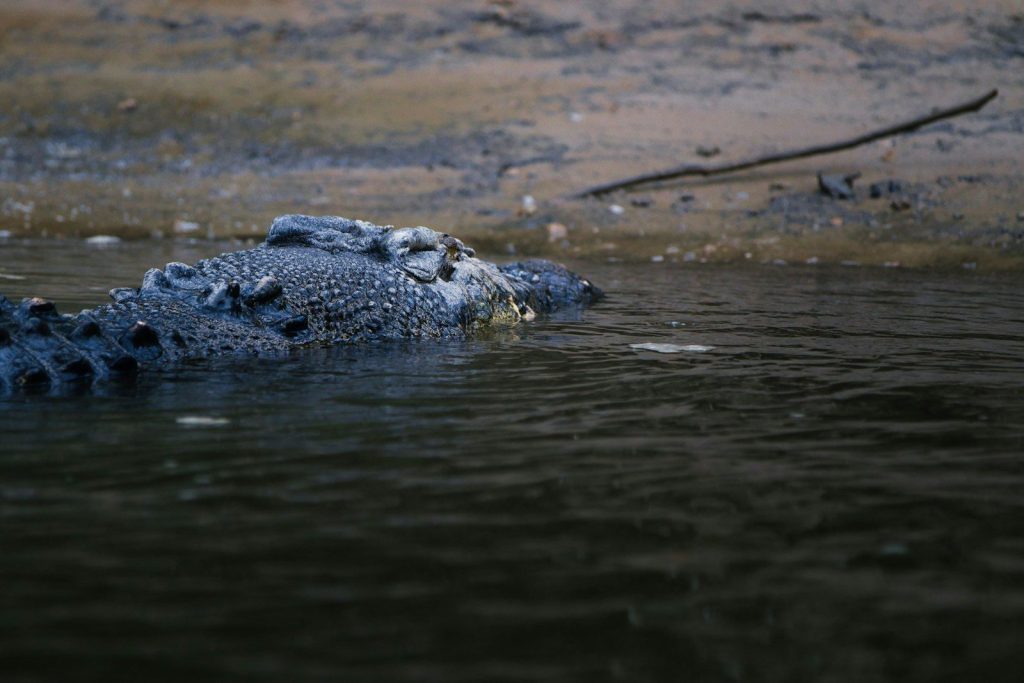
Large crocodilians are ambush predators. They can remain mostly submerged with only the eyes, ears, and nostrils above water, making even a large animal difficult to notice. The IUCN Crocodile Specialist Group warns that crocodilians often hunt around the water’s edge and can move quickly over short distances. This helps explain why dangerous encounters may begin suddenly. It does not mean every crocodile near a person is preparing to attack, but it does make casual approaches to occupied waterways an unnecessary risk.
Drowning Risk

Research on saltwater crocodile attacks in Australia found that drowning is a major cause of death and that survival falls sharply as attacking crocodiles become larger. A big crocodile can seize a person and move them into deeper water, where escape becomes far harder. That mechanism is more informative than sensational language about being “eaten alive.” Fatal attacks may involve trauma, drowning, feeding, or a combination of events, and a short viral video rarely provides enough evidence to reconstruct the exact medical sequence.
Attack Records
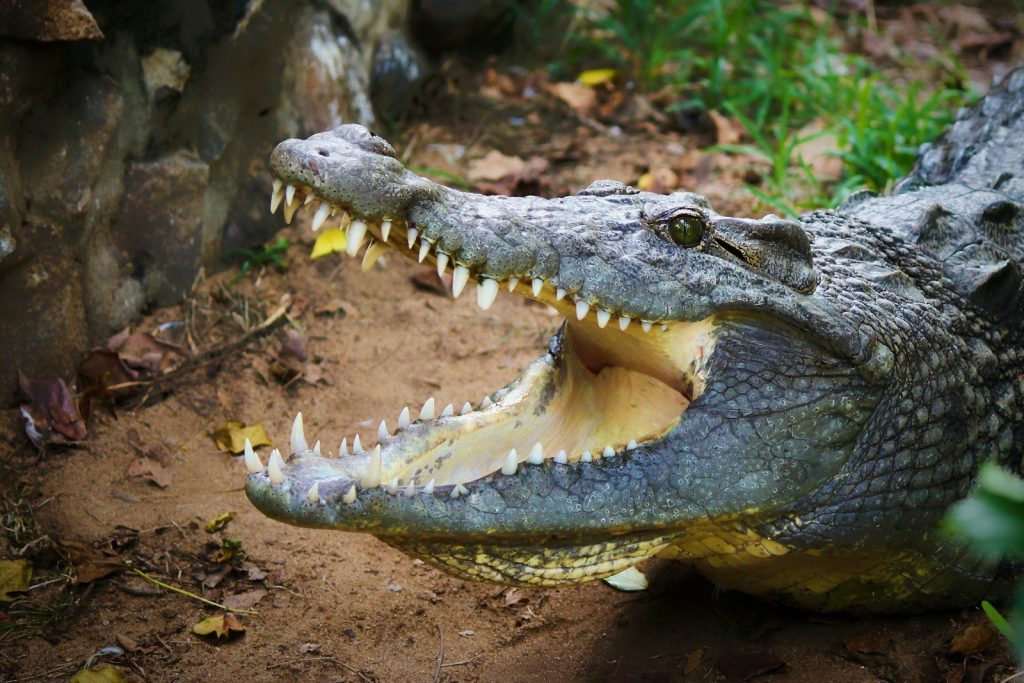
Attack records also need careful interpretation. The IUCN Crocodile Specialist Group notes that reporting is incomplete in many remote regions, while fatal incidents are more likely to be recorded than nonfatal ones. Its database shows that saltwater and Nile crocodiles account for large numbers of documented attacks, but local exposure changes risk enormously. Someone living or working beside crocodile habitat faces a very different situation from a person visiting a controlled area far from wild crocodilian waterways in daily life.
Swimming Safety
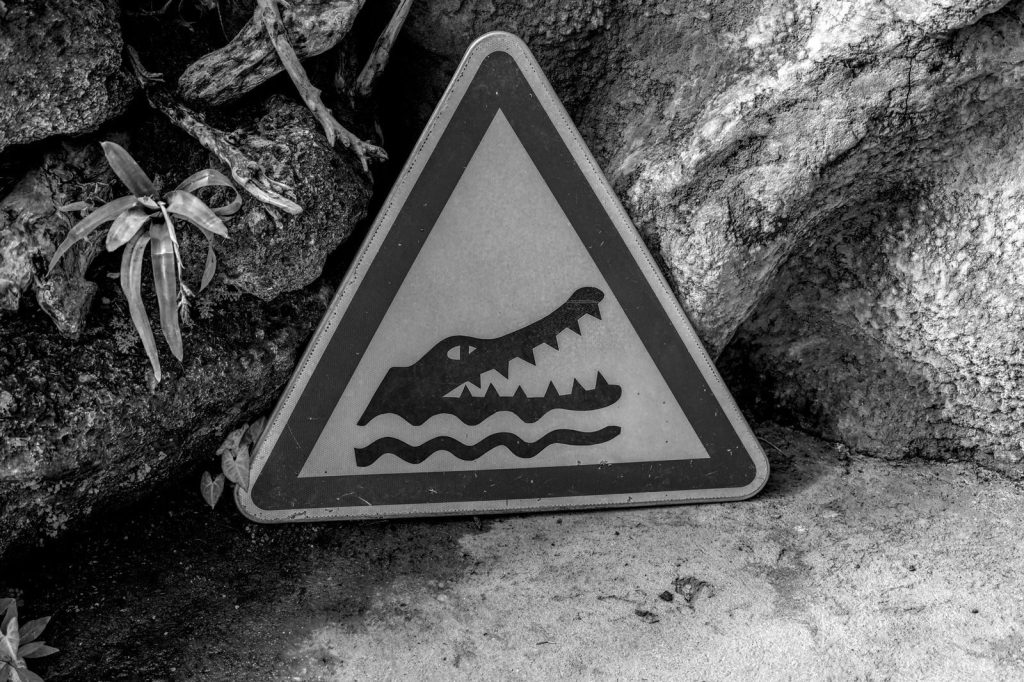
The Northern Territory Government advises people to assume waterways within saltwater crocodile range are unsafe for swimming unless they are specifically designated otherwise. Its current guidance says most fatal crocodile attacks in the territory during the past 20 years occurred when people entered water outside designated swimming areas. Crocodiles are present year-round, even when activity changes seasonally. Local signs, ranger advice, and closures therefore matter more than judging safety by whether a crocodile happens to be visible at the surface.
Crocodile Prevention

The most useful lesson from a frightening crocodile clip is prevention, not guessing what unseen people should have done after an attack began. Authorities and crocodile specialists advise staying away from known crocodile waters, obeying warning signs, avoiding the water’s edge, keeping limbs inside boats, and never feeding wild crocodilians. Once a large crocodile has seized someone, rescue can be extremely dangerous. Preventing close contact in the first place offers a far safer strategy for people and reduces conflict with crocodiles.
Featured Image: Photo by Niklas Garnholz on Unsplash