A remarkable wildlife encounter filmed in Kamloops, British Columbia, showed a Canada lynx stalking ducks from cover in McArthur Island Park. When the birds took flight, the lynx sprang toward them and briefly caught one in the air. The ending was less predictable: the duck escaped. The footage was unusual because Canada lynx are far more closely associated with hunting snowshoe hares than with chasing waterfowl in a busy public park.
The scene makes sense when viewed through lynx biology. Canada lynx are stealth hunters that rely on sharp hearing, vision and a short burst of speed after getting close to prey. Snowshoe hares dominate their diet across much of their range, but birds and other small animals can also be taken. The Kamloops encounter therefore shows both opportunistic hunting and the uncertainty of predation. Even a well timed ambush does not guarantee that the predator keeps its meal.
The Lynx Waited Under Cover

The encounter was recorded in McArthur Island Park in Kamloops in February 2021. Global News reported that Darren Crowell noticed the Canada lynx beneath shrubbery, where it appeared to be stalking ducks, and began filming. The cat did not immediately rush the birds. It remained close to cover until the opportunity changed. That patience fits the hunting style of many cats, which reduce the distance to prey before committing to a short attack. Getting close first can save energy and improve the odds of success.
Then the Ducks Took Flight

When the ducks suddenly took flight, the lynx launched after them. Video showed the cat making a powerful leap toward the escaping birds. The witness estimated that the jump may have covered 15 to 20 feet, but that figure was not scientifically measured and should be treated as an estimate. What the footage clearly demonstrates is explosive short range movement. Canada lynx have long hind legs and are capable of rapid bounds, features that help them close the final distance when an ambush turns into a chase.
The Lynx Caught One Duck
For a moment, the attack appeared successful. Global News reported that the lynx grabbed one of the ducks out of the air and brought it to the ground. That detail makes the footage especially unusual because the bird was already escaping by flight. Catching prey, however, is not the same as securing it. The predator still has to maintain control while the prey struggles. A brief loss of grip can completely reverse the outcome, which is exactly what happened after the lynx made contact.
The Duck Escaped

The duck quickly escaped from the lynx’s grasp. That outcome is not a sign that the predator behaved poorly. Failed hunts are normal because prey animals have their own defenses, speed, awareness and escape strategies. In this case, reaching the air shifted the contest toward the duck’s strongest ability. The lynx had only a narrow window to hold the bird before it could get away. Wild predation often turns on small differences in timing, and a successful approach can still end without a meal.
Lynx Can Take Other Prey
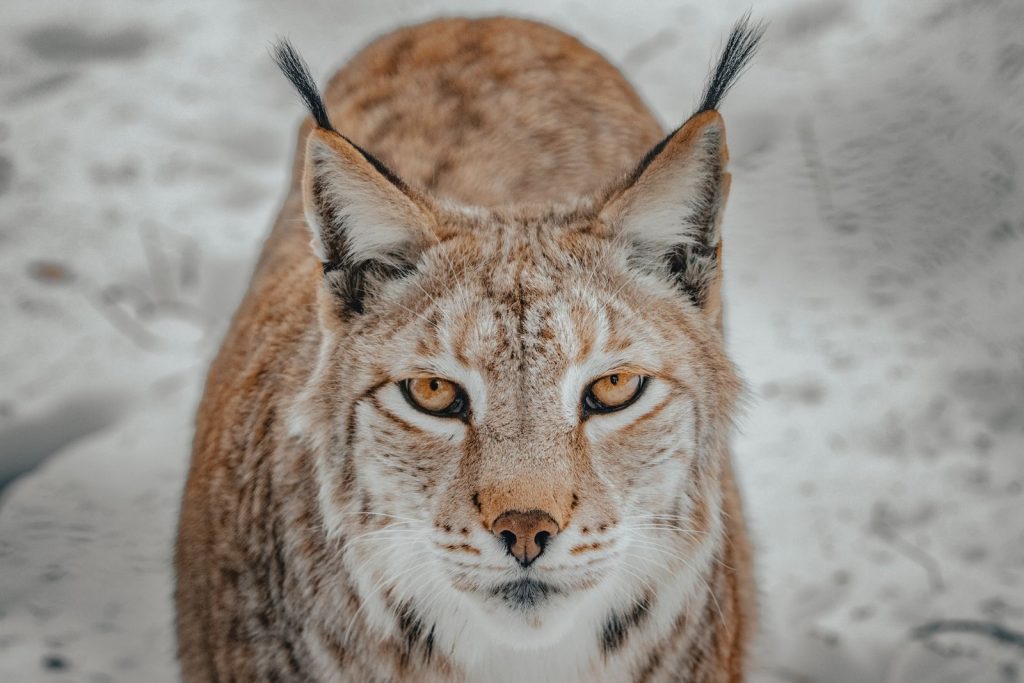
Ducks are not the prey most closely associated with Canada lynx, but the species is capable of eating a broader range of animals. Government of Canada information says lynx diets can include diverse prey even though their biology is strongly tied to snowshoe hares. Birds, rodents and other small animals can become useful alternatives depending on season and opportunity. A duck standing near cover is therefore a plausible target. The surprising part of the Kamloops event is the clear footage, not the biological possibility of the hunt.
Snowshoe Hares Still Matter Most
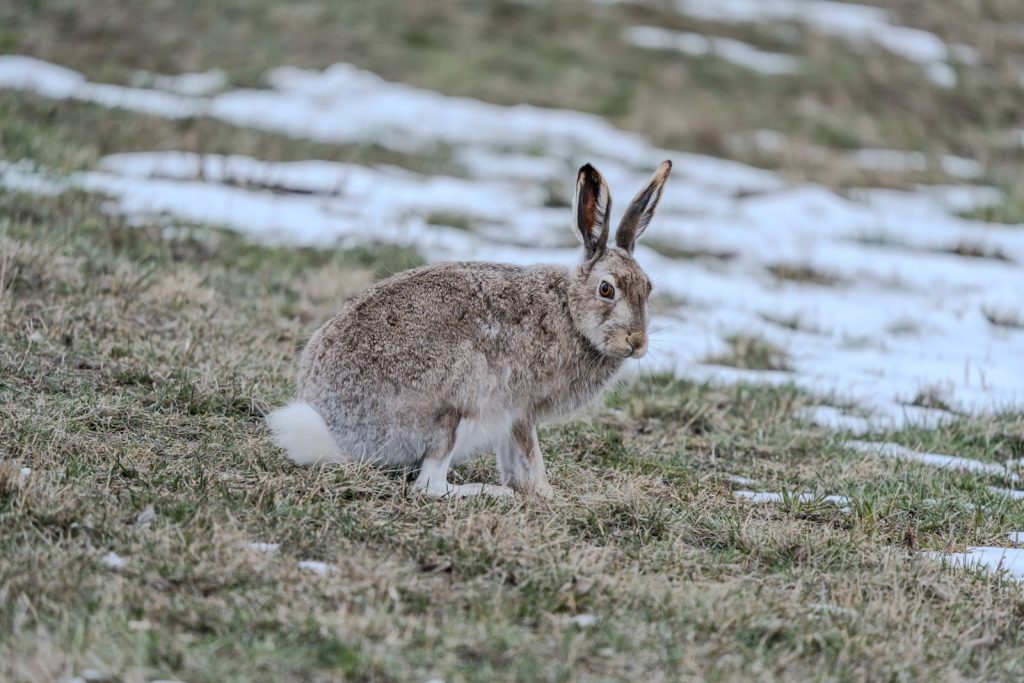
Snowshoe hares remain central to Canada lynx ecology. Government of Canada material explains that lynx populations closely follow the famous hare population cycle, often reaching highs and lows one or two years after hare numbers change. When hares are abundant, they provide the main food base for lynx across much of the northern range. When hare numbers fall, lynx may travel farther or use alternative prey more often. That dependence helps explain why flexible hunting can be useful when the preferred food is less available.
Lynx Are Built for Snow
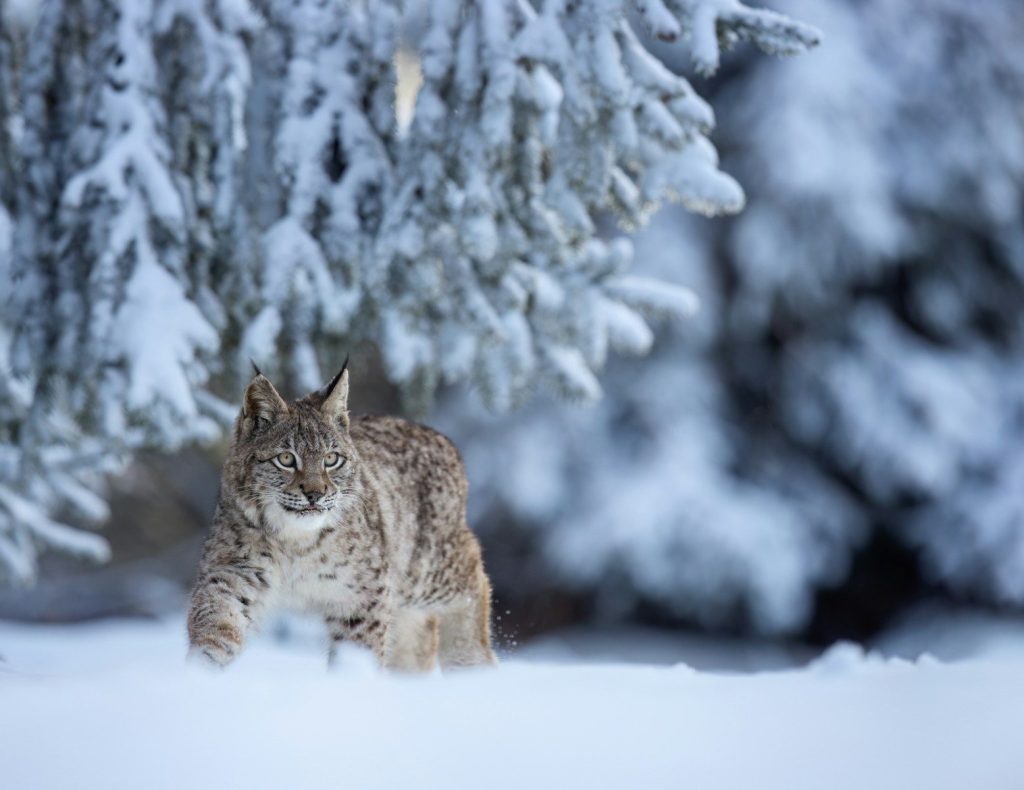
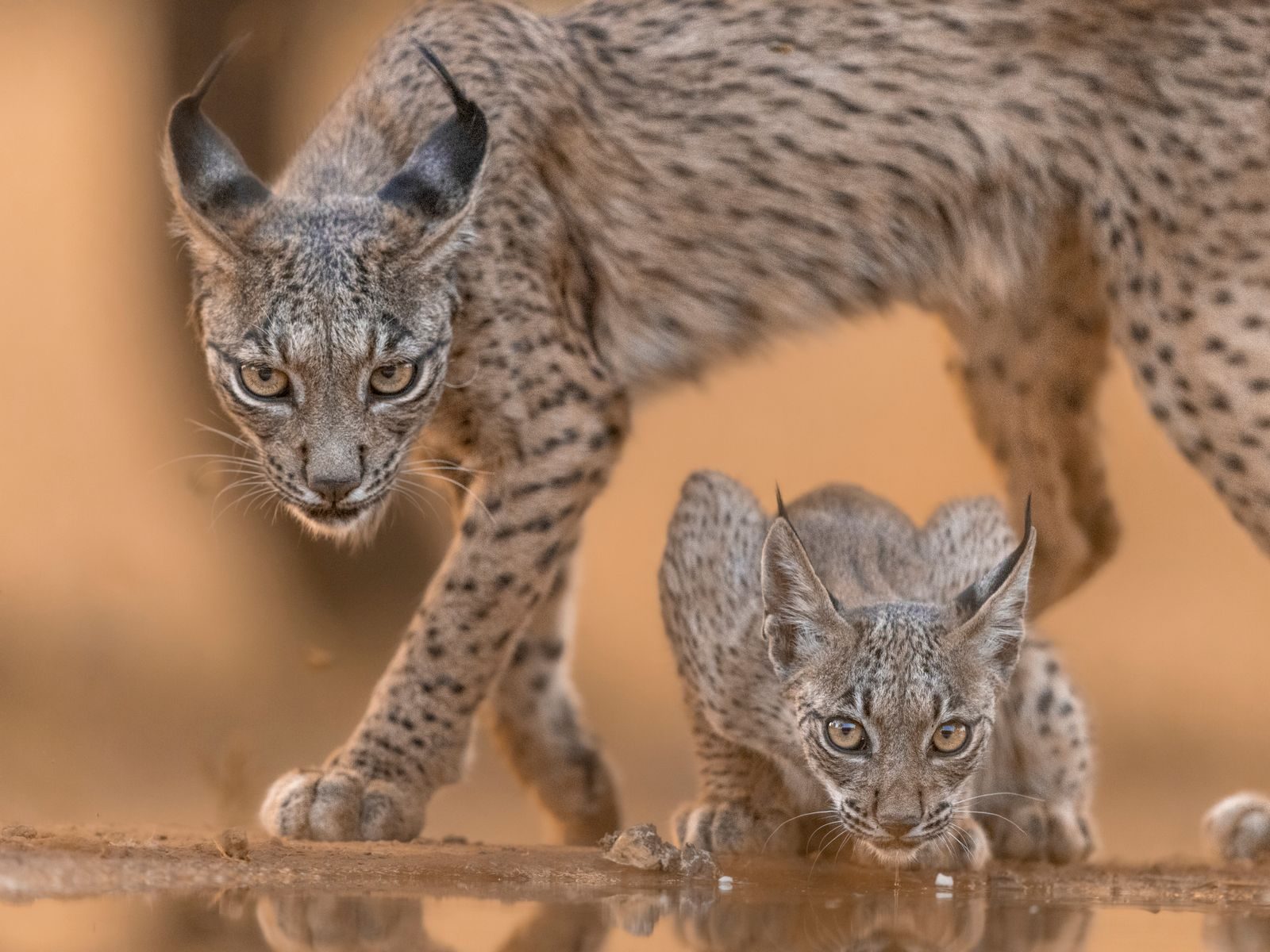
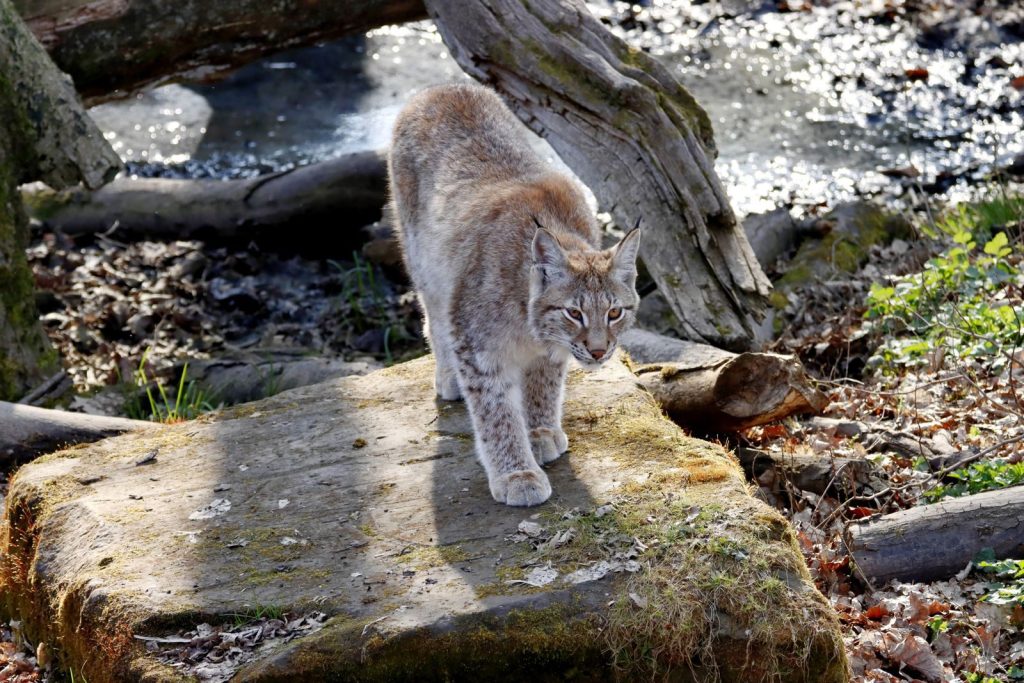
Canada lynx are built for snowy environments as well as ambush hunting. Their large, furred paws spread their weight across soft snow, while long legs help them travel through deep conditions. They generally avoid intense human activity, according to Canadian wildlife guidance, which makes a visible park encounter notable. The Kamloops animal still behaved like a wild predator, using concealment and a sudden attack rather than approaching people. Observers did the right thing by filming from a distance instead of interfering with the hunt.
Wild Hunts Are Never Guaranteed

The most accurate lesson from the clip is not that lynx always catch ducks, but that predators can be flexible and hunts remain uncertain. The cat used cover, waited, launched at the right moment, made contact and still lost the bird. That sequence captures several real behaviors at once: patience, explosive movement, opportunism and escape. It is more informative than a simple winner and loser headline. In nature, both predator and prey are making decisions, and the result can change within seconds.
Featured Image: Photo by Federico Di Dio photography on Unsplash