Wildlife often seems stranger than fiction because evolution solves problems without following the designs humans expect. Animals navigate with electricity, communicate below our hearing range, survive without drinking and sometimes develop social systems normally associated with insects.
These eight examples are genuine biological adaptations rather than myths.
Naked Mole-Rats Form Colonies
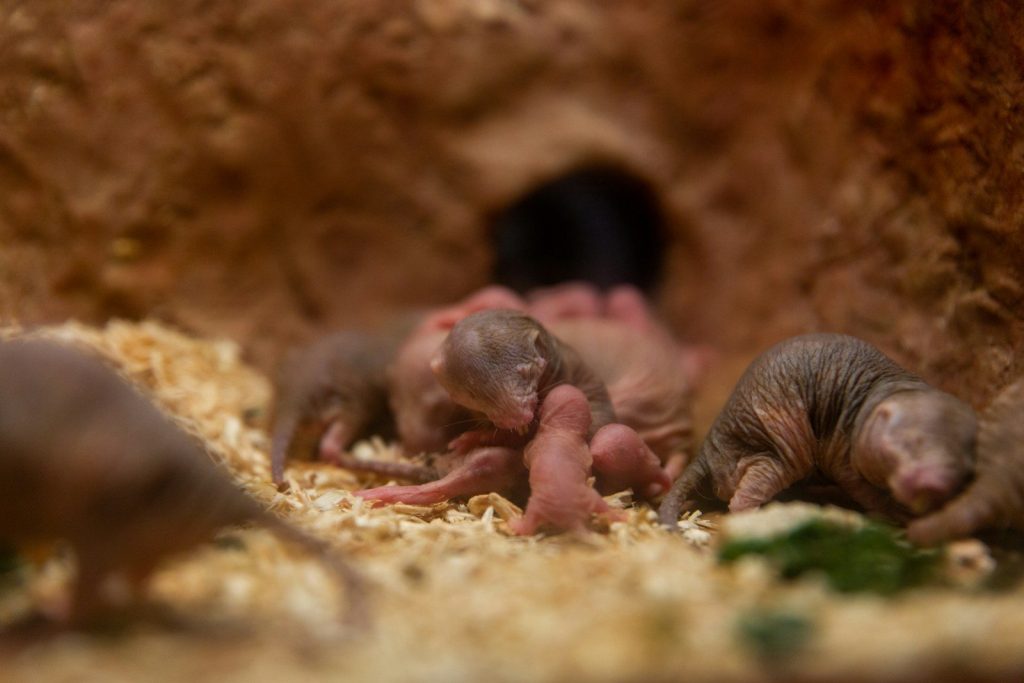
Naked mole-rats are among the few mammals described as eusocial. Most members of a colony do not reproduce, while one dominant female produces the young. Workers dig tunnels, collect food and help defend the underground system, creating a social arrangement more familiar from ants and bees.
Elephant Trunks Have 150,000 Muscle Units
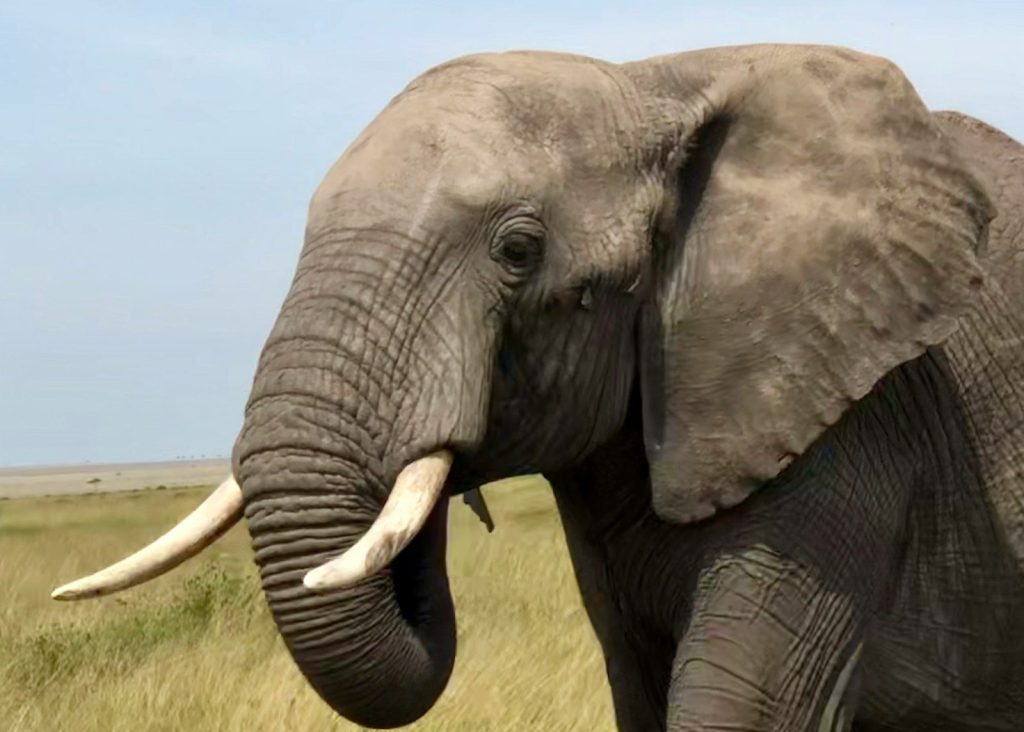
An Asian elephant’s trunk contains no bones. Instead, around 150,000 muscle units and tendons allow it to lift heavy objects while still performing delicate tasks. The same organ is used for breathing, smelling, touching, drinking and manipulating food.
Electric Eels Reach 860 Volts
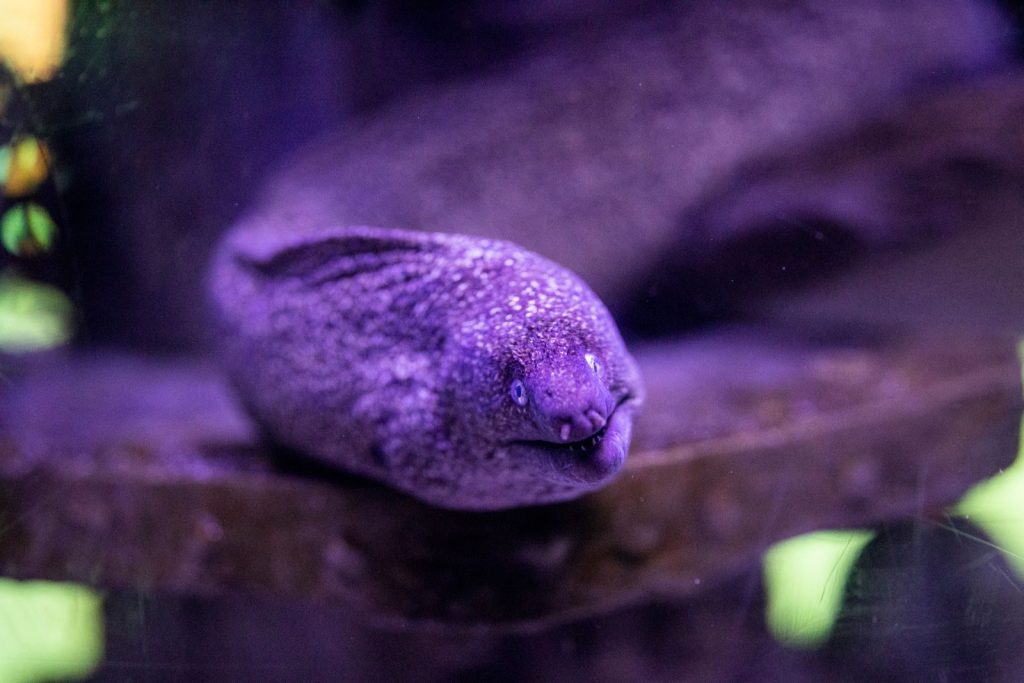
The most powerful known electric eels can produce discharges reaching roughly 860 volts. The fish use weaker electricity for sensing and stronger volleys to stun prey or discourage attackers. Despite their common name, they belong to the knifefish group rather than the true eels.
Panda Babies Start Tiny
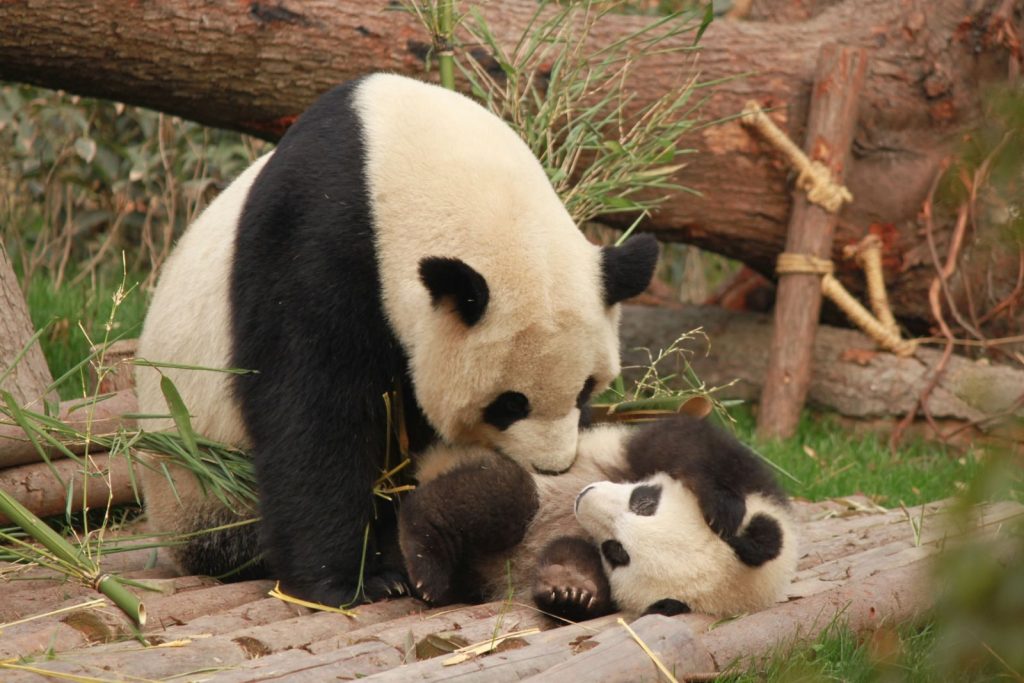
A newborn giant panda is extraordinarily small compared with its mother. Cubs are born pink, blind and almost hairless and are among the smallest newborn mammals relative to maternal body size. Their dramatic growth after birth makes panda development very different from that of many other large mammals.
Giraffes Have Seven Neck Vertebrae
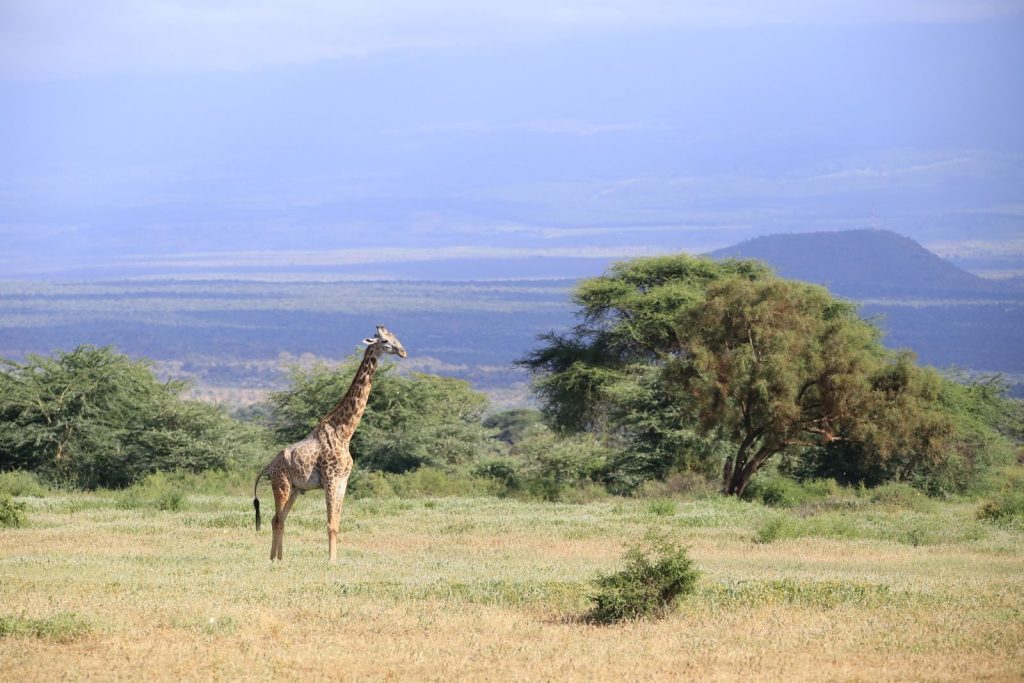
A giraffe’s neck may stretch several feet, yet it contains only seven cervical vertebrae—the same basic number found in humans and most other mammals. The difference is that each individual giraffe vertebra is greatly elongated.
Burrowing Owls Live Underground
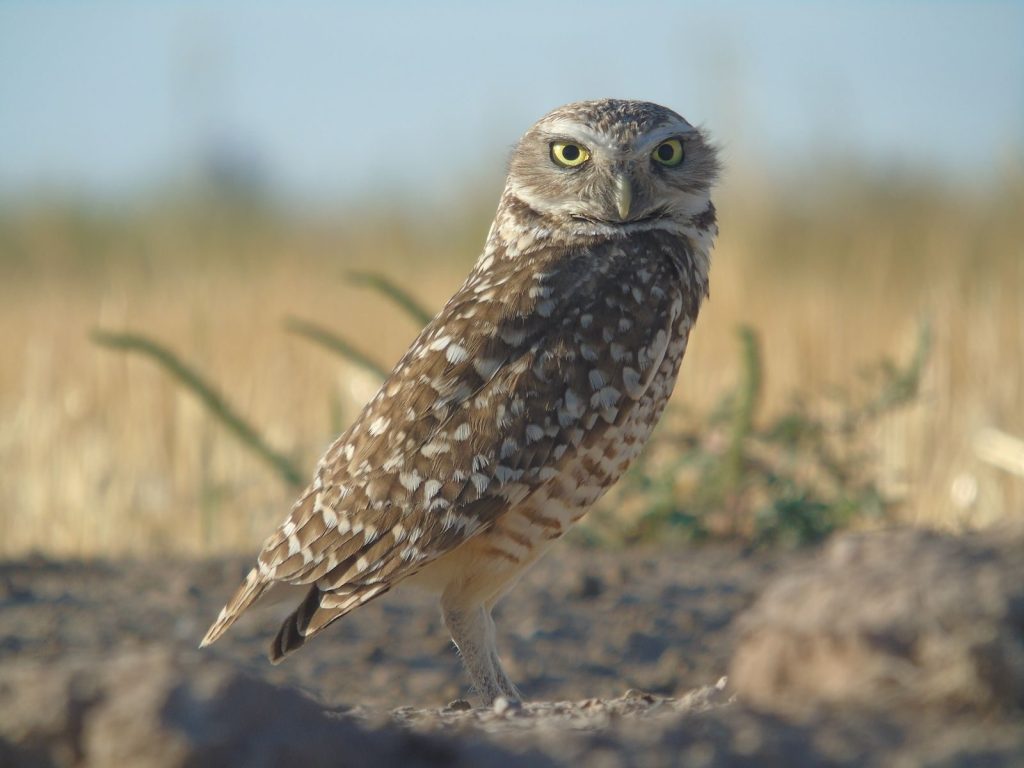
Burrowing owls break the stereotypical image of an owl living in a tree. They occupy underground burrows in open grasslands and deserts and are unusually active during daylight. Young owls can even produce a distress call resembling a rattlesnake’s warning sound.
Octopus Arms Process Information
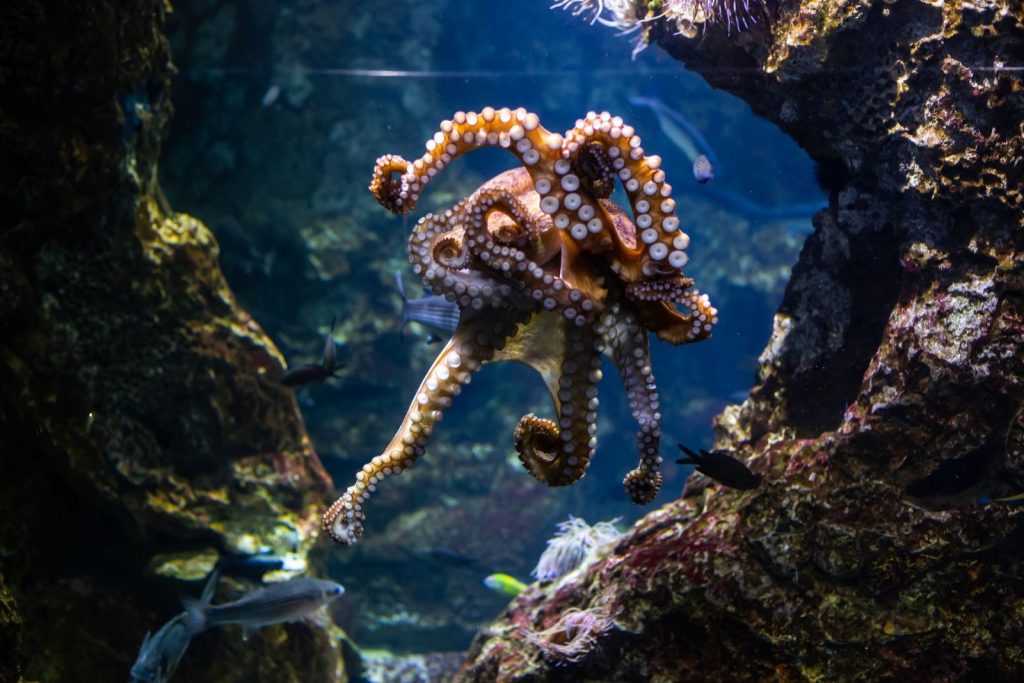
An octopus does not control every arm movement entirely from its central brain. Large networks of neurons inside the arms process sensory information locally, giving the animal an unusually distributed nervous system capable of flexible exploration and object handling.
Giraffe Calves Start Six Feet Tall
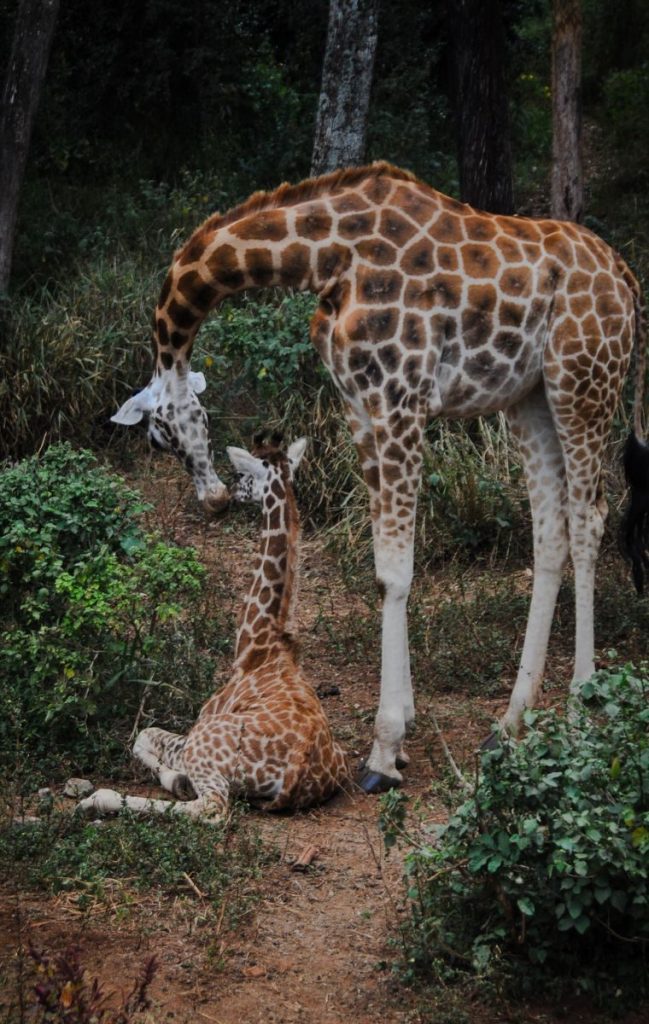
A newborn giraffe can stand about six feet tall, close to the height of many adult humans. The calf must begin coordinating its long legs soon after birth while remaining vulnerable to lions and other predators during its first year.
Featured Image: Photo by Leonard von Bibra on Unsplash