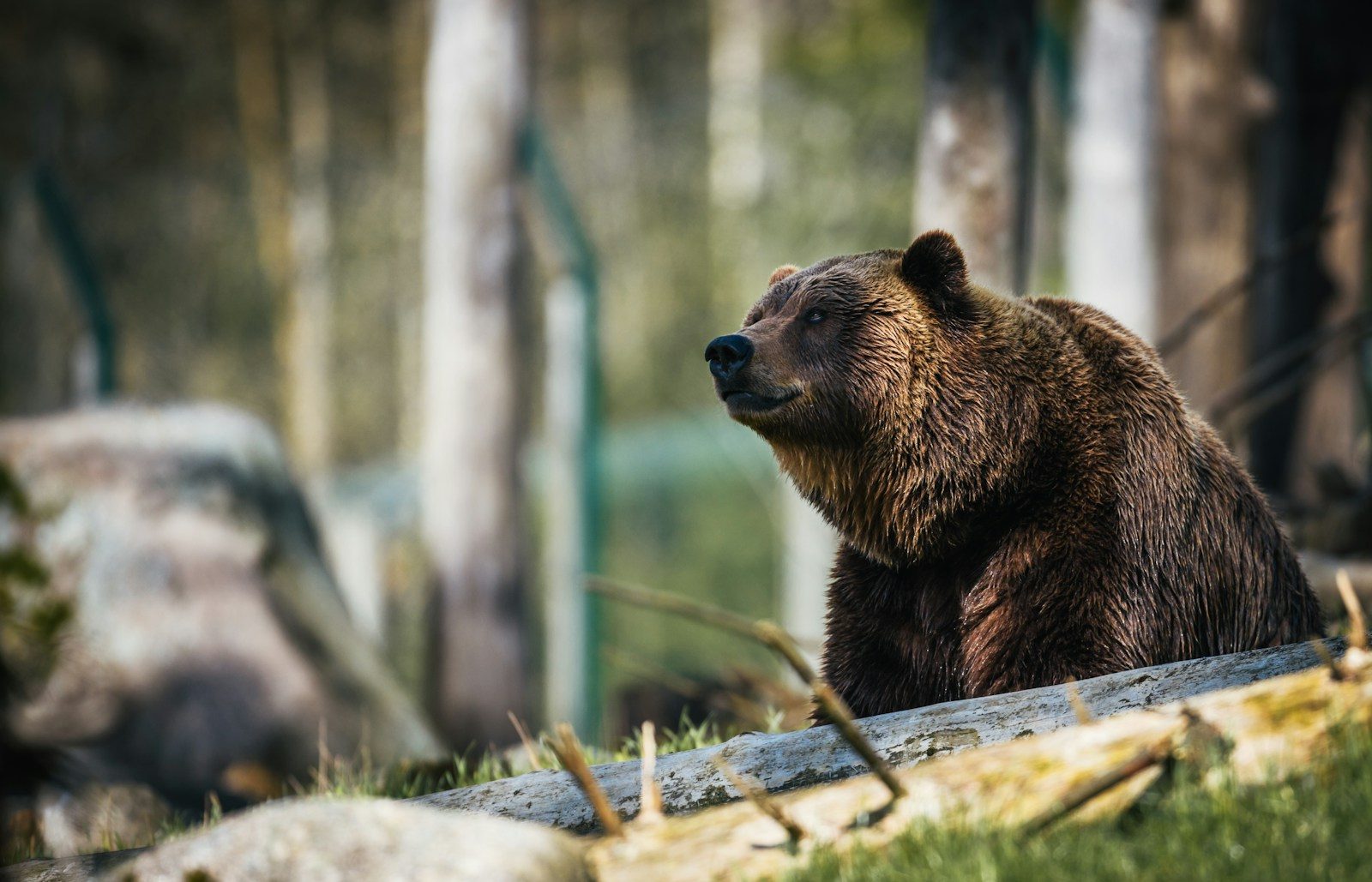
Wildlife filmmaker Casey Anderson has spent years tracking grizzly bears across the wilderness of the American West, but one encounter high in the Absaroka Mountains left even him stunned.
By noon on a single summer day, Anderson had counted 47 grizzly bears spread across the rocky alpine slopes above Yellowstone’s treeline.
For a species once pushed near extinction in the lower 48 states, the sight was almost unbelievable.
The bears were not fighting over salmon or scavenging carcasses.
Instead, they were digging beneath rocks for tiny moths.
The Strange Feast Happening Above the Treeline
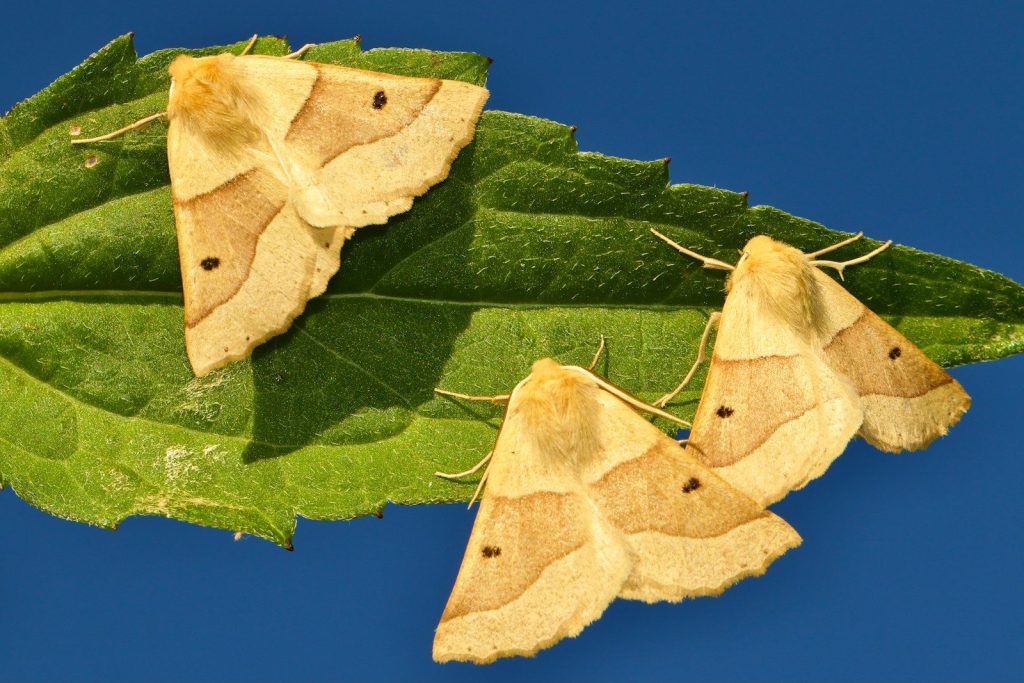
Every summer, millions of army cutworm moths migrate into the high mountains of the Greater Yellowstone Ecosystem to escape heat from lower elevations.
The insects hide beneath loose rocks more than 11,000 feet above sea level, creating a seasonal food source that grizzly bears have learned to exploit.
As winter approaches, grizzlies climb into these alpine regions and spend hours flipping rocks in search of the moths packed underneath.
The insects may be small, but they are loaded with fat and protein — exactly what bears need while preparing for hibernation.
For grizzlies trying to gain hundreds of pounds before winter, the mountains become an enormous all-you-can-eat buffet.
Even the Filmmaker Tried Them

Anderson later joked that he understood why the bears loved the insects so much because he had eaten them himself.
“It sounds disgusting, but they’re actually really good,” he said.
According to Anderson, the moths taste “like honey-roasted peanuts.”
The unusual comment quickly grabbed attention online, adding even more fascination to the already bizarre sight of dozens of massive grizzlies gathering to eat insects on remote mountaintops.
Why Scientists Are Watching Closely
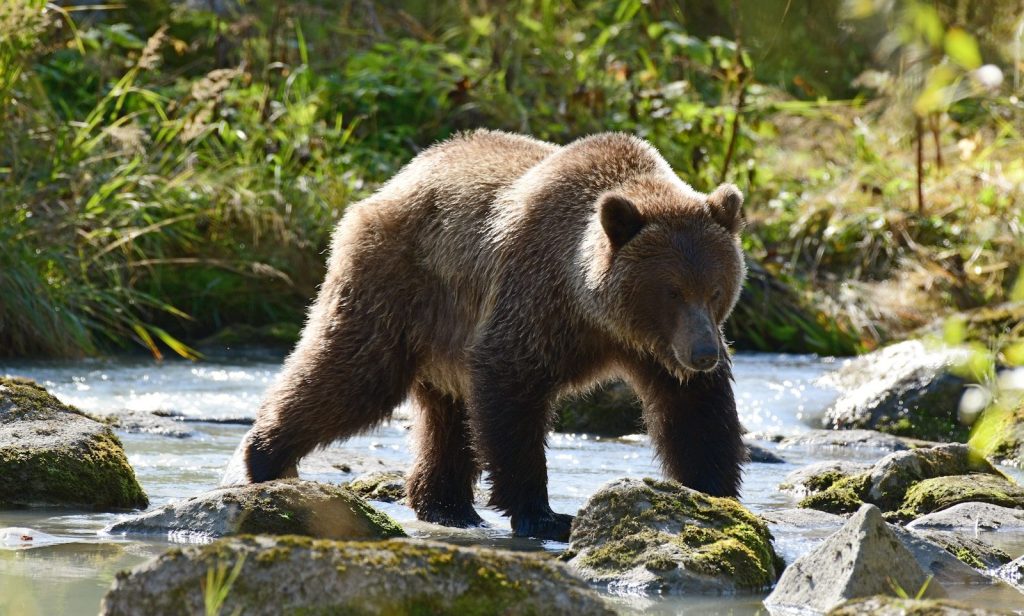
The massive gathering may reveal something important about changing grizzly behavior in Yellowstone.
Anderson said he has watched the number of bears feeding above the treeline steadily increase over the years. What once involved only a handful of bears eventually grew into gatherings in the teens, then the twenties, and now far beyond that.
The shift could partly be connected to changes in other important food sources.
For decades, Yellowstone grizzlies heavily relied on whitebark pine nuts for calories. But disease, climate stress, and ecosystem changes have reduced many of those food supplies in recent years.
As a result, more bears may be traveling into alpine environments to feed on moths instead.
A Rare Gathering of Predators
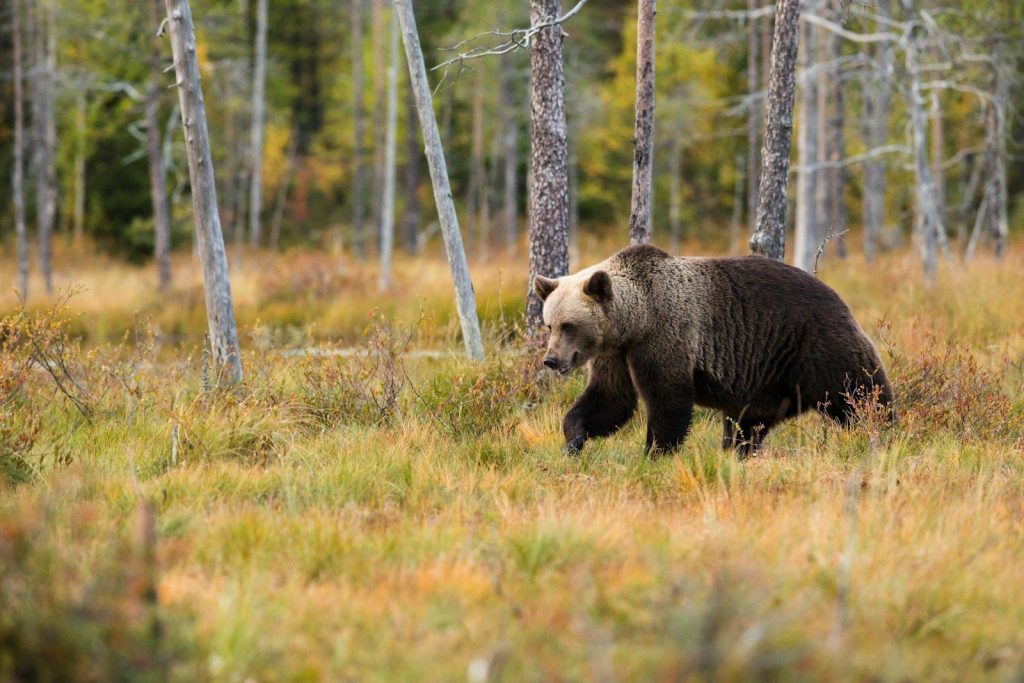
Seeing nearly 50 grizzlies in a single day is extremely rare.
Anderson said the sighting even surpassed his previous record in Alaska, where he once counted 46 bears near a major salmon stream.
What made the Absaroka encounter even more remarkable was the number of females with cubs scattered across the mountainside.
Normally, mother bears avoid crowded feeding zones due to the danger posed by large males. But the abundance of moths appeared to reduce competition enough for many bears to feed in the same area peacefully.
More Humans Are Entering Bear Country
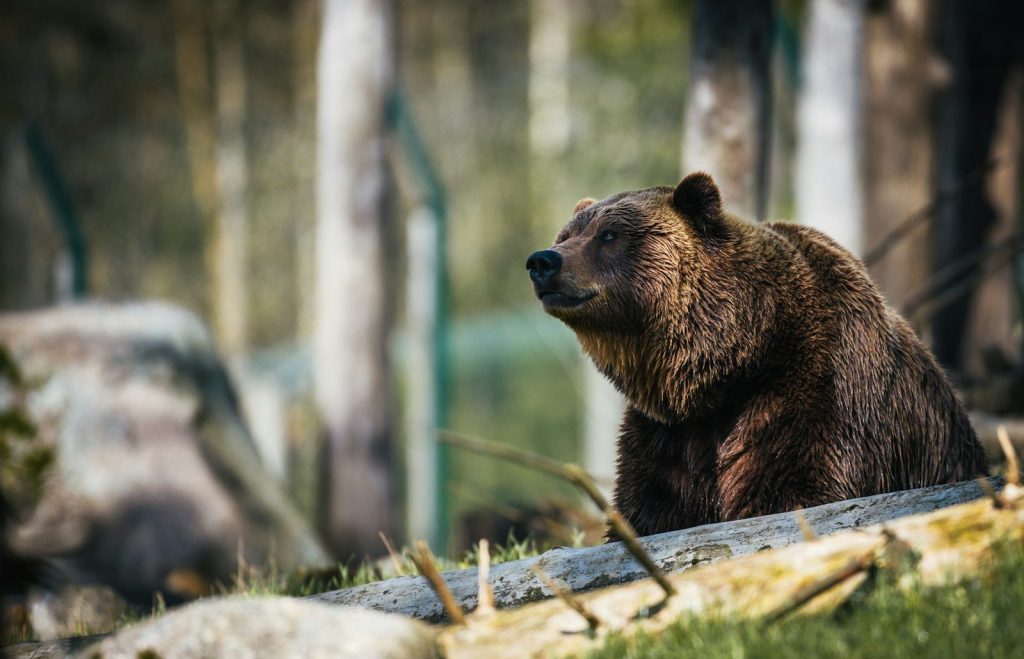
As sightings like these gain attention online, more hikers and tourists are venturing into remote grizzly habitat.
That concerns many wildlife experts.
Anderson warned that increasing numbers of inexperienced visitors are entering bear territory without proper preparation. Some people carry bear spray incorrectly, while others do not carry protection at all.
He said some hikers have even asked him how to use bear spray only moments before entering active bear habitat.
In places where dozens of grizzlies are feeding close together, sudden encounters can become dangerous if humans approach too closely or accidentally surprise a bear.
Why Grizzlies Usually Attack
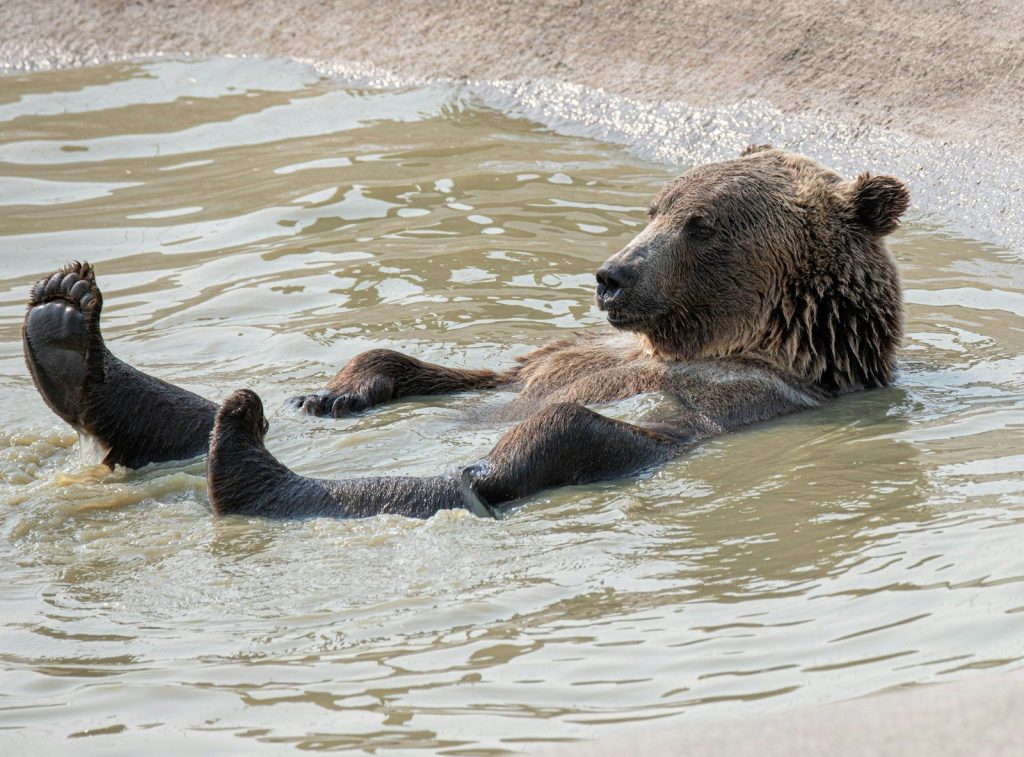
Despite their fearsome reputation, Anderson stressed that grizzly bears are not typically hunting humans.
Instead, most aggressive encounters happen because bears feel threatened or startled.
“They’re afraid of people and they think we’re a threat,” Anderson explained.
Wildlife experts continue encouraging hikers to stay alert, carry accessible bear spray, make noise while hiking, and give bears plenty of space, especially in alpine feeding areas where food sources attract large concentrations of animals.