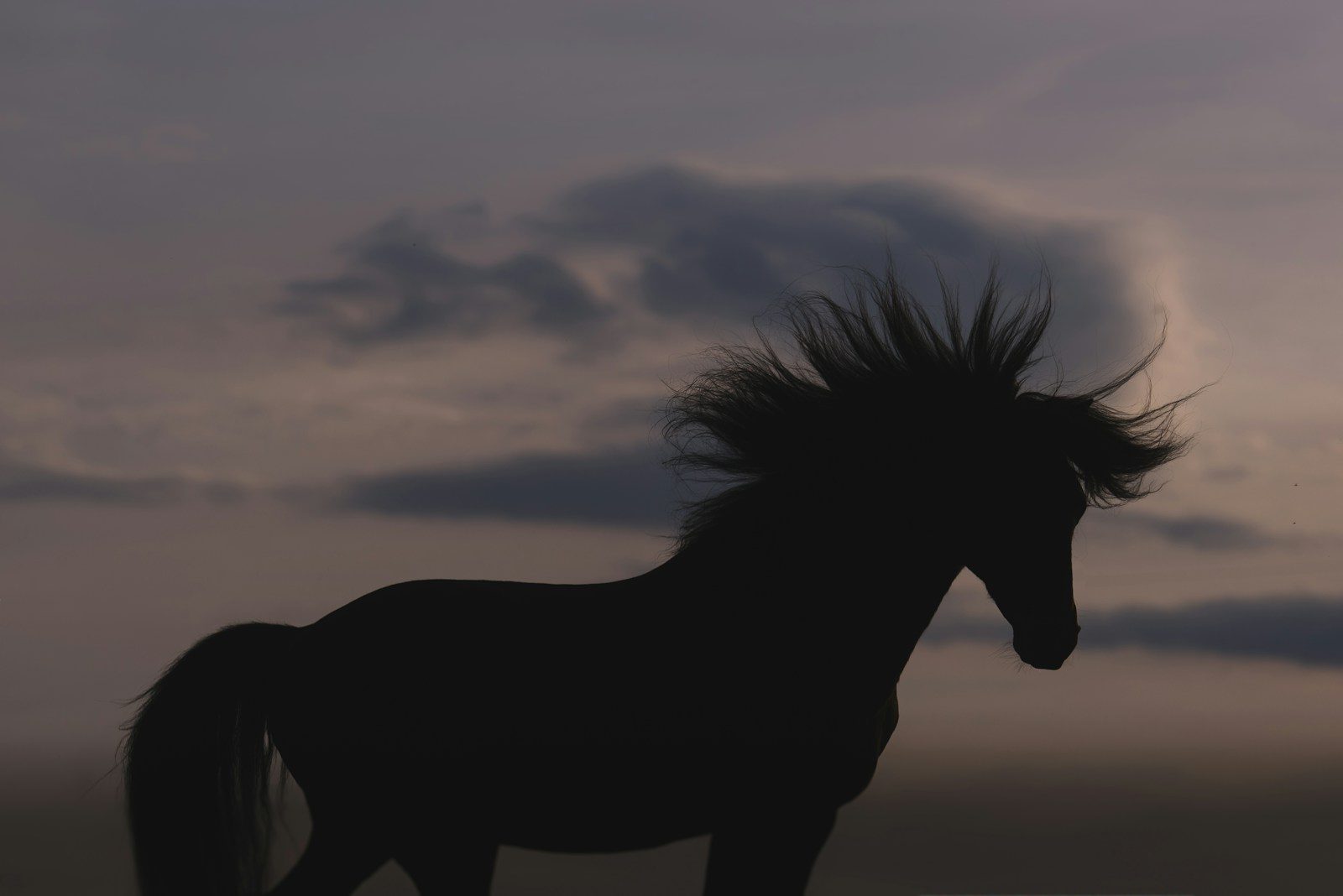
The Outer Banks lost one of its most iconic wild horses when Surfer, a celebrated stallion known for his flowing blond mane and powerful presence, died unexpectedly after a fatal encounter with another horse. His death has saddened wildlife advocates and visitors alike while highlighting the challenges faced by one of the world’s rarest wild horse populations.
A Legendary Stallion of the Outer Banks
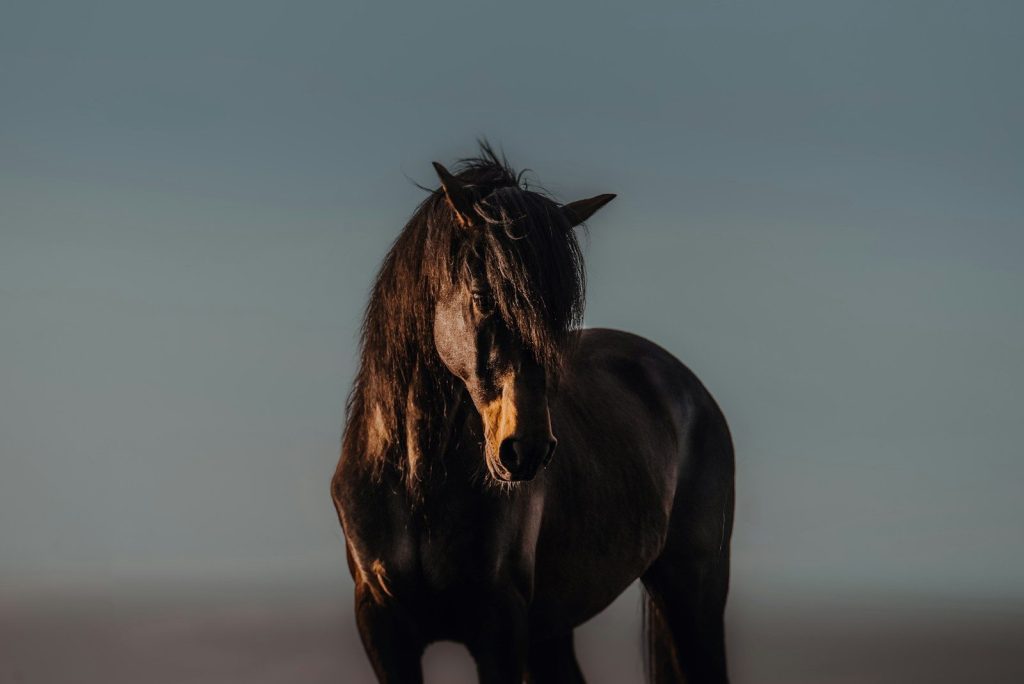
Surfer was one of the most recognizable members of the Corolla wild horse herd in North Carolina. His striking appearance and confident personality made him a favorite among tourists and locals who regularly visited the beaches.
For years, he roamed freely across the northern Outer Banks, embodying the wild spirit of the herd. His distinctive blond mane and commanding presence helped him stand out among the dozens of horses living in the area.
Tourists Make a Heartbreaking Discovery
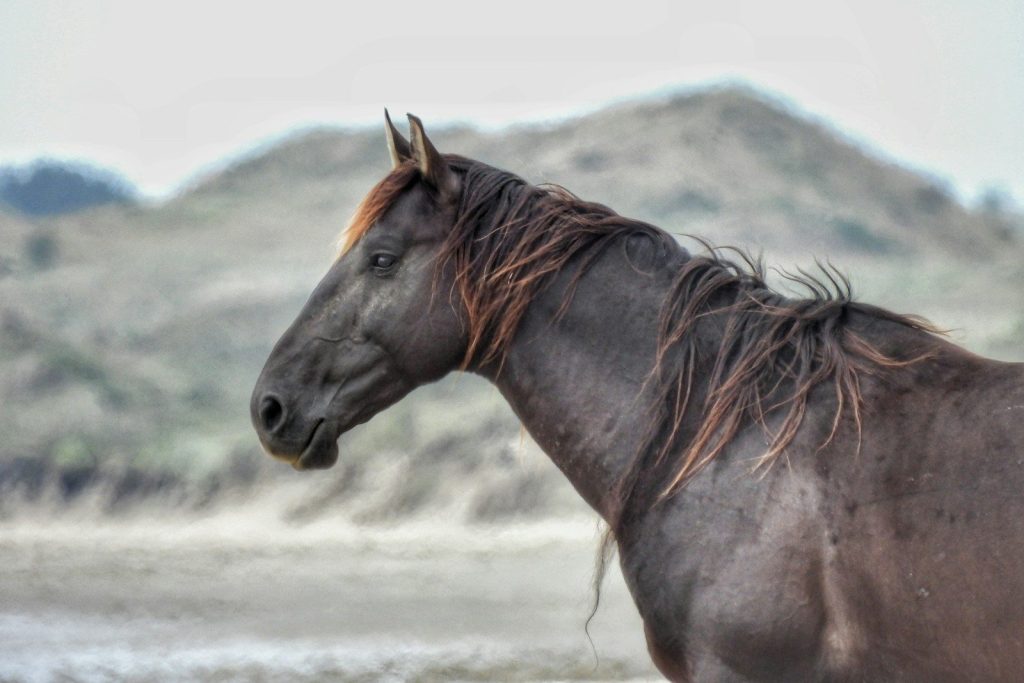
On June 14, visitors exploring the beach discovered Surfer lying motionless and immediately contacted emergency services. The unexpected sight shocked those who had admired the stallion over the years.
Wild horse officials arrived to investigate and determine what had happened. Their examination revealed that Surfer had suffered a fatal injury caused by another horse.
A Single Kick Proved Fatal
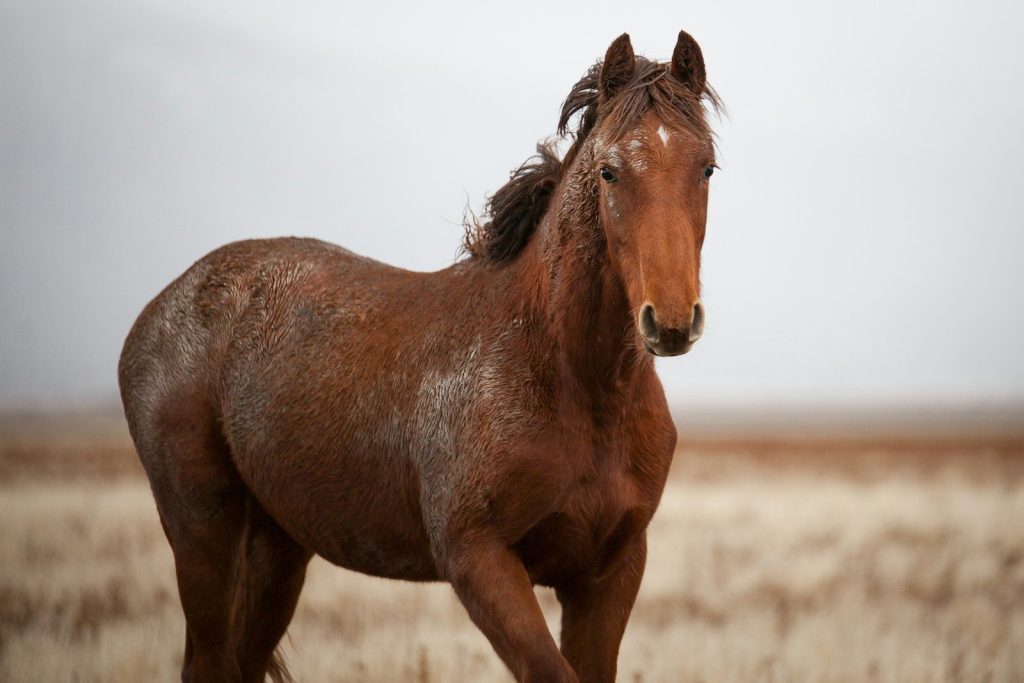
According to herd management officials, Surfer died after receiving a powerful kick to the head. The injury was severe enough to cause his death almost instantly.
Experts noted that the incident likely occurred during a routine interaction between horses rather than a major fight. A kick from either another stallion or even a mare can be devastating when it lands in a vulnerable location.
No Evidence of Human Involvement
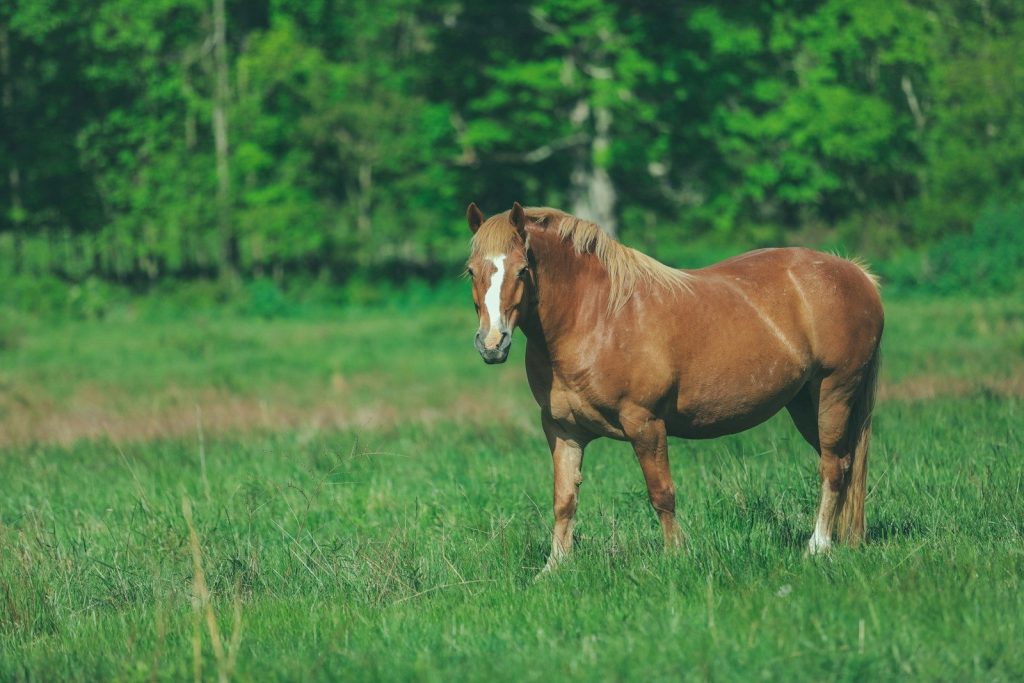
Investigators carefully examined Surfer’s body and found no signs that people had contributed to his death. The injuries were limited to the area consistent with a horse kick and showed no indications of outside interference.
Officials described his passing as a natural event within the wild herd. While tragic, it reflected the realities of life among free roaming horses living without human management.
A Valuable Genetic Legacy
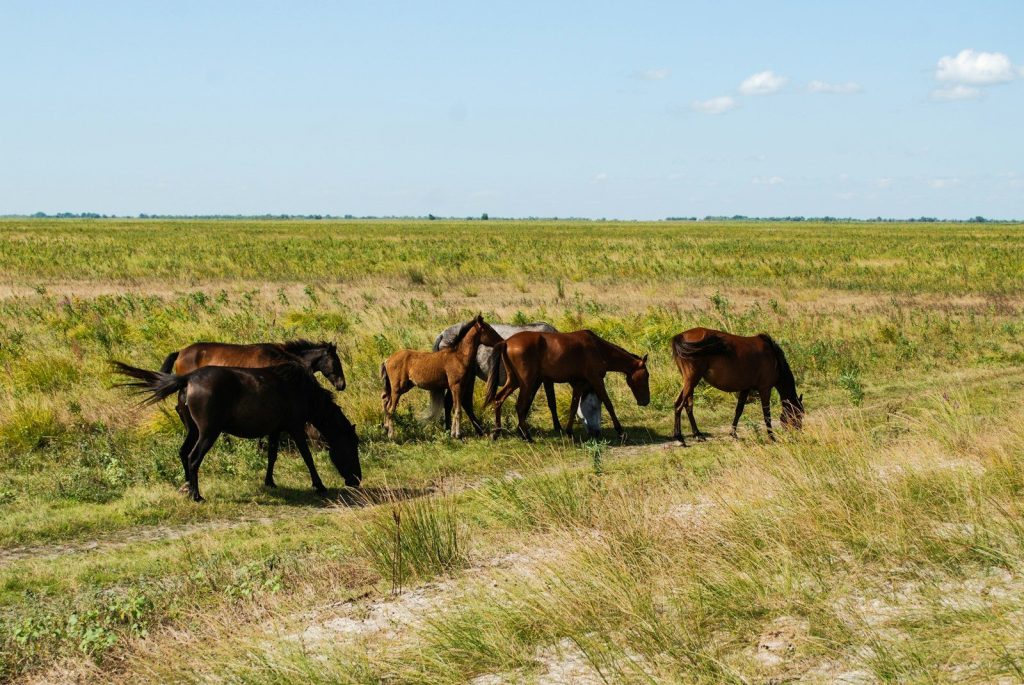
Beyond his beauty, Surfer played an important role in the long term health of the Corolla herd. Conservationists considered his genetics especially valuable because of the rarity of the Banker horse population.
Several of his offspring remain part of the herd’s story. One son still lives in the wild and is now viewed as an important link in preserving Surfer’s bloodline for future generations.
One of the World’s Rarest Horse Populations
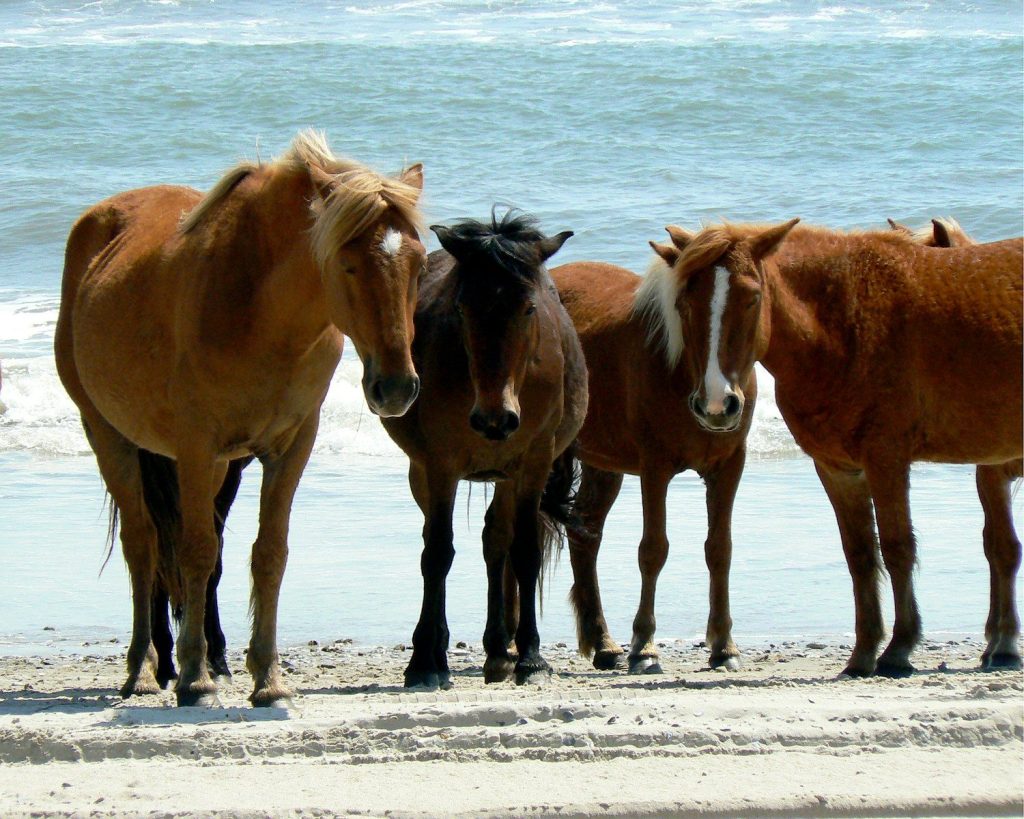
The Corolla wild horses are descendants of Colonial Spanish Mustangs that have lived on North Carolina’s barrier islands for roughly 500 years. Their genetic heritage makes them among the oldest and rarest horse populations on Earth.
Today, approximately 110 horses roam an 11 mile stretch of the northern Outer Banks. Conservation efforts focus on maintaining the herd while allowing the animals to live as naturally as possible.