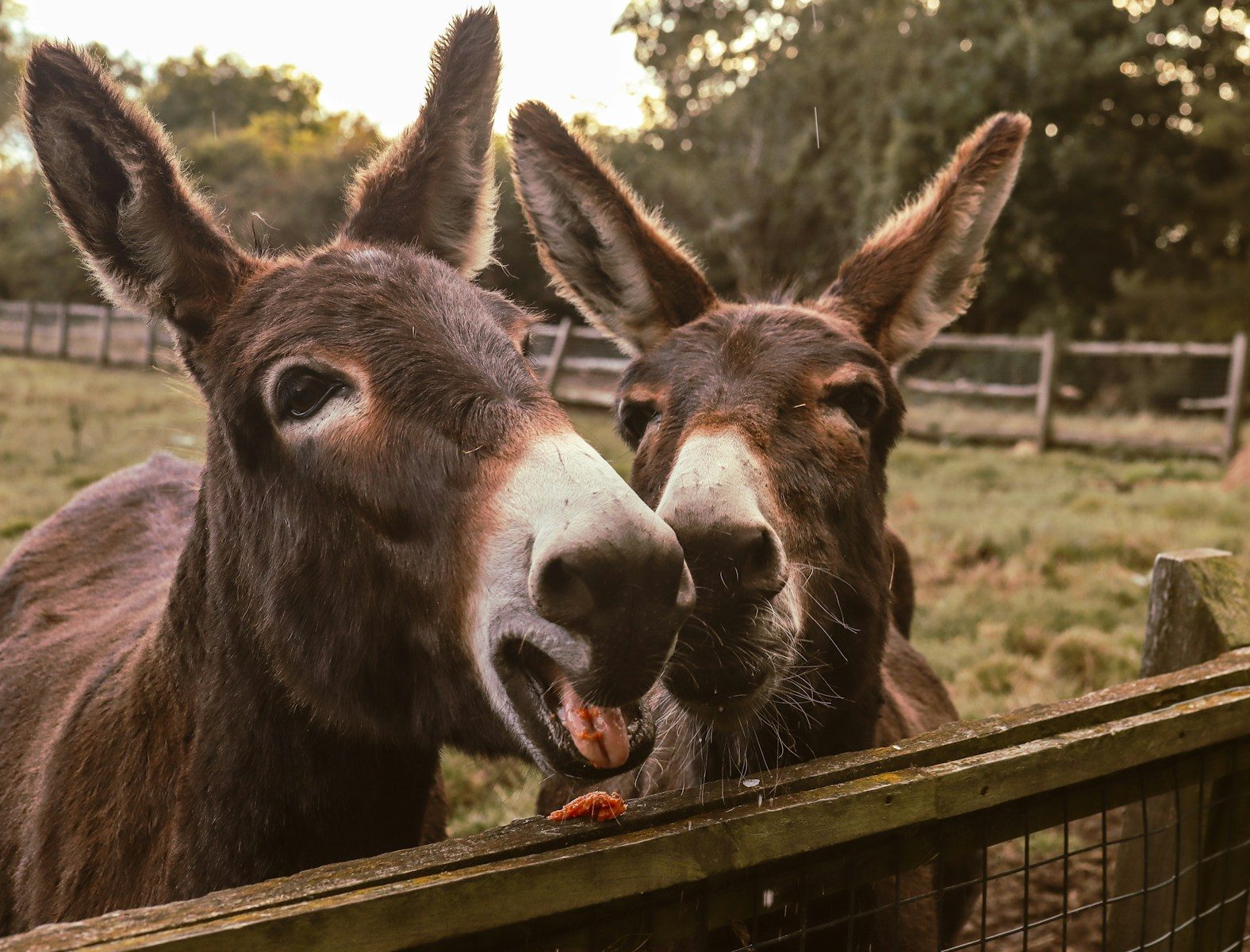
Donkeys have worked alongside humans for thousands of years, yet their welfare needs are still widely misunderstood. While horses often receive most of the attention when discussing working animals in the United Kingdom, thousands of donkeys continue to play important roles in agriculture, conservation projects, therapy programs, and educational activities.
Now, researchers are raising concerns that some working donkeys may face welfare challenges that go unnoticed. Their findings suggest that improving awareness of donkey-specific care could make a significant difference to the health and wellbeing of these hardworking animals.
Donkeys Have Different Needs Than Horses
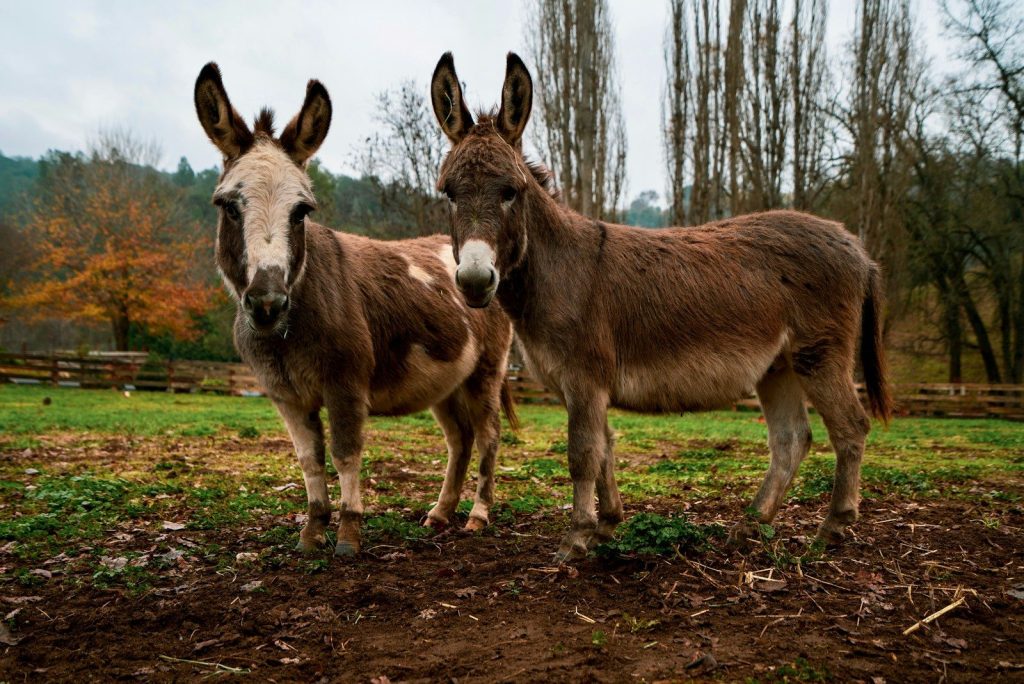
One of the biggest issues highlighted by experts is the misconception that donkeys can be cared for in exactly the same way as horses.
Although they belong to the same equine family, donkeys evolved in harsher and drier environments, giving them unique nutritional, behavioral, and physical requirements. Feeding practices suitable for horses may not always be appropriate for donkeys.
For example, rich grazing pastures can increase the risk of obesity and related health problems in donkeys. Understanding these differences is essential for providing proper care and preventing avoidable health issues.
Health Problems Are Often Easy to Miss

Researchers note that donkeys can be particularly challenging to assess because they tend to hide signs of illness and discomfort.
Unlike some animals that show obvious symptoms when something is wrong, donkeys often display only subtle changes in behavior. As a result, conditions such as dental disease, hoof disorders, chronic pain, obesity, or weight loss may go unnoticed until they become more advanced.
Regular veterinary checkups and routine health monitoring are therefore considered especially important for donkeys, helping owners identify problems before they become serious.
Working Life Brings Additional Challenges
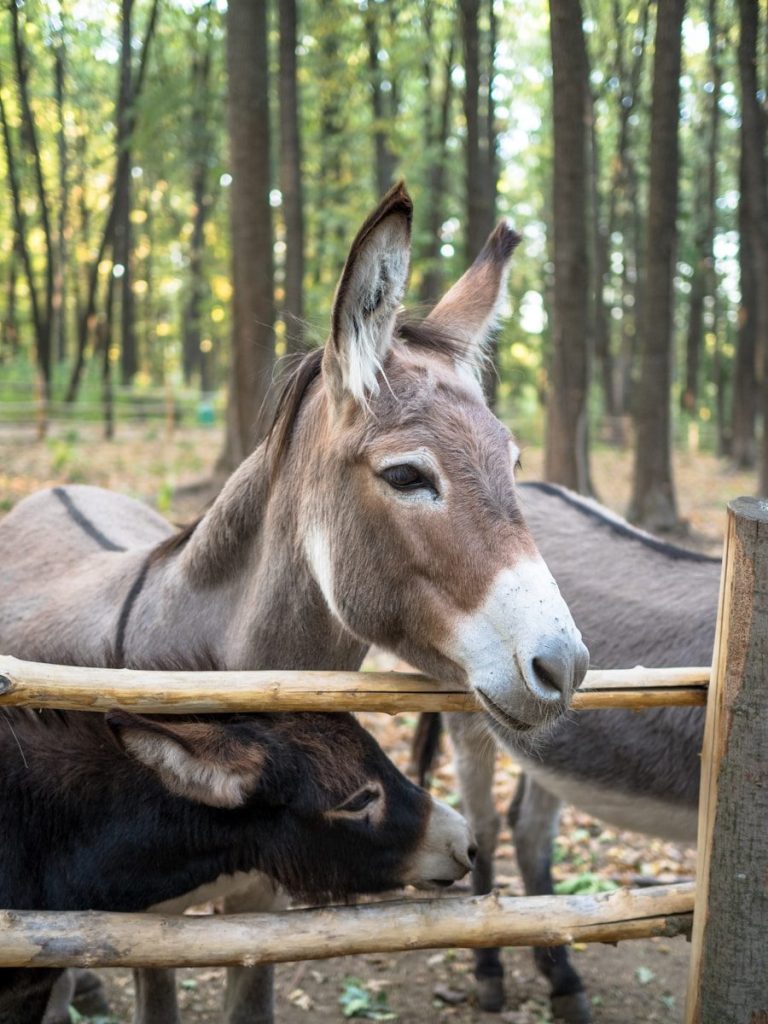
Many donkeys are involved in carrying equipment, pulling loads, or participating in regular work-related activities. While these roles can be appropriate when properly managed, they also place additional demands on the animals.
Poorly fitted harnesses, excessive workloads, inadequate hoof care, improper nutrition, and insufficient rest can all negatively affect welfare over time. Even minor management issues may gradually contribute to discomfort or health problems if left unaddressed.
Researchers emphasize that workloads should always be matched to an animal’s age, physical condition, and overall health.
Emotional Wellbeing Matters Too

Modern animal welfare science increasingly recognizes that emotional health is just as important as physical health.
Donkeys are highly social animals that naturally form strong bonds with companions. When kept alone for extended periods, they may experience stress, anxiety, and behavioral problems.
Providing companionship, environmental enrichment, and opportunities to engage in natural behaviors can greatly improve quality of life. Experts stress that responsible care involves meeting both the physical and emotional needs of working donkeys.
Why Greater Awareness Is Needed
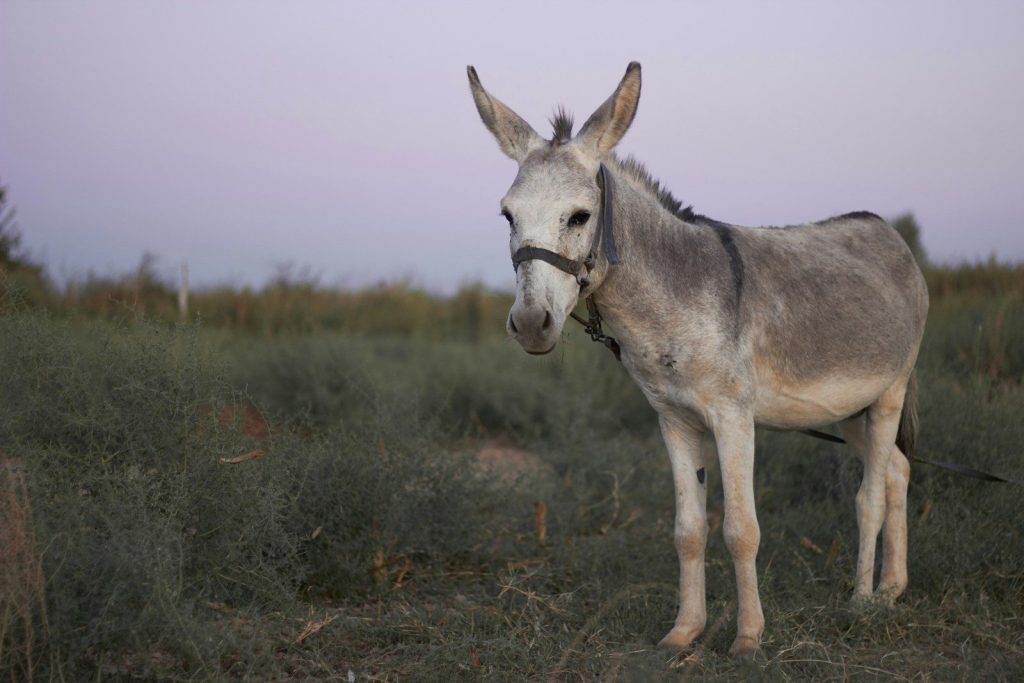
Despite their long history of supporting human communities, donkeys often receive far less attention than horses. This lower profile can sometimes result in welfare concerns being overlooked.
Researchers believe that education is one of the most effective ways to improve outcomes. Better understanding of donkey-specific care, early warning signs of illness, and proper management practices could help prevent many common welfare problems.