Bear encounters are rising across Japan, with authorities reporting a sharp increase in sightings, injuries, and fatal attacks as the animals emerge from hibernation and search for food. Experts say a combination of environmental changes, shrinking natural food sources, and shifting animal behavior is bringing bears into closer contact with people than ever before.
The growing trend has become a major public safety concern, particularly in rural regions where residents are increasingly encountering bears near farms, neighborhoods, and hiking trails. Wildlife specialists warn that without effective management strategies, these confrontations could continue to increase.
Record Numbers Of Bear Encounters Are Being Reported
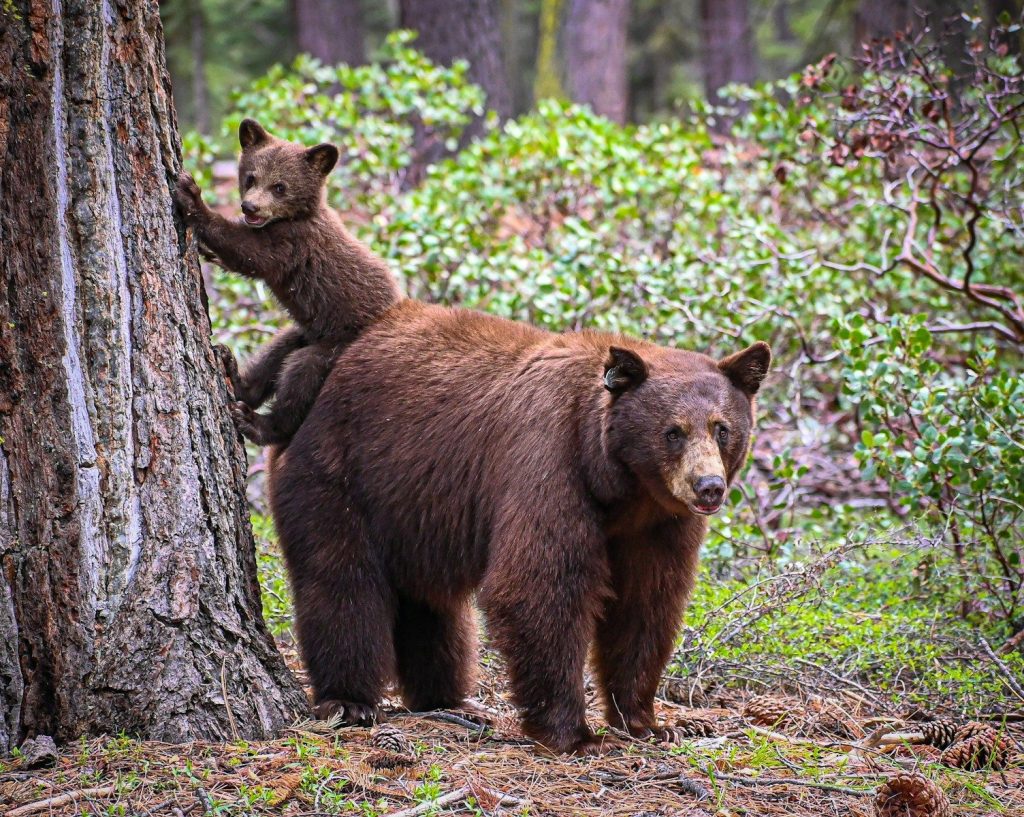
Japanese authorities have recorded tens of thousands of bear sightings in recent years, with injuries and fatalities reaching unprecedented levels. The increase suggests that encounters are no longer isolated incidents limited to remote mountain regions.
Reports now regularly emerge from towns and cities where bears were once rarely seen. This expanding range has heightened concerns among both residents and wildlife officials.
Hungry Bears Are Searching Beyond Traditional Habitats

One major factor behind the surge is the declining availability of natural food sources in forest habitats. When acorns, nuts, and berries become scarce, bears are forced to travel farther in search of meals.
As a result, many animals are moving closer to farmland, orchards, and residential areas. Easy access to crops and human waste can make these locations attractive feeding grounds.
Warmer Seasons May Be Changing Bear Behavior
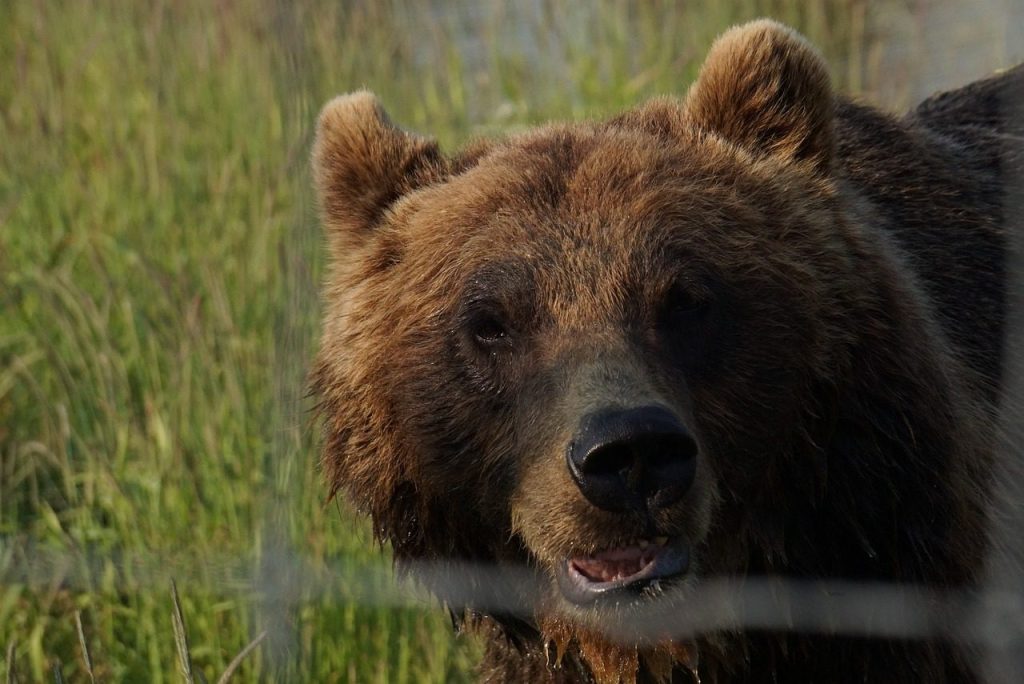
Researchers believe changing weather patterns are influencing bear activity throughout the year. Milder winters and earlier springs can cause bears to emerge from hibernation sooner than usual.
Once awake, they must quickly replenish lost energy reserves. This urgency may increase the likelihood of bears taking risks and entering populated areas in search of food.
Fewer Hunters Have Reduced Human Deterrence

Rural Japan has experienced a decline in the number of active hunters over recent decades. Wildlife experts suggest that reduced hunting pressure may contribute to bears becoming less wary of human presence.
Studies indicate that some bears now show lower stress levels around developed areas than previous generations. This behavioral shift may encourage more frequent movement into suburban and agricultural landscapes.
Technology Is Being Used To Predict Encounters

Scientists are increasingly turning to technology to help address the growing problem. Artificial intelligence systems are being developed to estimate the likelihood of bear encounters in specific locations.
These tools analyze environmental conditions, historical sightings, and habitat factors to identify higher risk areas. Researchers hope such systems can improve public awareness and reduce dangerous encounters.
Communities Are Exploring New Ways To Stay Safe
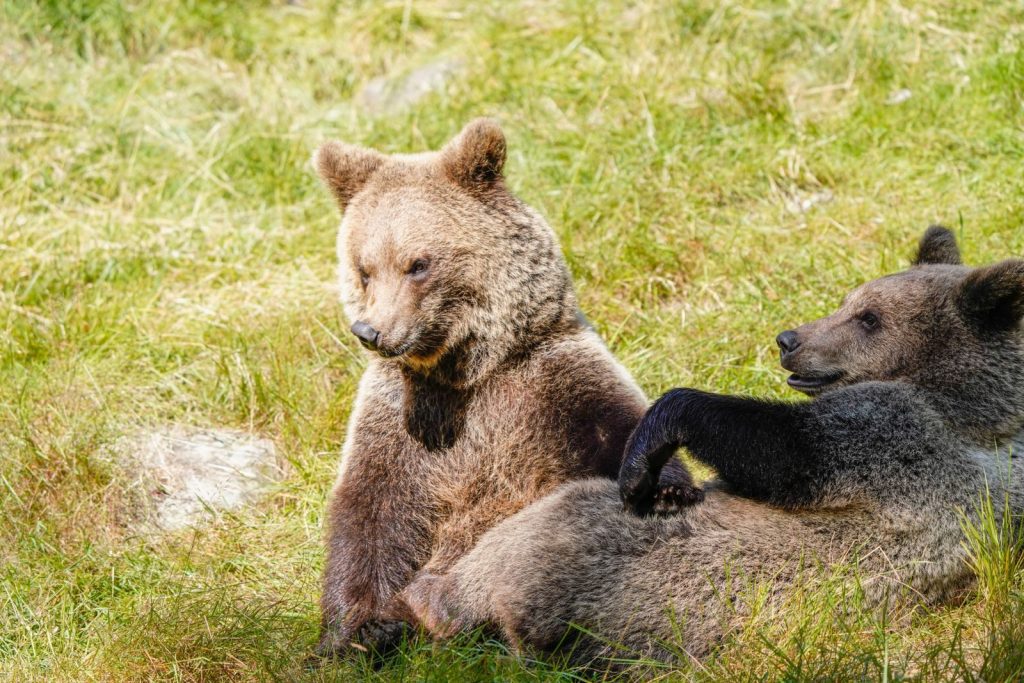
In addition to traditional wildlife management methods, some communities are adopting innovative deterrents to keep bears away. From advanced monitoring systems to robotic scare devices, new approaches are being tested across affected regions.
Officials continue encouraging residents to secure food sources, remain alert in bear habitats, and report sightings promptly. Experts believe a combination of prevention, education, and wildlife management will be necessary as bear encounters continue to rise.