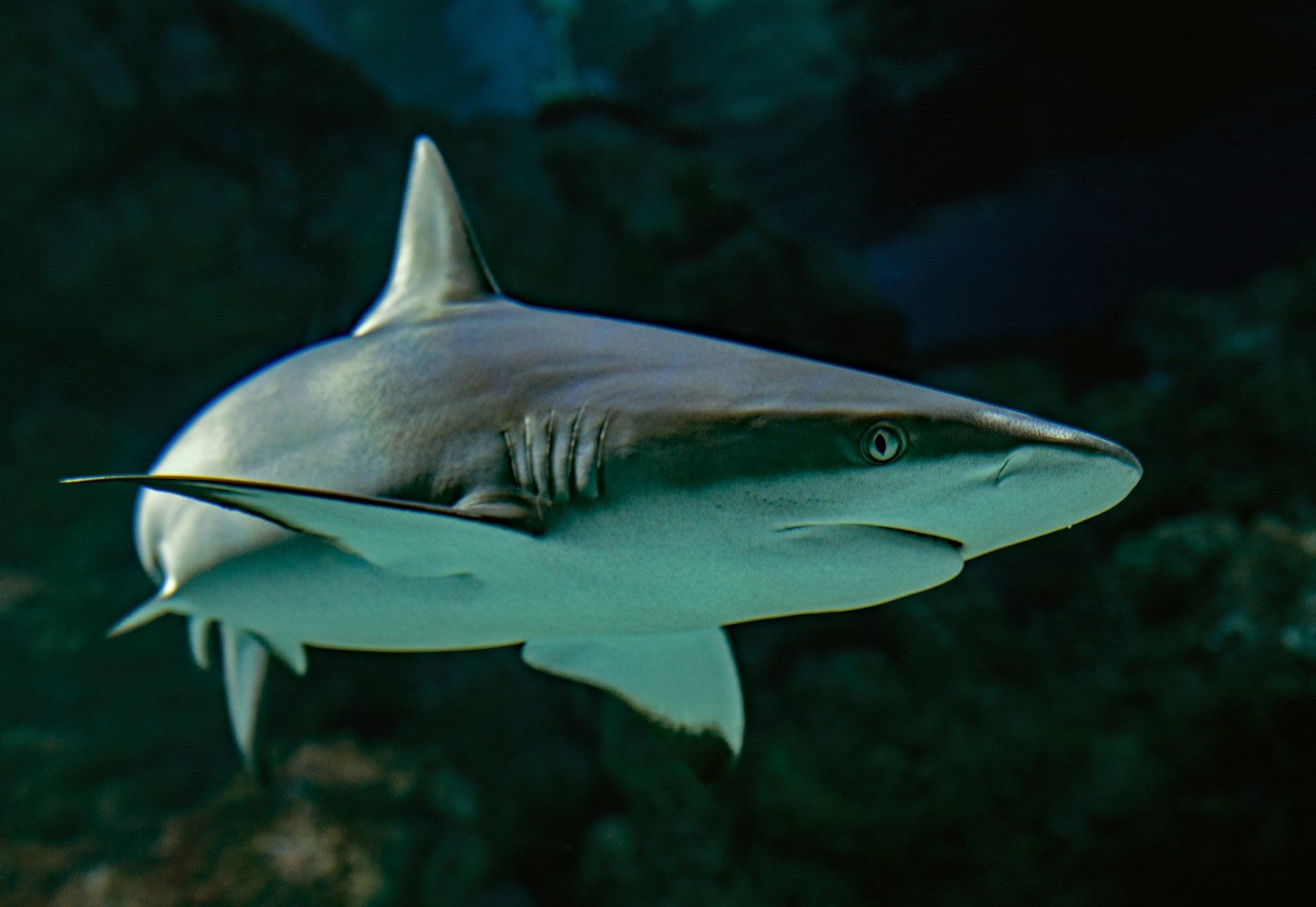
A recent shark attack off Florida’s Panhandle has renewed discussion about the increasing number of high profile encounters between humans and wild animals. The incident involved a swimmer who suffered severe injuries after being attacked in coastal waters, highlighting the risks that can exist when people enter natural habitats shared with large predators.
While such events often generate alarming headlines, wildlife experts emphasize that sharks are not actively targeting humans. Instead, these encounters are typically viewed as rare interactions that occur when people and animals occupy the same environment.
Wildlife Encounters Are Drawing Increased Attention

In recent years, reports involving sharks, bears, and even marine mammals have captured public attention around the world. These incidents often create the impression that wildlife is becoming more aggressive.
Experts note that growing human activity in natural environments may be contributing to the increase in reported encounters. More people are spending time in habitats where wild animals have always existed.
Sharks Remain Important Ocean Predators
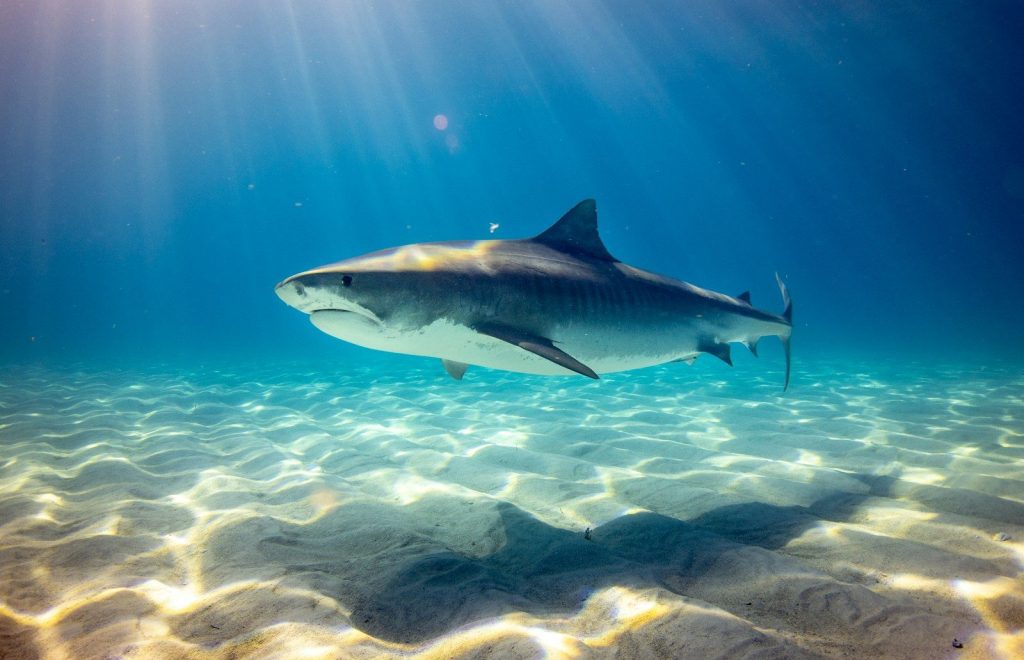
Sharks play a vital role in maintaining healthy marine ecosystems by helping regulate prey populations. As apex predators, they contribute to the balance of ocean food chains.
Despite their reputation, shark attacks remain relatively uncommon compared to the number of people who enter the water each year. Most shark species pose little threat to humans.
Coastal Waters Are Shared Spaces
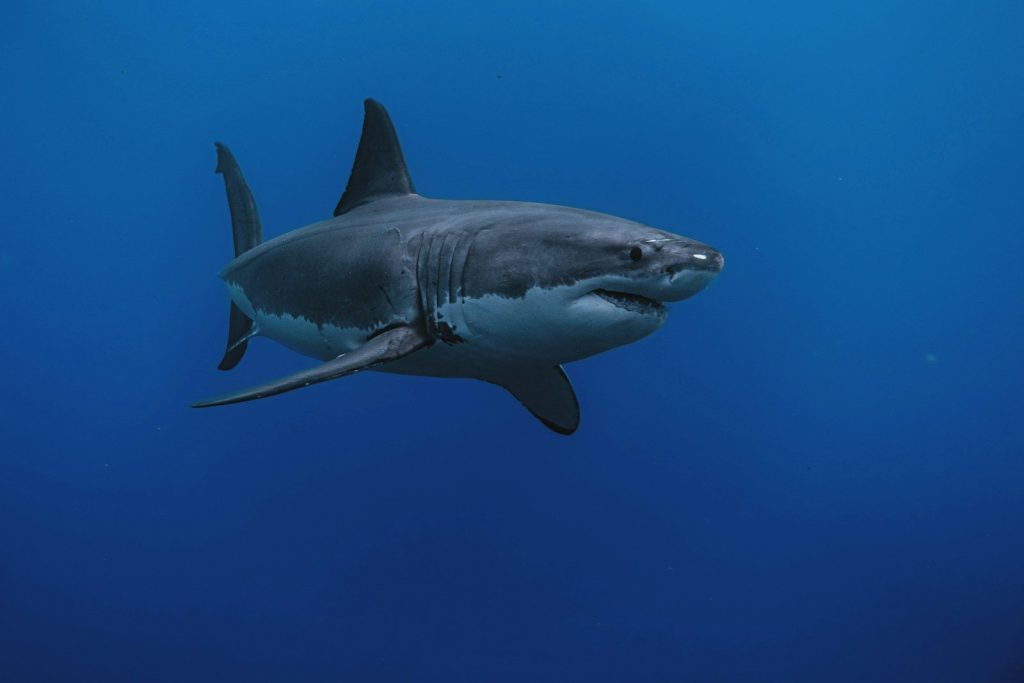
Beaches and coastal waters are popular destinations for recreation, but they are also natural habitats for marine wildlife. Sharks use these environments for feeding, migration, and breeding activities.
When humans enter the ocean, they are entering an ecosystem that supports a wide variety of species. Encounters are a natural possibility in these shared spaces.
Human Activity Can Influence Wildlife Interactions
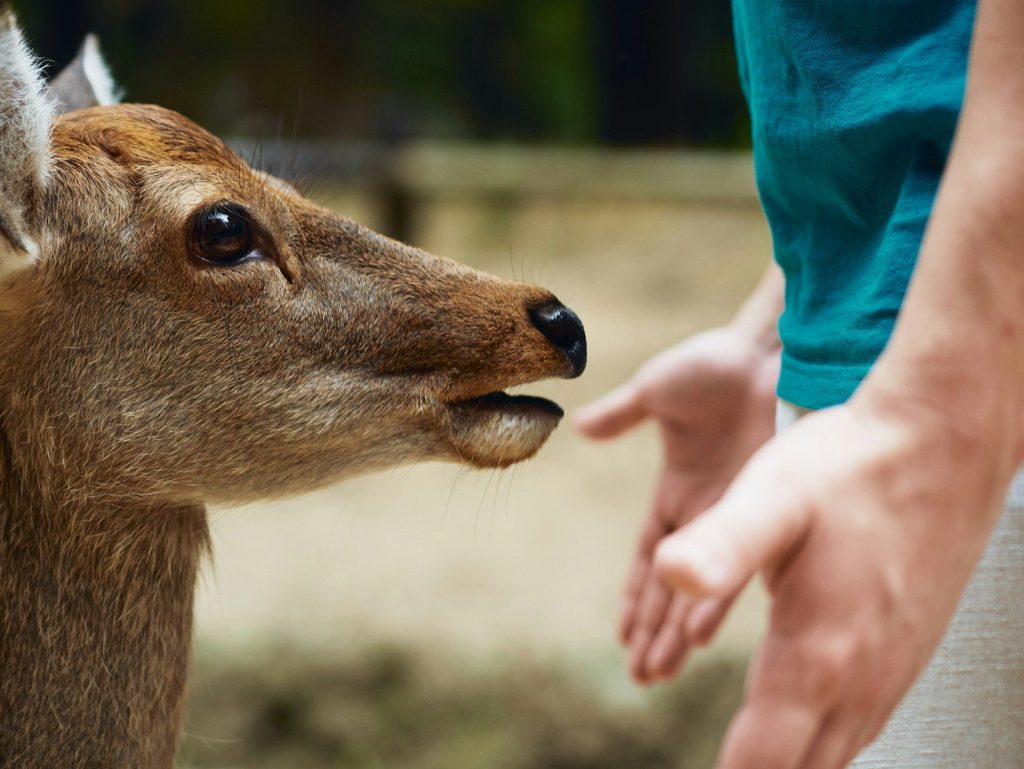
Expanding coastal development and increased recreational use of natural areas can lead to more opportunities for wildlife encounters. Similar trends have been observed with bears near communities and other animals adapting to human presence.
As populations grow and outdoor recreation becomes more popular, interactions between people and wildlife are likely to receive greater attention. Experts say understanding animal behavior is key to reducing risks.
Safety Measures Help Reduce Risk

Wildlife specialists recommend following local advisories and avoiding activities that may increase the likelihood of encounters. Swimming in designated areas and remaining aware of environmental conditions can improve safety.
Many coastal regions also use monitoring programs to track wildlife activity. These efforts help inform the public when animals are present in areas frequently used by swimmers.
Respecting Natural Habitats Remains Essential
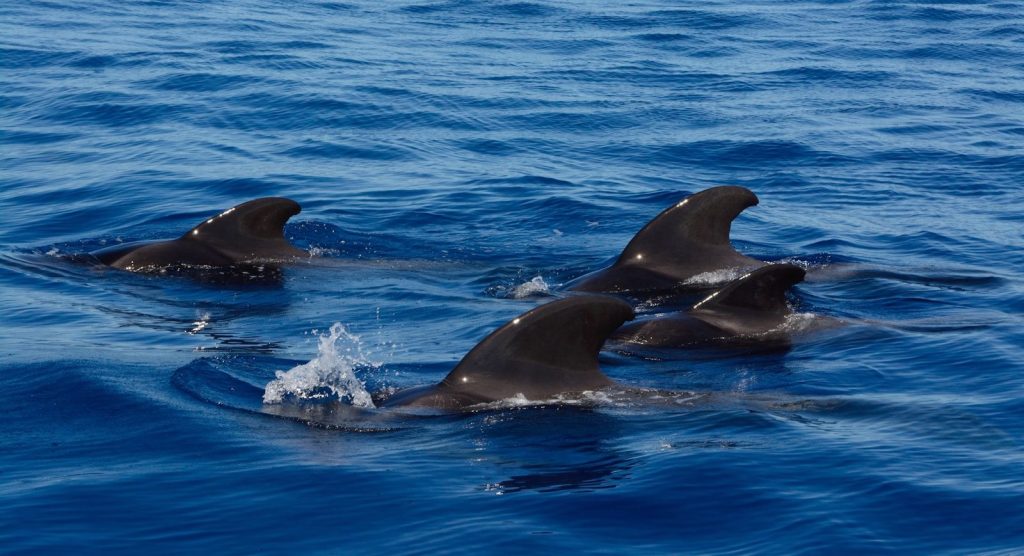
Experts often stress that wild animals are not acting out of malice when encounters occur. Sharks, bears, and other predators are simply responding to instincts that have allowed them to survive in their environments for thousands of years.
Understanding that natural ecosystems operate independently of human expectations can help promote safer coexistence. Respect for wildlife and awareness of shared habitats remain important tools for preventing unnecessary conflicts.