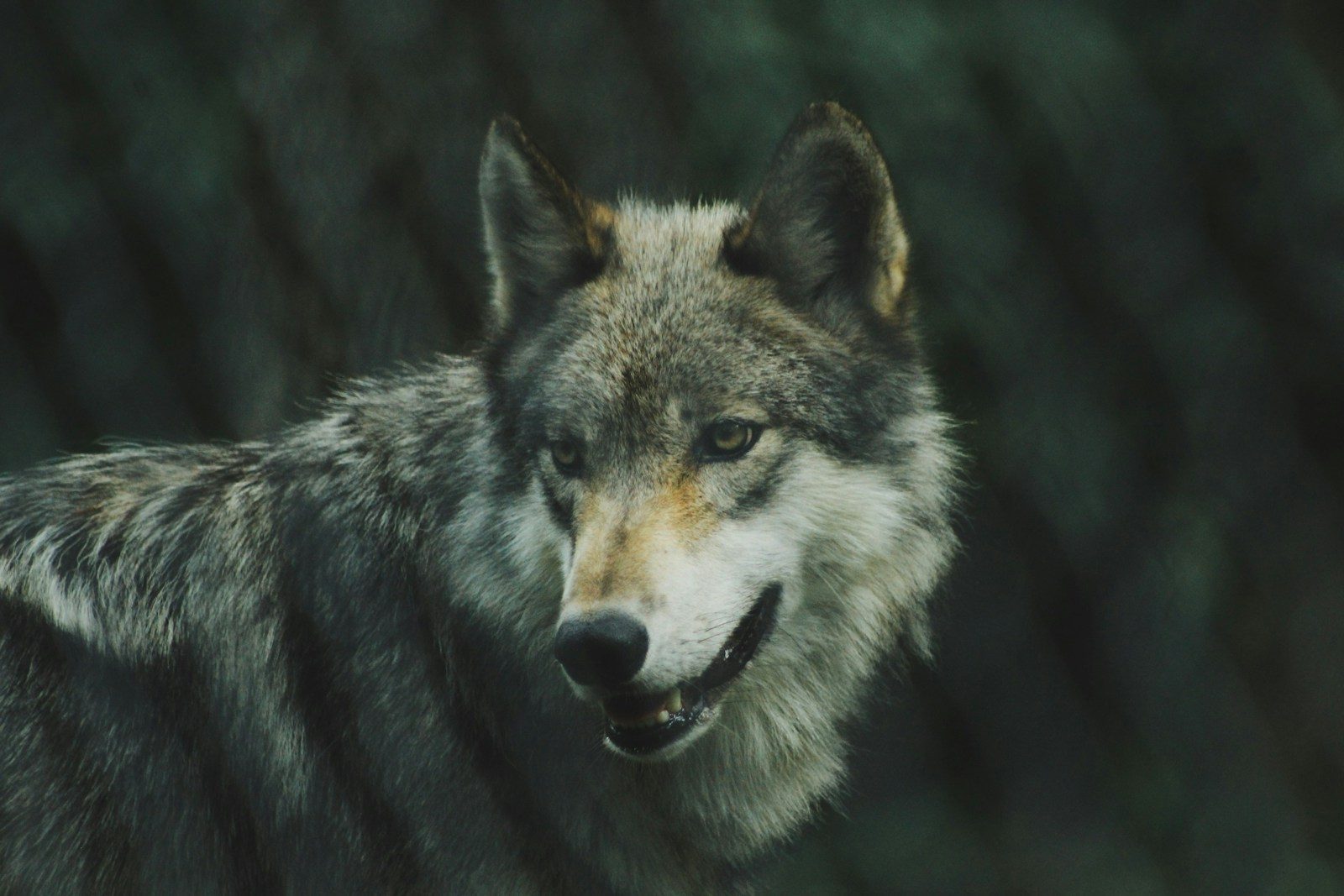
Wolves are often seen as apex predators, but in the natural world, they are not always at the top of the food chain. In certain environments, wolves can become targets themselves, especially when competing predators, larger carnivores, or opportunistic hunters cross paths with them. Nature is rarely simple, and survival often depends on size, numbers, and timing rather than reputation.
Below are four animals known to attack, kill, or even eat wolves under the right circumstances.
Bears, the Powerhouse Predators
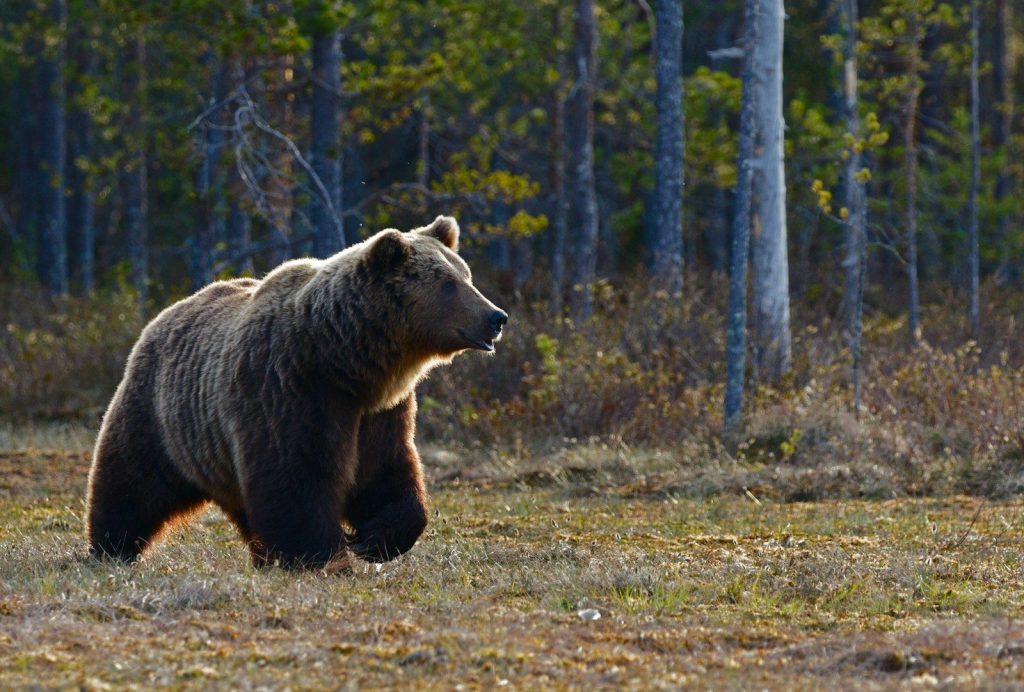
Large bears, especially grizzlies and brown bears, are among the few animals capable of overpowering wolves in a direct confrontation. While wolves usually avoid them, conflicts can occur over territory or food. In many cases, bears dominate these encounters due to their sheer size and strength, sometimes killing wolves that get too close.
Tigers, Silent and Efficient Hunters
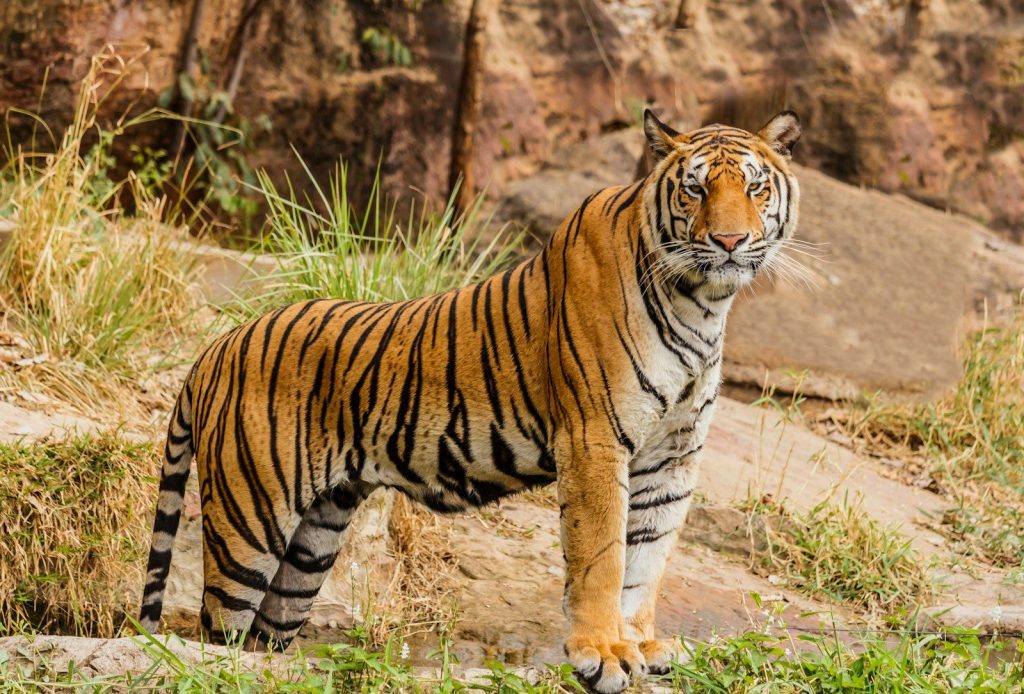
In parts of Asia where their ranges overlap, tigers are known to prey on wolves. Unlike bears, tigers rely on stealth and ambush tactics. A wolf caught alone or separated from its pack can become vulnerable to a sudden strike, making tigers one of the most dangerous predators wolves may encounter.
Packs of Other Wolves
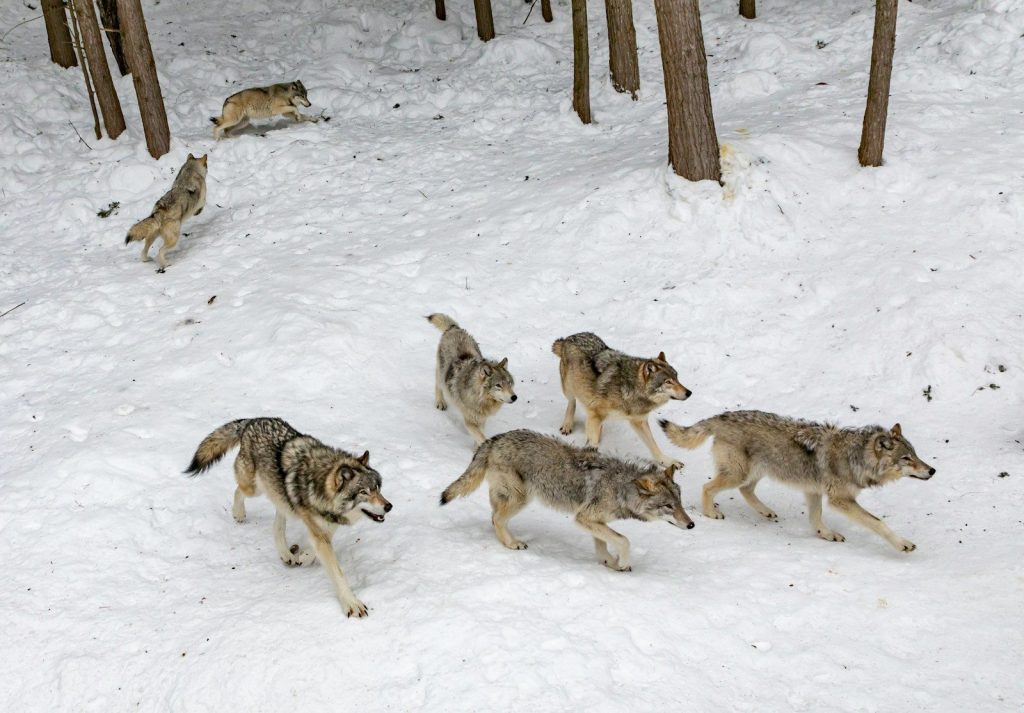
Wolves themselves can be a threat to other wolves. Territorial disputes between packs are often violent, especially when food is scarce or boundaries are challenged. These fights can turn deadly, with rival packs killing intruders to defend hunting grounds and dominance.
Coyotes in Certain Conditions
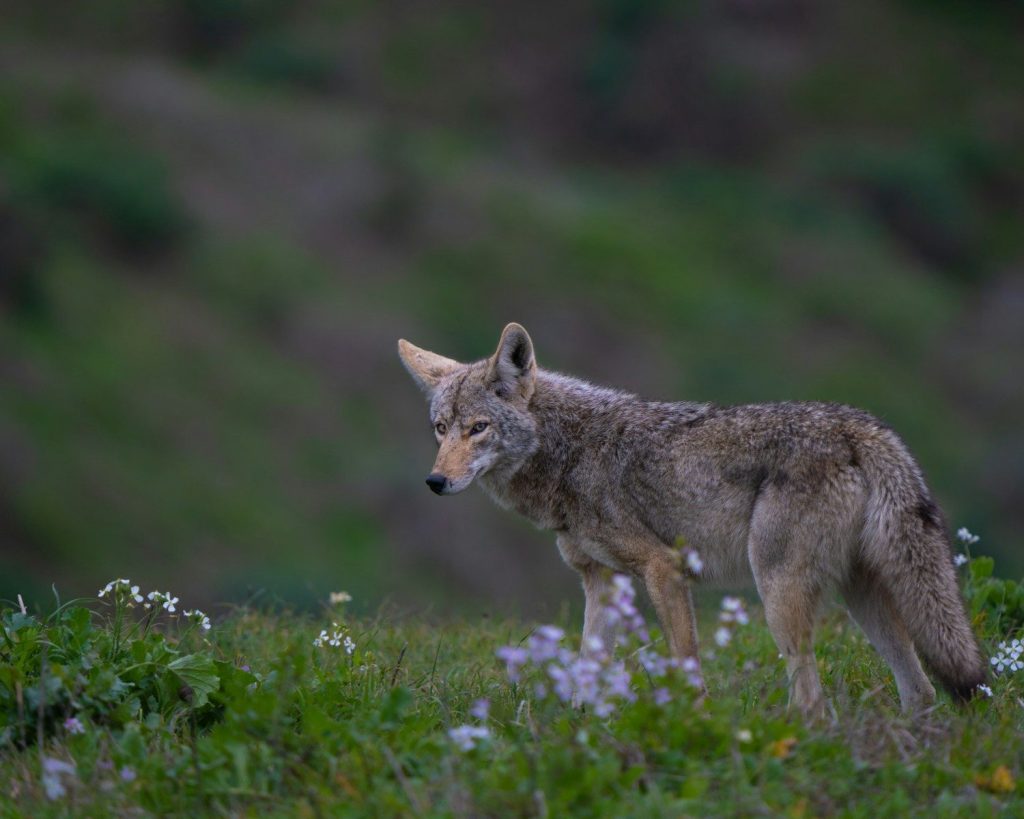
Although smaller than wolves, coyotes can become surprisingly dangerous in groups or when conditions give them an advantage. In rare cases, especially involving lone or weakened wolves, coyotes may harass or overwhelm their target through persistence and numbers, though direct kills are less common.
Humans, the Ultimate Predator

Historically and in modern times, humans remain the most significant threat to wolves. Through hunting, habitat loss, and conflict with livestock protection efforts, humans have had a major impact on wolf populations worldwide. Unlike natural predators, human influence is widespread and not limited by ecosystem boundaries.
A Reminder From the Wild
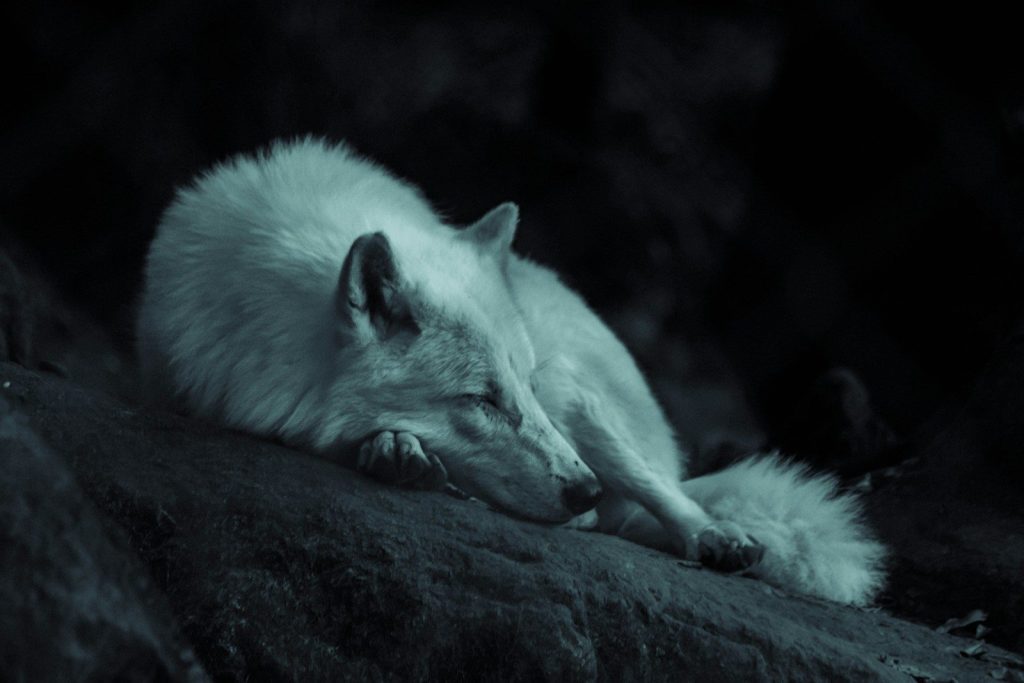
While wolves are powerful and highly intelligent predators, they are still part of a complex food web where even top hunters can become vulnerable. These rare but real interactions show that in nature, dominance is never absolute, and survival always depends on circumstance.