The phrase “smell fear” is catchy, but science describes something more precise. Stress, fear, and alarm can change the chemical mixtures released in sweat, breath, urine, or scent glands. Some animals can detect those changes and alter their behavior, even when visual or auditory information is carefully removed during experiments.
That ability does not prove an animal can read another creature’s thoughts or identify one universal “fear molecule.” Researchers instead study chemical cues linked with emotional or dangerous situations. Dogs, horses, rats, and mice provide some of the clearest evidence that smell can carry information about stress, fear, or alarm.
Dogs Detect Human Stress Odor

A controlled PLOS ONE experiment found that dogs could distinguish combined human breath and sweat samples collected before and after a stress-inducing task. The study used a double-blind procedure and removed visual cues from the people who provided the samples. That means the dogs were responding to odor differences associated with physiological stress. Researchers did not identify a single chemical called “fear”; instead, the dogs discriminated between complex scent profiles produced under different conditions.
Stress Odor Changes Dog Behavior
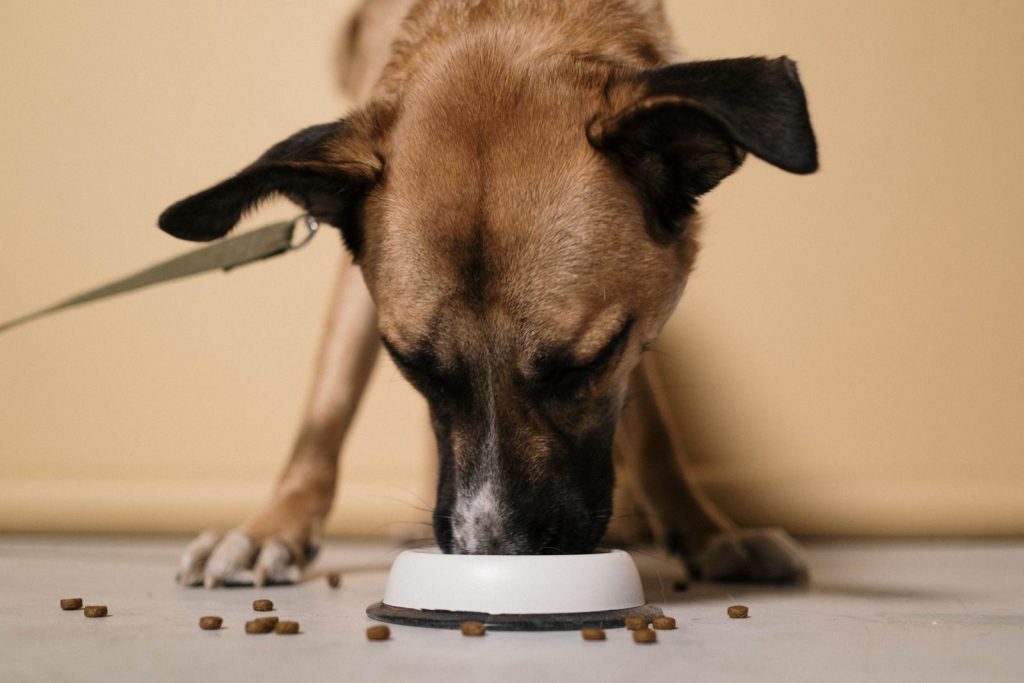
Detecting an odor is only part of the story. A 2024 Scientific Reports study found that the scent of an unfamiliar stressed person influenced dogs during a cognitive-bias test. Dogs exposed to stress odor were slower to approach an ambiguous food-bowl location, suggesting the scent changed expectations about possible rewards. Because the stressed humans were not present during testing, the result supports the idea that olfactory cues alone can affect canine behavior.
Horses Distinguish Fear and Joy Odors

Horses have also shown an ability to discriminate human body odors produced in different emotional contexts. In a 2023 study, researchers collected odor samples from people while they experienced fear or joy and then tested whether horses could tell them apart. The animals responded differently enough for researchers to conclude that the odor categories were distinguishable. The experiment demonstrates chemical discrimination, but it does not mean horses understand the human experience of fear exactly as people do.
Horses Respond to Fear-Related Odor

A 2026 PLOS ONE study went beyond discrimination and measured how horses behaved and responded physiologically to human emotional odors. When exposed to odor collected during a fear context, horses touched the experimenter less, watched a novel object more, and startled more than under joy or control conditions. These findings suggest fear-related human odor can influence horses, although researchers still avoid claiming that horses literally “smell fear” in the simple popular sense.
Rat Alarm Pheromones
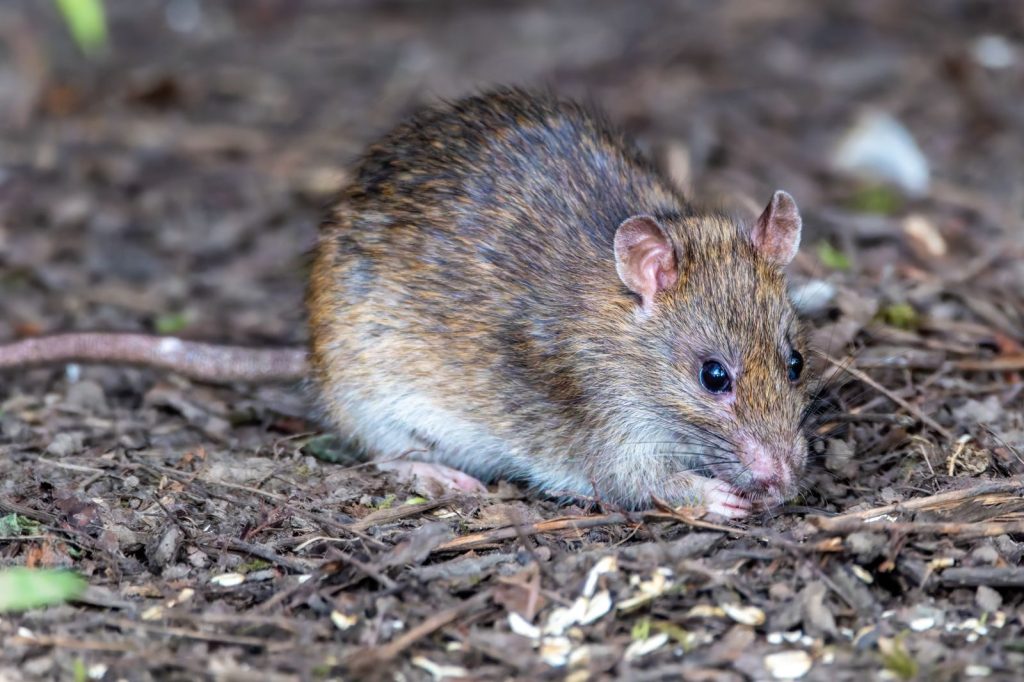
Rats can communicate danger through chemical signals released during stressful situations. Researchers have identified pheromonal compounds that increase anxiety-related responses in other rats. This kind of signaling can warn nearby members of the same species without requiring them to witness the original threat. It is a stronger example of chemical alarm communication than the vague phrase “smelling fear,” because scientists can experimentally collect, present, and measure responses to specific odor components.
Mouse Alarm Signals
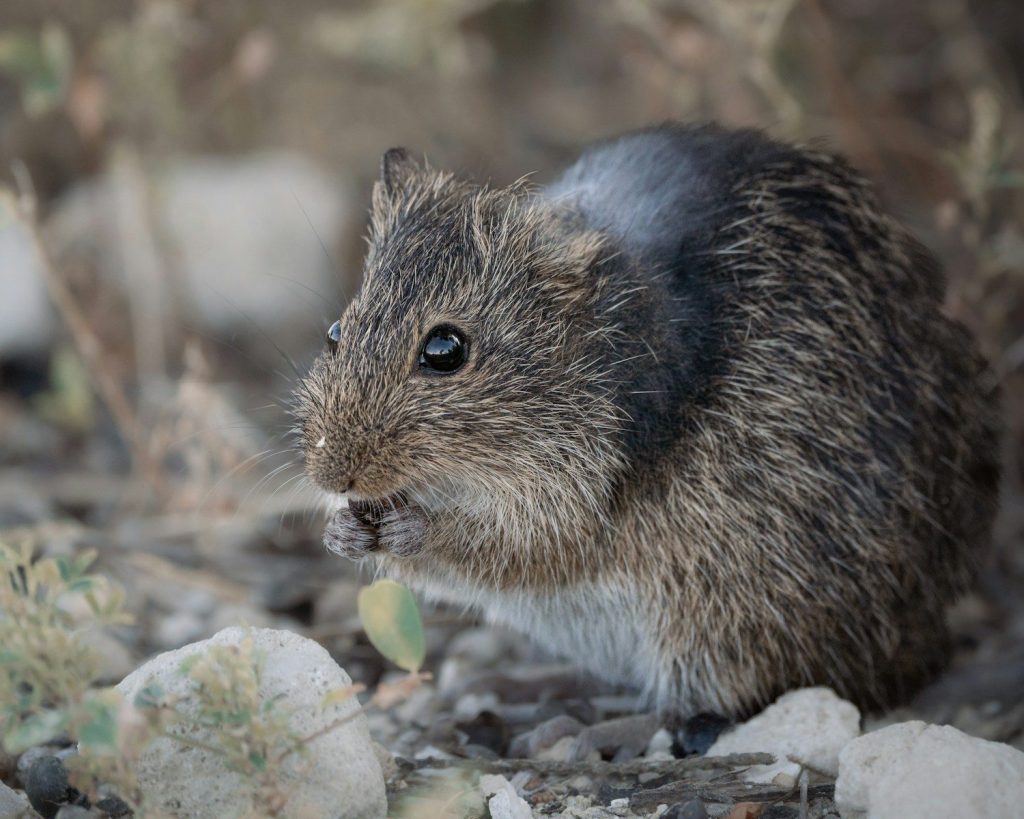
Mice also use chemical alarm cues. Research published in PNAS identified an alarm pheromone that shares structural similarities with certain predator odors. Specialized olfactory pathways can detect these chemicals and trigger defensive responses. For a mouse, scent can therefore carry information that danger may be nearby even when the threat itself is hidden. The response is not evidence of supernatural perception; it is a sensory system shaped by the survival value of reacting quickly to chemical warnings.
Predator Odors Trigger Defense
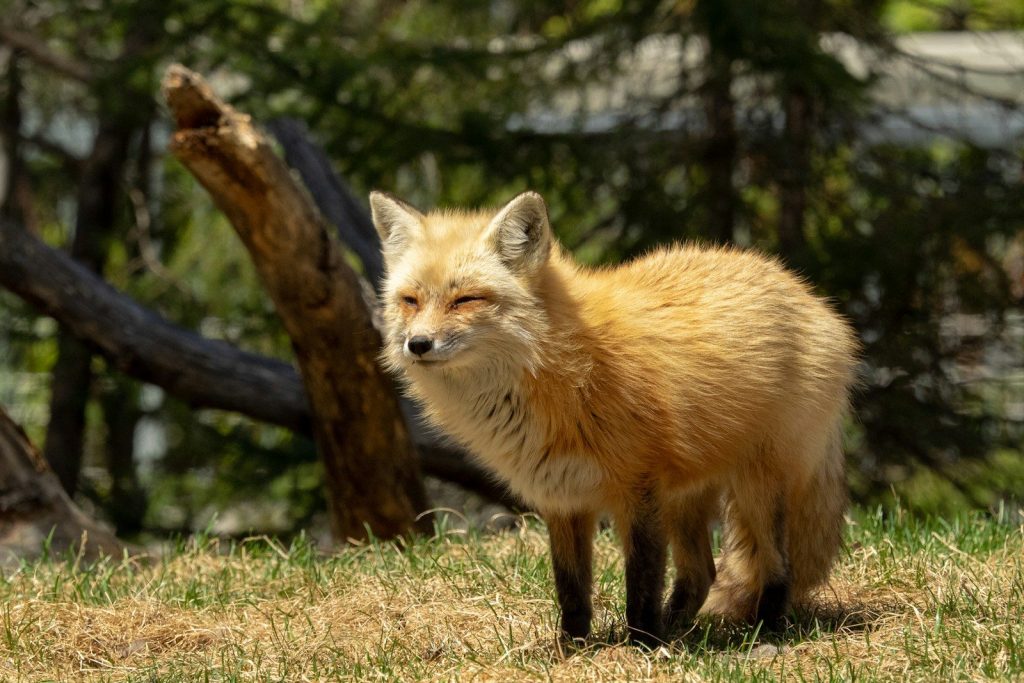
Rodents can respond strongly to odors associated with predators such as cats, foxes, or other carnivores. Laboratory studies use predator scent to examine neural circuits involved in defensive behavior because some of these odors can provoke avoidance, vigilance, or freezing without direct contact with the predator. In this situation the prey animal is detecting a danger cue from the predator, not the predator detecting “fear” in the prey. The distinction matters when explaining what smell actually communicates.
What “Smelling Fear” Really Means
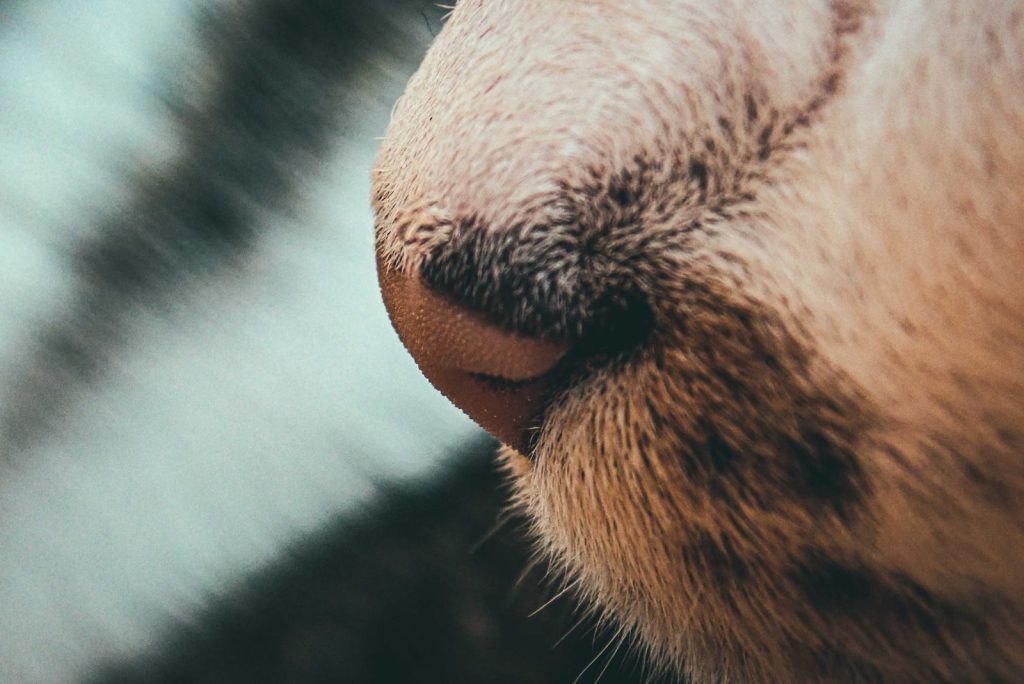
The safest scientific interpretation is that some animals detect chemical changes associated with stress, alarm, fear, or threat. Different species may respond to those cues in different ways, and scientists still do not know every chemical involved or exactly what each animal perceives. In real-world encounters, scent also mixes with posture, movement, sound, and previous experience. Saying an animal can “smell fear” is therefore shorthand for a much more complex sensory and behavioral process.
Featured Image: Photo by patrice schoefolt on Pexels