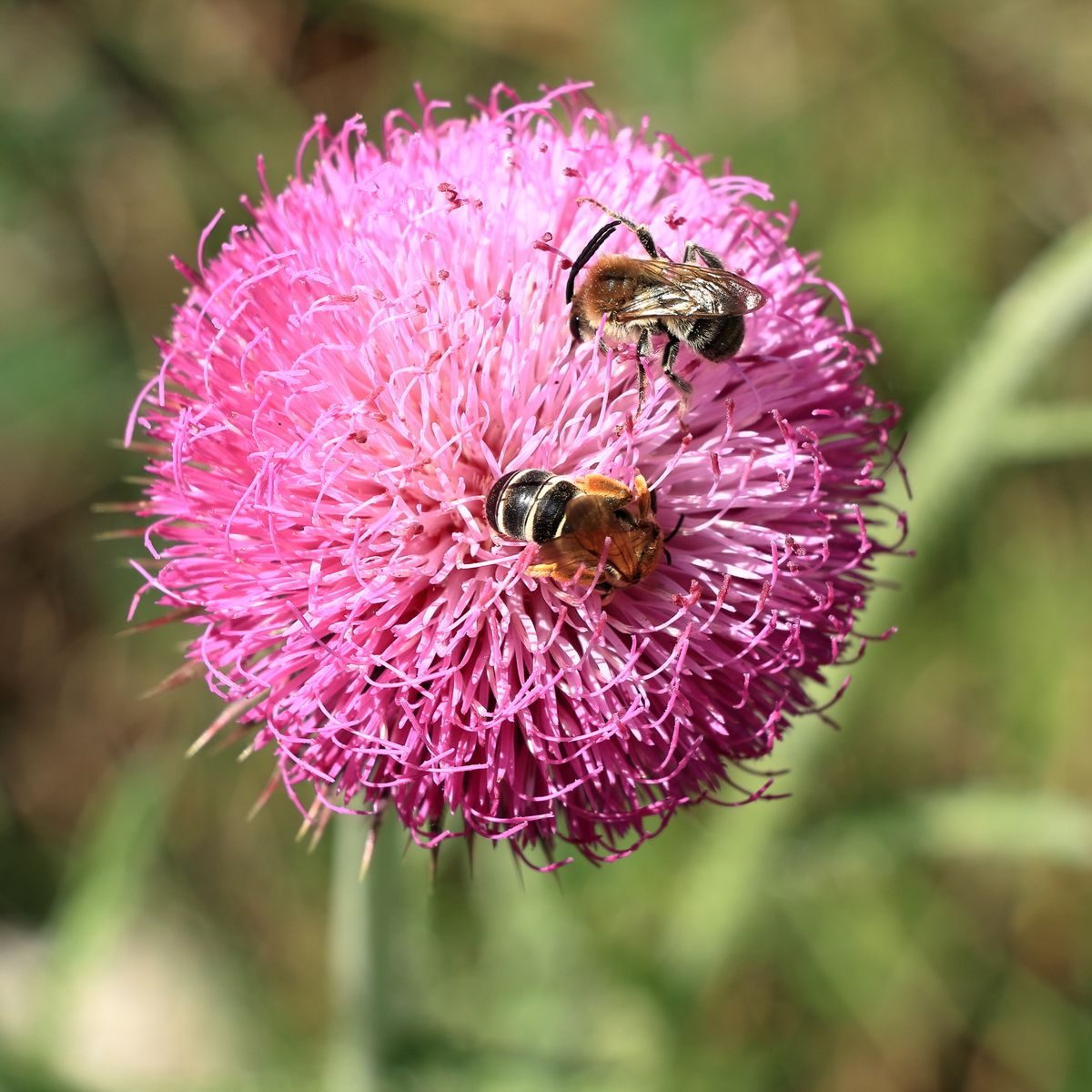
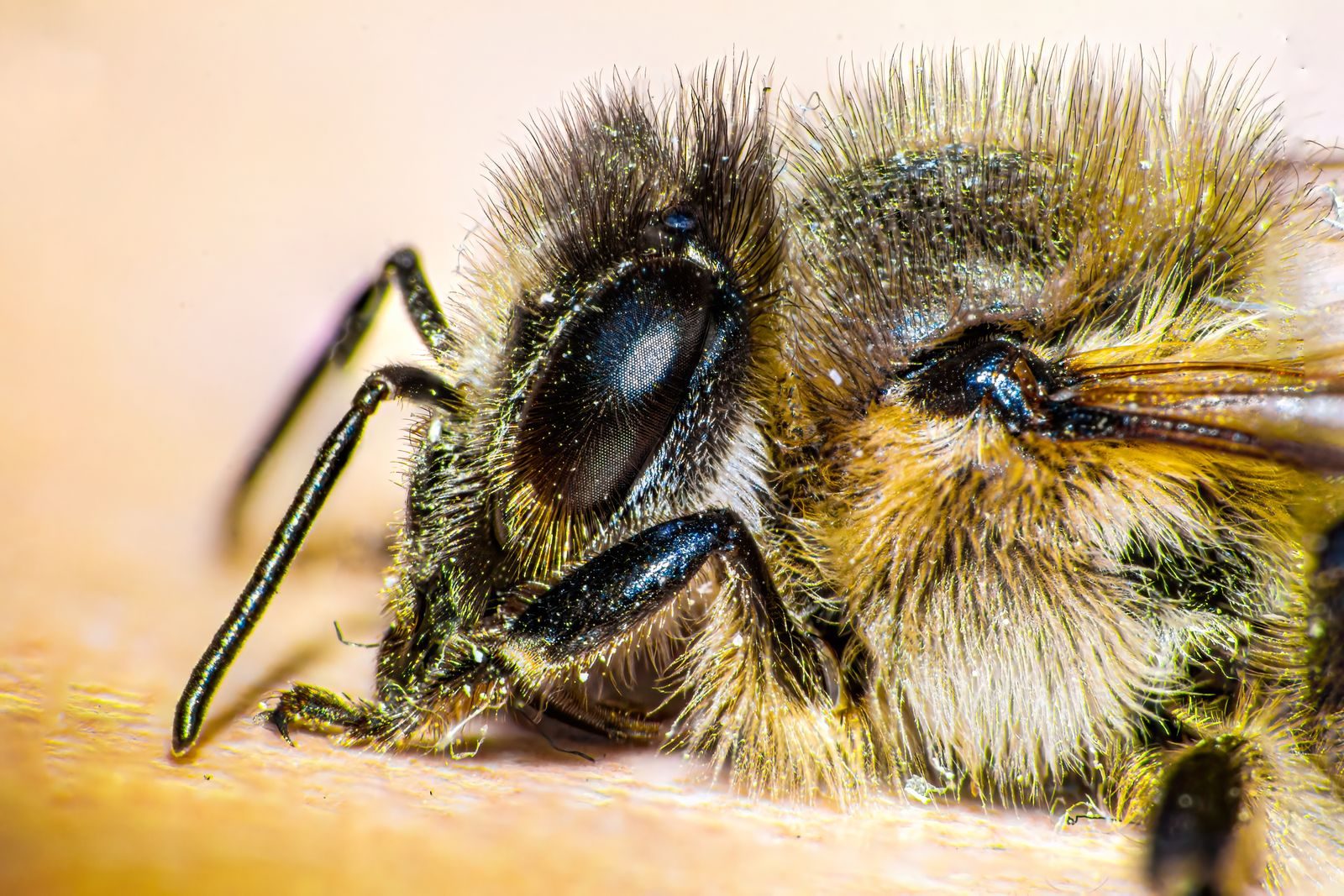
Carpenter bees can make homeowners nervous because females chew round holes into wood while large males hover nearby. Yet these native bees are valuable pollinators, and a single nest usually causes limited damage. The best response depends on where the bees are nesting and whether tunneling continues over multiple years.
Extension entomologists generally recommend avoiding unnecessary control when carpenter bees are not threatening important wood. Males cannot sting, females are usually docile, and prevention can often reduce future nesting. Repeated galleries in structural timbers deserve attention, but coexistence is reasonable when nests are located where damage remains minor and manageable.
Carpenter Bees Are Pollinators
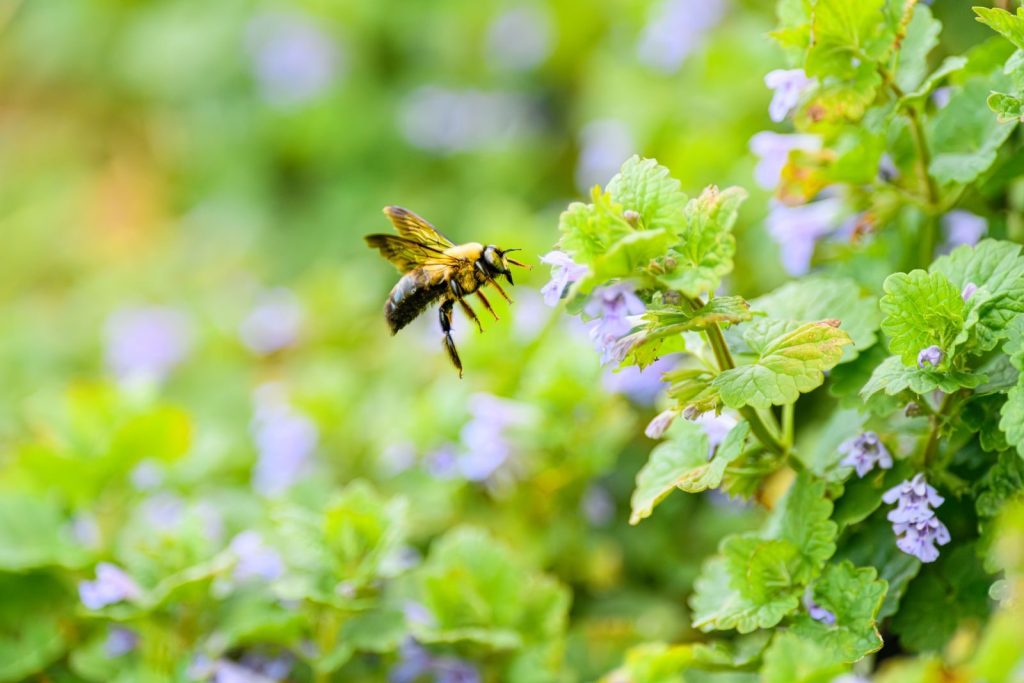
Carpenter bees feed on nectar and pollen rather than wood. Females tunnel into wood only to create nesting galleries, where they provision each brood cell with pollen and nectar for developing larvae. University of Maryland Extension describes carpenter bees as important native pollinators and says control is unnecessary unless they are damaging wooden structures. In gardens, their flower visits can contribute to pollination while the bees remain largely focused on feeding, mating, and nesting.
Male Carpenter Bees Cannot Sting

The large bee repeatedly hovering near a porch or deck may be a male guarding territory. Males can dart toward people and buzz loudly, which makes them look aggressive, but they do not have a sting. Their behavior is mainly territorial display around nesting areas. University of Maryland Extension specifically notes that male carpenter bees are harmless despite their intimidating flights, making observation from a reasonable distance far less risky than many homeowners assume.
Female Carpenter Bees Rarely Sting
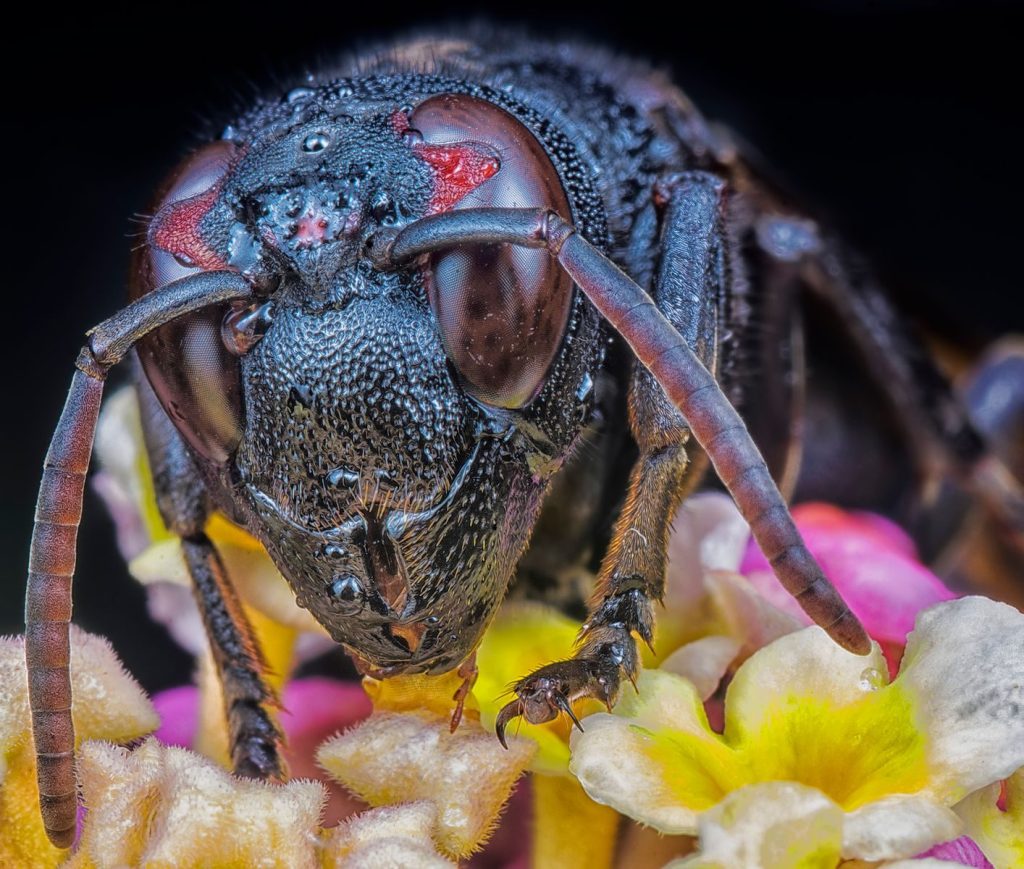
Female carpenter bees do have a sting, but extension specialists describe them as docile. They are most likely to sting if they are handled, squeezed, or directly threatened rather than simply because someone walks near a nest entrance. Carpenter bees are solitary, so they do not defend a large colony in the same way some social bees and wasps can. Giving active females space is usually enough to avoid a defensive encounter.
Round Holes Lead to Nest Galleries
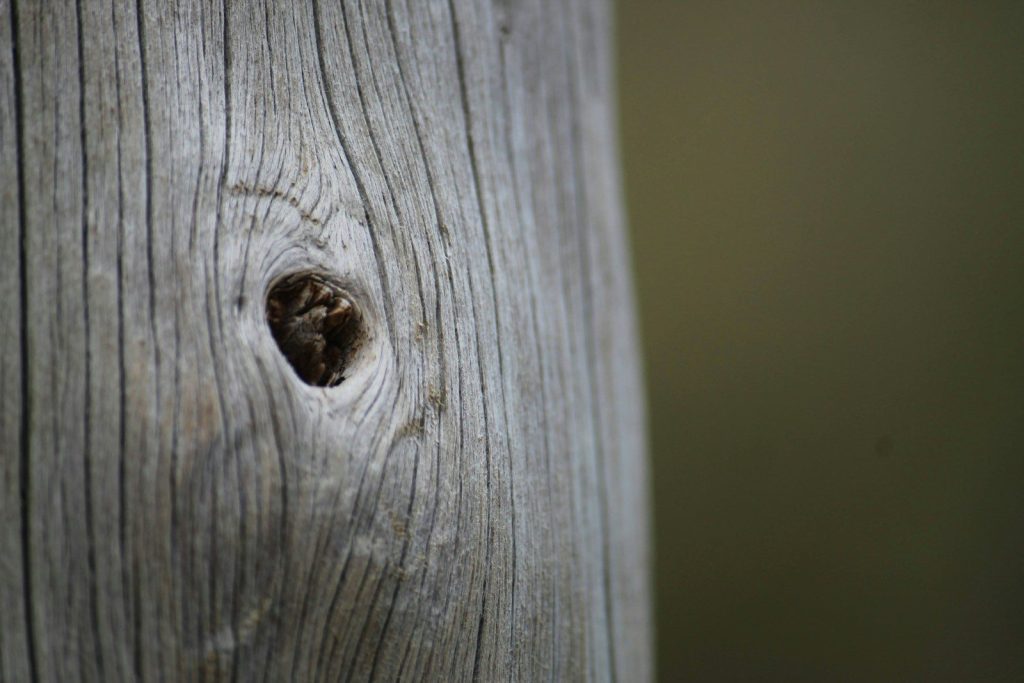
A female carpenter bee typically chews a round entrance about half an inch across. The tunnel initially runs into the wood, then turns and follows the grain. Inside, she creates a series of brood cells, each containing an egg and a supply of pollen and nectar. The bees prefer raw, weathered, stained, or unfinished wood. Cracks and nail holes can make a surface even easier for a female to begin excavating.
One Nest Usually Causes Limited Damage

A single carpenter bee gallery usually does not create serious structural damage. The larger concern is repeated use. Successive generations may return to old tunnels, extend them, and create additional galleries nearby. Over several years, numerous tunnels can weaken wood, while moisture, staining, mold, or woodpeckers searching for larvae may add secondary damage. That difference is why a few nests can often be tolerated while a persistent infestation deserves closer inspection.
Painted Wood Is Less Attractive

Prevention can often reduce carpenter bee nesting without immediately reaching for insecticides. University of Maryland Extension recommends maintaining sound, finished wood surfaces because well-painted wood is rarely attacked. Filling cracks, splinters, and nail holes before painting removes convenient starting points for excavation. In places with repeated problems, replacing exposed wood with non-wood materials or protective coverings can make the area less suitable for nesting while preserving nearby native pollinator habitat.
When Leaving Them Alone Makes Sense

If carpenter bees are using a fence post, garden structure, or other piece of wood where tunneling will not create meaningful damage, leaving them alone can be a reasonable choice. Their pollination value and generally low sting risk support coexistence in suitable locations. The important question is not simply whether a hole exists, but whether nesting is compromising structural wood, occurring repeatedly in large numbers, or creating a genuine safety concern for people nearby.
When Management Is Justified
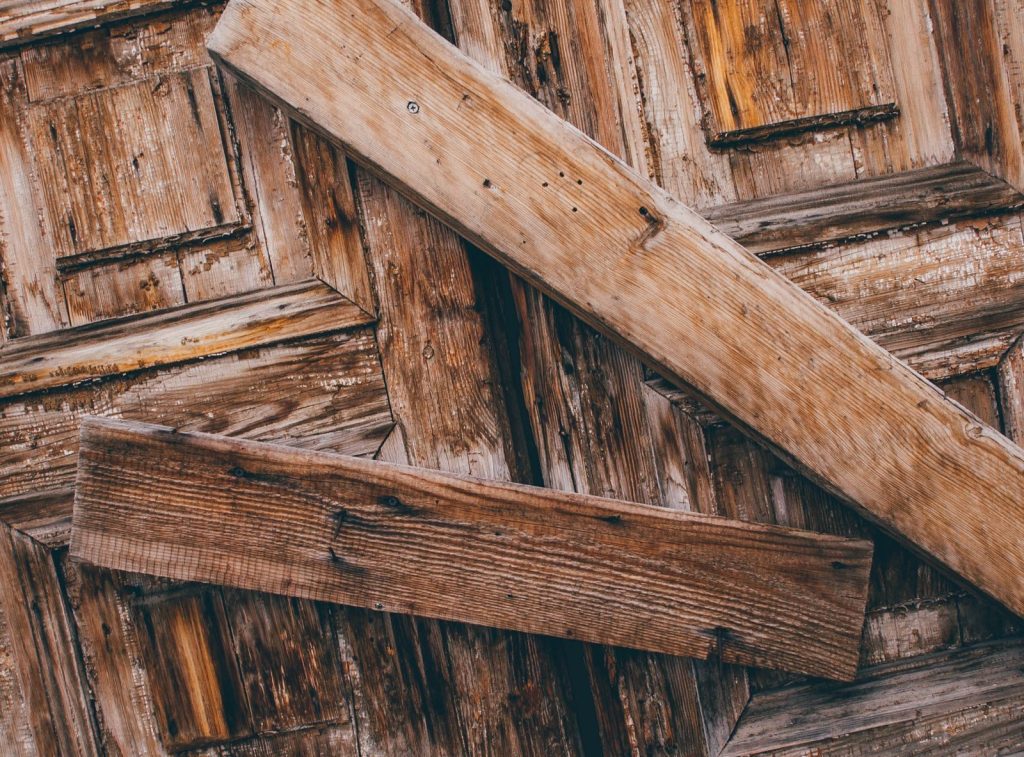
Management becomes more reasonable when many galleries are weakening structural components, nesting recurs year after year, or bees are using high-traffic areas where close contact cannot be avoided. Repairs should address the wood condition as well as the insects, because untreated weathered surfaces can attract future nesters. When pesticide use is considered, follow the product label and local extension guidance carefully; targeted prevention and repair are preferable to indiscriminate treatment of pollinating insects.
Featured Image: Photo by Manuel E Sankitts on Unsplash