Many people assume that certain famous animals are endangered simply because they are rarely seen in the wild or are often discussed in conservation campaigns. While some species truly are at risk, others have managed to recover thanks to successful conservation efforts or were never officially endangered in the first place.
The International Union for Conservation of Nature (IUCN) tracks animal populations worldwide using its well-known Red List system. Some animals once faced serious threats but now have stable or growing populations, proving that conservation efforts can make a real difference.
Giant Pandas Made an Incredible Comeback

Giant pandas were once considered one of the world’s most endangered animals because of habitat loss and low birth rates. However, decades of habitat protection and breeding programs helped their population recover significantly.
The IUCN reclassified giant pandas from “Endangered” to “Vulnerable” in 2016. While they still face environmental challenges, their recovery is viewed as one of conservation’s biggest success stories.
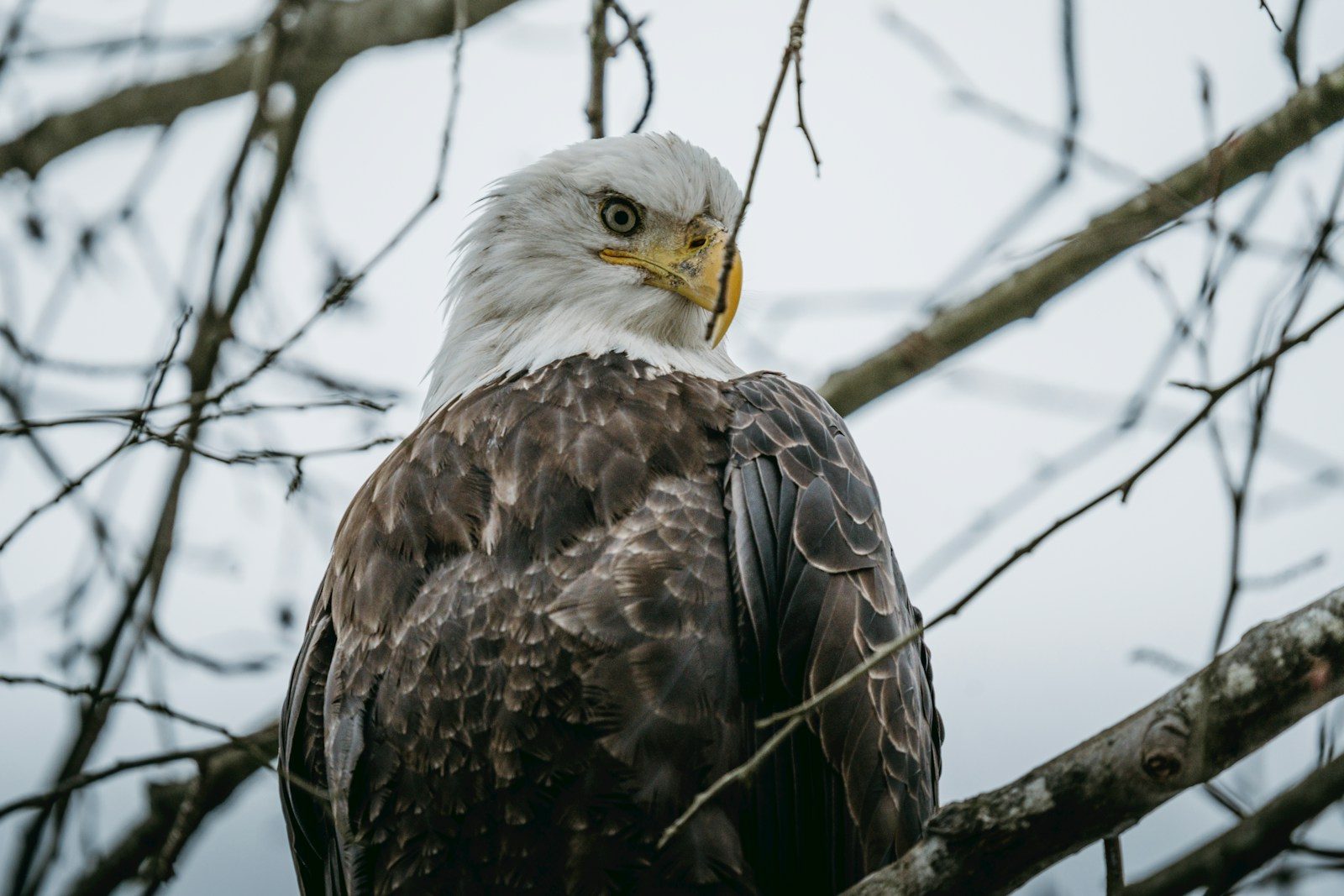
Bald Eagles Are No Longer Endangered
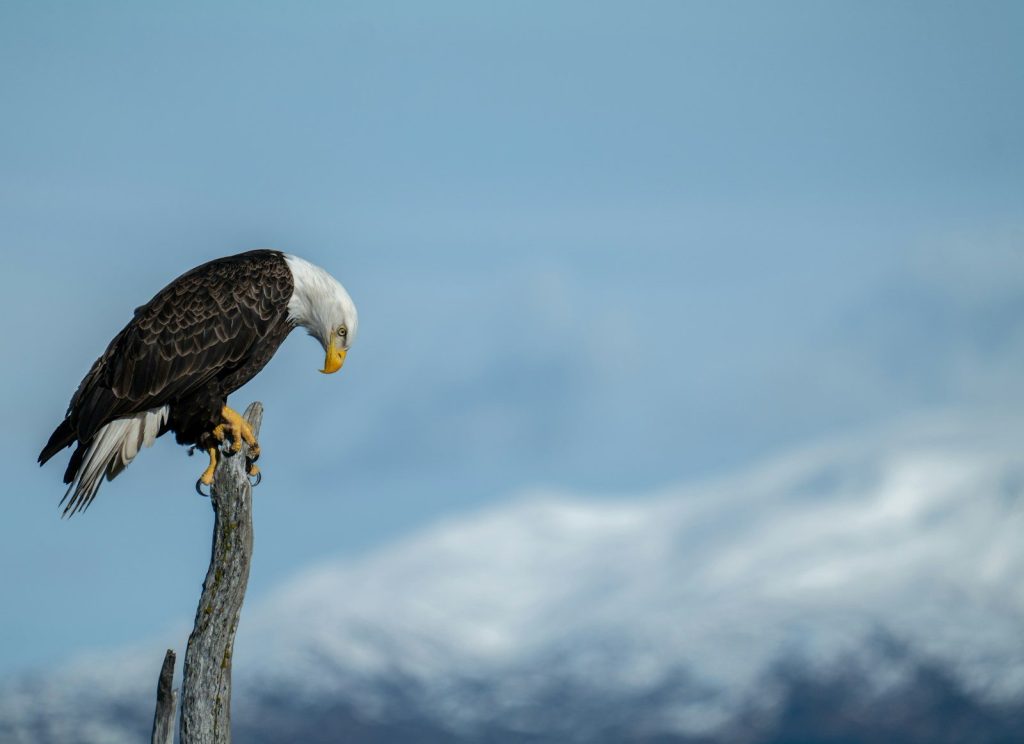
The bald eagle was once close to disappearing in the United States due to hunting and pesticide exposure. Chemicals like DDT weakened eggshells and caused dramatic population declines during the 20th century.
After strict protections and the banning of DDT, bald eagle numbers rebounded across North America. They were officially removed from the U.S. endangered species list in 2007.
Gray Wolves Have Recovered in Several Regions
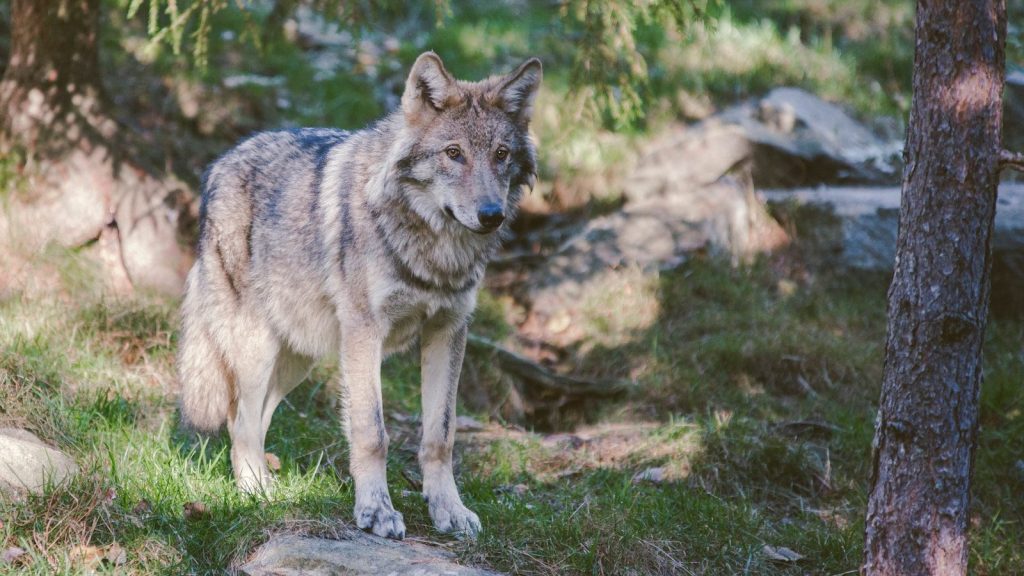
Gray wolves are often viewed as critically endangered because they nearly vanished from many parts of North America. While some local populations remain protected, wolf numbers have recovered strongly in several states and regions.
Conservation laws and reintroduction programs helped restore populations in areas like Yellowstone National Park. Their recovery has become one of the most discussed wildlife success stories in modern conservation.
American Alligators Rebounded From Near Extinction
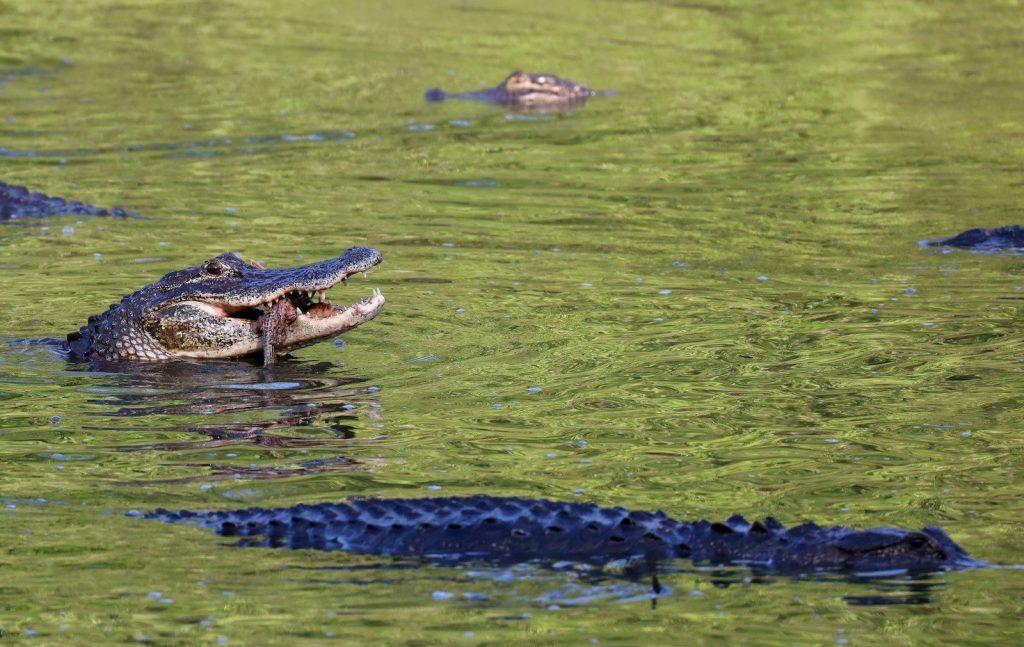
American alligators were heavily hunted for their skin during the mid 1900s, pushing them close to extinction in parts of the southern United States. Strict legal protections eventually allowed their numbers to recover.
Today, they are considered a conservation success and are classified as “Least Concern” by the IUCN. In many southern wetlands, alligator populations are now healthy and stable.
Humpback Whales Have Seen Population Growth
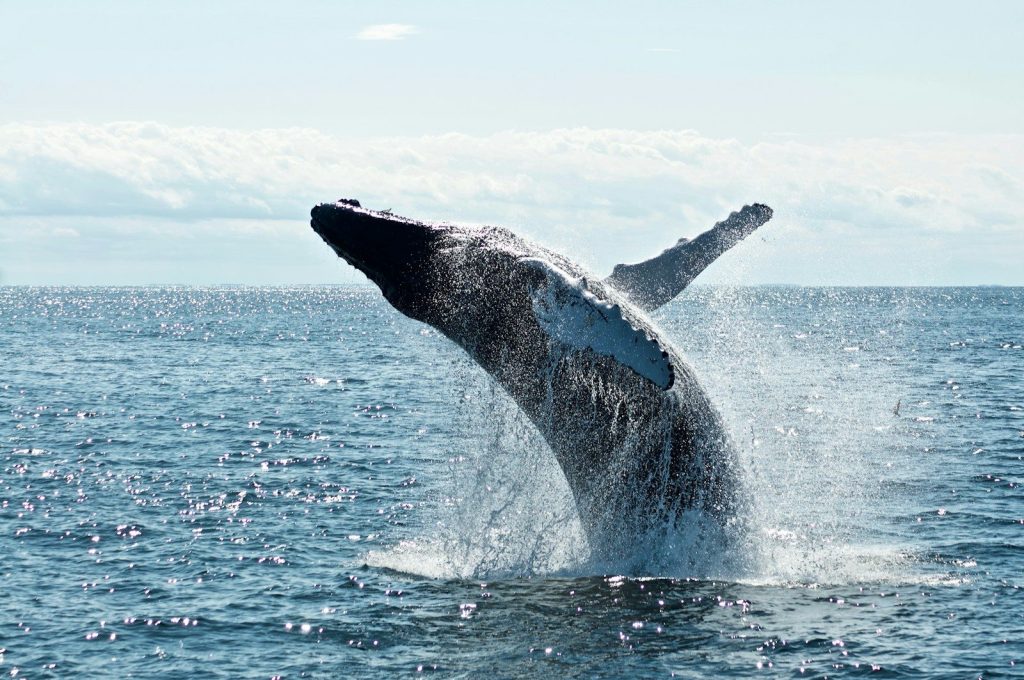
Humpback whales were once devastated by commercial whaling operations around the world. Some populations dropped dramatically before international protections were introduced.
After decades of conservation measures and whaling bans, many humpback whale populations have recovered significantly. While some groups still face threats, the species overall is no longer considered globally endangered.
Mountain Gorillas Are Slowly Recovering
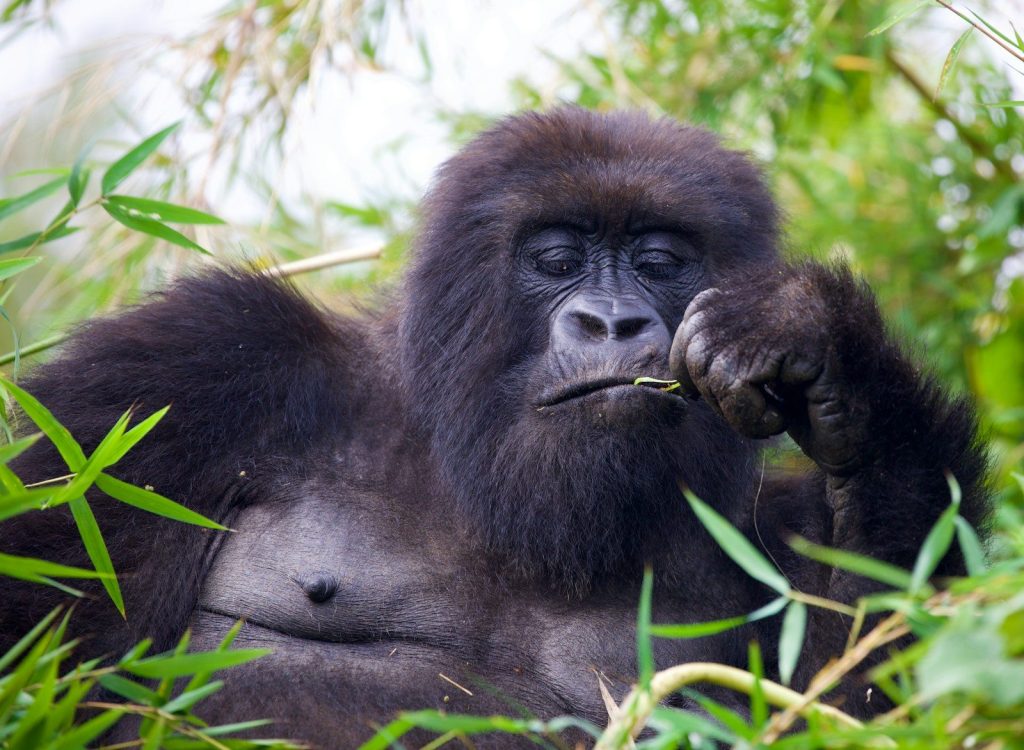
Mountain gorillas remain vulnerable, but many people do not realize their population has actually increased in recent decades. Intensive conservation efforts and anti-poaching measures helped stabilize their numbers.
Their population has now surpassed one thousand individuals in the wild, marking an important milestone for great ape conservation. Continued protection remains essential for their survival.
Brown Bears Are More Stable Than Many Think
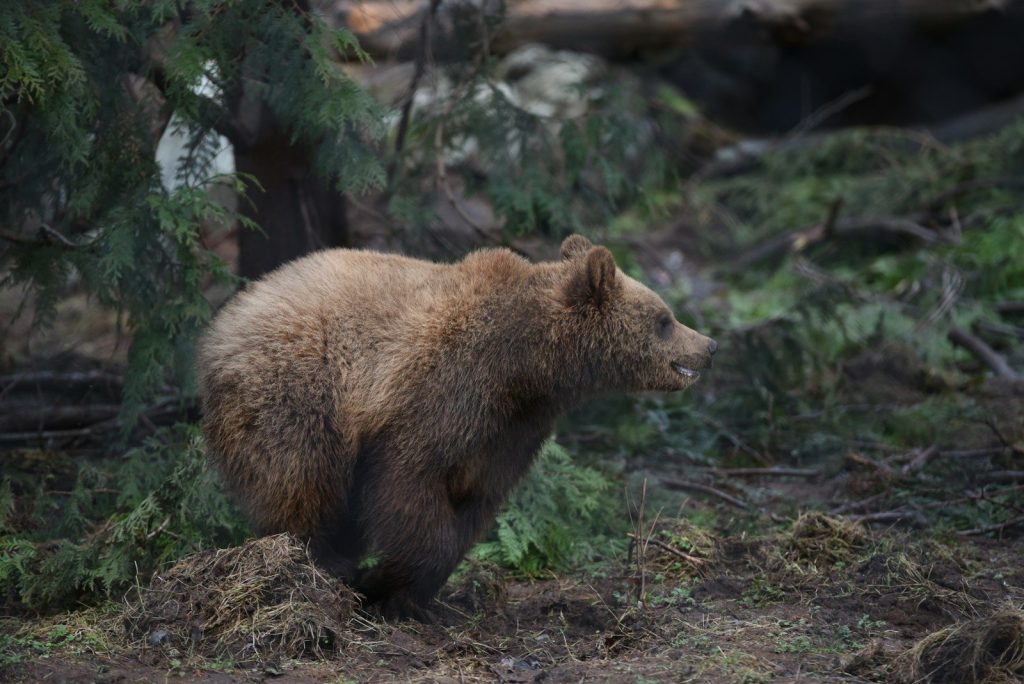
Brown bears are often mistaken for endangered animals because of concerns surrounding habitat loss and human conflict. However, the species as a whole has a large and widespread global population.
While some isolated populations are threatened, brown bears overall are classified as “Least Concern.” Many regions in North America and Europe now support stable or growing bear populations.