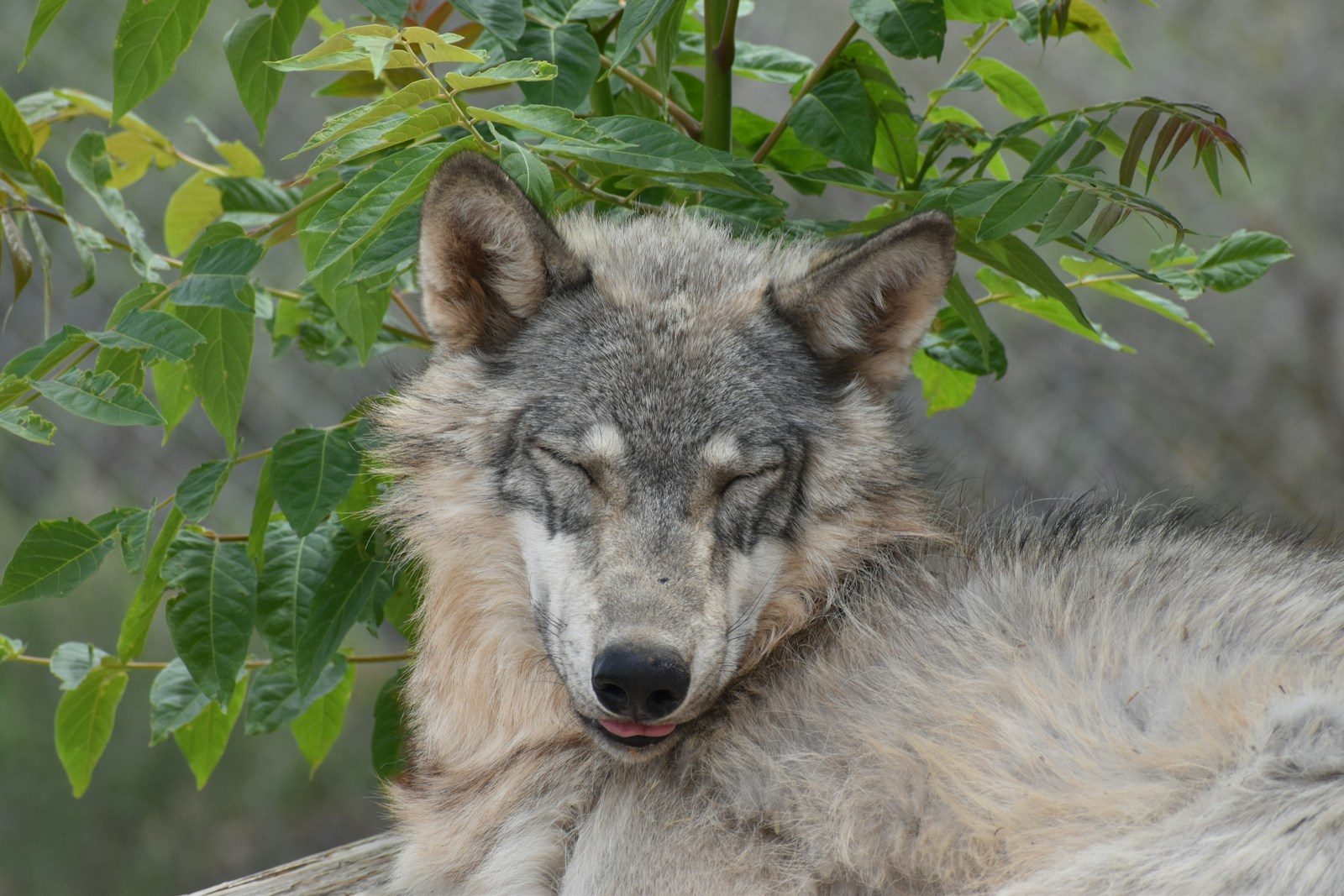
Wolves are among the most fascinating predators on Earth, known for their intelligence, social bonds, and haunting calls across the wilderness. Although they were once heavily hunted in many regions, conservation efforts have helped wolf populations recover in several parts of the world.
For wildlife lovers, seeing a wild wolf in its natural habitat is an unforgettable experience. From snowy forests to remote mountain ranges, these destinations offer some of the best opportunities to witness wolves living freely in the wild.
Yellowstone National Park, United States
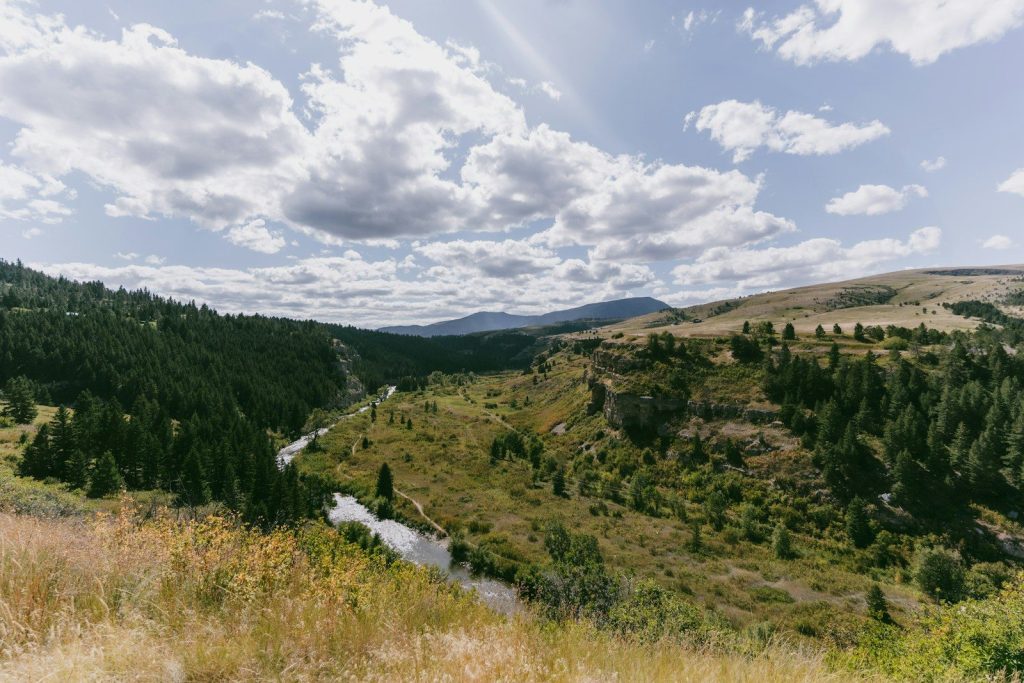
Yellowstone is one of the most famous wolf-watching destinations in the world. Gray wolves were successfully reintroduced here in 1995 after disappearing from the park for decades.
The Lamar Valley is especially well known for wolf sightings during early morning and evening hours. Visitors often spot packs hunting elk or moving through open grasslands.
Denali National Park, Alaska
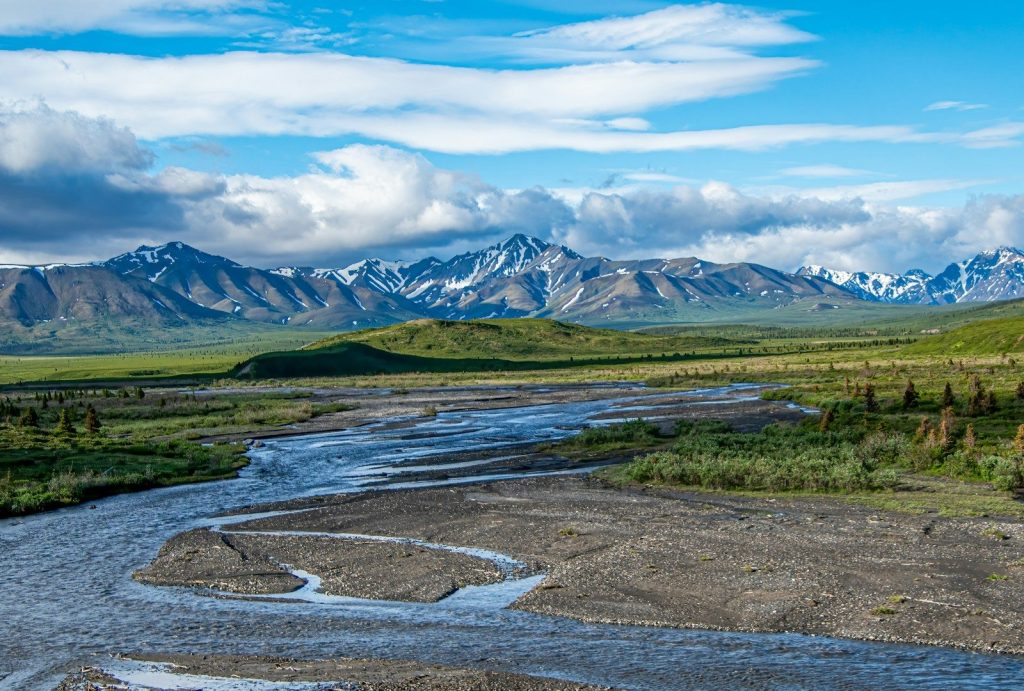
Denali’s vast wilderness provides ideal habitat for wolves and other large predators. The park’s remote landscapes allow wolf packs to roam naturally across huge territories.
Although sightings are never guaranteed, lucky visitors may see wolves crossing tundra valleys or traveling near riverbeds. The untouched scenery makes the experience even more dramatic.
Algonquin Provincial Park, Canada
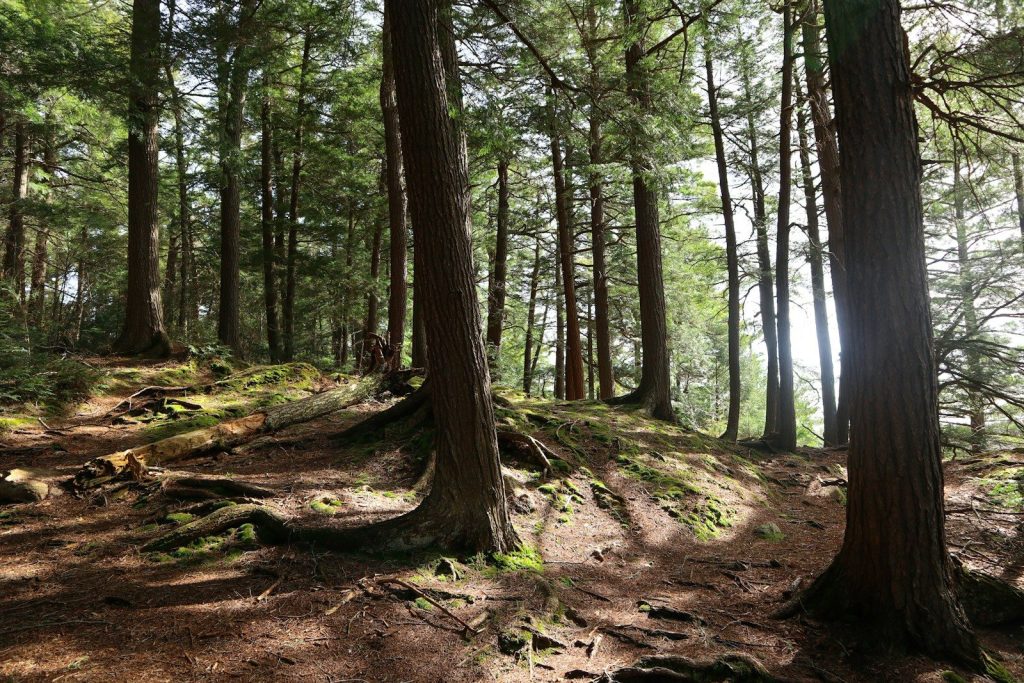
Located in Ontario, Algonquin Provincial Park is famous for its eastern wolf population. The park is particularly popular during organized wolf howl events held in late summer.
Visitors often hear wolves calling across the forest at night, creating one of the most unforgettable wildlife experiences in Canada. The park’s lakes and forests provide excellent habitat for these elusive animals.
Yellowstone Region of Montana, United States
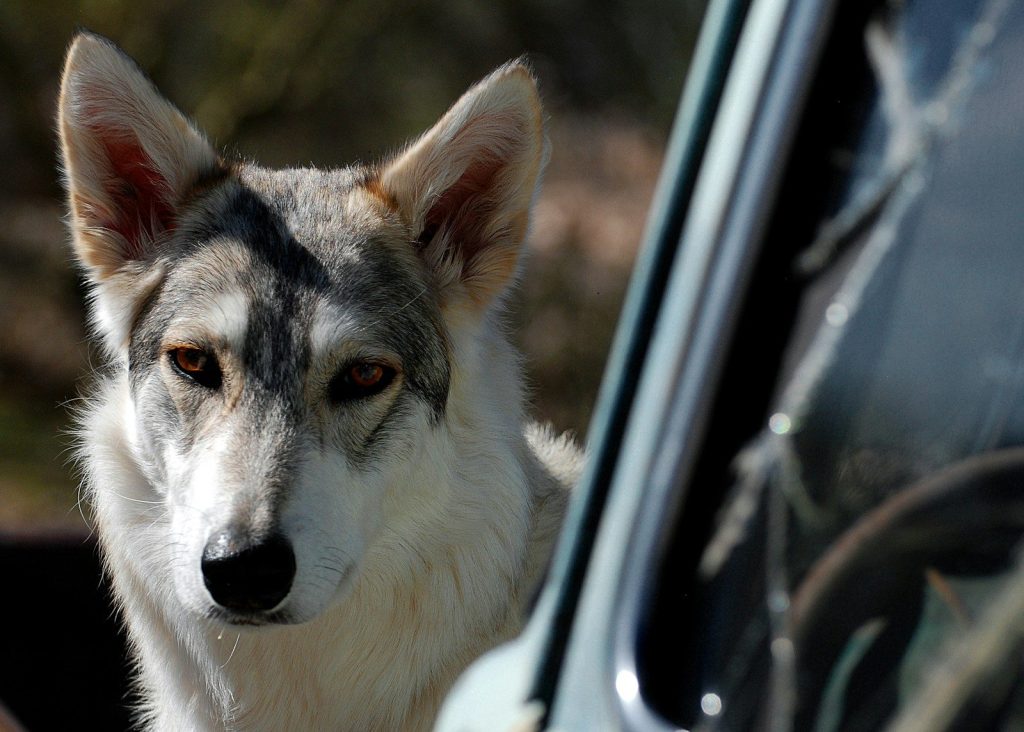
Beyond Yellowstone itself, nearby areas in Montana also support healthy wolf populations. The rugged mountains and forests offer important corridors for wolf movement.
Wildlife tours in the region frequently track wolf activity using spotting scopes and local knowledge. Winter is considered one of the best seasons for sightings because wolves stand out against snowy landscapes.
Carpathian Mountains, Romania
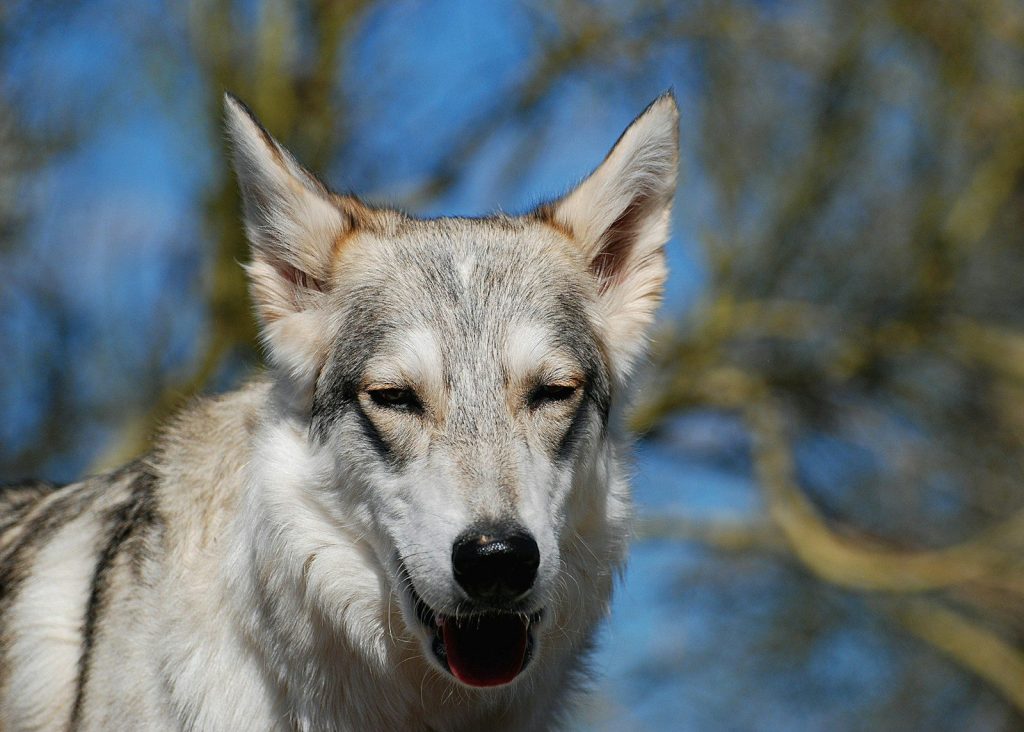
Romania’s Carpathian Mountains contain one of Europe’s largest wild wolf populations. Dense forests and remote terrain make the region a stronghold for predators like wolves, lynx, and bears.
Guided wildlife tours give visitors a chance to search for tracks, hear howls, and occasionally spot wolves moving through forest clearings. The region remains one of Europe’s top wilderness destinations.
Scandinavian Wilderness, Sweden and Norway
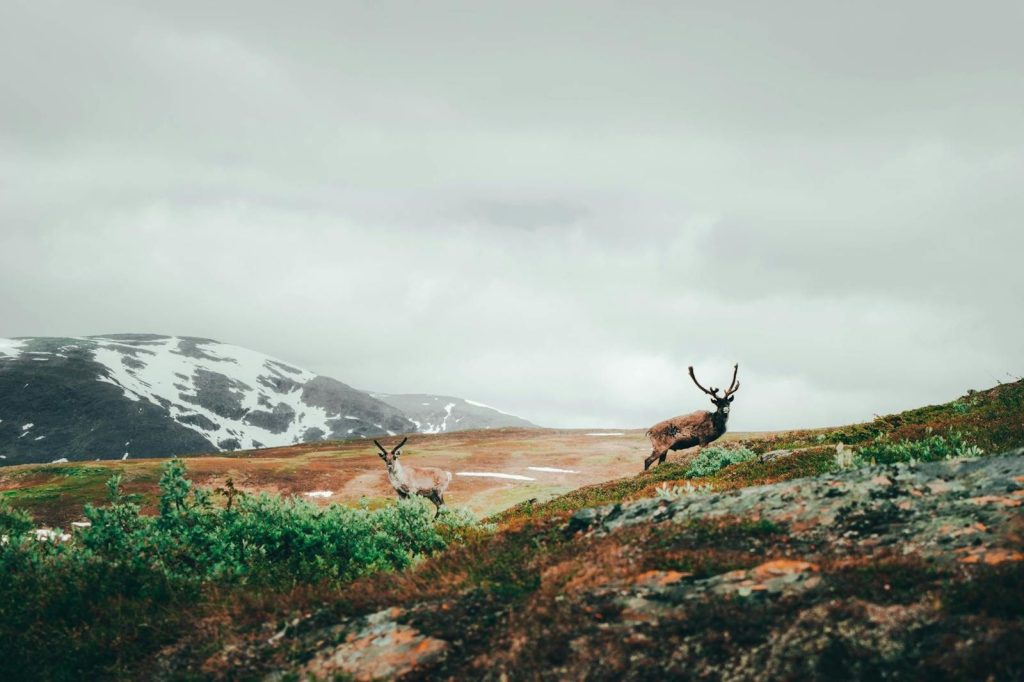
The forests of Sweden and Norway are home to recovering wolf populations after years of decline. Strict protections helped wolves slowly return to parts of Scandinavia.
Winter tracking tours are especially popular because wolf footprints are easier to follow in deep snow. These northern forests provide a quiet and authentic wilderness experience.
Iberian Peninsula, Spain
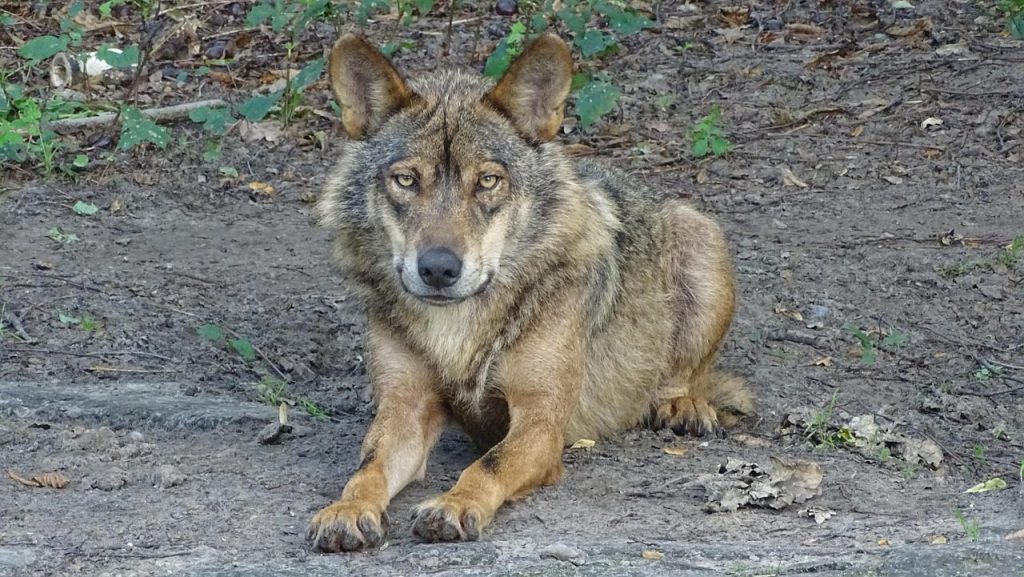
Northern Spain is home to the Iberian wolf, a unique subspecies adapted to the region’s mountains and grasslands. Areas like Sierra de la Culebra are considered some of the best places in Europe to observe wild wolves.
Local guides often help visitors locate wolves from a safe distance using binoculars and spotting scopes. The combination of scenic landscapes and active wolf populations attracts wildlife enthusiasts from around the world.