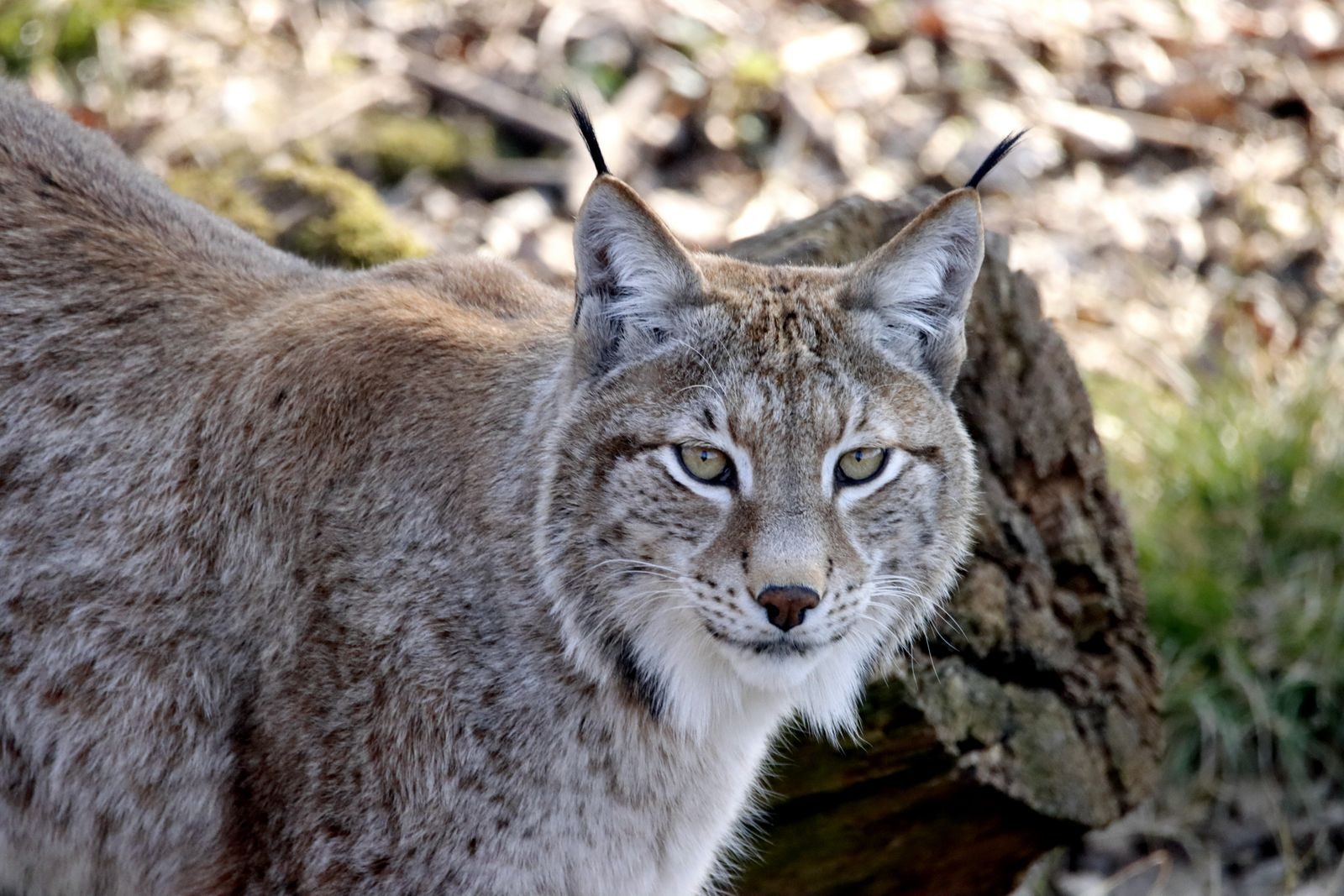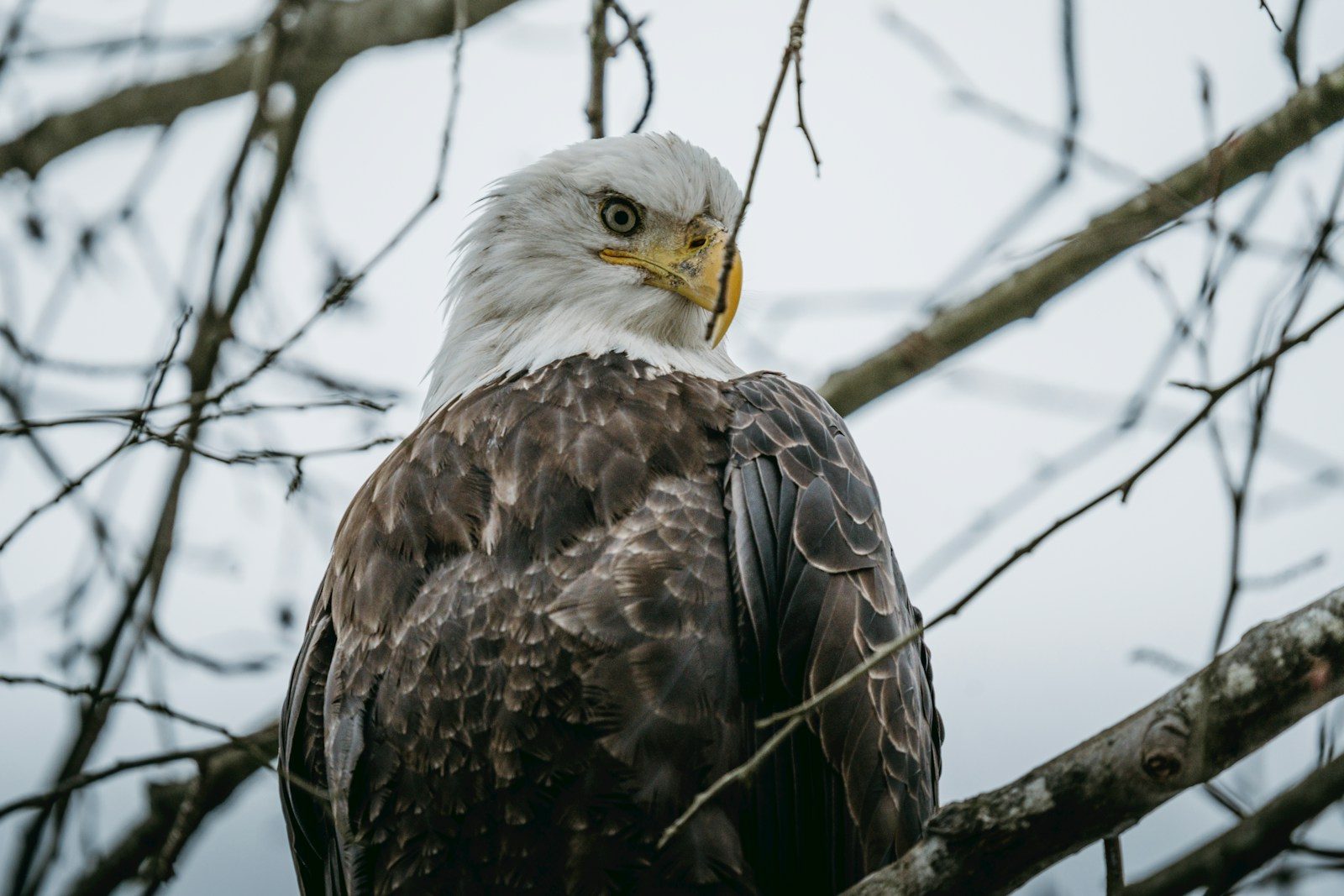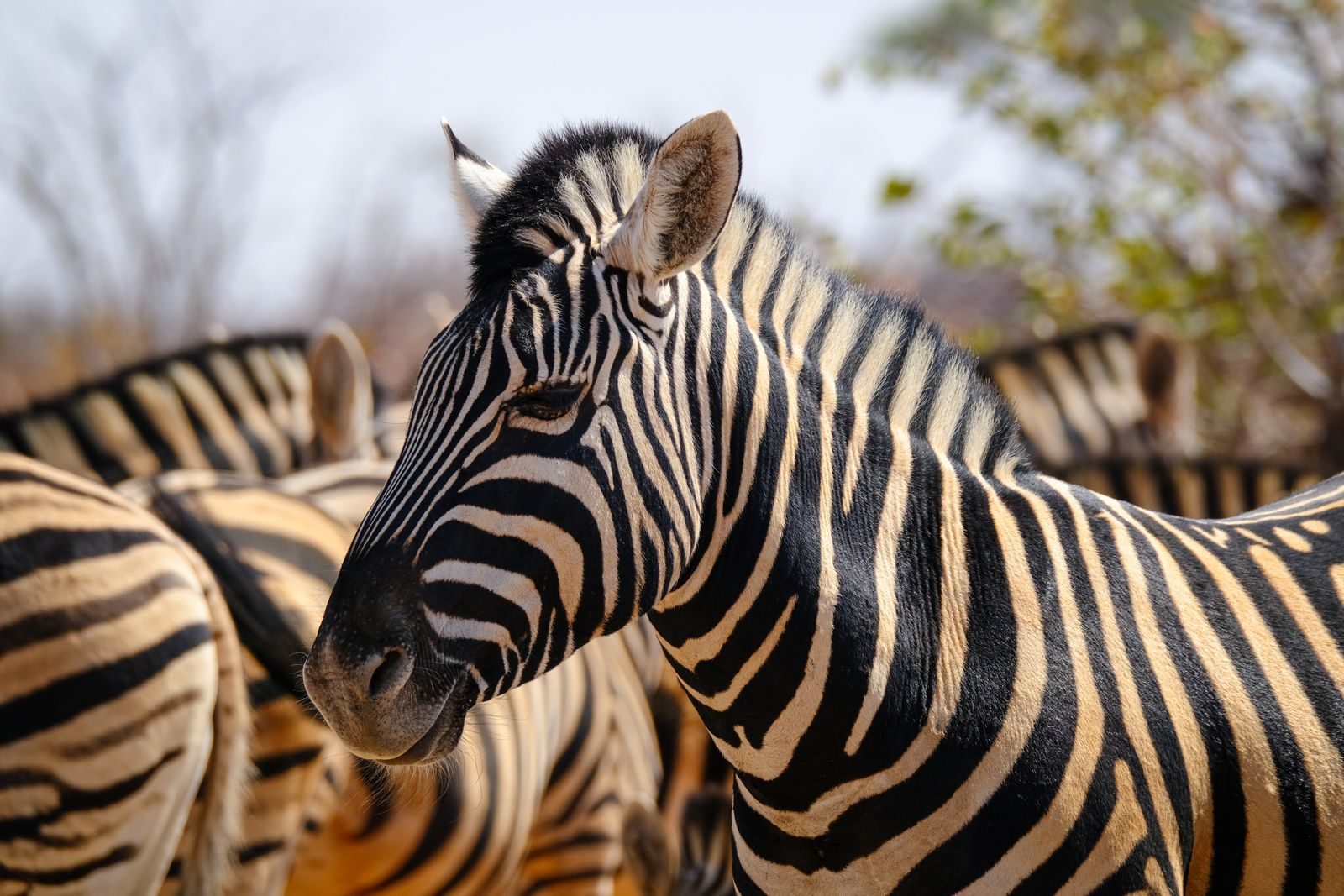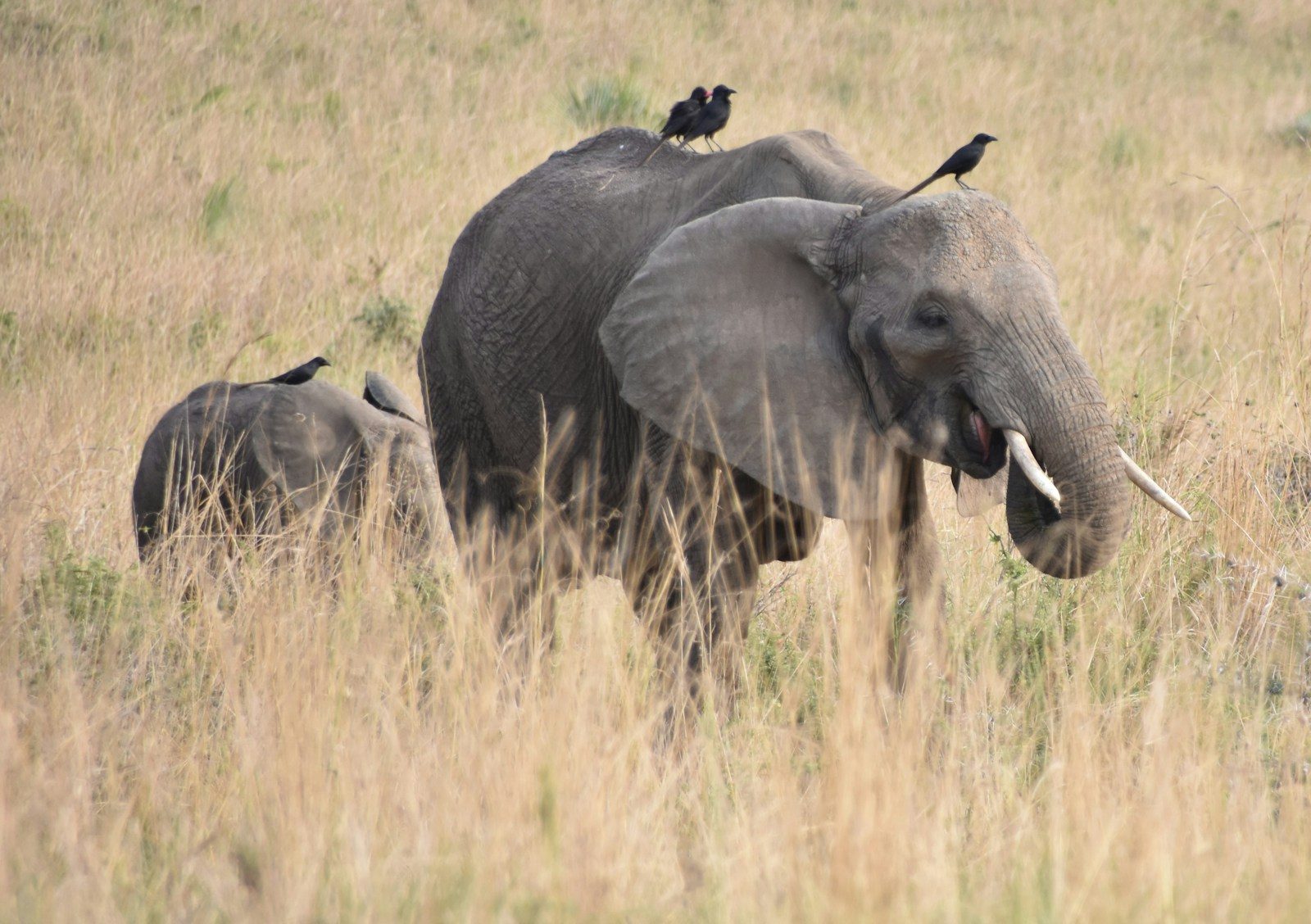
Living alongside wild animals in Africa is a reality for many rural communities, researchers, and conservation workers. Unlike controlled zoo environments, these animals move freely across vast landscapes, often sharing space with farms, villages, and roads. This creates a unique but complex relationship between humans and wildlife.
The experience is a mix of awe, adaptation, and constant awareness. People who live in these regions learn to respect animal behavior while also protecting their homes, crops, and livestock from potential encounters.
Daily Life on Shared Land With Wildlife
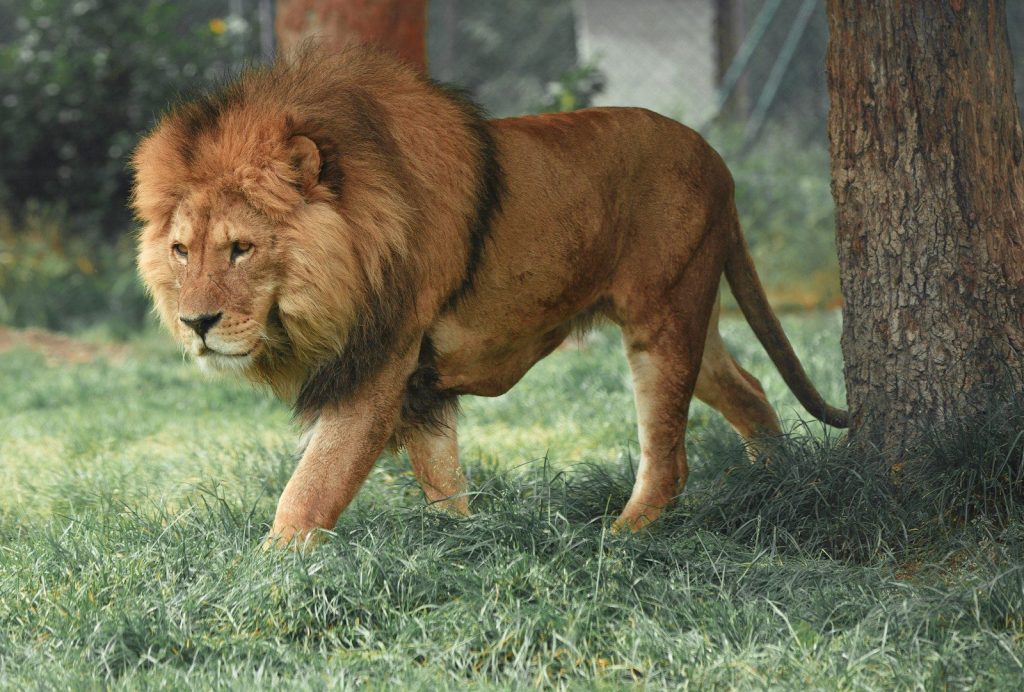
In many parts of Africa, humans and wildlife live in close proximity because their habitats overlap. Elephants, lions, and other large animals may pass near villages or farmland while searching for food or water.
This proximity means daily routines often include awareness of animal movement. Farmers may check tracks in the morning, secure livestock at night, or adjust travel routes depending on wildlife activity.
Moments of Awe and Unexpected Encounters
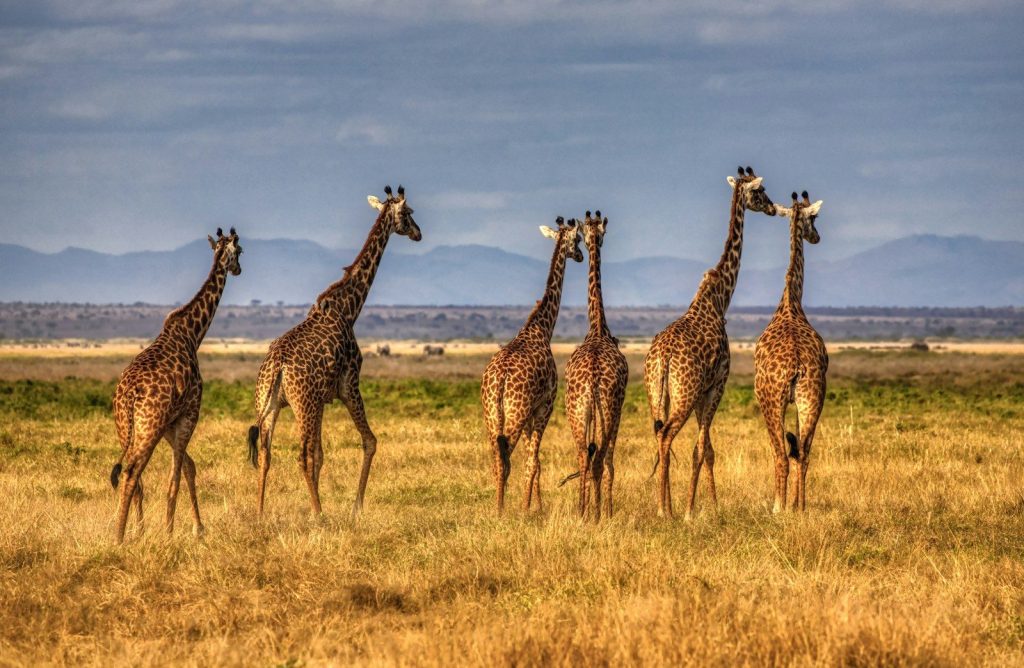
Despite the risks, living near wildlife also brings unforgettable moments. Residents sometimes witness elephants crossing rivers, giraffes walking near settlements, or predators moving silently through the bush.
These encounters create a deep appreciation for nature’s scale and power. Many people describe a strong emotional connection to wildlife that tourists rarely experience in short visits.
The Reality of Human-Wildlife Conflict
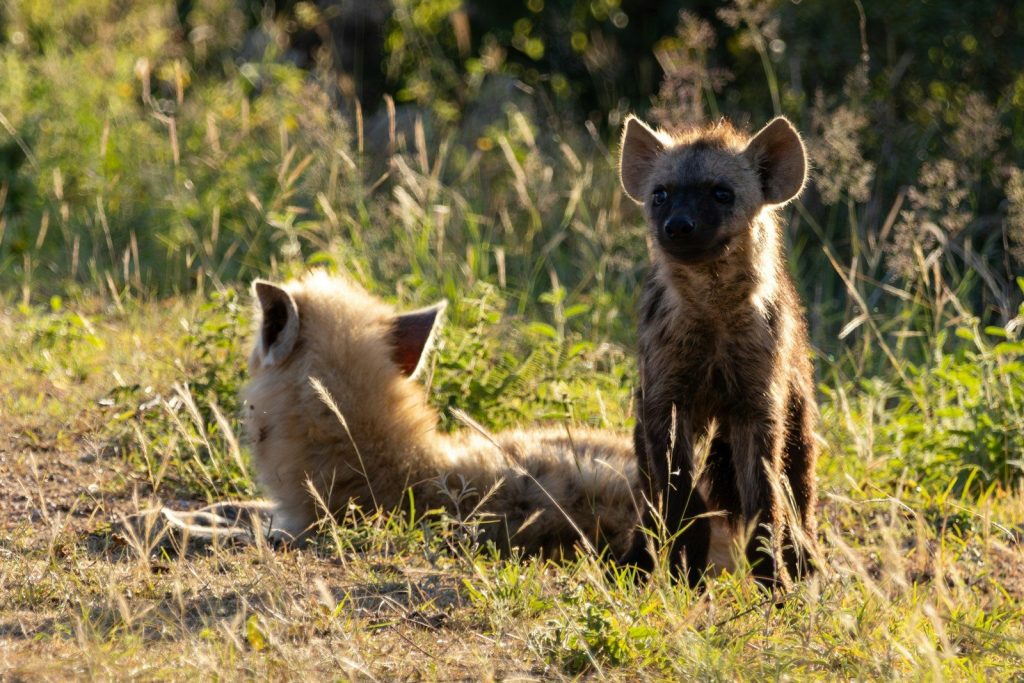
Living with wild animals is not always peaceful, as competition for space and resources can lead to conflict. Crops may be destroyed by grazing animals, and livestock can be targeted by predators like lions or hyenas.
Such conflicts can have serious economic and safety consequences for local communities. This is one of the biggest challenges facing coexistence in wildlife-rich regions.
Strategies Communities Use to Stay Safe

To reduce danger, communities develop practical methods to protect themselves and their animals. These include building stronger fences, using guard animals, and keeping livestock in enclosures at night.
Some regions also use modern tools like GPS tracking and warning systems to alert people when large animals are nearby. These solutions help reduce conflict while allowing wildlife to remain in their natural habitats.
Wildlife as Part of Cultural Identity

For many African communities, wild animals are not just threats or attractions but part of cultural identity and tradition. Stories, beliefs, and local knowledge often include deep respect for animals like lions, elephants, and birds of prey.
This cultural connection helps promote coexistence by encouraging people to value wildlife beyond its economic or practical impact. It also strengthens conservation efforts rooted in local participation.
Conservation Efforts and Community Involvement
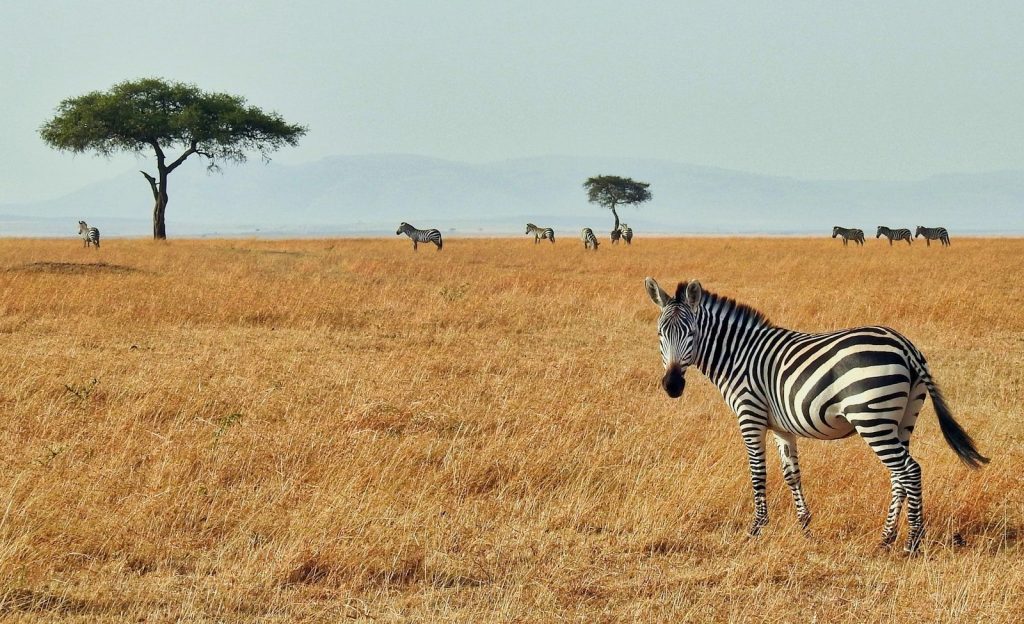
Modern conservation in Africa increasingly focuses on cooperation between people and wildlife rather than separation. Community-run conservation areas have shown success in protecting species while supporting local livelihoods.
These efforts include eco-tourism, wildlife monitoring, and education programs. The goal is to ensure that both humans and animals can share the land sustainably.
A Life of Balance and Constant Adaptation
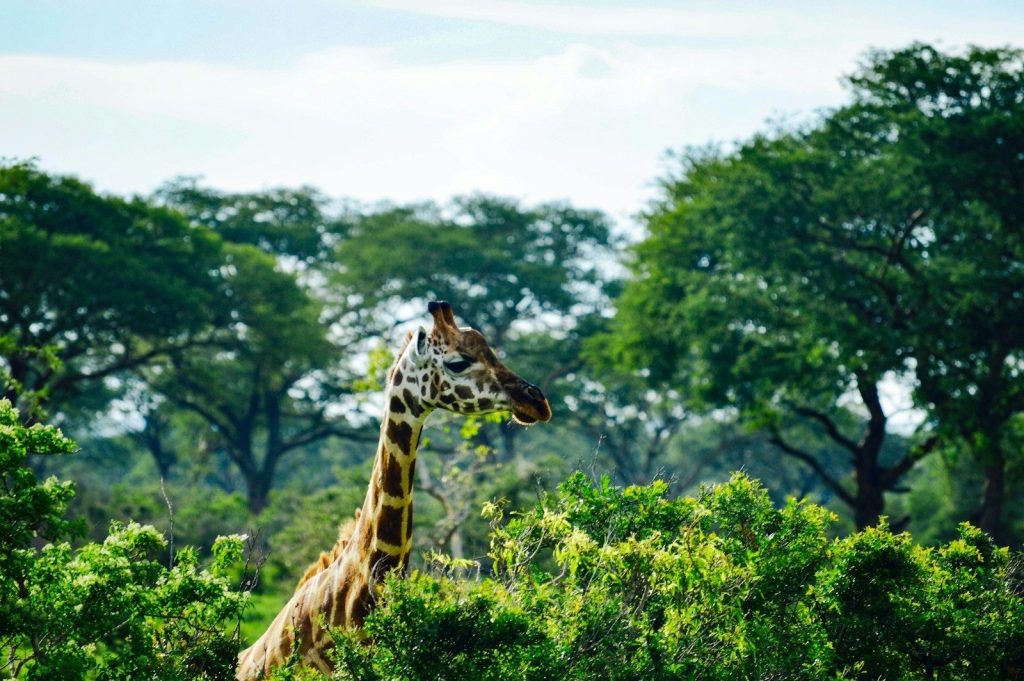
Living with wild animals in Africa requires constant adaptation, awareness, and respect for nature’s unpredictability. People must balance safety, survival, and coexistence in environments where wildlife remains powerful and free.
Despite the challenges, many communities continue to find ways to live alongside animals rather than against them. This balance reflects one of the most complex and fascinating human-wildlife relationships on Earth.