Reports of new New World screwworm cases in Mexico have raised fresh concerns among ranchers, veterinarians, and agricultural authorities in the United States. The parasite, once eradicated from the country, is being closely monitored due to fears it could move closer to the U.S. border and threaten livestock health.
Although no established outbreak has been detected in the United States, officials are increasing surveillance and preparedness efforts. For Texas, home to one of the largest cattle industries in the world, the renewed threat is being taken especially seriously.
The Screwworm Is A Unique And Dangerous Parasite
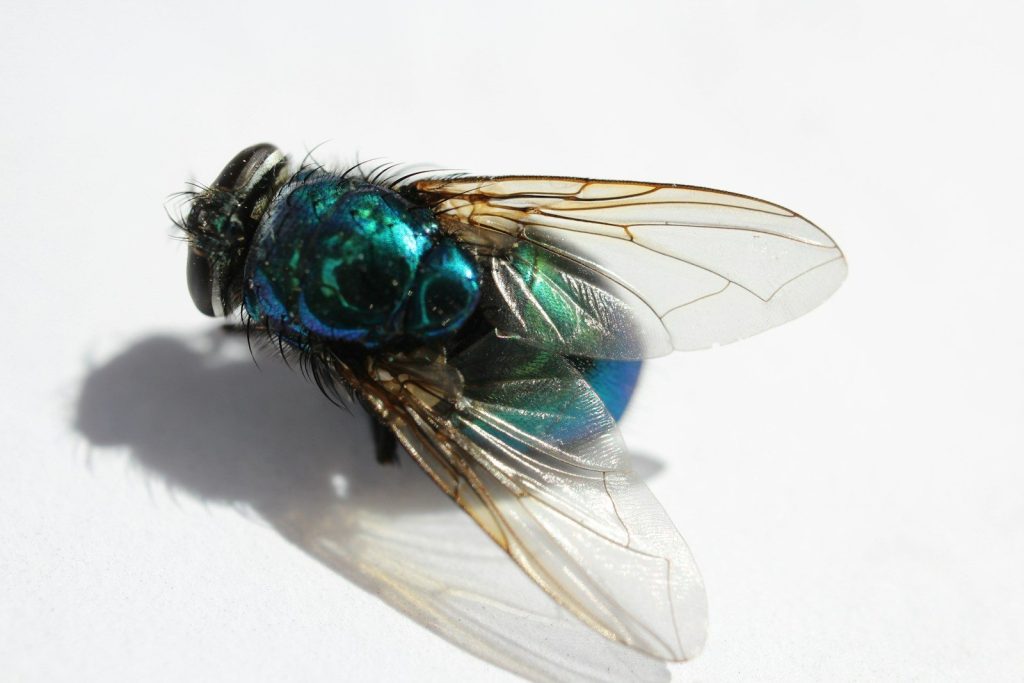
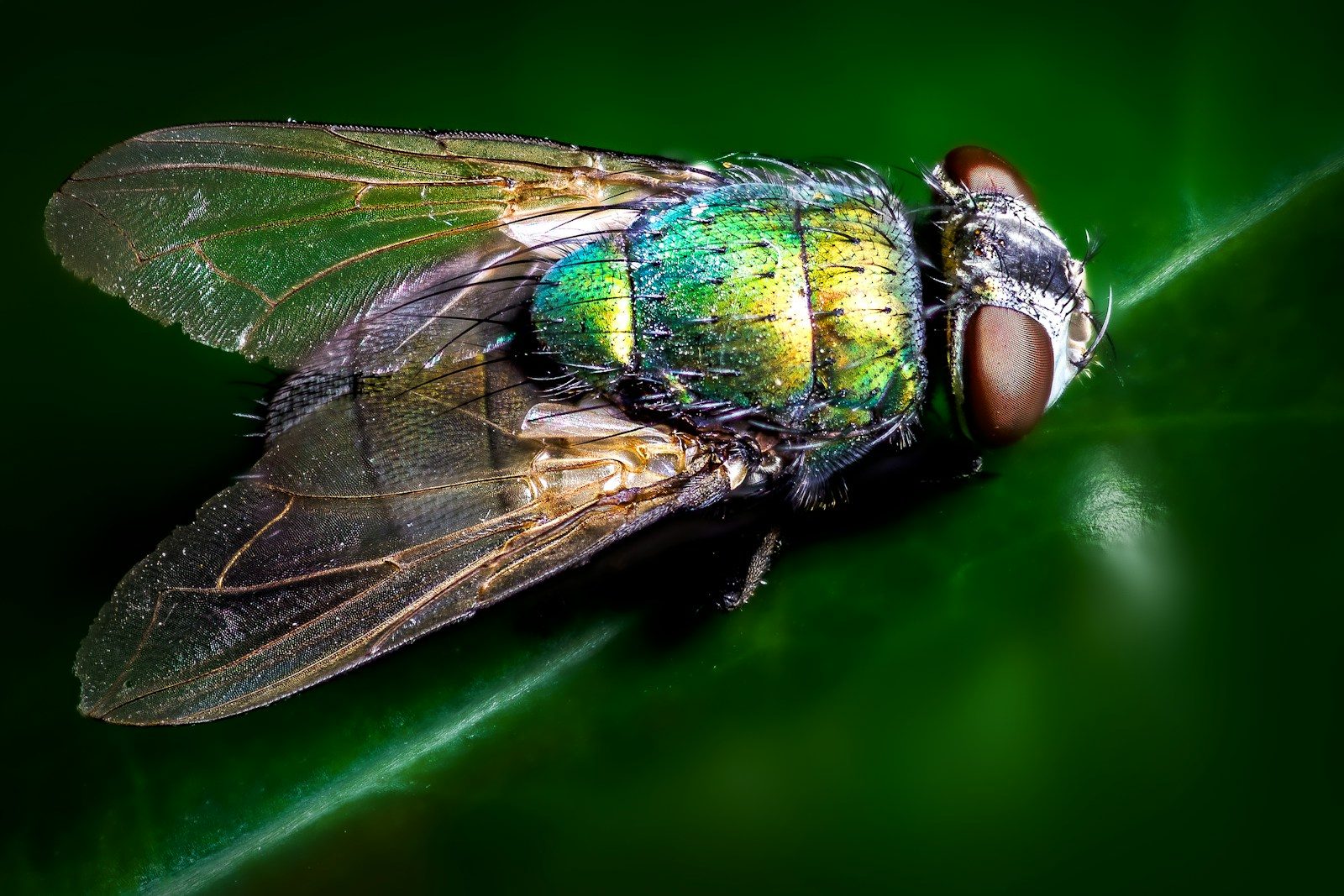
The New World screwworm is the larval stage of a fly that behaves differently from most insect larvae. Instead of feeding on dead or decaying matter, it invades living tissue through wounds or natural openings.
Once inside an animal, the larvae feed on flesh and expand the wound as they grow. This can quickly lead to severe infection and significant health complications if not treated promptly.
Livestock And Wildlife Are Both At Risk

Cattle are among the most commonly affected animals, but the parasite can also infest horses, sheep, goats, and wildlife species. Even pets and, in rare cases, humans can become hosts.
Wild animals may play a role in spreading the parasite across regions. Their movement makes monitoring and containment more complex for agricultural authorities.
Texas Ranchers Face Significant Economic Concerns

Texas cattle producers are particularly alert because of the state’s large livestock population. Even a limited outbreak could lead to increased veterinary costs, livestock inspections, and movement restrictions.
Broader impacts could include disruptions to supply chains and added pressure on farmers already dealing with climate and market challenges. Industry experts emphasize that early prevention is key to avoiding major losses.
Past Eradication Efforts Offer A Proven Strategy
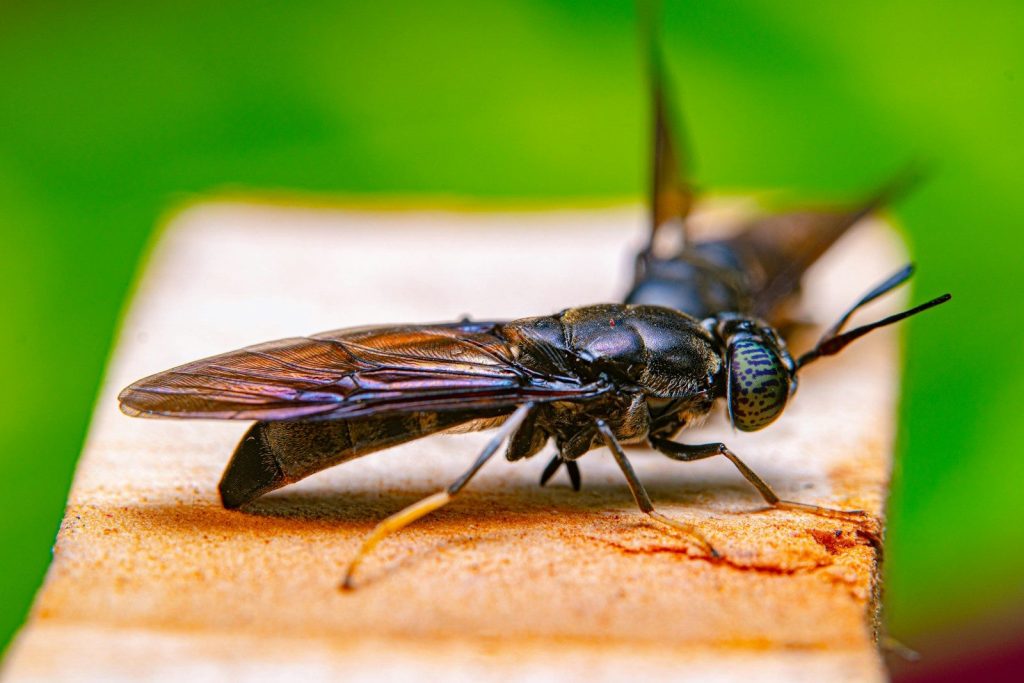
The United States previously eliminated the screwworm through an innovative sterile insect technique. Scientists released sterilized male flies into the wild, preventing successful reproduction when they mated with wild females.
Over time, this method collapsed the population and removed the parasite from the country. Officials are now considering strengthening similar programs to prevent its return.
Surveillance And Prevention Efforts Are Increasing
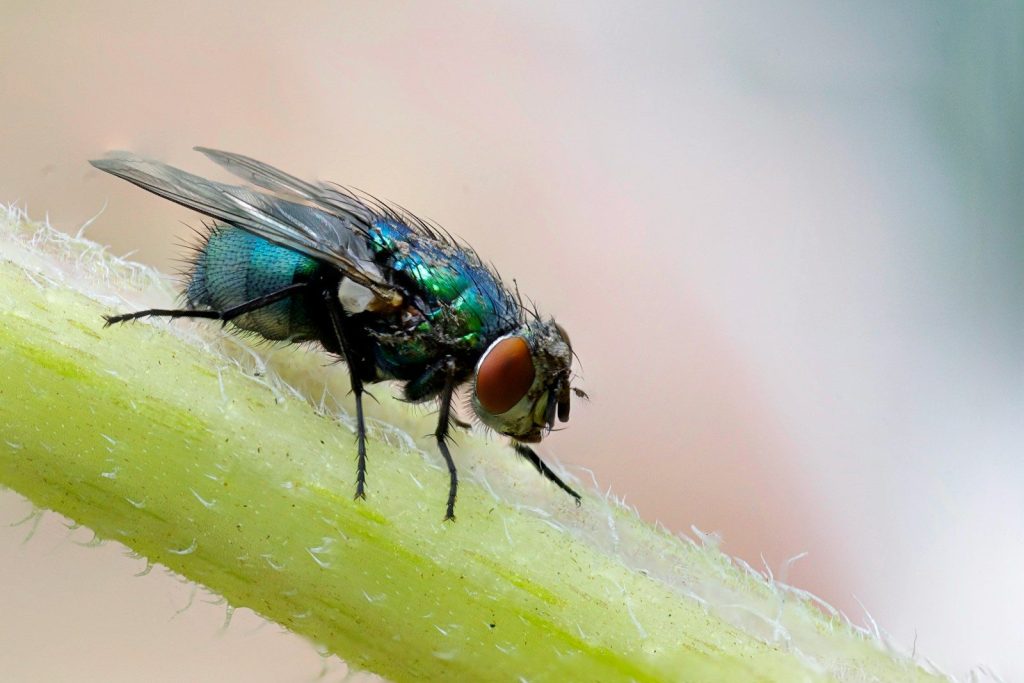
Agricultural agencies are expanding monitoring programs to detect any movement of the parasite toward U.S. borders. Early detection is considered essential for effective containment.
International cooperation also plays a role, as controlling the pest requires coordinated efforts across regions. Authorities continue to focus on prevention rather than reacting to a widespread outbreak.