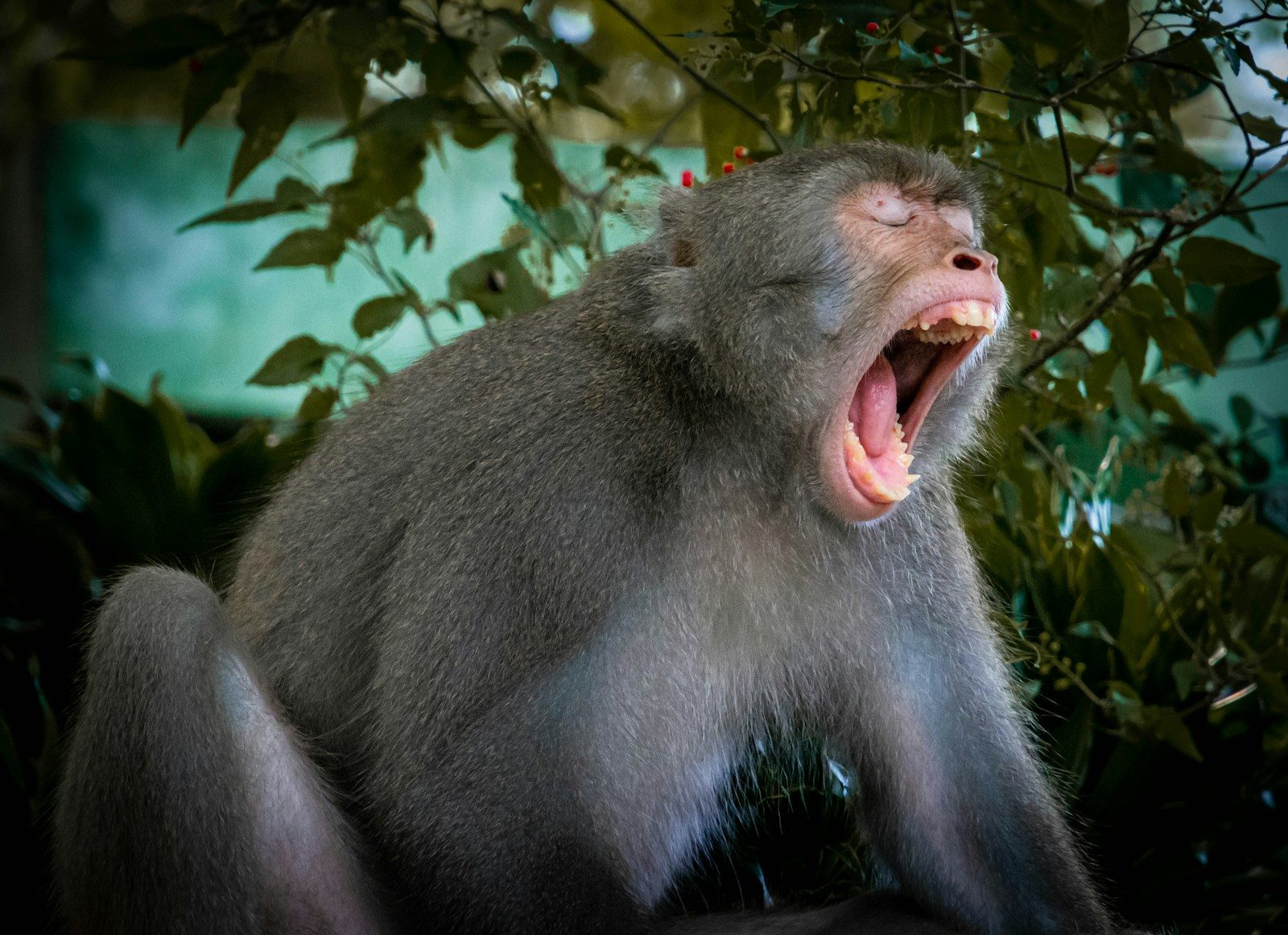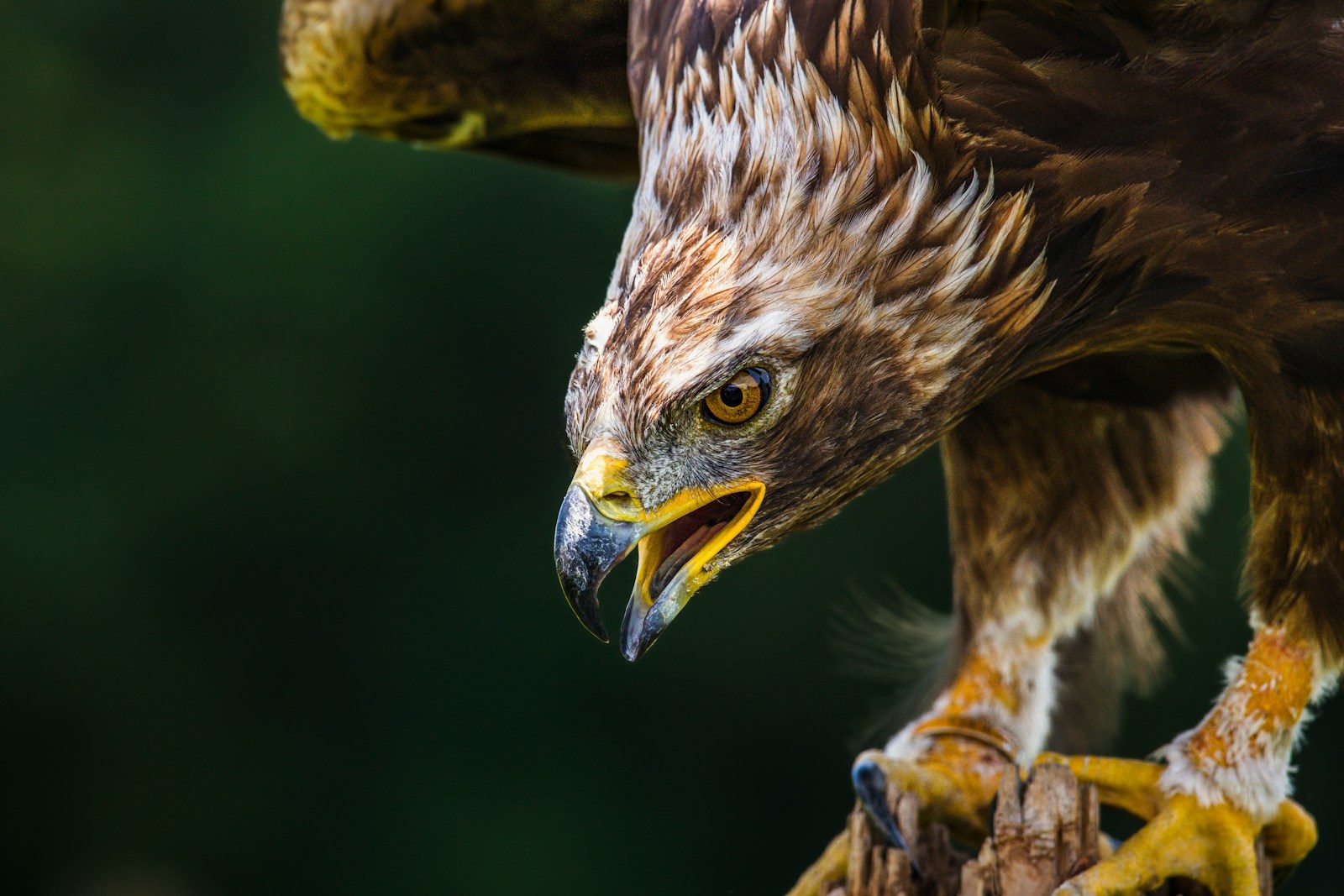
No animal has been scientifically shown to possess a universally “better memory” than humans. Memory contains different systems—spatial, social, working, recognition, and event-like memory—and species evolve strengths suited to their own lives.
Some animals nevertheless outperform people or achieve astonishing results in specific memory tasks. Comparing those specializations is more meaningful than declaring one species the overall memory champion.
Bottlenose Dolphins

Bottlenose dolphins have demonstrated extraordinary long-term social recognition. In experiments, dolphins responded to the signature whistles of former companions even after separations lasting more than 20 years.
Researchers described this as the longest social memory documented in a nonhuman species at the time. Dolphins live in flexible social networks where individuals can separate and meet again much later. Remembering a familiar voice-like signature could therefore help them recognize old allies, competitors, or companions across decades.
Clark’s Nutcrackers
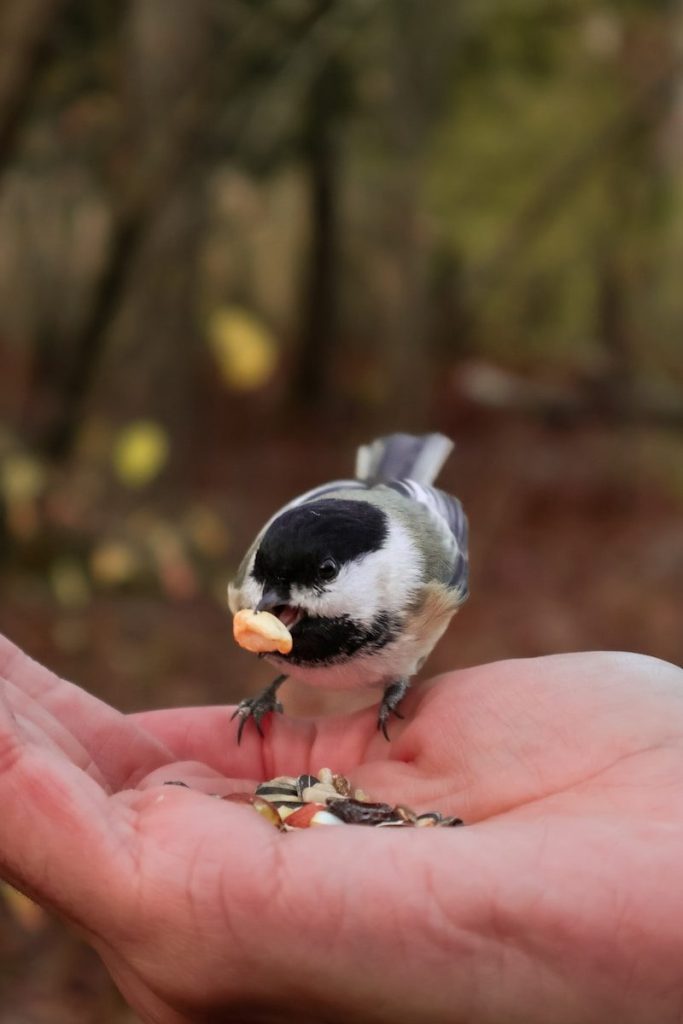
Clark’s nutcrackers hide extraordinary quantities of seeds across large landscapes and later return to many of those caches. Cornell notes that a single bird can cache tens of thousands of seeds during a year.
Laboratory and field research has shown remarkable long-term spatial recall in this food-storing bird. Its memory is not simply a superior version of human memory; it is heavily adapted to a survival problem humans rarely face. A forgotten cache can mean lost winter food, giving natural selection strong reason to favor spatial accuracy.
Scrub-Jays

Western scrub-jays became famous in cognition research because experiments showed they could remember integrated details about cached food—what they stored, where they placed it, and how long ago the event occurred.
Researchers call this “episodic-like” memory rather than claiming the birds consciously relive past experiences exactly as humans do. The distinction matters. Scientists can test whether the jay behaves as though it remembers what, where, and when; they cannot directly measure the bird’s subjective experience of remembering.
Chimpanzee Number Memory

A young chimpanzee named Ayumu became famous for tests involving briefly displayed numbers on a touchscreen. After the numerals disappeared, he could touch their former positions in the correct sequence with striking accuracy.
Some experiments produced performance that attracted comparisons with humans, especially under very brief viewing conditions. However, later reviews caution against turning one specialized task into the claim that chimpanzees possess generally superior working memory. Their cognitive strengths, like ours, depend heavily on what is being tested.
Wild Chimpanzee Food Sites

Memory studies do not occur only on touchscreens. Research published in 2024 found wild chimpanzees revisiting concealed ant nests over long periods, suggesting they use spatial and episodic-like information to exploit hidden food resources.
That ability has obvious survival value. Ant nests can remain hidden beneath vegetation or soil, so remembering productive locations reduces repeated searching. The study reinforces a wider lesson from animal cognition: memory often becomes most impressive when researchers test information that matters naturally to the animal.
Food-Caching Chickadees
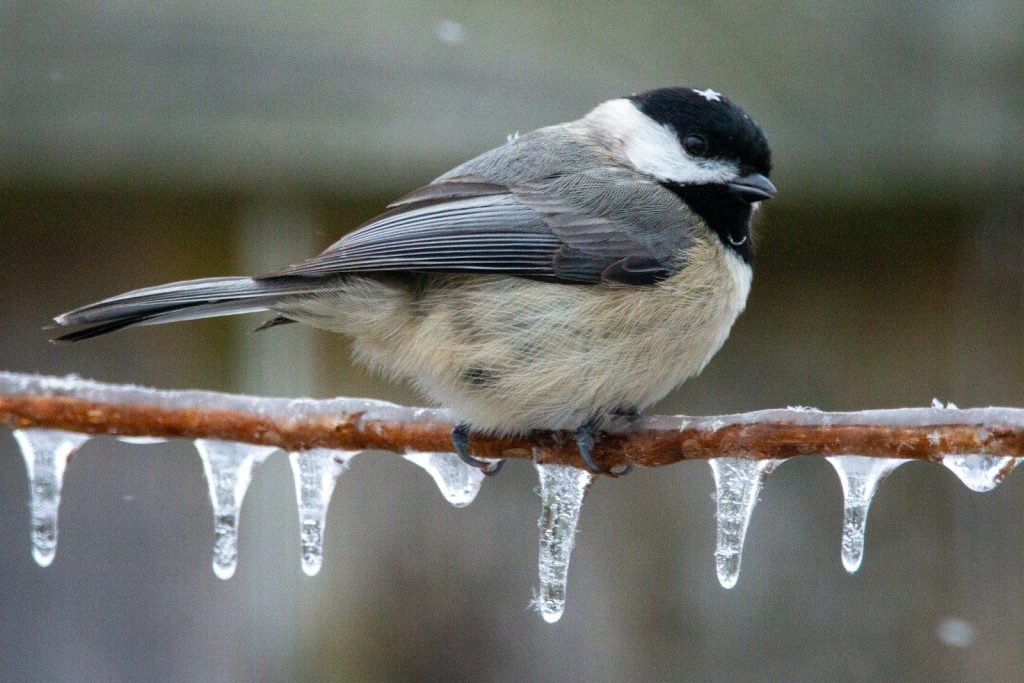
Food-caching birds such as chickadees rely heavily on spatial memory to recover small food stores scattered through complex environments. Studies have linked stronger spatial-memory performance with meaningful survival differences in wild populations.
Recent research discussed by scientists studying mountain chickadees shows that variation in memory can have consequences for survival and reproduction. These birds do not need to remember birthdays or conversations; they need to remember where tiny food items were hidden across a winter landscape. That ecological problem has shaped a remarkably specialized cognitive system.
Elephant Social Knowledge
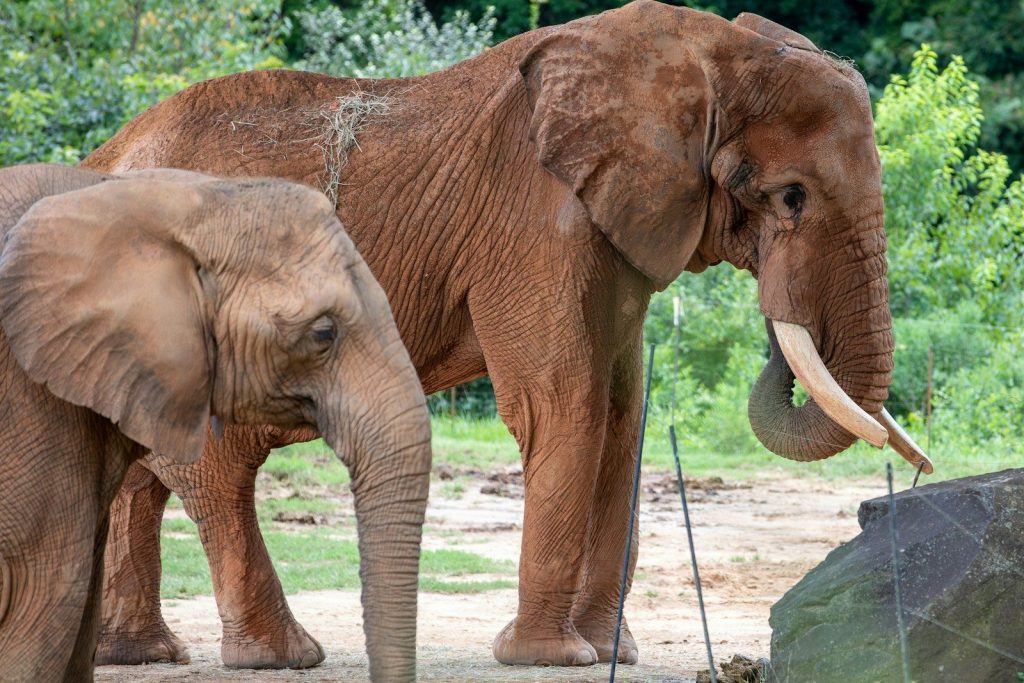
Elephant matriarchs can accumulate decades of social and environmental experience, and research has long suggested older females serve as important repositories of social knowledge for their families. Later reviews continue to cite this role in elephant societies.
Elephants have also responded to calls associated with individuals no longer present, supporting the idea of durable social recognition. Their reputation for memory should not be turned into the myth that an elephant literally forgets nothing. What evidence supports is sophisticated long-term information about other elephants and their environment.
Human Memory Is Different

Humans forget keys and names, but our memory system supports language, abstraction, flexible planning, autobiographical recall, and enormous stores of culturally learned information. Comparing that system with a nutcracker remembering seed caches is not an even contest.
Animals can outperform us at tasks their evolutionary history made especially important without possessing “better memory” in every sense. The most accurate conclusion is more interesting: evolution produces different memory specialists. What looks almost superhuman in one test may be the exact cognitive tool another species needs simply to survive.
Featured Image: Photo by Anna Shvets on Pexels