Eating insects is traditional in many cultures, and some species can be highly nutritious. But insects are foods, not medicines. Evidence does not support treating cricket powder or mealworms as a cure for disease.
FAO describes edible insects as sources of protein, fats, fiber, and minerals. Nutrient content varies substantially by species, diet, processing method, and life stage.
Insect Protein

Many edible insects provide substantial amounts of protein and contain essential amino acids. FAO describes insect protein quality as potentially comparable with conventional animal foods, although exact values vary between species and products.
That makes insects one possible protein source within a varied diet rather than a special replacement everyone needs. Cricket flour, mealworms, grasshoppers, and other edible species can be prepared in very different ways, so a nutrition label on the actual product is more useful than assuming all insects contain identical amounts.
Iron and Zinc
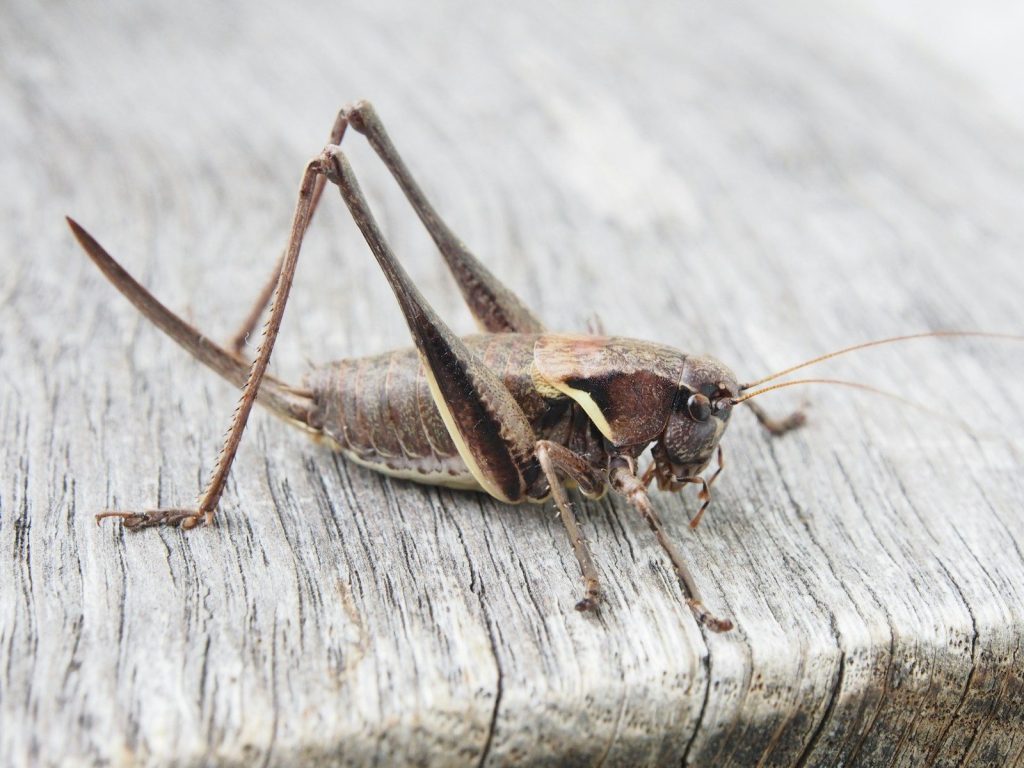
Some edible insects contain useful quantities of minerals such as iron and zinc, nutrients required for functions including oxygen transport, immune activity, growth, and metabolism. FAO identifies these minerals among the nutritional strengths of several edible species.
The important qualification is variability. Mineral concentrations and bioavailability differ, so eating insects does not guarantee correction of a deficiency. Someone with diagnosed iron, zinc, or other nutritional deficiency still needs appropriate medical and dietary guidance rather than relying on an unfamiliar insect product as treatment.
Dietary Fats

Edible insects can contain meaningful amounts of fat, including unsaturated fatty acids. The exact fatty-acid profile depends strongly on the insect species, its feed, developmental stage, and processing.
That variation makes broad statements such as “bugs contain healthier fat than meat” unreliable. Some insects are relatively lean, while others are energy-dense. They can contribute useful nutrients when incorporated into a balanced diet, but nutritional value should be assessed food by food rather than treating every six-legged ingredient as equivalent.
Chitin and Fiber

Unlike meat, whole insects contain chitin, a structural material forming much of the exoskeleton. FAO commonly includes edible insects among foods that can provide dietary fiber as well as protein and fat.
Researchers continue investigating how chitin and other insect components interact with digestion and the gut microbiome. Claims that they definitively “heal the gut” go beyond current evidence. The safer conclusion is that some insect products add fiber-like material to the diet, while their long-term health effects remain an active research area.
Different Insects, Different Nutrition

A cricket, mealworm, caterpillar, and grasshopper are nutritionally different foods. Even two batches of the same species can vary because feed, farming conditions, preparation, and moisture content change the final composition.
Processing also matters. Deep-frying an insect changes its nutritional profile differently from roasting, drying, or milling it into flour. This is why simple statements such as “insects are healthier than beef” are too broad. A meaningful comparison requires looking at actual portions and nutrients in the foods being compared.
Insect Allergies

Edible insects can trigger allergic reactions. EFSA specifically evaluates allergenicity when assessing insects as novel foods and warns that reactions may occur with authorized products such as mealworms.
Cross-reactivity is an important concern because insect proteins can resemble allergens found in crustaceans or other arthropods. Someone with food allergies should therefore not assume an insect snack is automatically safe because it is marketed as natural or sustainable. Ingredient labels and regional food-safety guidance still matter.
Food Safety

Wild insects collected without knowing their species, environment, or exposure history should not automatically be considered food. Contaminants, microorganisms, pesticides, parasites, and naturally harmful compounds can create risks depending on species and handling.
FAO has specifically examined edible insects from a food-safety perspective, while European regulators require safety assessments for insect species sold as novel foods. Commercial production, hygienic processing, correct species identification, and appropriate cooking or treatment are therefore important parts of safe entomophagy.
A Food, Not a Cure

Edible insects can contribute protein, iron, zinc, fiber, fats, and other nutrients, making them useful foods in cultures where they are accepted and in emerging food products elsewhere.
That does not make them supplements capable of preventing every disease. Health depends on the wider diet, overall energy balance, food safety, medical conditions, and many other factors. The strongest evidence for edible insects is nutritional: they can be another nutrient-rich food choice, not a miracle treatment.
Featured Image: Photo by Yuri Antonenko on Unsplash