The original title needs two major corrections. Casey was not the world’s last leopard seal; he was described in 2014 as the world’s only leopard seal living in captivity. Wild leopard seals remained across Antarctic waters.
Reliable contemporary reporting also does not establish widespread activist fury. The documented story centers on Casey’s prolonged illness, unsuccessful veterinary treatment, and Taronga Zoo’s decision to euthanize him.
Casey the Leopard Seal
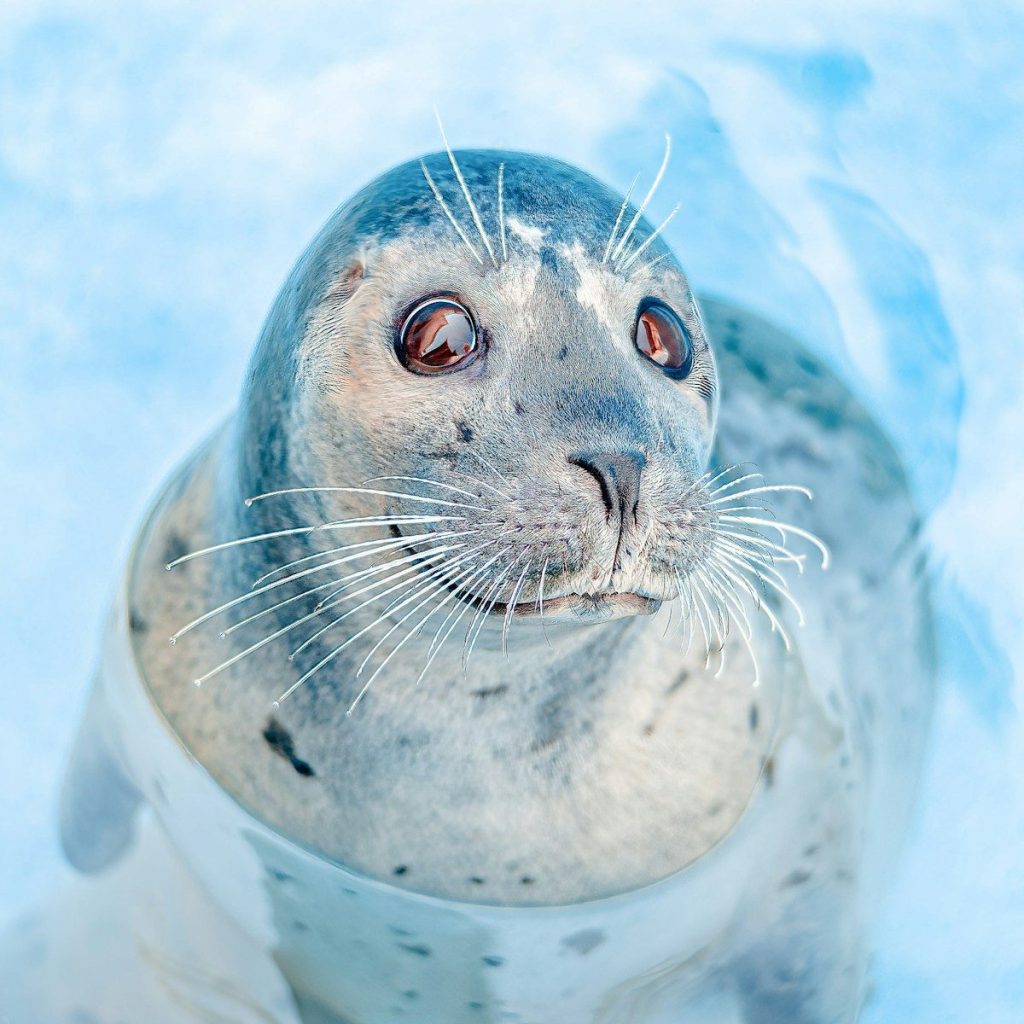
Casey was a male leopard seal found at Wattamolla, south of Sydney, in 2007. He was underweight and carried a fresh wound caused by a cookie-cutter shark when rescuers found him.
Taronga Zoo rehabilitated him and eventually housed him in its Great Southern Oceans exhibit. Leopard seals normally live around Antarctica, making Casey an extremely unusual zoo resident. By the final years of his life, Taronga said no other zoo in the world held the species.
Why Casey Stayed
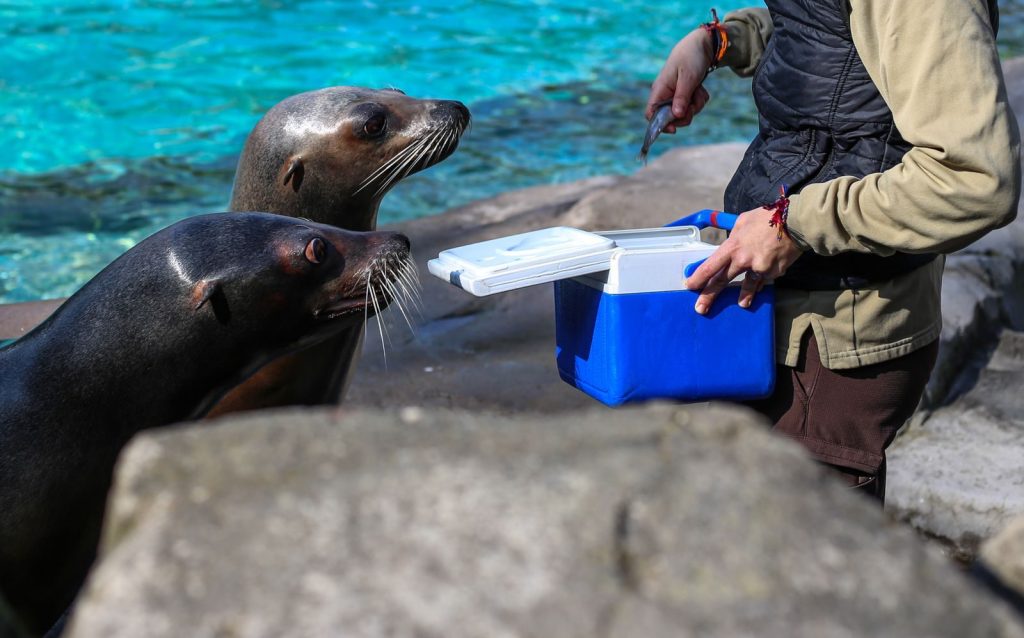
After recovering, Casey was not returned to Antarctica. Taronga said releasing him created concern that he could introduce unknown diseases to a vulnerable wild population after his period in human care.
That decision turned what began as wildlife rehabilitation into long-term captivity. It also gave veterinarians and marine-mammal researchers an unusual chance to study a species that is difficult to observe closely in its remote Antarctic habitat.
Only Captive Leopard Seal

Reports in February 2014 described Casey as the world’s only leopard seal in captivity. This very specific status is often distorted online into the claim that he was the “world’s last leopard seal.”
Those statements mean completely different things. Casey was one rescued individual living in a zoo; he was not the final surviving member of Hydrurga leptonyx. Wild leopard seals continued living throughout their Southern Ocean range before, during, and after Casey’s life.
Casey Became Ill

Taronga said Casey stopped eating near the start of 2014 and his health deteriorated over an extended period. Marine-mammal keepers and veterinarians attempted intensive treatment, but the zoo reported no acceptable improvement.
Loss of appetite and continuing deterioration were important because they affected both his physical condition and welfare. The zoo did not present euthanasia as a population-management decision or a desire to remove an inconvenient animal. It said the decision followed prolonged medical problems.
Euthanasia Decision

After treatment failed to reverse Casey’s decline, Taronga’s veterinary and marine-mammal teams decided to euthanize him in February 2014. The zoo publicly described the choice as heartbreaking.
Euthanasia in animal care is intended to prevent continuing suffering when a serious condition cannot be adequately treated. Outsiders can debate captive-animal policies generally, but the documented reason given for Casey’s death was his deteriorating health and failure to respond to intensive veterinary care.
Leopard Seal Research

Casey’s presence allowed researchers to gather information that is difficult to obtain from leopard seals living around Antarctic pack ice. Taronga said he assisted research conducted through the Australian Marine Mammals Research Centre.
The opportunity was unusual precisely because leopard seals were not maintained widely in zoos. Close observations could contribute to knowledge of their physiology, behavior, and biology. Whether the conservation value of captivity justifies keeping particular wild animals is a broader ethical question separate from Casey’s medical history.
Leopard Seal Predator

Leopard seals are large Antarctic predators capable of taking penguins, fish, squid, krill, and other seals. Their long heads, powerful jaws, and flexible feeding behavior make them among the Southern Ocean’s most distinctive hunters.
Casey’s popularity in Sydney gave visitors access to an animal most people would otherwise never see alive. Taronga said it hoped his presence encouraged appreciation for Antarctic wildlife and contributed to greater public awareness of the species.
What the Headline Gets Wrong

The verified story is sad enough without making Casey the final leopard seal on Earth. He was a rescued Antarctic animal who became the only known captive representative of his species and later developed a prolonged illness that treatment could not reverse.
The additional claim that activists were broadly “furious” is not established by the strongest contemporary sources. Accurate wildlife reporting should separate documented criticism from emotion added later to make an old story appear more dramatic.
Featured Image: Photo by Matej Bizjak on Pexels