Texas officials are moving to strengthen defenses against the New World screwworm, a dangerous parasite that can cause severe harm to livestock, wildlife, pets, and occasionally humans.
The concern comes as the insect has spread through parts of Mexico and Central America. Officials fear it could move closer to the U.S. border, putting Texas ranchers and animal health systems on alert.
A Parasite That Feeds on Living Tissue
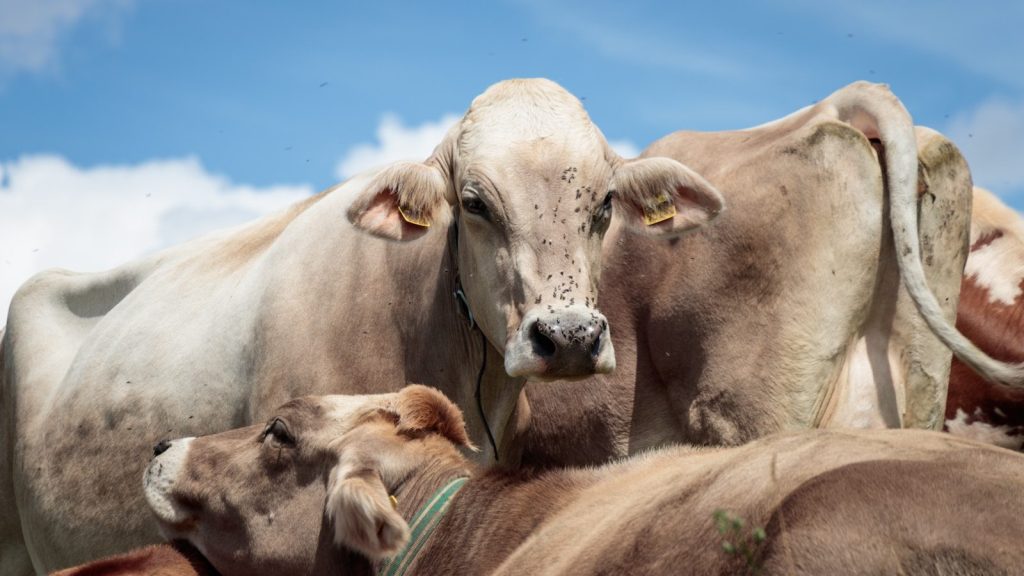
Despite its name, the New World screwworm is not a worm. It is the larval stage of a fly.
Female flies lay eggs in wounds or natural openings on animals. When the eggs hatch, the larvae feed on living flesh, causing painful and potentially dangerous infestations.
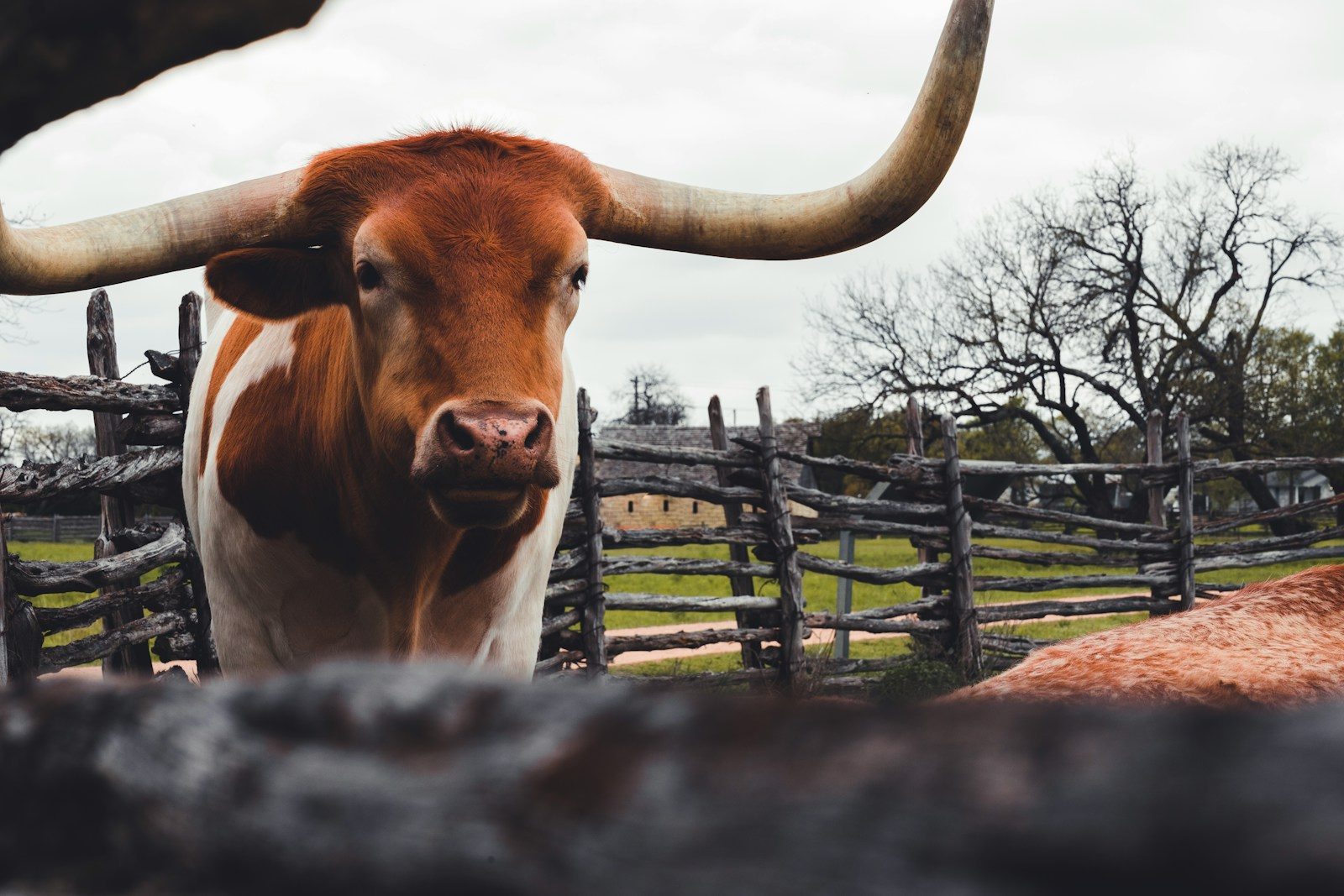
Cattle, horses, sheep, goats, wildlife, pets, and even people can be affected. If untreated, infestations can lead to serious injury, infection, and death.
For ranchers, the parasite is both an animal welfare crisis and an economic threat. A single untreated case can worsen quickly and attract more flies.
Why Texas Is Acting Now
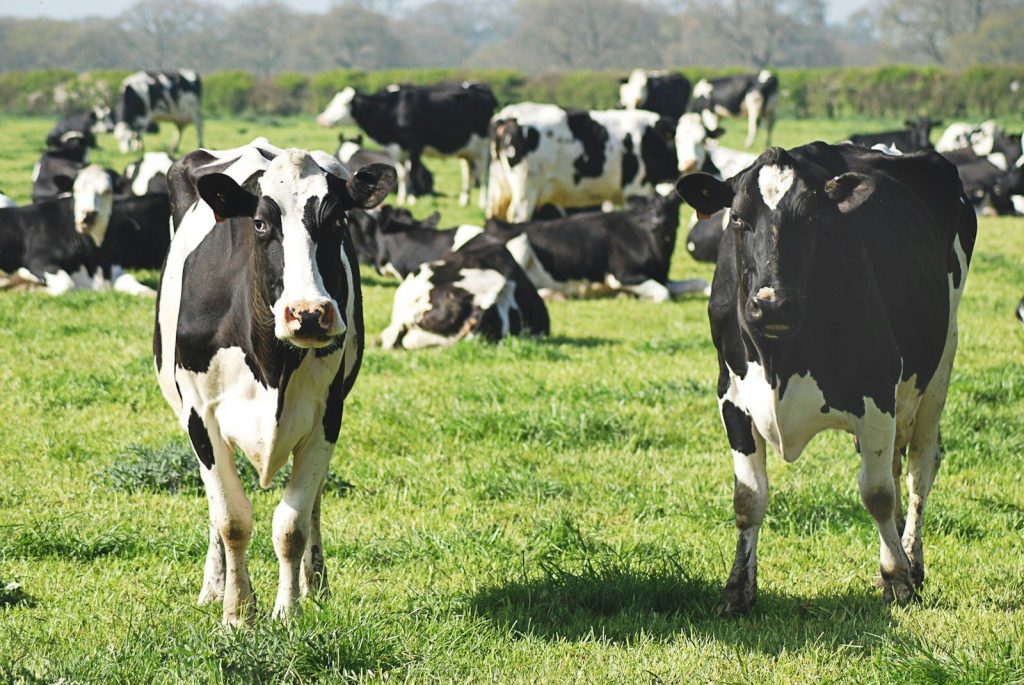
Texas has a major cattle industry, making the state especially vulnerable if the screwworm returns. Officials want to act before the parasite becomes established near or inside the state.
The current focus is on expanding sterile-fly production. That means building or speeding up a specialized facility capable of producing millions of flies for pest control.
The idea may sound strange, but it is based on one of the most successful agricultural pest-control methods ever used.
Instead of releasing harmful flies, scientists release sterilized male flies that cannot produce offspring.
How Sterile Flies Stop the Pest
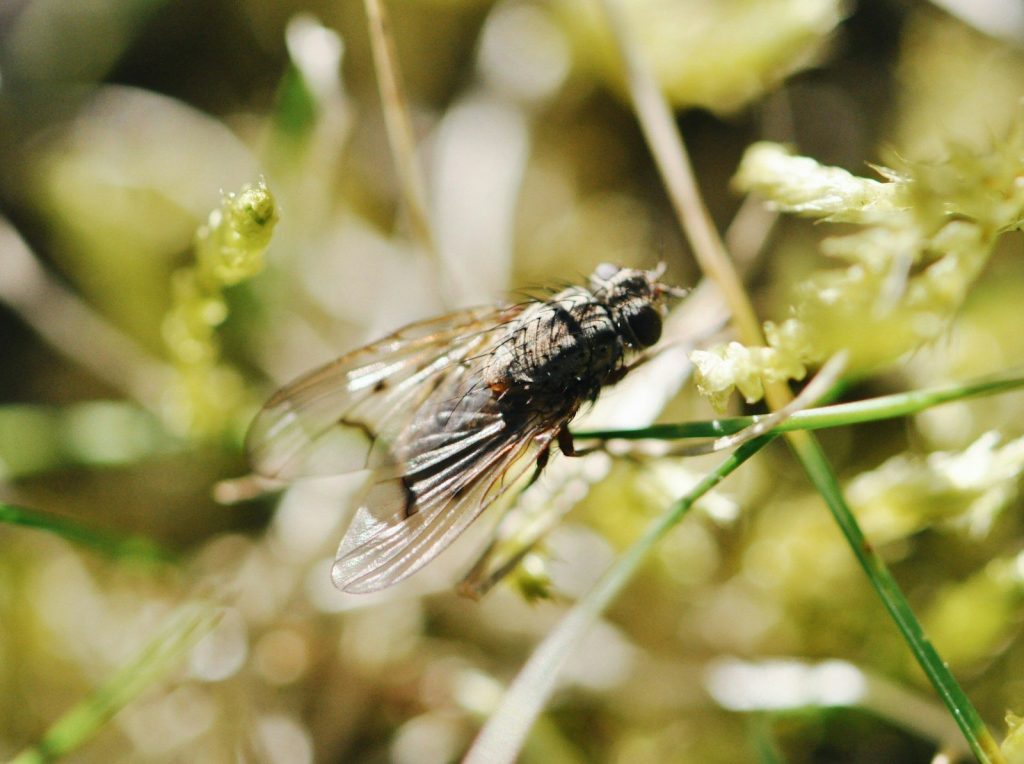
The strategy is known as the Sterile Insect Technique. Scientists breed male screwworm flies, sterilize them, and release them into affected areas.
Female screwworm flies usually mate only once. If they mate with a sterile male, no offspring are produced.
When enough sterile males are released, wild populations gradually decline. Over time, the pest can be pushed back or eliminated from an area.
This method helped eradicate the New World screwworm from the United States during the twentieth century. It is still considered a major success in pest management.
Why a Fly Factory Matters
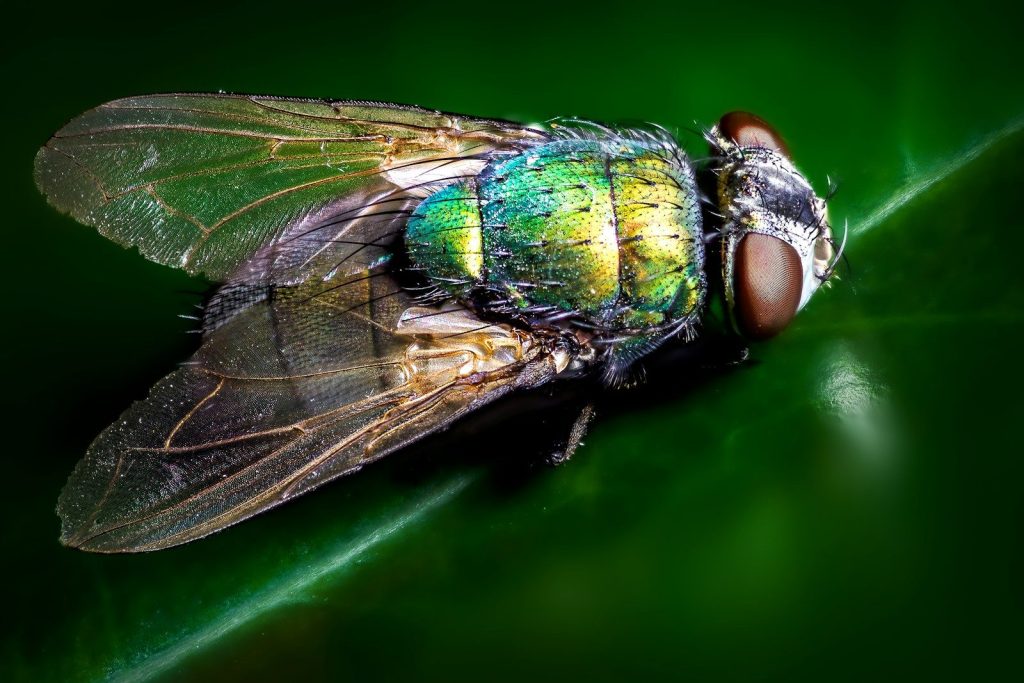
A sterile-fly program requires huge numbers of insects. Producing, sterilizing, and distributing them at the right scale takes specialized infrastructure.
That is why a “fly factory” matters. Without enough sterile flies, officials may not be able to respond quickly if outbreaks move closer to Texas.
The goal is prevention, not panic. Building capacity now could help create a stronger barrier before the parasite reaches livestock-heavy regions.
For Texas ranchers, early action could prevent major losses later.
Wildlife Could Also Be at Risk
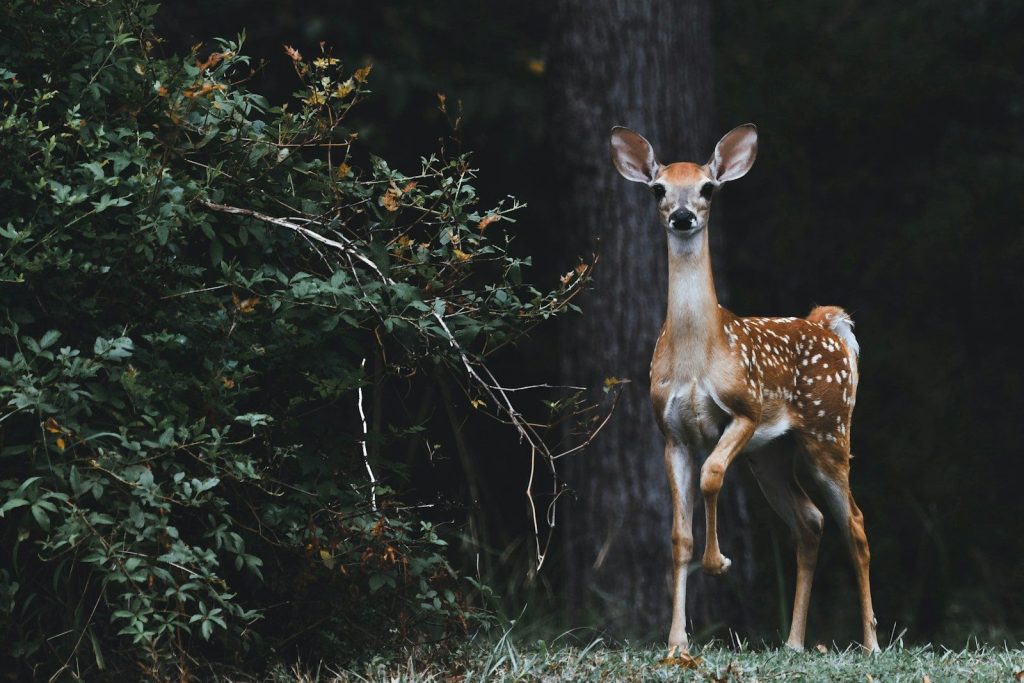
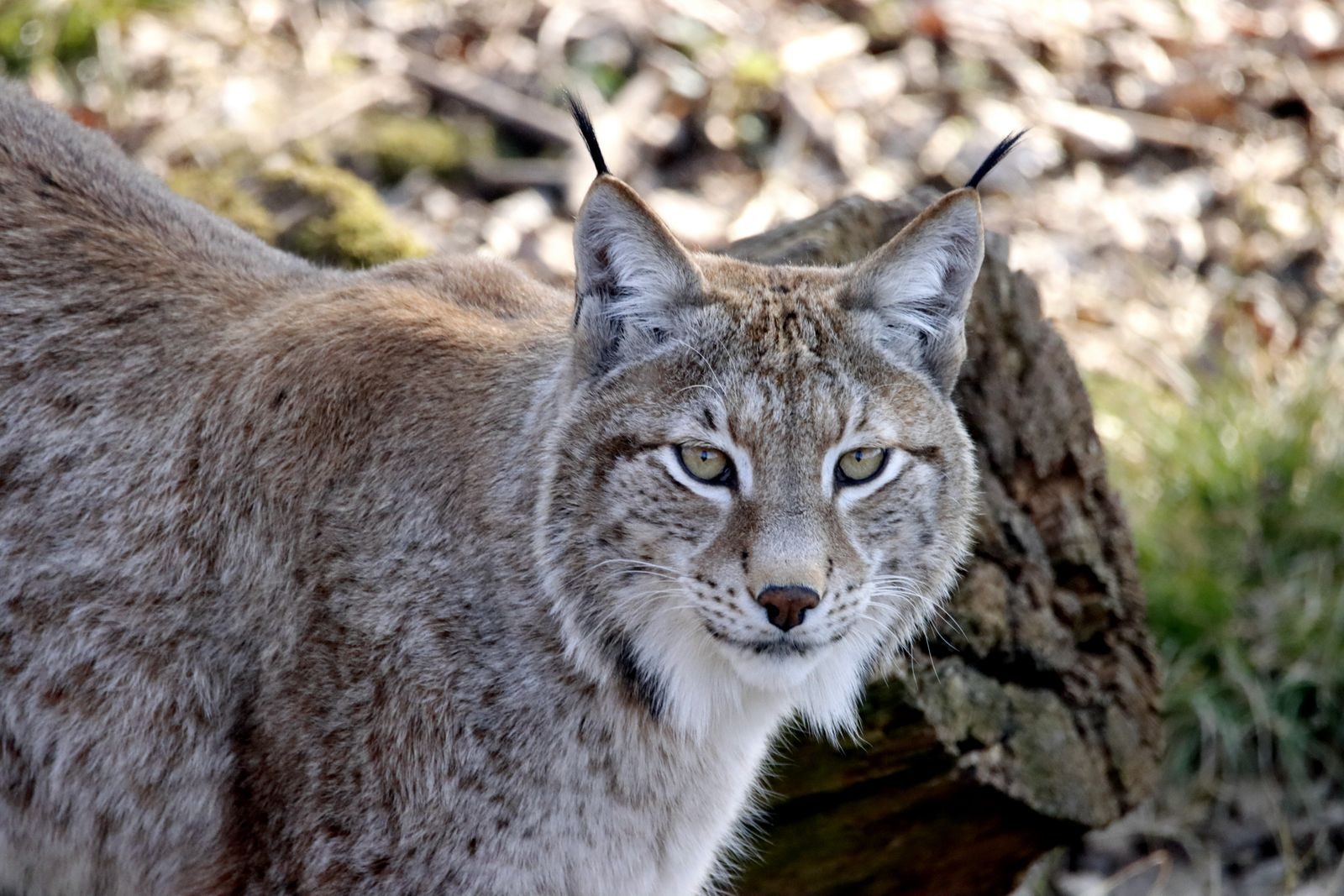
Although cattle receive most attention, the screwworm does not only affect livestock. Deer, feral hogs, carnivores, and other wild animals can also become infested.
That makes the threat broader than agriculture alone. Infected wildlife could help spread the parasite across large areas.
Wildlife managers see screwworm control as an animal health and conservation issue. Protecting livestock and protecting wildlife are closely connected in this case.
If the parasite becomes established, controlling it would become much harder.