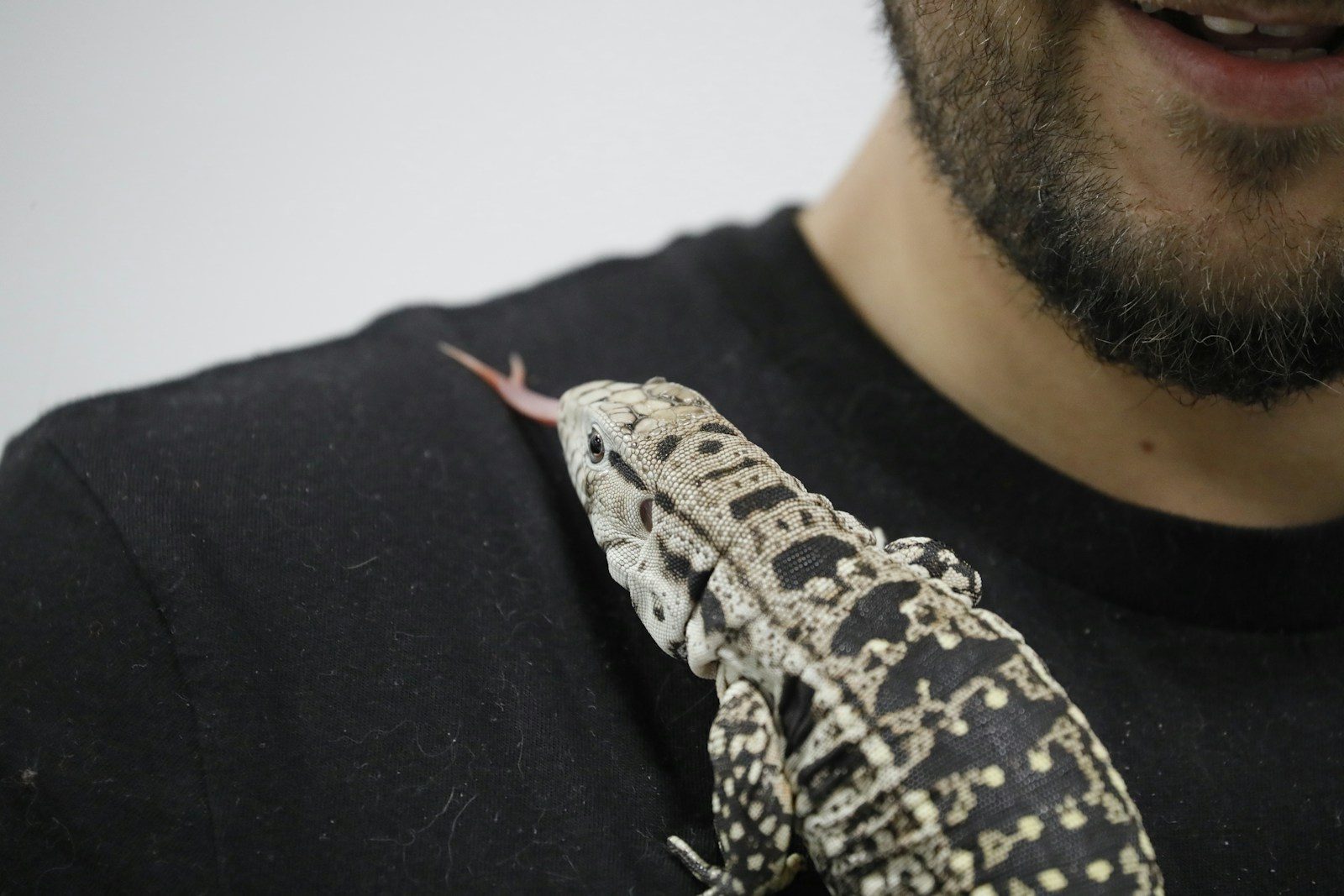
Wildlife officials across the southern United States are closely monitoring the spread of the Argentine black and white tegu, a large invasive lizard that has established populations beyond its original introduction point in Florida. Known for its adaptability and broad diet, the species is increasingly being viewed as a growing threat to native wildlife and fragile ecosystems.
As sightings emerge in neighboring states, conservation groups and wildlife agencies are working to prevent further expansion. Experts warn that early intervention may be critical to limiting the ecological impact of this highly adaptable reptile.
The Tegu’s Arrival Began Through The Pet Trade
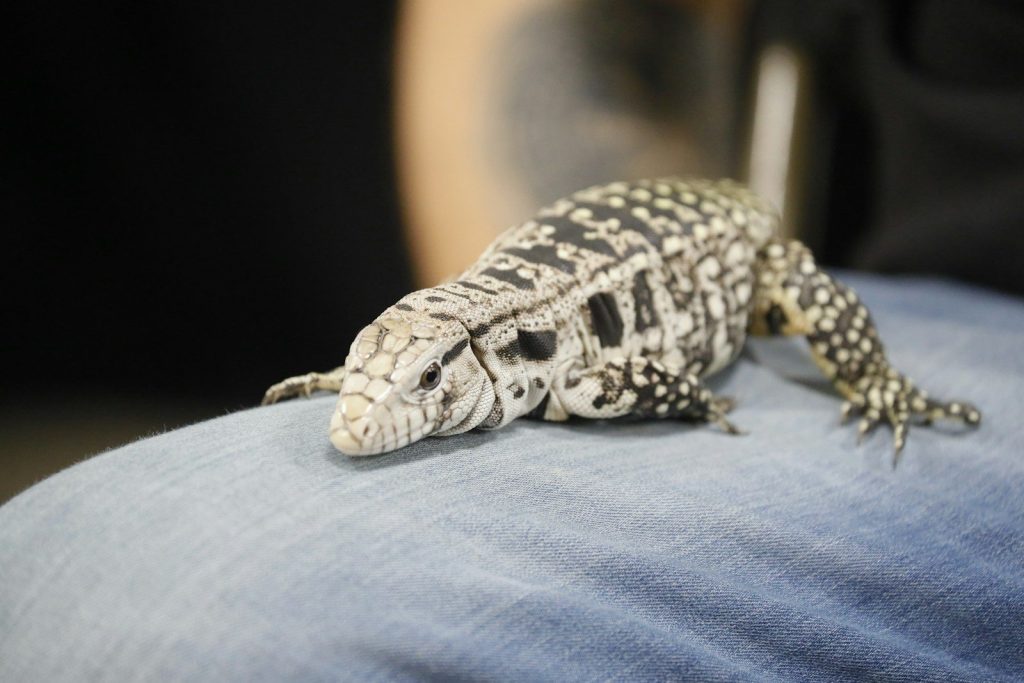
The Argentine black and white tegu is native to South America and was first introduced into the United States through the exotic pet trade. Some animals escaped or were released, eventually establishing breeding populations in the wild.
Florida became the primary center of the invasion, where favorable climate conditions helped the species thrive. Over time, sightings began appearing in additional southern states.
These Lizards Can Grow Surprisingly Large
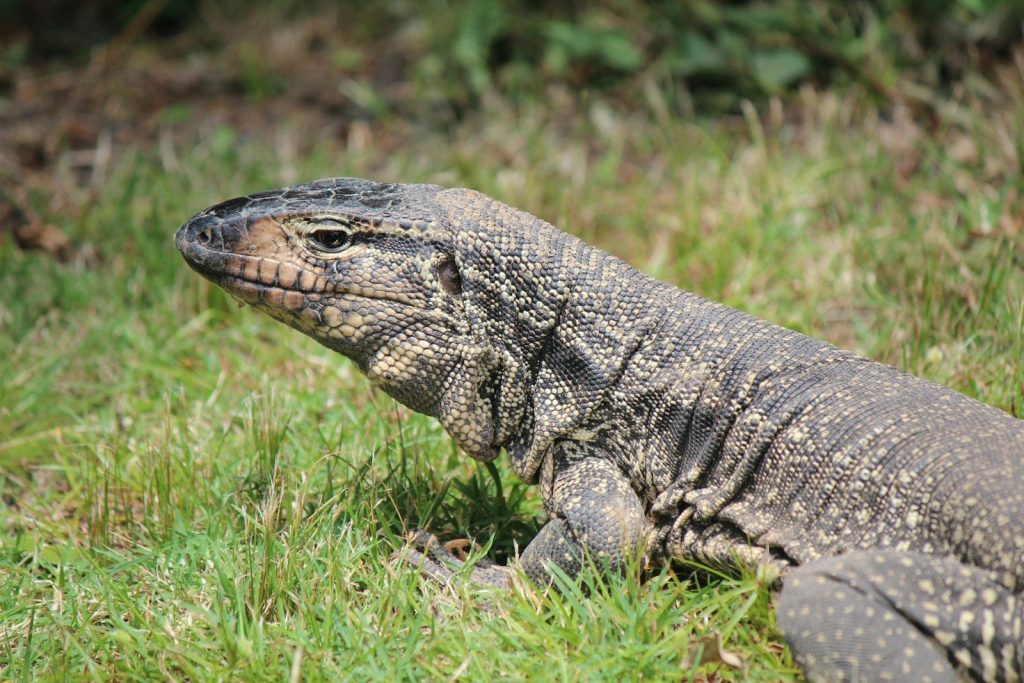
Adult tegus can reach lengths of up to four feet and weigh more than ten pounds. Their powerful bodies, sharp claws, and strong jaws make them formidable reptiles in the environments they occupy.
Although they typically remain on the ground, tegus are also capable swimmers. Their physical versatility helps them adapt to a wide variety of habitats.
A Broad Diet Creates Problems For Native Wildlife
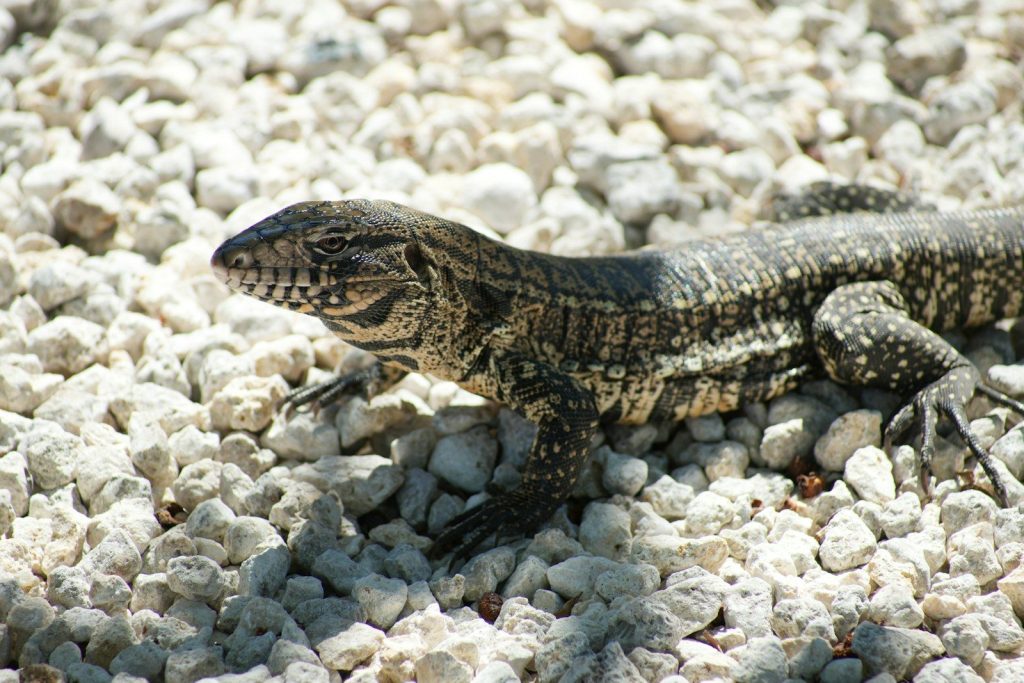
One of the biggest concerns surrounding tegus is their opportunistic feeding behavior. They consume eggs, small animals, fruits, vegetation, and other readily available food sources.
Ground nesting birds and reptiles can be particularly vulnerable to tegu predation. This creates additional pressure on native species already facing environmental challenges.
Wildlife Agencies Are Tracking New Sightings
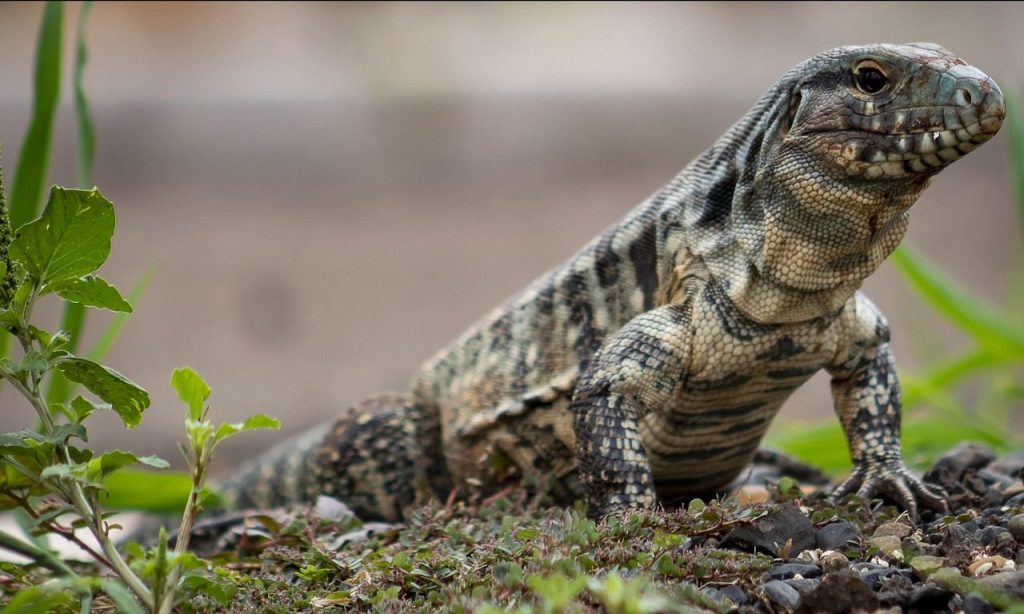
Florida continues to report the largest number of confirmed observations, but wildlife officials have documented sightings in several neighboring states. The appearance of tegus outside established populations has increased concerns about future expansion.
Monitoring programs rely heavily on public reports and field surveys. Early detection helps officials respond before populations become firmly established.
Rapid Reproduction Helps The Species Spread

Tegus reproduce efficiently and face relatively few natural predators in many of the areas they invade. These factors allow populations to grow quickly once breeding groups become established.
Because of their reproductive success, wildlife managers emphasize the importance of controlling populations before they expand. Delayed action can make long term management significantly more difficult.