Skip to content

Recent Posts

  • Texas Pushes Fly Factory Plan to Stop Flesh-Eating Livestock Parasite
  • New Screwworm Cases Spark Concern For Texas Ranchers And The U.S. Beef Industry
  • Invasive Tegu Lizards Are Expanding Across The South And Raising New Wildlife Concerns
  • Elusive Goblin Shark Captured Alive In The Deep Ocean For The First Time
  • Why Wyoming’s Wolves Appear Larger Than Many Other Gray Wolves In The Lower 48

Most Used Categories

  • Nature & Wildlife (259)
  • Risk (46)
  • Human Interest (20)
  • Hunting (17)
  • Survival (15)
  • Bees/Swarms fear (13)
  • Exotic Animals (10)
  • Suspense (6)
  • Adventure (3)
  • Gears (2)
Skip to content
  • About Us
  • Contact Us
  • Disclaimer
  • Privacy Policy
  • Terms & Conditions

Hive Hunters Tales

  • Suspense
  • Nature & Wildlife
  • Human Interest
  • Hunting
  • Bees/Swarms fear
  • Exotic Animals
  • Risk
  • Survival
  • Adventure
  • Gears
  • Home
  • Nature & Wildlife
  • Elusive Goblin Shark Captured Alive In The Deep Ocean For The First Time
saw shark

Elusive Goblin Shark Captured Alive In The Deep Ocean For The First Time

JakeJune 18, 2026June 18, 2026

One of the ocean’s most mysterious predators has finally been observed alive in its natural environment, marking a major milestone for deep sea research. The rarely seen goblin shark, a species often described as a living fossil, was recorded thousands of feet below the ocean’s surface in one of the deepest and darkest parts of the Pacific Ocean.

Scientists have known about the goblin shark for more than a century, but most previous encounters occurred only after individuals were accidentally caught by fishing operations. The new observations offer researchers an unprecedented glimpse into the life of one of the ocean’s most unusual creatures.

A Historic First In Deep Sea Exploration

field, trench, the sun, trench, trench, trench, trench, trench
Photo by gosiak1980 on Pixabay

Researchers captured footage of a goblin shark using a remotely operated baited camera deployed in the Tonga Trench. This marked the first confirmed observation of the species alive and behaving naturally in its deep ocean habitat.

The discovery represents a significant breakthrough for marine biology. It provides valuable information about a species that has remained largely hidden from scientific observation.

The Species Lives Far Deeper Than Expected
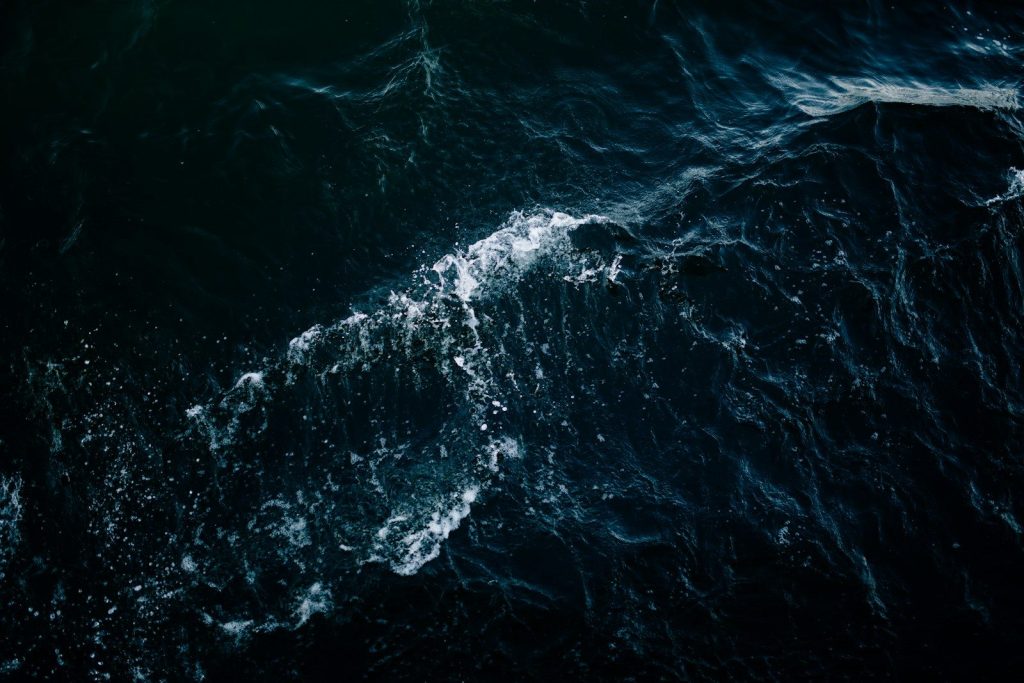
high-angle photo of sea with waves
Photo by Michael Benz on Unsplash

Scientists were surprised by the depth at which the shark was recorded. The sighting occurred hundreds of meters deeper than previous records had suggested the species inhabited.

This finding expands scientific understanding of the goblin shark’s range and habitat preferences. It also highlights how much remains unknown about life in the deep ocean.

A Strange Predator Built For Darkness
a dolphin swims through the water in a black and white photo
Photo by Avery Cocozziello on Unsplash

Goblin sharks are instantly recognizable because of their elongated snout, protrusible jaws, and sharp teeth. Their unusual appearance has earned them a reputation as one of the strangest sharks in the world.

These adaptations help them survive in an environment where sunlight never reaches. Specialized sensory systems allow them to detect prey in complete darkness.

A Living Fossil From An Ancient Lineage
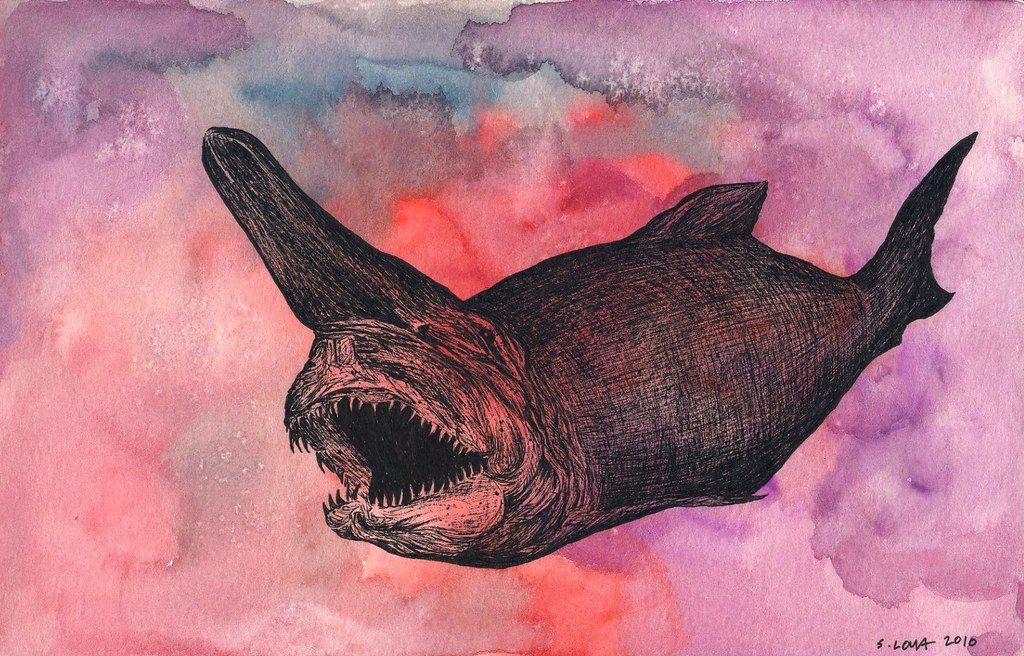
“Goblin Shark” by steve loya is licensed under CC BY-NC-ND 2.0

The goblin shark is often referred to as a living fossil because it represents the last surviving member of a family that dates back more than 100 million years. Its ancestors swam alongside many prehistoric marine species long before modern oceans took shape.

This ancient heritage makes the species especially valuable to researchers. Studying it may offer insights into the evolutionary history of sharks and deep sea ecosystems.

Multiple Sightings Expanded The Known Range
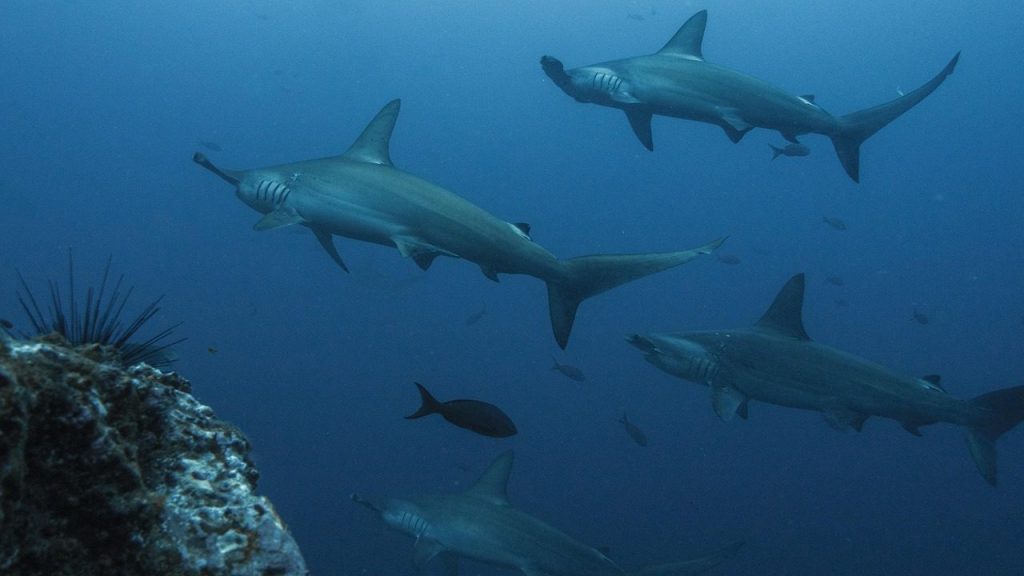
hammerhead shark, hammerhead sharks, sharks, underwater, sea, ocean, dive, nature, underwater world, fish, shark, water
Photo by baechi on Pixabay

Scientists later connected the recent discovery with earlier footage recorded in the central Pacific several years before. Together, the observations suggest the species occupies a much larger geographic range than previously believed.

These findings have helped researchers better understand where goblin sharks may be found. They also demonstrate the importance of reviewing older deep sea footage with new scientific perspectives.
Post navigation

Previous: Why Wyoming’s Wolves Appear Larger Than Many Other Gray Wolves In The Lower 48
Next: Invasive Tegu Lizards Are Expanding Across The South And Raising New Wildlife Concerns

Related Posts

brown cow on green grass field during daytime

Texas Pushes Fly Factory Plan to Stop Flesh-Eating Livestock Parasite

June 18, 2026June 18, 2026 Jake
a lone wolf standing on top of a snow covered slope

Why Wyoming’s Wolves Appear Larger Than Many Other Gray Wolves In The Lower 48

June 18, 2026June 18, 2026 Jake
selective focus photography of shark

Shark Attack Off Florida Coast Sparks Fresh Debate About Human Encounters With Wildlife

June 18, 2026June 18, 2026 Jake

Leave a Reply Cancel reply

Your email address will not be published. Required fields are marked *

Recent Posts

  • Texas Pushes Fly Factory Plan to Stop Flesh-Eating Livestock Parasite
  • New Screwworm Cases Spark Concern For Texas Ranchers And The U.S. Beef Industry
  • Invasive Tegu Lizards Are Expanding Across The South And Raising New Wildlife Concerns
  • Elusive Goblin Shark Captured Alive In The Deep Ocean For The First Time
  • Why Wyoming’s Wolves Appear Larger Than Many Other Gray Wolves In The Lower 48
Copyright All Rights Reserved | Theme: BlockWP by Candid Themes.