Skip to content

Recent Posts

  • Study Highlights Welfare Concerns for Britain’s Often-Overlooked Working Donkeys
  • Hidden Mineral Deficiency May Be Quietly Reducing Farm Productivity, Veterinarians Warn
  • The Forgotten Butterfly Pioneer Finally Gets the Recognition She Deserves
  • How Volunteers Are Protecting Britain’s Most Vulnerable Shorebirds
  • The Abandoned Foal That Turned Into a Mission of Hope

Most Used Categories

  • Nature & Wildlife (253)
  • Risk (45)
  • Human Interest (20)
  • Hunting (17)
  • Survival (15)
  • Bees/Swarms fear (13)
  • Exotic Animals (9)
  • Suspense (6)
  • Adventure (3)
  • Gears (2)
Skip to content
  • About Us
  • Contact Us
  • Disclaimer
  • Privacy Policy
  • Terms & Conditions

Hive Hunters Tales

  • Suspense
  • Nature & Wildlife
  • Human Interest
  • Hunting
  • Bees/Swarms fear
  • Exotic Animals
  • Risk
  • Survival
  • Adventure
  • Gears
  • Home
  • Nature & Wildlife
  • How One Conservationist Is Rethinking Wildlife Coexistence
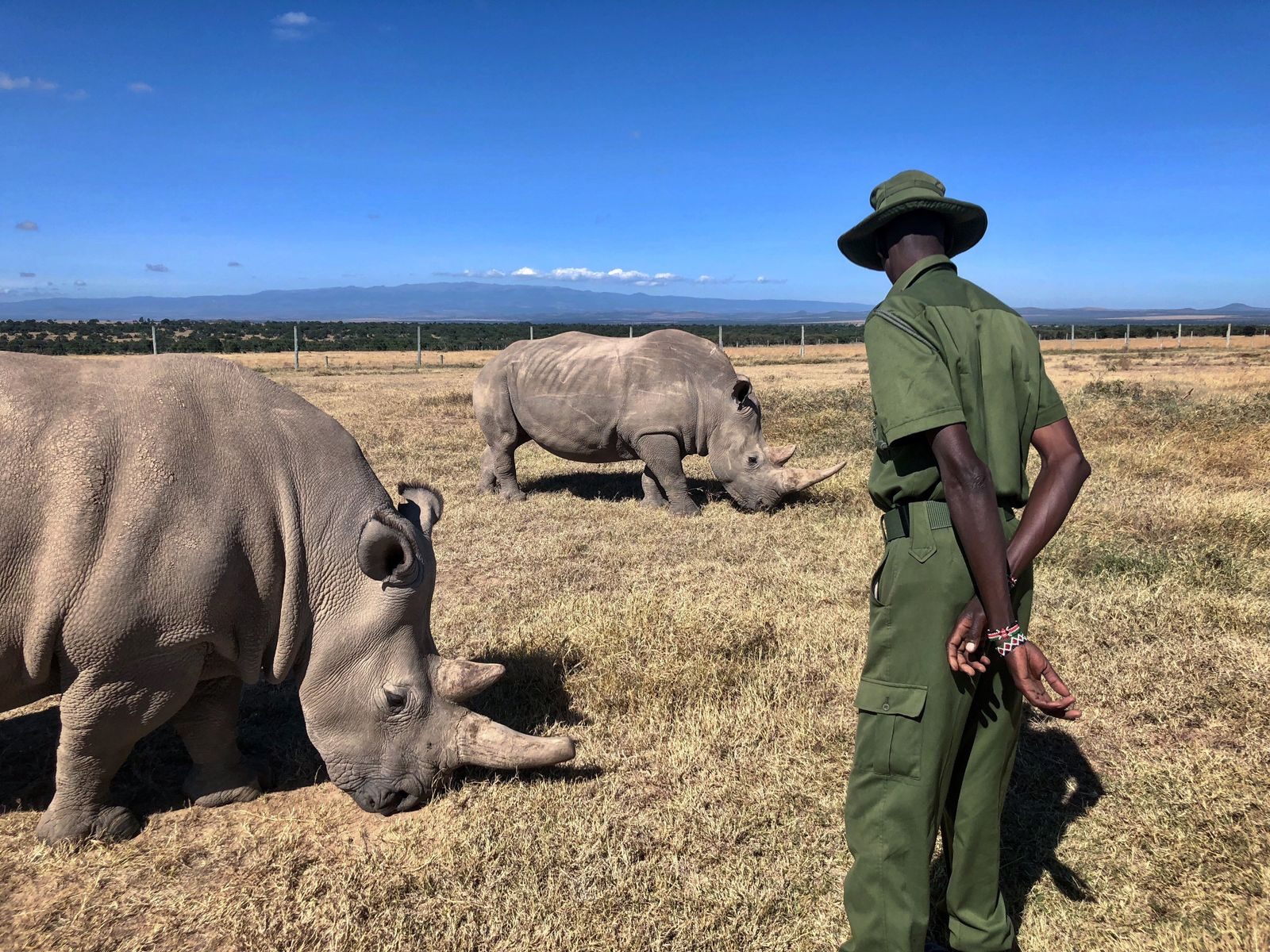
Ranger supervises northern white rhinos in Ol Pejeta Conservancy, Kenya wildlife.

How One Conservationist Is Rethinking Wildlife Coexistence

JakeJune 16, 2026June 16, 2026

Wildlife conservation is often imagined as protecting animals from extinction or keeping nature separate from human life. But in reality, people and wildlife frequently share the same spaces, leading to conflict, trade-offs, and difficult choices. Conservation scientist Krithi Karanth has built her career around a different idea: instead of separating humans and wildlife, we should focus on how both can live together in the same landscapes in practical, sustainable ways.

Growing Up in a Conservation World
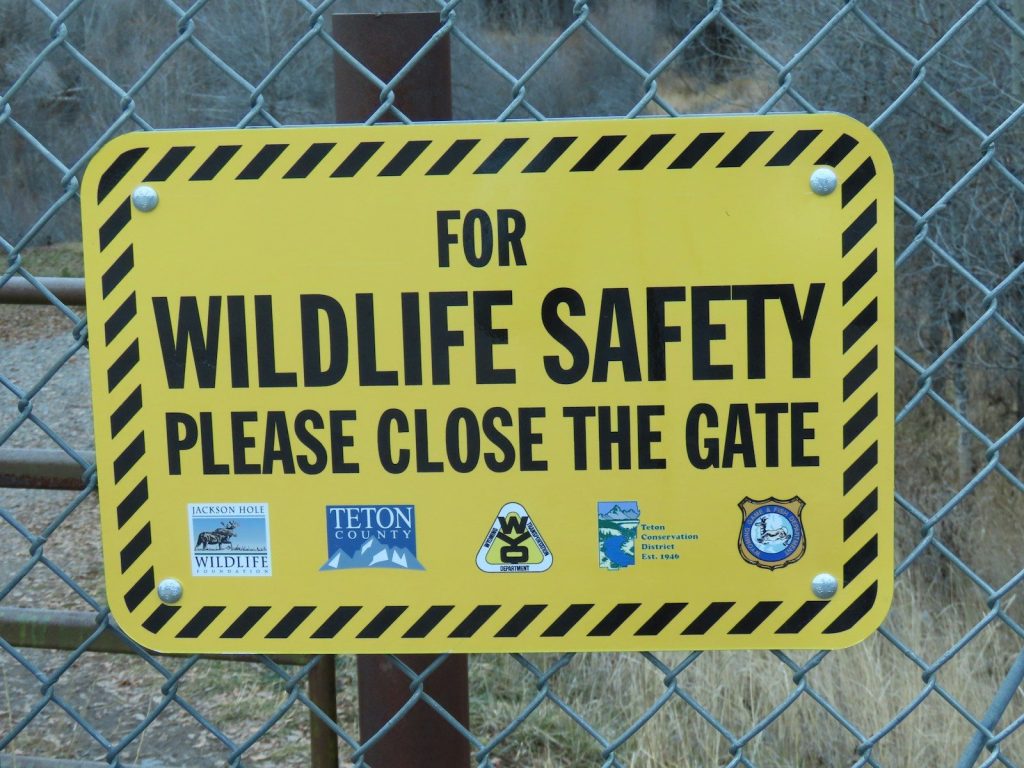
a yellow and black sign on a chain link fence
Photo by Todd Morris on Unsplash

Krithi Karanth’s interest in wildlife was shaped early in life. Her father, Ullas Karanth, is a well-known wildlife researcher in India, and growing up around conservation work gave her a close view of both animal protection and the realities faced by people living near forests. This background helped her see conservation as more than just science—it is also deeply connected to human lives and livelihoods.

Understanding Human-Wildlife Conflict
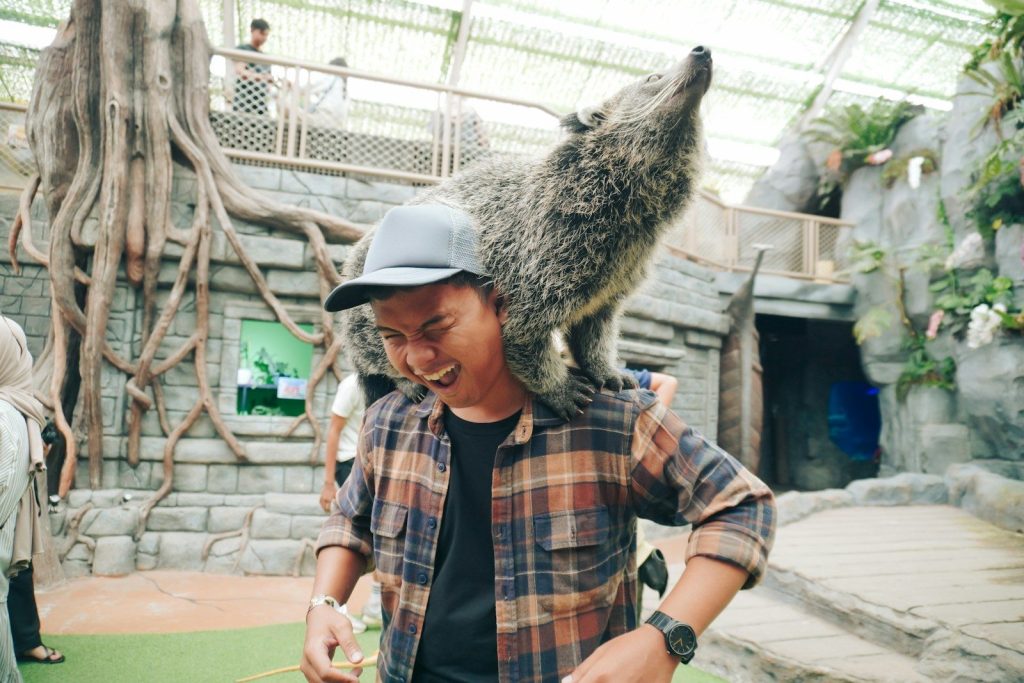
Man with binturong on his shoulders
Photo by Yazid N on Unsplash

A major focus of her work is the tension that arises when animals like elephants, tigers, and leopards share land with farming communities. These encounters can lead to crop loss, livestock attacks, property damage, and even safety risks for people. While conservation efforts often prioritize protecting wildlife, local communities often carry the immediate costs of living near protected areas.

Listening to Local Communities
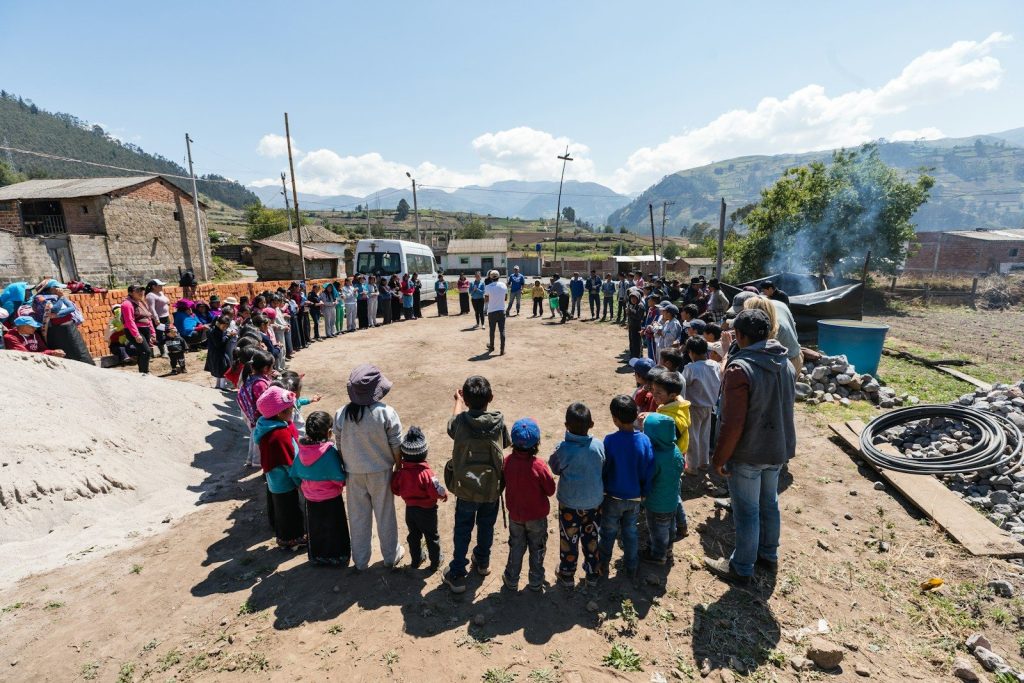
people standing forming circle near house under blue sky during daytime
Photo by Dario Valenzuela on Unsplash

One of Karanth’s key contributions is emphasizing that conservation decisions must include the voices of people who actually live alongside wildlife. Through large-scale surveys and field research, her work gathers real data from households to understand their challenges and attitudes. This helps shape policies that are more practical, fair, and likely to succeed in the long term.

Shifting Toward Coexistence Strategies
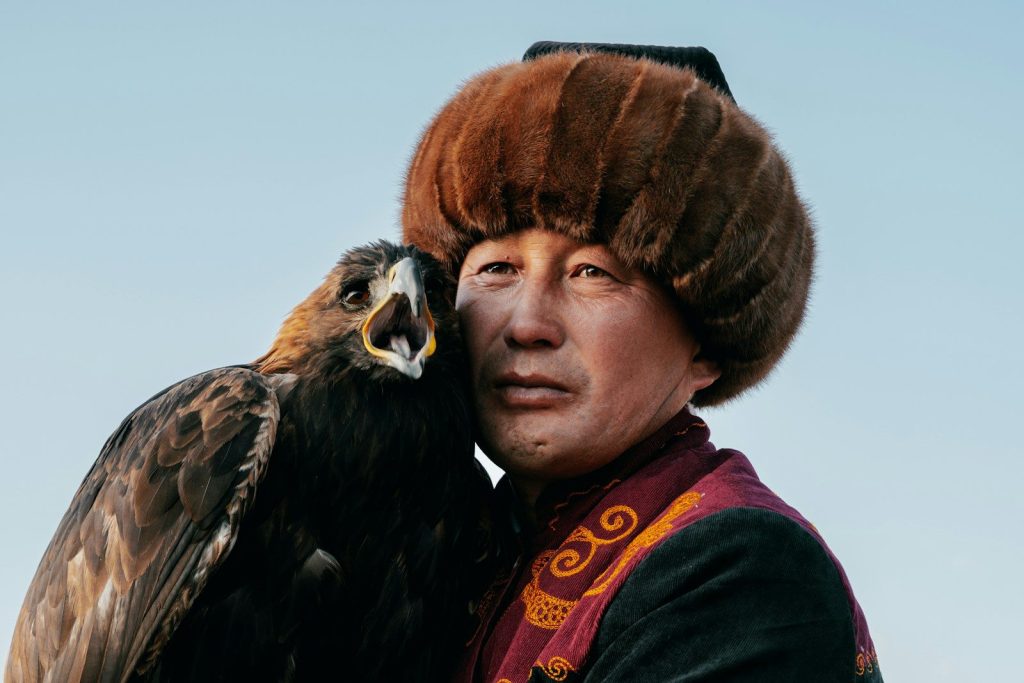
Man in traditional clothing with a golden eagle
Photo by Spenser Sembrat on Unsplash

Instead of focusing only on protection and restrictions, modern conservation increasingly explores coexistence approaches. These can include compensation for livestock losses, early warning systems for wildlife movement, community education, and better land-use planning. The goal is not to eliminate conflict completely but to reduce it to a manageable level where both people and wildlife can thrive.

Conservation Beyond Animals Alone

a man and woman sitting on a rock looking at horses
Photo by Ilker Ozmen on Unsplash

Karanth’s work highlights a broader shift in conservation thinking. Success is no longer measured only by rising animal populations or expanding protected areas, but also by whether local communities can live with wildlife without being pushed into hardship. In this view, conservation is as much about social systems, trust, and cooperation as it is about ecology.
Post navigation

Previous: The Tiny Florida Keys Butterfly Fighting to Survive
Next: Invasive Snakes in Ibiza Could Reshape Island Wildlife

Related Posts

Two donkeys standing next to each other near a fence

Study Highlights Welfare Concerns for Britain’s Often-Overlooked Working Donkeys

June 17, 2026June 17, 2026 Jake
brown and white cow on green grass field during daytime

Hidden Mineral Deficiency May Be Quietly Reducing Farm Productivity, Veterinarians Warn

June 17, 2026June 17, 2026 Jake
glanville fritillary, melitaea cinxia, butterfly, beautiful flowers, flower wallpaper, spring, beetle, branch, bough, stick, limb, blossom, flower, bloom, tillering, estonia, face, flower background, summer, parasite, bug, wildlife, outdoor, nature, forest, examine, probe

The Forgotten Butterfly Pioneer Finally Gets the Recognition She Deserves

June 17, 2026June 17, 2026 Jake

Leave a Reply Cancel reply

Your email address will not be published. Required fields are marked *

Recent Posts

  • Study Highlights Welfare Concerns for Britain’s Often-Overlooked Working Donkeys
  • Hidden Mineral Deficiency May Be Quietly Reducing Farm Productivity, Veterinarians Warn
  • The Forgotten Butterfly Pioneer Finally Gets the Recognition She Deserves
  • How Volunteers Are Protecting Britain’s Most Vulnerable Shorebirds
  • The Abandoned Foal That Turned Into a Mission of Hope
Copyright All Rights Reserved | Theme: BlockWP by Candid Themes.