Skip to content

Recent Posts

  • Study Highlights Welfare Concerns for Britain’s Often-Overlooked Working Donkeys
  • Hidden Mineral Deficiency May Be Quietly Reducing Farm Productivity, Veterinarians Warn
  • The Forgotten Butterfly Pioneer Finally Gets the Recognition She Deserves
  • How Volunteers Are Protecting Britain’s Most Vulnerable Shorebirds
  • The Abandoned Foal That Turned Into a Mission of Hope

Most Used Categories

  • Nature & Wildlife (253)
  • Risk (45)
  • Human Interest (20)
  • Hunting (17)
  • Survival (15)
  • Bees/Swarms fear (13)
  • Exotic Animals (9)
  • Suspense (6)
  • Adventure (3)
  • Gears (2)
Skip to content
  • About Us
  • Contact Us
  • Disclaimer
  • Privacy Policy
  • Terms & Conditions

Hive Hunters Tales

  • Suspense
  • Nature & Wildlife
  • Human Interest
  • Hunting
  • Bees/Swarms fear
  • Exotic Animals
  • Risk
  • Survival
  • Adventure
  • Gears
  • Home
  • Nature & Wildlife
  • Invasive Snakes in Ibiza Could Reshape Island Wildlife
lizard, reptile, ibiza, formentera, sargantana, animal, nature, wildlife

Invasive Snakes in Ibiza Could Reshape Island Wildlife

JakeJune 16, 2026June 16, 2026

Ibiza is known for its beaches and nightlife, but beneath the surface of this Mediterranean island, a quieter ecological crisis is unfolding. An increasing number of invasive snakes are spreading across the island, putting intense pressure on native wildlife, especially the iconic Ibiza wall lizard, a species found nowhere else in the world.

A Unique Island Species Under Pressure
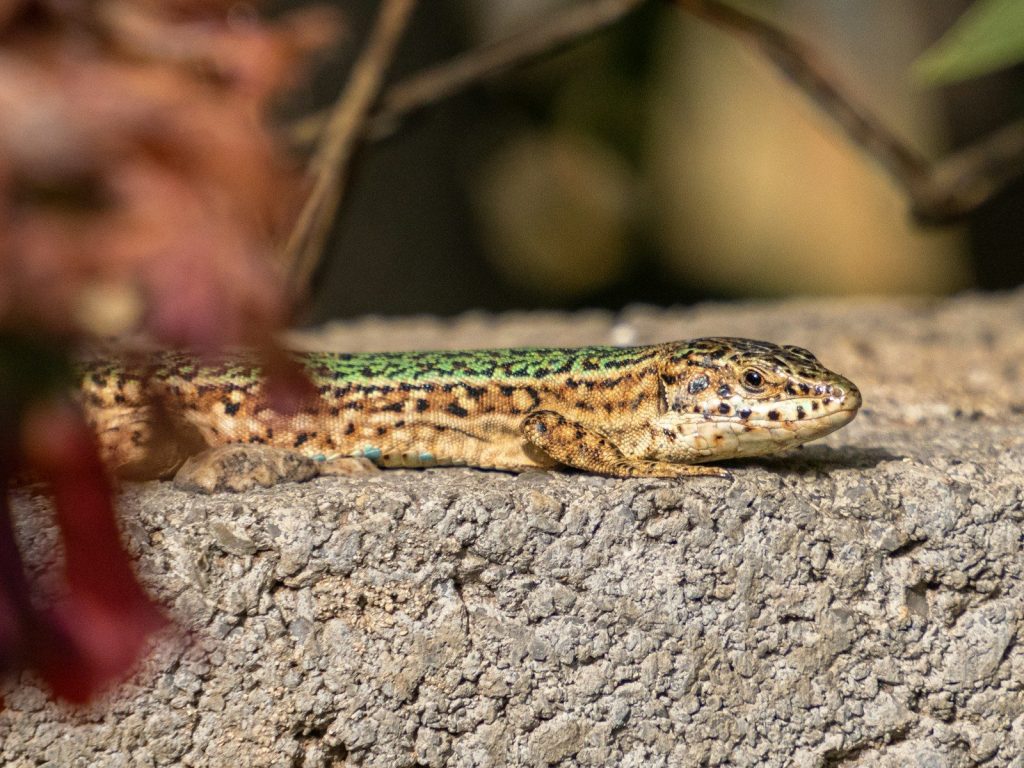
a close up of a lizard on a rock
Photo by Pauline Bernfeld on Unsplash

The Ibiza wall lizard has evolved in isolation for thousands of years. Living across rocky coastlines, pine forests, stone walls, and nearby islets, it developed unique traits suited to an environment without natural snake predators. This long isolation made the species both distinctive and highly vulnerable to new threats.

How the Snake Invasion Began
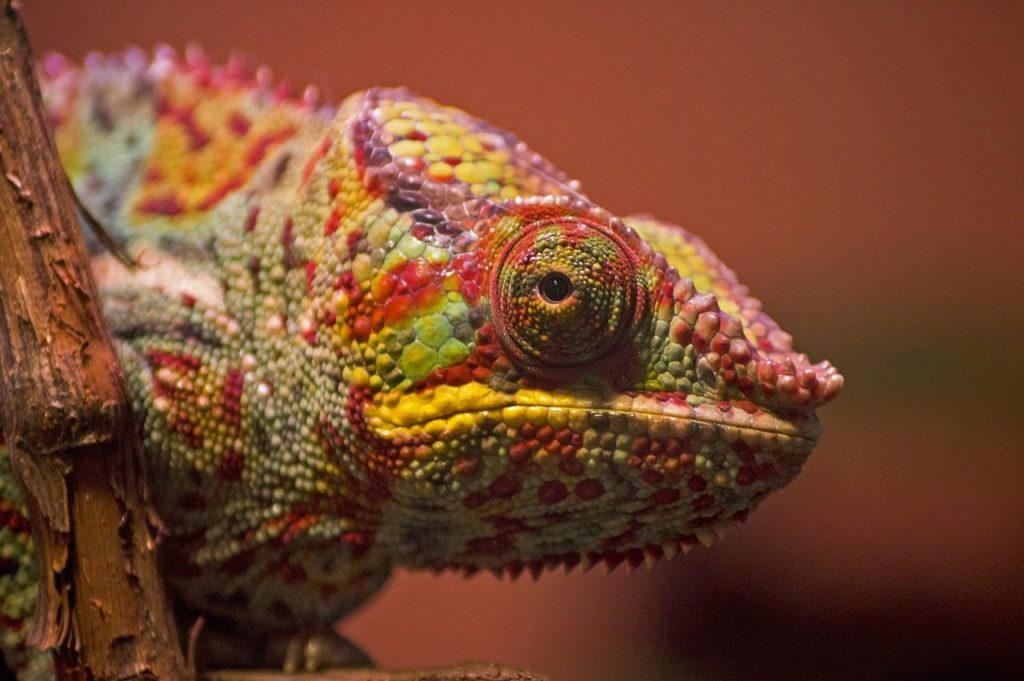
chameleon, color, bright, lizard, reptile, tropical, chameleon, chameleon, chameleon, chameleon, chameleon, lizard, lizard, lizard
Photo by GKorovko on Pixabay

The arrival of snakes on Ibiza was accidental. Researchers believe they were introduced through the importation of ornamental plants, especially large olive trees brought from mainland Spain. Hidden among roots and soil, snakes were unknowingly transported to the island, where they established breeding populations.

A Predator the Island Was Not Ready For
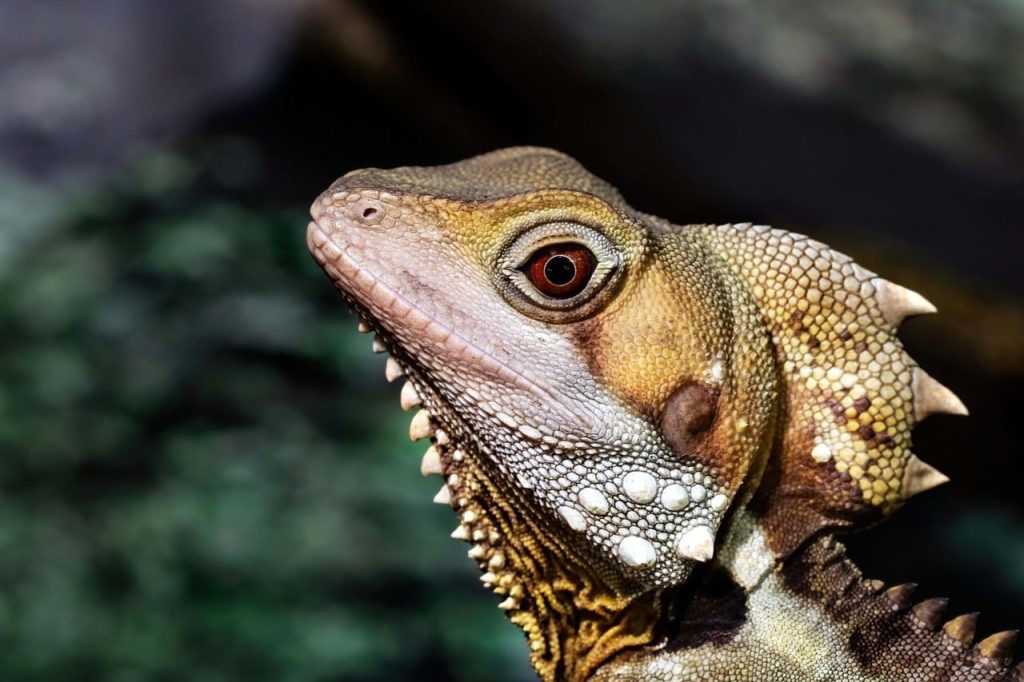
dragon, boyds forest dragon, lizard, animal, reptile, australian lizard, australia, nature, koala gardens
Photo by DavidClode on Pixabay

One of the most widespread invasive species is the horseshoe whip snake, a fast and efficient hunter of small reptiles. Unlike mainland ecosystems where prey species have evolved defenses, Ibiza’s lizards had no experience with such predators, making them especially easy targets.

Island Life Makes Species More Vulnerable
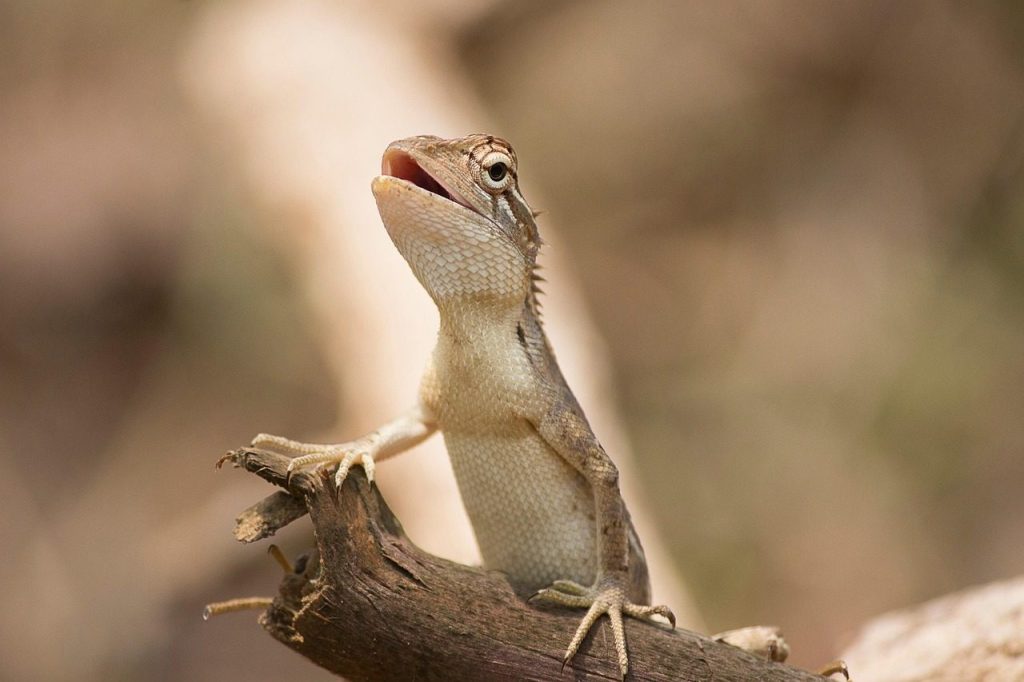
oriental garden lizard, reptile, animal, lizard, nature, wildlife, scales, closeup, portrait, lizard, lizard, lizard, lizard, lizard
Photo by PavanPrasad_IND on Pixabay

Island ecosystems often produce unique biodiversity, but they also create fragility. Animals that evolve without certain predators may lose survival instincts needed to escape them. This makes island species particularly vulnerable when new predators are introduced, even if those predators are harmless in their native environments.

Local Extinctions and Fragmented Populations
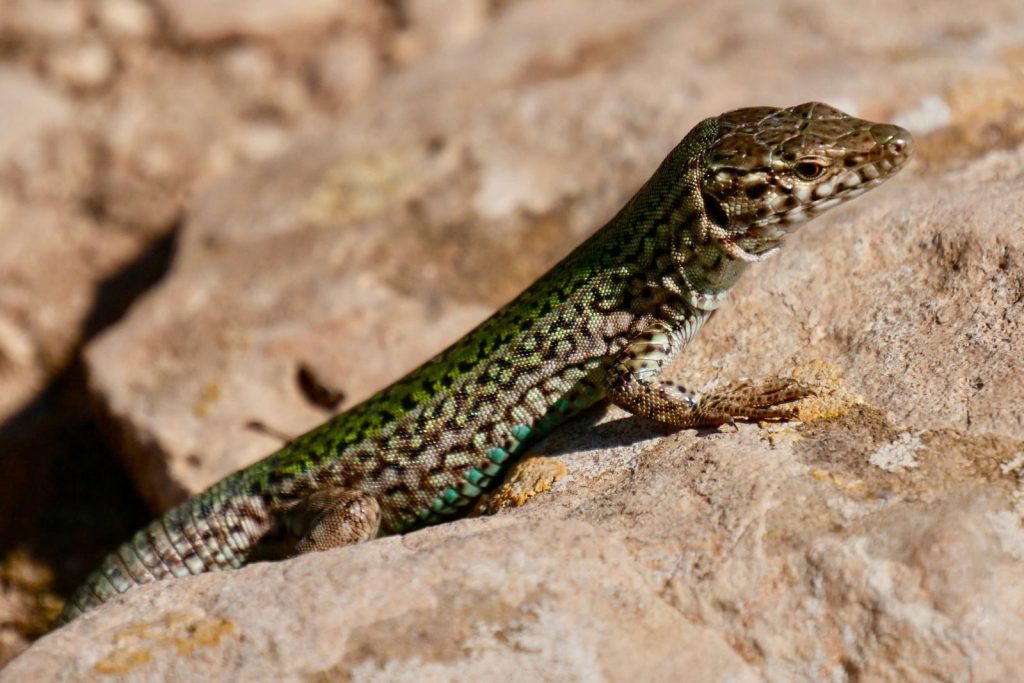
Close-up of an Ibiza Wall Lizard sunbathing on a sunlit rock in Spain.
Photo by Dirk Pothen on Pexels

Conservationists have already recorded steep declines in some areas of Ibiza where snakes are now well established. Isolated lizard populations, some of which carry rare genetic traits- are especially at risk. On nearby snake-free islets, populations remain stable, highlighting how uneven the impact has become.

Conservation Efforts Struggling to Keep Up
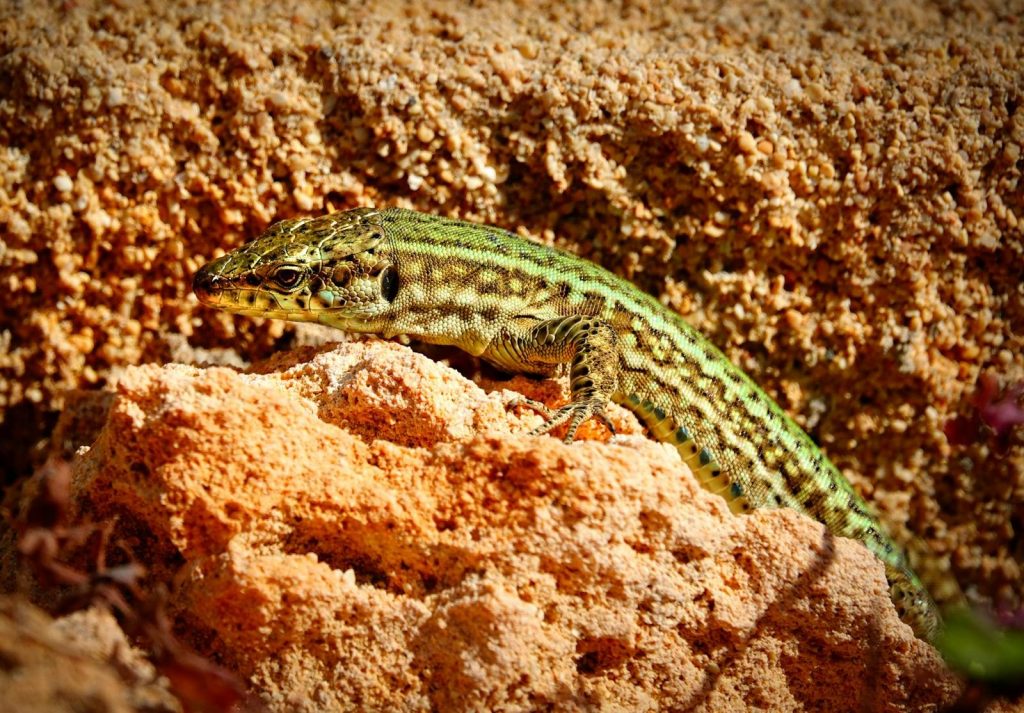
A Balearic lizard basking in the sunlight on rocky terrain, Cala Rajada, Spain.
Photo by Joerg Hartmann on Pexels

Authorities have launched large-scale trapping and monitoring programs to slow the spread of invasive snakes. However, removing an established predator from a populated island is extremely difficult. Current efforts focus on protecting key habitats and preventing further introductions through stricter control of imported plants.
Post navigation

Previous: How One Conservationist Is Rethinking Wildlife Coexistence
Next: Woman Finds Mysterious Green Lump in Her Garden and Uncovers Hundreds of Tiny Lives

Related Posts

Two donkeys standing next to each other near a fence

Study Highlights Welfare Concerns for Britain’s Often-Overlooked Working Donkeys

June 17, 2026June 17, 2026 Jake
brown and white cow on green grass field during daytime

Hidden Mineral Deficiency May Be Quietly Reducing Farm Productivity, Veterinarians Warn

June 17, 2026June 17, 2026 Jake
glanville fritillary, melitaea cinxia, butterfly, beautiful flowers, flower wallpaper, spring, beetle, branch, bough, stick, limb, blossom, flower, bloom, tillering, estonia, face, flower background, summer, parasite, bug, wildlife, outdoor, nature, forest, examine, probe

The Forgotten Butterfly Pioneer Finally Gets the Recognition She Deserves

June 17, 2026June 17, 2026 Jake

Leave a Reply Cancel reply

Your email address will not be published. Required fields are marked *

Recent Posts

  • Study Highlights Welfare Concerns for Britain’s Often-Overlooked Working Donkeys
  • Hidden Mineral Deficiency May Be Quietly Reducing Farm Productivity, Veterinarians Warn
  • The Forgotten Butterfly Pioneer Finally Gets the Recognition She Deserves
  • How Volunteers Are Protecting Britain’s Most Vulnerable Shorebirds
  • The Abandoned Foal That Turned Into a Mission of Hope
Copyright All Rights Reserved | Theme: BlockWP by Candid Themes.