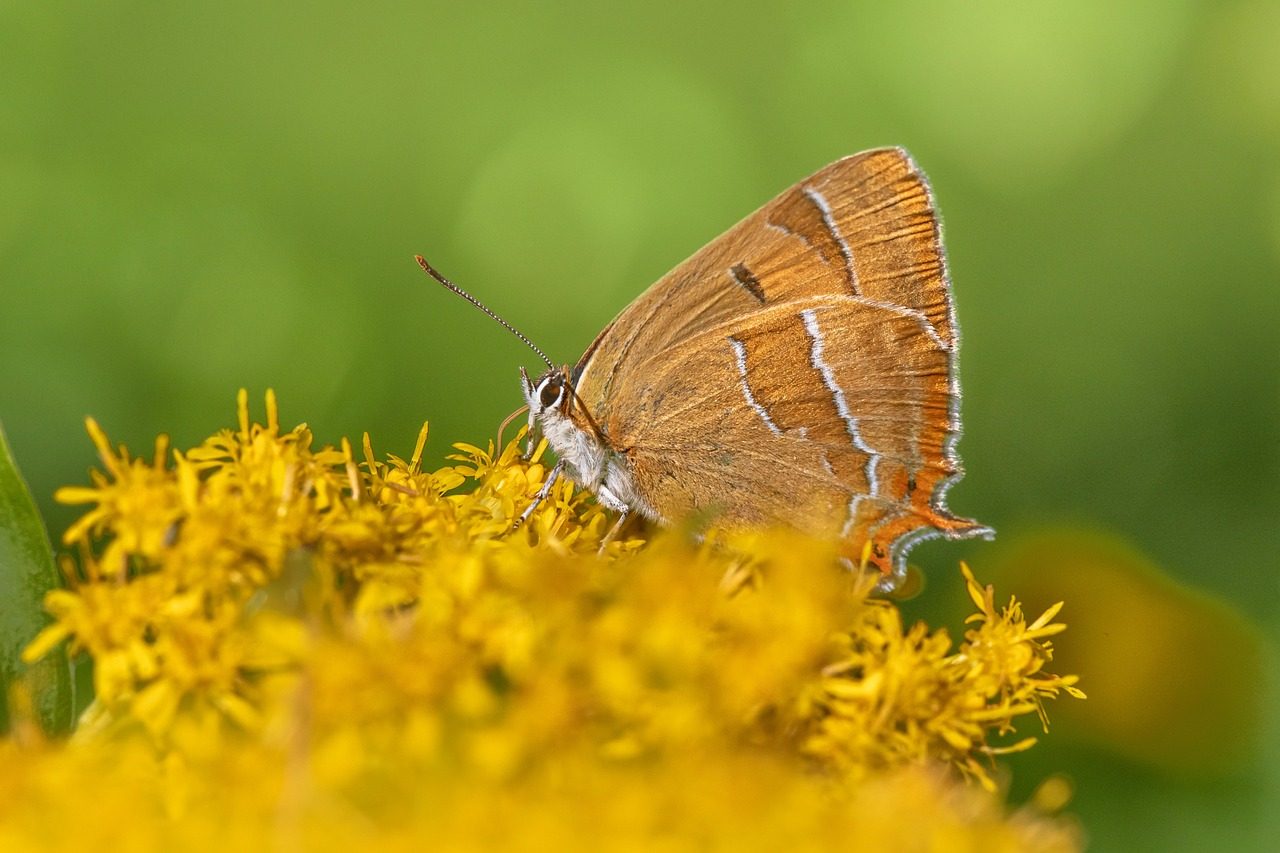
The Florida Keys are known for turquoise water, coral reefs, and tropical scenery. But hidden within this landscape is a tiny butterfly facing a very uncertain future.
The Bartram’s scrub-hairstreak may be easy to overlook, but its survival has become an important conservation concern. Its story shows how even the smallest species can depend on very specific habitats and relationships.
A Tiny Butterfly Most Visitors Never Notice
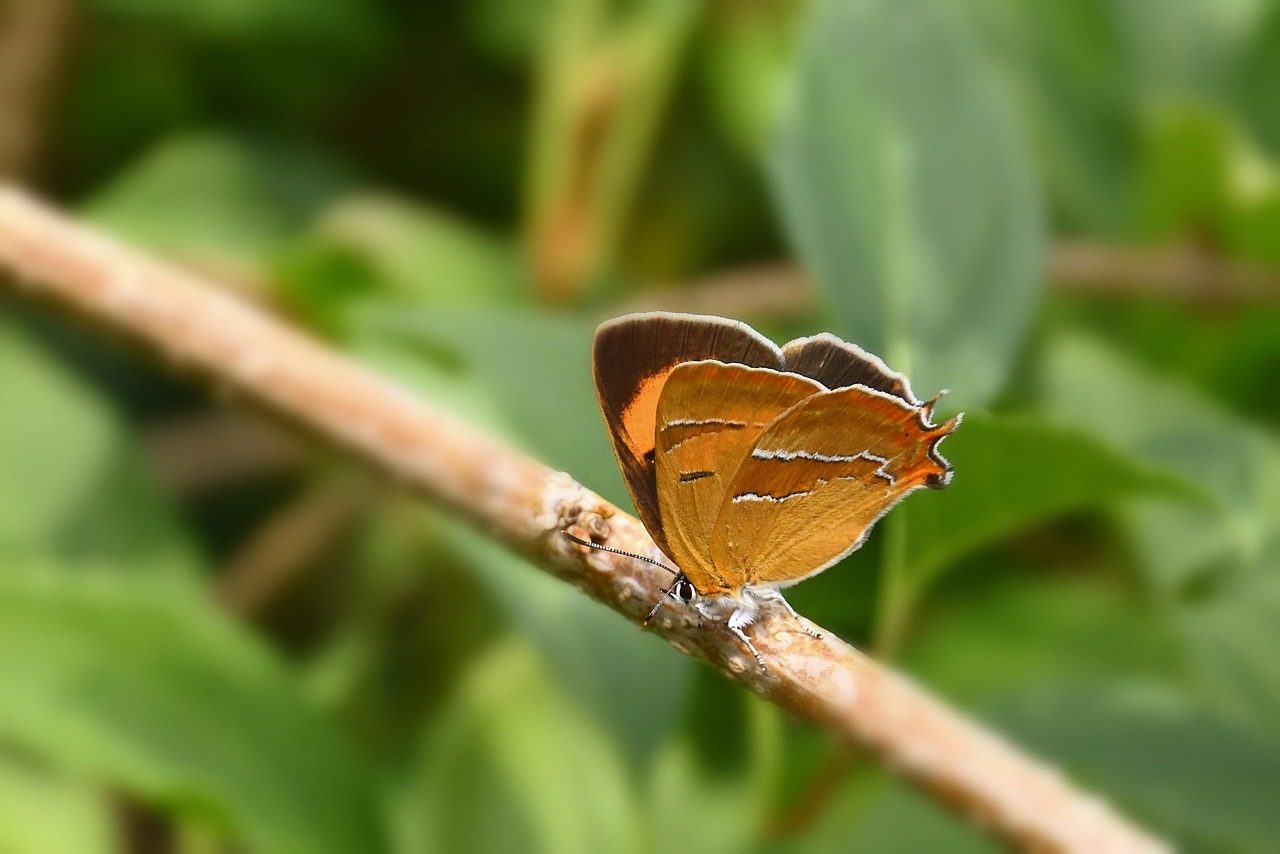
Most people traveling through the Florida Keys would likely miss the Bartram’s scrub-hairstreak. It is small, quick, and blends well with the natural colors of its surroundings.
Despite its quiet appearance, this butterfly is one of the rare insects that scientists and conservationists monitor closely. Its declining habitat has made its future increasingly fragile.
The butterfly’s survival depends on more than open space or warm weather. It needs a very particular plant and a very specific ecosystem to complete its life cycle.
That makes the species especially vulnerable. When its habitat changes or disappears, the butterfly has few alternatives.
Its Life Depends on One Native Plant
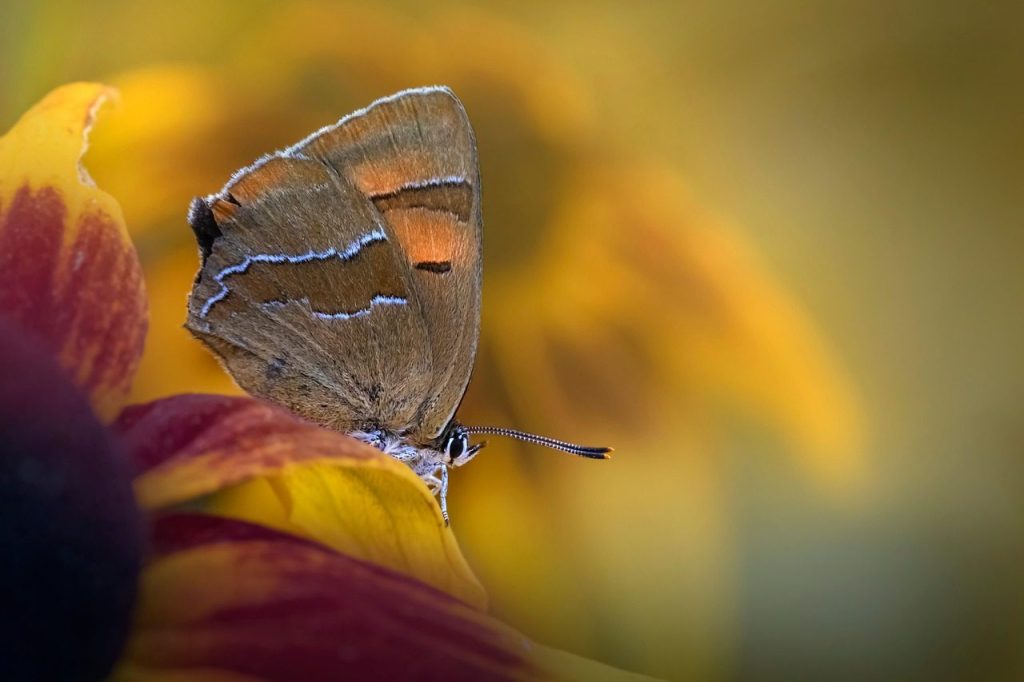
Many butterfly species can use several plants for laying eggs and feeding caterpillars. The Bartram’s scrub-hairstreak is far more specialized.
It depends heavily on pineland croton, a native plant found in pine rockland habitats. Female butterflies lay their eggs on this plant, and the caterpillars feed on it after hatching.
Without healthy pineland croton, the butterfly cannot successfully reproduce. This close connection means the plant and butterfly are deeply linked.
If the plant declines, the butterfly declines with it. That is why protecting one species often means protecting the entire habitat around it.
Pine Rocklands Are Disappearing
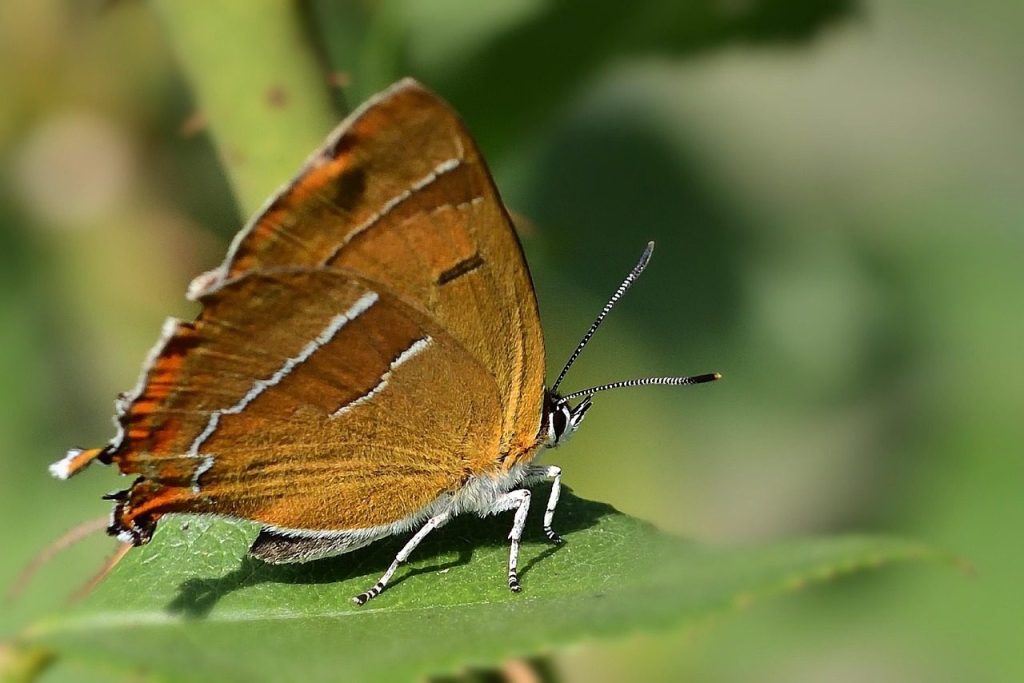
The Bartram’s scrub-hairstreak lives in pine rocklands, one of Florida’s rarest and most threatened ecosystems. These habitats are open pine forests that grow on limestone and support many unique plants and animals.
In the past, pine rocklands covered much larger parts of southern Florida. Today, only scattered fragments remain.
Urban growth, habitat fragmentation, invasive species, and changes in natural fire patterns have all reduced these ecosystems. As the habitat shrinks, the species that depend on it face greater risks.
For a butterfly with such specific needs, even small losses can be serious. A few damaged patches of habitat can make survival much harder.
Fire Helps Keep Its Habitat Healthy
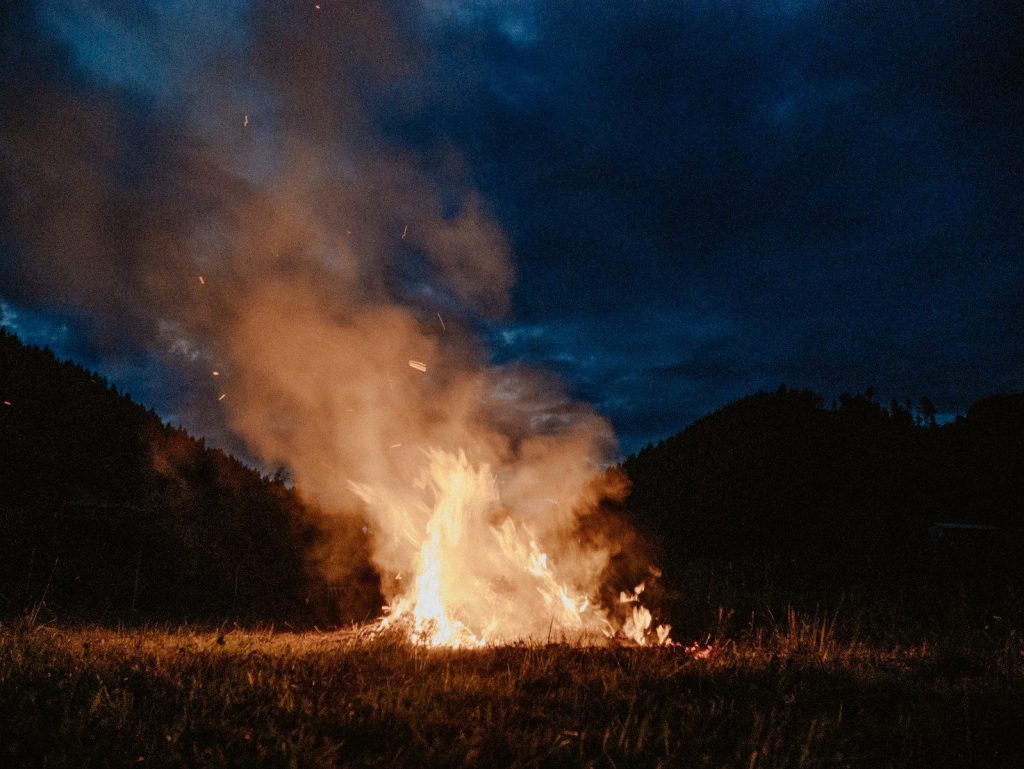
Fire may sound like a threat to wildlife, but in pine rocklands it plays an important role. These ecosystems evolved with regular natural fires over time.
Periodic fires keep the habitat open, reduce thick vegetation, and support the growth of native plants such as pineland croton. Without fire, the landscape can become too dense and unsuitable for the butterfly.
Conservation teams often use carefully controlled prescribed burns to maintain these conditions. These planned fires help restore the balance that the ecosystem needs.
Although it may seem surprising, fire can be part of saving the butterfly. In fire-adapted habitats, many species depend on this natural process.
Why This Butterfly Matters
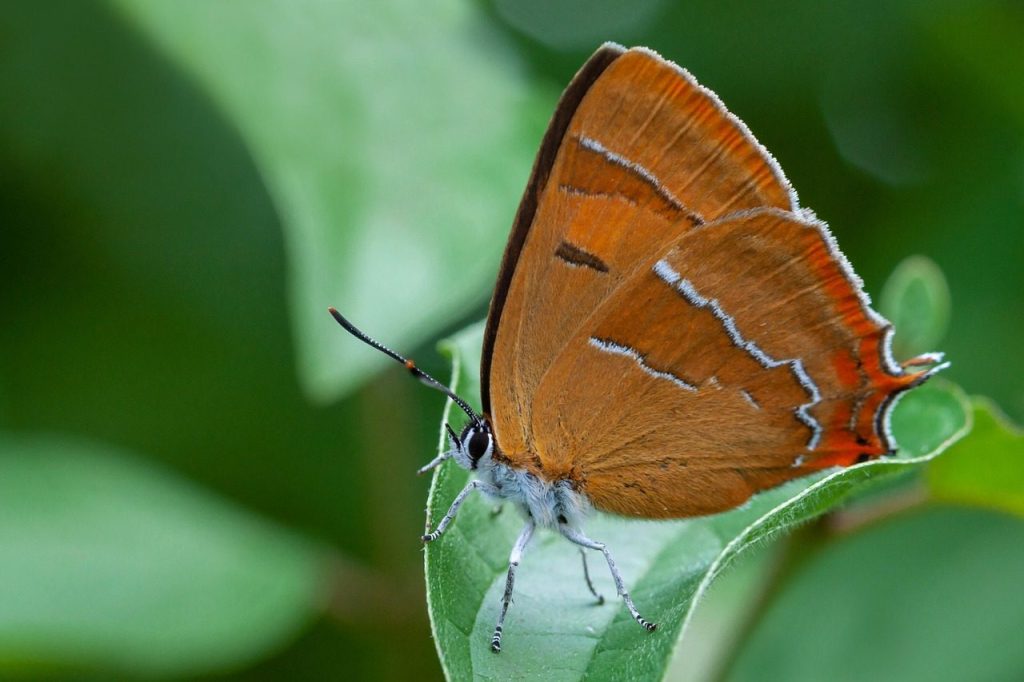
A tiny butterfly may not receive the same attention as sea turtles, panthers, or bald eagles. But insects are essential to healthy ecosystems.
They pollinate plants, feed birds and other animals, recycle nutrients, and help maintain natural balance. Losing even one small species can weaken the web of life around it.
The Bartram’s scrub-hairstreak also represents a unique piece of biodiversity. Once a species disappears, its evolutionary history disappears with it.
Its decline reminds us that conservation is not only about large, famous animals. It is also about protecting the smaller creatures that quietly support ecosystems.
Conservation Depends on Protecting the Whole Habitat
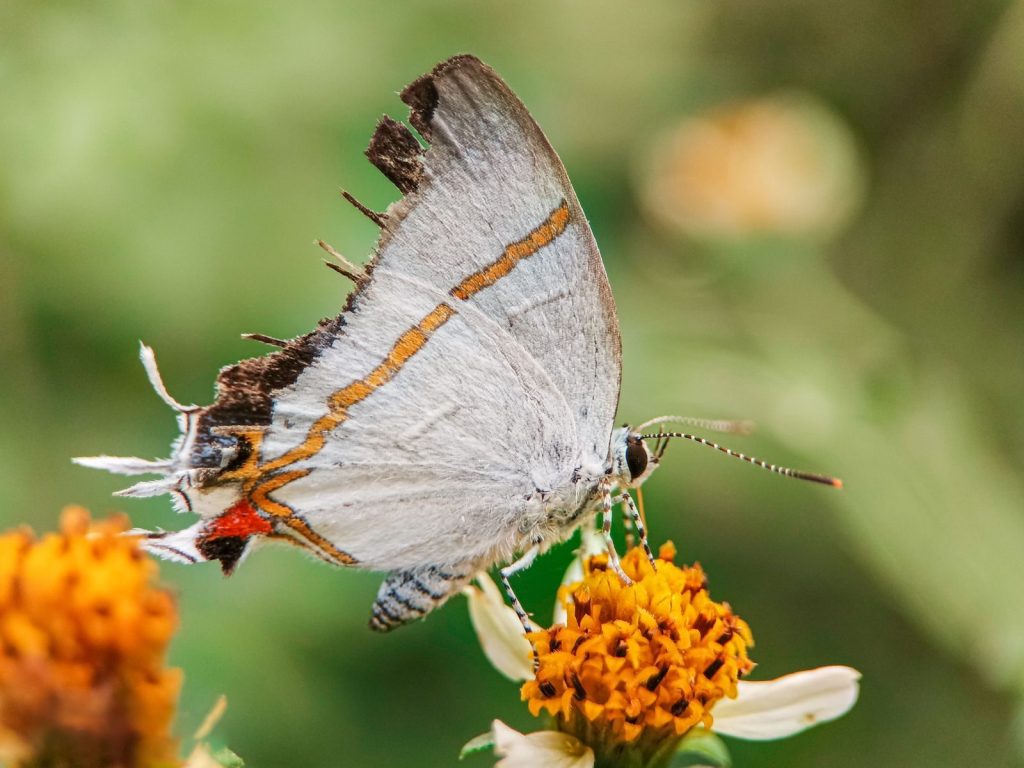
Efforts to save the Bartram’s scrub-hairstreak focus on protecting and restoring pine rocklands. This includes preserving remaining habitat, controlling invasive plants, and maintaining proper fire management.
Scientists also monitor butterfly populations to better understand where the species is surviving. These efforts help guide decisions about how to protect it more effectively.
Saving the butterfly is not just about saving individual insects. It means protecting the plant, the habitat, and the natural processes that allow the species to survive.
Its future depends on keeping these ecological connections intact. Without them, the butterfly cannot recover.