Wild animals often appear peaceful when observed from a distance, but their behavior can change quickly when they feel trapped, surprised, or threatened. Many dangerous encounters happen because humans misunderstand animal warning signs or move closer than is safe. Learning how wildlife reacts helps people enjoy nature while reducing risks for both animals and humans.
From large predators to defensive insects, every species has developed ways to survive in the wild. Most animals do not seek conflict with people, but they may react strongly when protecting territory, food, or young. Respecting space and observing responsibly are key parts of safe wildlife experiences around the world.
Wild Animals Need Personal Space

Wild animals depend on distance to feel secure and continue normal behaviors such as feeding, resting, and caring for young. When humans approach too closely, animals may interpret the situation as a threat rather than a friendly interaction. Even species that usually avoid people can become defensive when they feel cornered. Wildlife experts recommend watching animals from a safe distance and avoiding attempts to touch, feed, or approach them. Giving animals space reduces stress and allows people to enjoy natural encounters safely.
Predators React to Threats
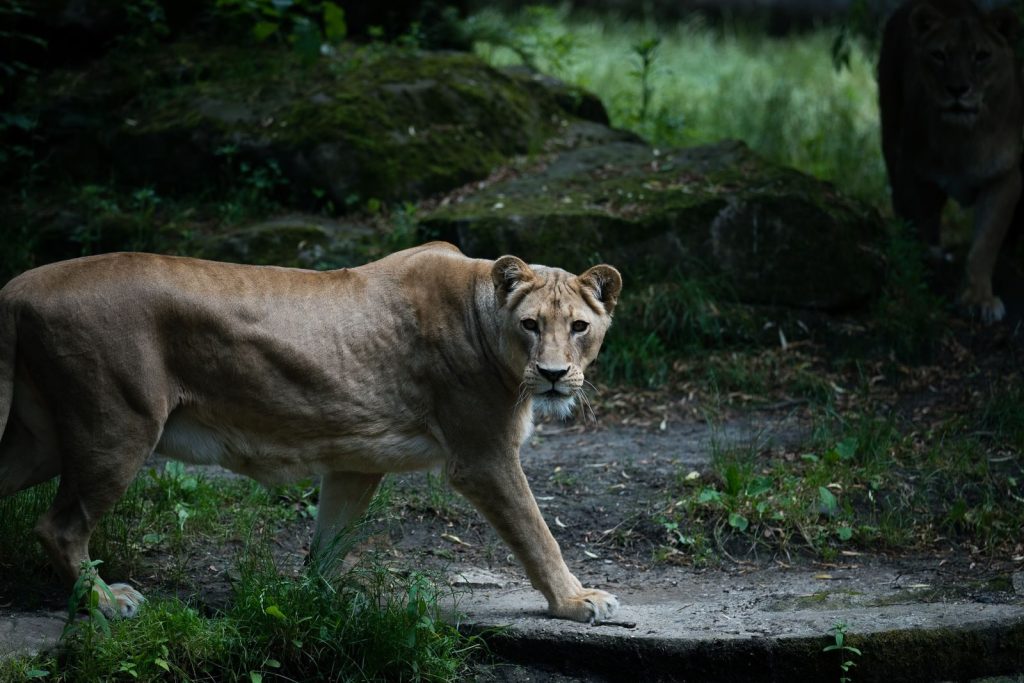
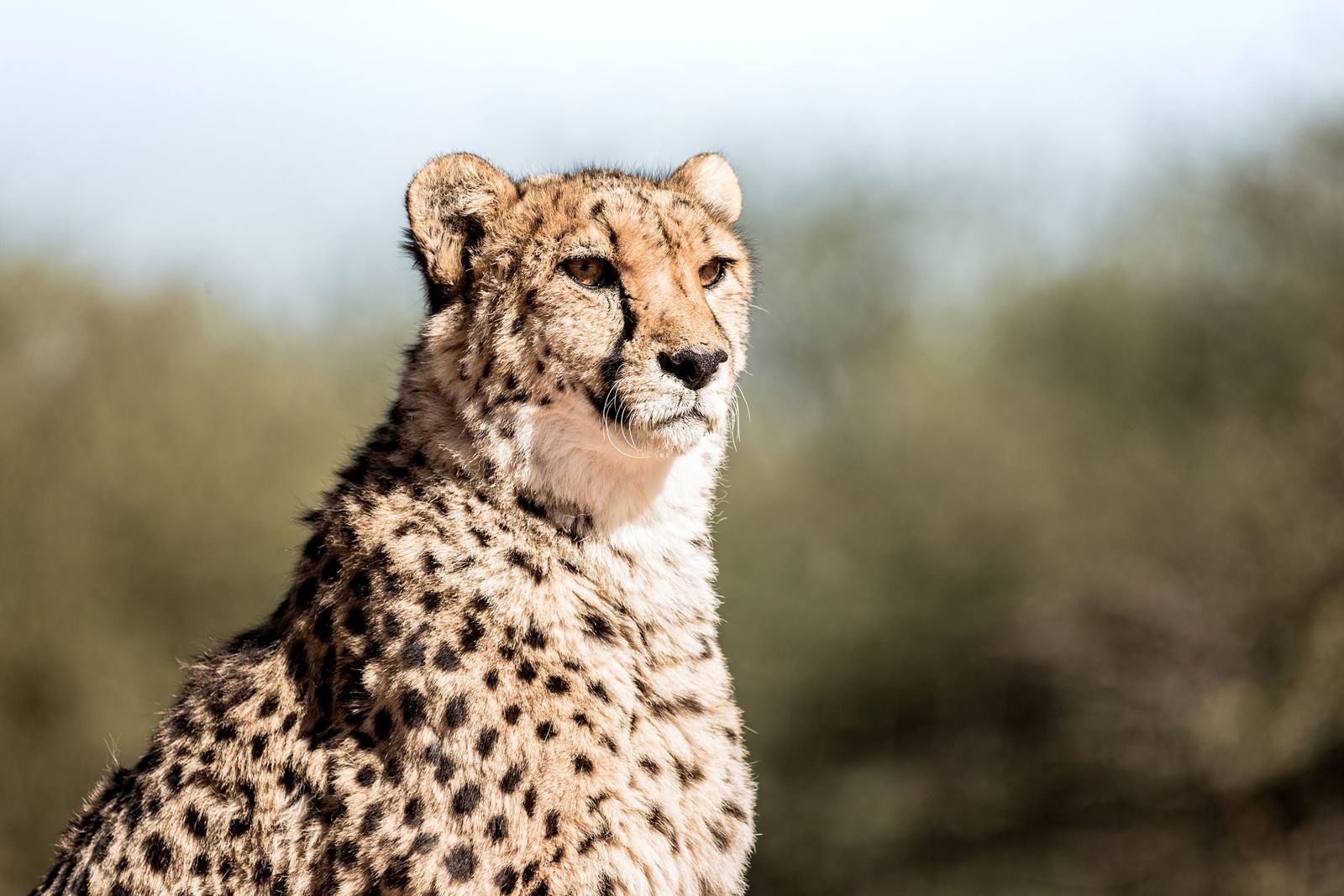
Large predators such as bears, lions, and big cats usually prefer avoiding humans, but close encounters can become dangerous when their warning signals are ignored. Defensive behaviors may include vocalizations, body changes, or movements showing discomfort. These actions are not always signs of an attack but are often attempts to create distance. People should never approach predators for photographs or interfere with their activities. Understanding predator behavior helps reduce fear while encouraging safer interactions between humans and wildlife.
Mothers Protect Their Young

Many wildlife encounters become risky when humans approach animals with babies. Female animals often have strong protective instincts and may defend offspring if they believe there is danger nearby. This behavior is common among many mammals and birds. A young animal appearing alone does not always mean it needs human help, because parents may be nearby searching for food. The safest action is usually to observe quietly from a distance and avoid separating young animals from their natural environment.
Feeding Wildlife Creates Problems

Feeding wild animals may seem harmless, but it can change their natural behavior and create future conflicts. Animals that associate humans with food may become less cautious and begin approaching people more often. This can increase the chance of aggressive encounters and may put animals at risk when they lose their ability to survive naturally. Wildlife agencies commonly advise visitors not to feed wild animals. Allowing animals to find their own food helps maintain healthy ecosystems and safer relationships between people and wildlife.
Small Animals Can Defend Themselves

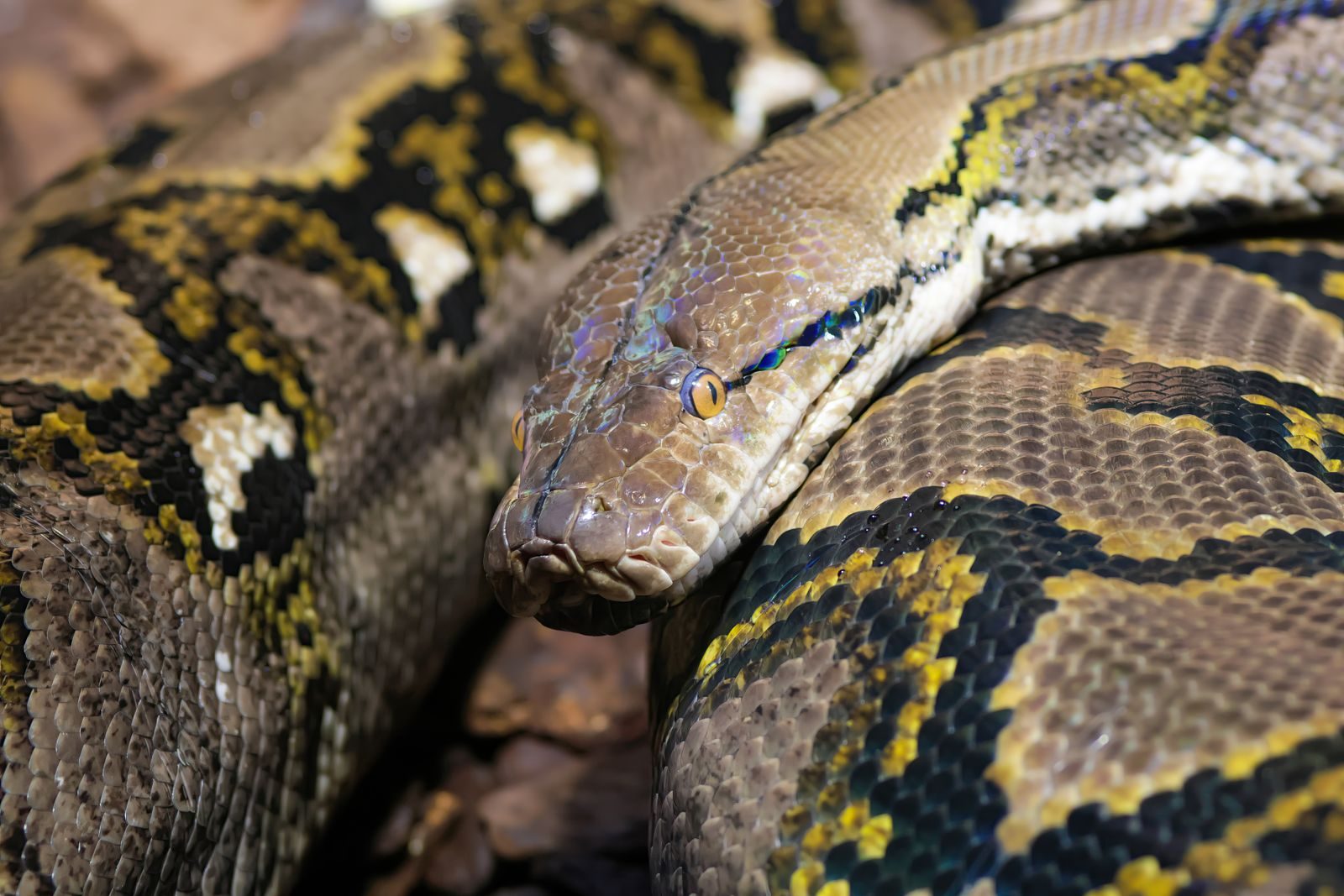
Dangerous wildlife encounters are not limited to large predators. Smaller creatures such as snakes, bees, wasps, and certain insects have effective defenses that help them survive. A snake may bite when handled, while bees may sting when protecting their colony. These animals are usually responding to perceived threats rather than seeking human contact. Their size does not determine the level of risk. Respecting all wildlife, including smaller species, helps prevent unnecessary harm and allows these animals to continue their important roles in nature.
Photography Can Increase Risk

Wildlife photography allows people to experience nature, but chasing the perfect image can sometimes lead to unsafe behavior. Some individuals move too close, disturb animals, or ignore warning signs while trying to capture unique photographs. Professional wildlife photographers often use long lenses and patience instead of approaching animals. Responsible photography focuses on observing without changing natural behavior. A great wildlife image does not require putting people or animals at risk, and distance often creates a better view.
Warning Signs Matter

Animals communicate discomfort through body language, sounds, and movement. Changes such as sudden stillness, defensive postures, raised fur, loud calls, or attempts to move away can indicate that an animal wants more space. Recognizing these signs helps people avoid escalating situations. Wildlife encounters become safer when visitors understand that animals are not predictable like domesticated pets. Observing behavior carefully and leaving when an animal appears stressed are simple actions that protect everyone involved.
Respect Keeps Wildlife Safe

The best wildlife experiences happen when people remember they are visitors in an animal’s environment. Keeping distance, following park rules, and avoiding interference allows animals to behave naturally. Many conflicts between humans and wildlife happen because of accidental disturbance rather than intentional aggression. Responsible observation protects biodiversity while allowing future generations to enjoy the same species and habitats. Respecting wildlife boundaries is one of the simplest ways to make outdoor experiences safer and more rewarding.
Nature Is Safer From a Distance

Wild animals are fascinating because they survive through unique adaptations, instincts, and behaviors. Close encounters may look exciting, but distance provides the safest way to appreciate them. A respectful observer can witness incredible moments without disturbing natural routines. Wildlife safety is not about avoiding nature; it is about understanding it. When humans recognize animal boundaries, both people and wildlife benefit from fewer conflicts and healthier ecosystems.
Featured Image: Photo by Samuel Scrimshaw on Unsplash