A tiger facing a lion is a popular wildlife matchup, but biology does not provide a universal winner. Both are powerful members of the genus Panthera, and the result of any real confrontation would depend on the animals’ sex, age, body size, health, experience and surroundings. A single video or historical account can show what happened in one encounter, but it cannot establish a rule that applies to every lion and every tiger.
The more useful comparison is between their natural adaptations. Lions are highly social cats that live in prides, while tigers are usually solitary. Large male tigers can exceed the weight of many male lions, but size overlaps considerably. Male lions also spend much of their lives competing with rival males. Historical research confirms that Asiatic lions and tigers once shared parts of South Asia, yet their remaining wild populations no longer occupy the same local landscapes today.
They Rarely Meet Today

Lions and tigers do not normally meet in the wild today. Modern Asiatic lions are concentrated in and around the Gir landscape of western India, while wild tigers occur farther east and across other parts of Asia. Historical research shows that their ranges once overlapped across parts of the Indian subcontinent and elsewhere in Asia. That makes past encounters plausible, but it also means most modern fight videos involve captive animals or unusual circumstances rather than a normal ecological relationship between the two species.
Tigers Can Be Heavier

Tigers are among the largest living cats. Smithsonian’s National Zoo reports that male Amur tigers can weigh up to about 300 kilograms, while male lions typically weigh about 150 to 250 kilograms. Those maximum figures should not be treated as the size of every animal. Tiger subspecies differ considerably, and individual lions also vary. A larger body can provide strength and reach, but weight alone cannot predict a fight. Fitness, injury, age, footing and the first successful attack could all change the outcome.
Male Lions Are Experienced Rivals
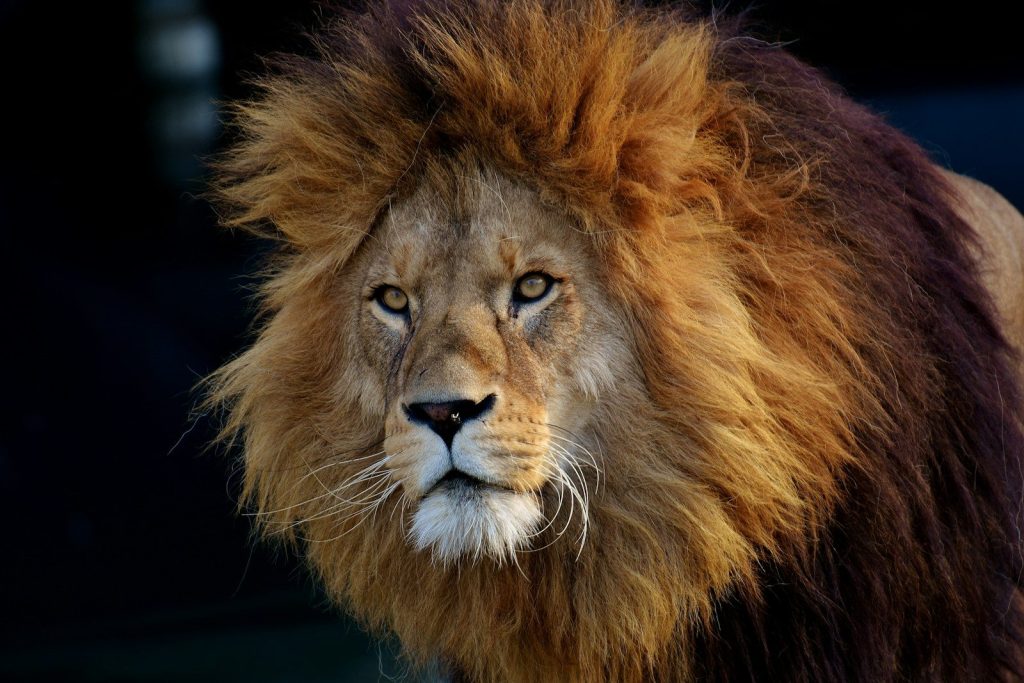
Lions have strong forelegs, powerful jaws and a compact body built for bringing down large prey. Adult males also carry a mane, one of the clearest visual differences between the species. Male lions regularly defend territories, prides and breeding access against rival males, so serious contests with other lions are part of their natural lives. That experience may matter in a confrontation, but it is not an automatic advantage. A lion can still be injured or killed by another large predator under unfavorable conditions.
Tigers Usually Hunt Alone

Tigers generally hunt alone and depend heavily on stealth. Smithsonian describes them as powerful hunters with sharp teeth, strong jaws and agile bodies. They usually stalk prey until they can launch a short attack at close range, rather than relying on a group. Solitary hunting means an adult tiger must control large prey without help from companions. That requires strength and coordination, but prey capture and combat with another big cat are different challenges. Hunting ability does not translate directly into a guaranteed fight result.
Historical Encounters Prove Little

A 2024 review in the Journal of the Bombay Natural History Society examined historical records from British India and found evidence that lions and tigers did sometimes encounter one another where their ranges overlapped. Those records are valuable for understanding coexistence, but they are not controlled experiments. Eyewitness accounts can be incomplete, and local terrain or group size may have influenced particular encounters. Historical reports therefore show that confrontations occurred, not that one species possessed a universal advantage over the other.
Both Are Powerful at Close Range

Both species are close range predators with large canine teeth, muscular forequarters and the ability to inflict severe injuries quickly. Their bodies are actually so similar beneath the coat that Smithsonian notes experts can find them difficult to distinguish without fur. Online comparisons often focus on a single measurement, such as weight or bite force, but those numbers do not capture an entire confrontation. Position, balance, stamina, motivation and previous injuries can matter just as much as any one anatomical statistic.
Avoiding a Fight Can Be Smarter

Wild predators have strong reasons to avoid unnecessary injury. A damaged paw, broken tooth or deep bite can reduce an animal’s ability to hunt and survive long after a fight ends. Historical coexistence does not mean lions and tigers constantly battled whenever they shared a region. Large carnivores can reduce conflict through habitat use, timing and avoidance. That is why a dramatic direct fight should not be treated as the normal relationship between these cats. Surviving often means avoiding a costly contest altogether.
There Is No Universal Winner

There is no scientifically defensible answer that says every tiger beats every lion, or the reverse. A large, healthy tiger could have a size advantage over some lions, while an experienced adult male lion brings its own strengths and fighting history. Different individuals can produce different outcomes. The most accurate conclusion is conditional rather than dramatic: either cat can seriously injure the other, and a particular encounter depends on circumstances. Biology supports comparison, but it does not support crowning a permanent winner.
Featured Image: Photo by Portrait Nature on Unsplash