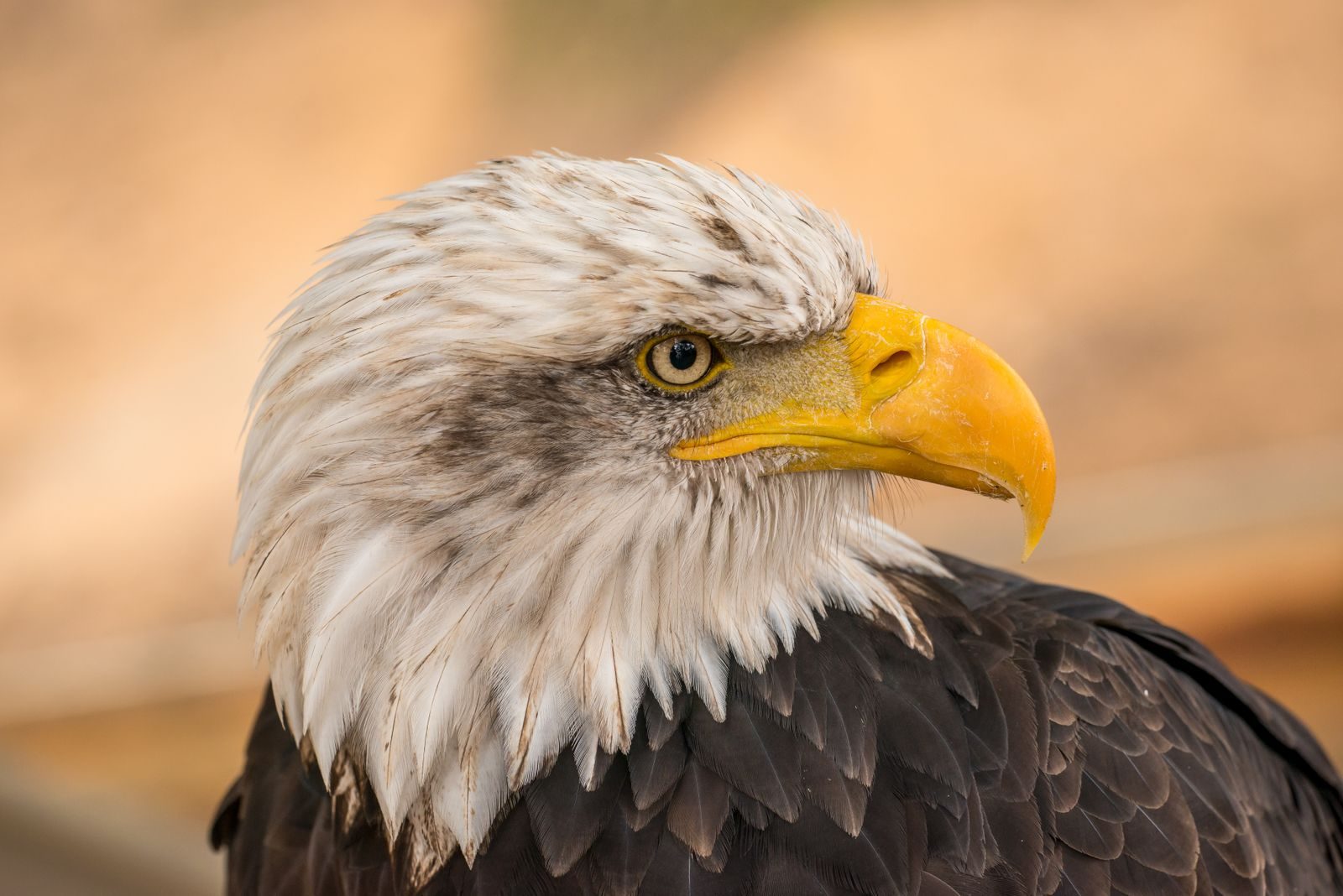
Jackie, the famous Big Bear Lake bald eagle followed by millions through a nest camera, died in August 2026 after more than three weeks of intensive veterinary care.
Her illness was not reduced to one definitive diagnosis. Veterinarians documented severe anemia, emaciation, dehydration, kidney and lung abnormalities, blood clots, liver changes, and an inadequate bone-marrow response.
Jackie of Big Bear
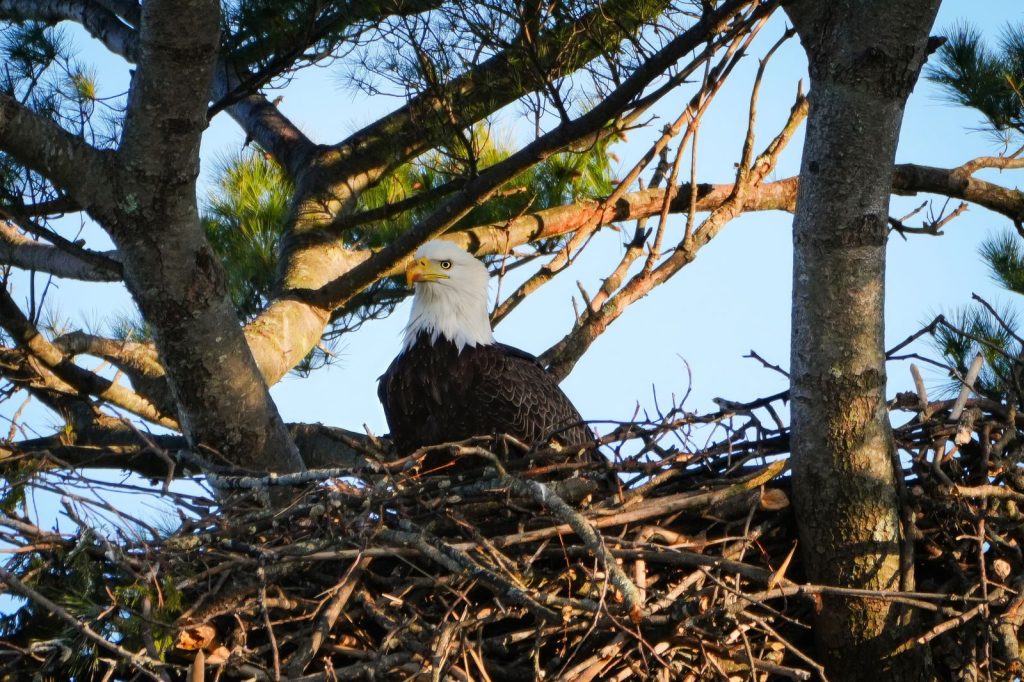
Jackie was a 14-year-old female bald eagle from Big Bear Lake, California, and one of North America’s most recognizable wild eagles because millions followed her through the Friends of Big Bear Valley livestream.
Ojai Raptor Center says she was the first documented bald eagle chick hatched in Big Bear Valley, in summer 2012. Viewers later watched Jackie and her mate, Shadow, through nesting seasons, harsh weather, failed eggs, and successful fledging. Her fame came from observing her normal life as a wild eagle.
Found Grounded
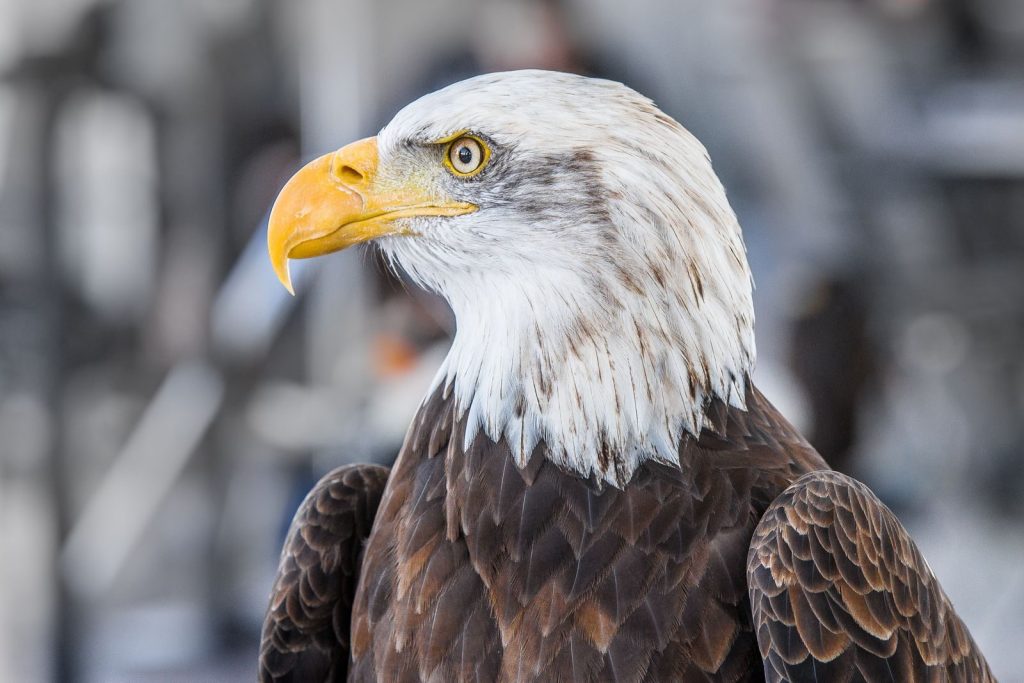
Jackie was admitted to Ojai Raptor Center on July 18, 2026, after being found grounded near Big Bear Lake and unable to fly. Her condition was already serious when wildlife rehabilitators examined her.
The initial assessment found she was thin, dehydrated, and suffering from severe anemia, low blood protein, and abnormal kidney and lung findings. Those problems indicated systemic illness rather than one simple visible injury. She required immediate intensive veterinary treatment instead of a short period of observation followed by release.
Severe Anemia
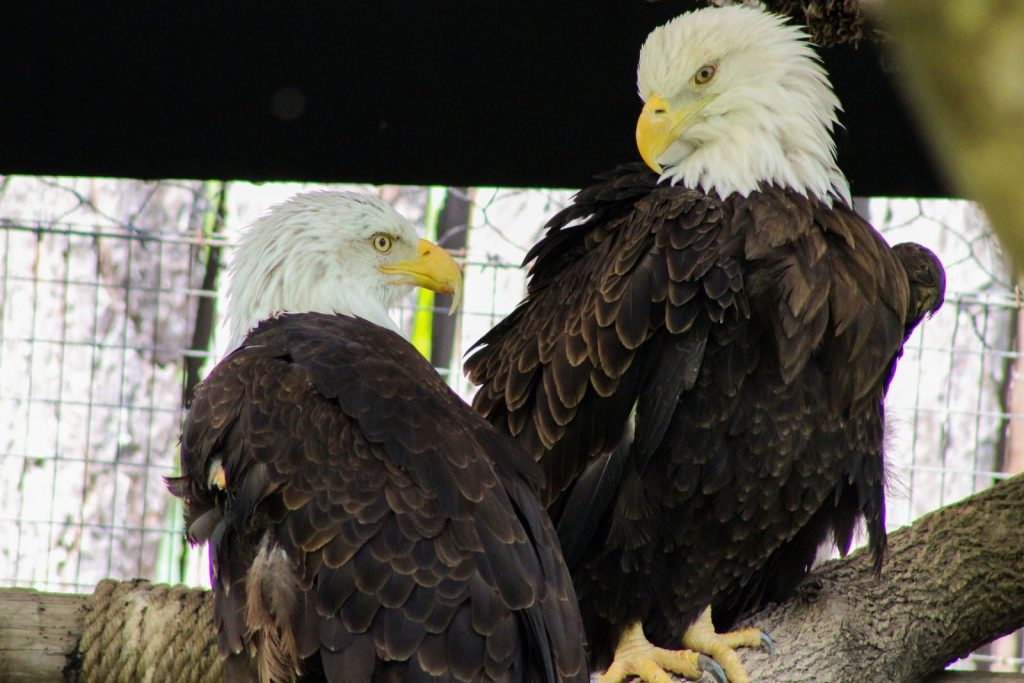
One of Jackie’s most serious problems was severe regenerative anemia, meaning her circulating red blood cell level was dangerously low while her body showed evidence of trying to produce replacements.
Red blood cells transport oxygen, so severe anemia can affect strength and organ function throughout the body. Ojai Raptor Center repeatedly monitored Jackie’s packed cell volume during treatment. Although some measurements improved temporarily, the values later declined again. The anemia therefore remained a major part of her deteriorating condition rather than a minor laboratory abnormality.
Blood Transfusion
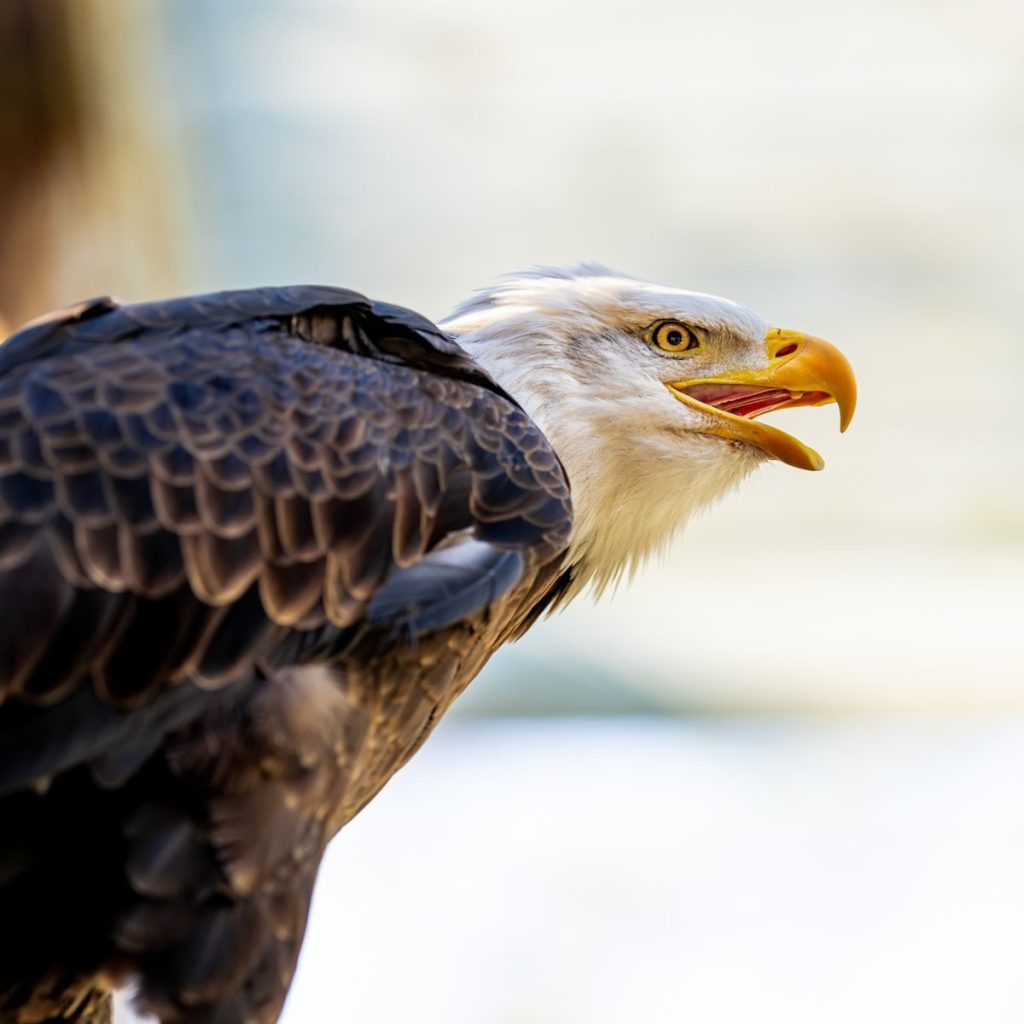
On July 22, Jackie received a blood transfusion from Spirit, an ambassador bald eagle at the California Living Museum in Bakersfield. Veterinarians hoped the donated blood would stabilize her severe anemia while they continued investigating its cause.
The transfusion produced temporary improvement but did not solve the underlying medical problem. By August 3, Jackie’s packed cell volume had declined again. A transfusion can replace urgently needed circulating blood cells, but it cannot by itself stop the disease or physiological process responsible for continued abnormal blood values.
Kidney and Lung Problems
Diagnostic work revealed more than anemia. Ojai Raptor Center documented abnormal kidney and lung findings, liver abnormalities, and thrombosis, including blood clots affecting Jackie’s wing and one kidney.
Those findings showed that several body systems were involved. That complexity helps explain why veterinarians could not identify one simple injury and treat it directly. Multiple specialists evaluated Jackie while clinicians provided oxygen, fluids, nutritional support, medications, and continuous monitoring. Her case became an intensive effort to stabilize a critically ill wild eagle while searching for the underlying cause.
Advanced Diagnostic Tests
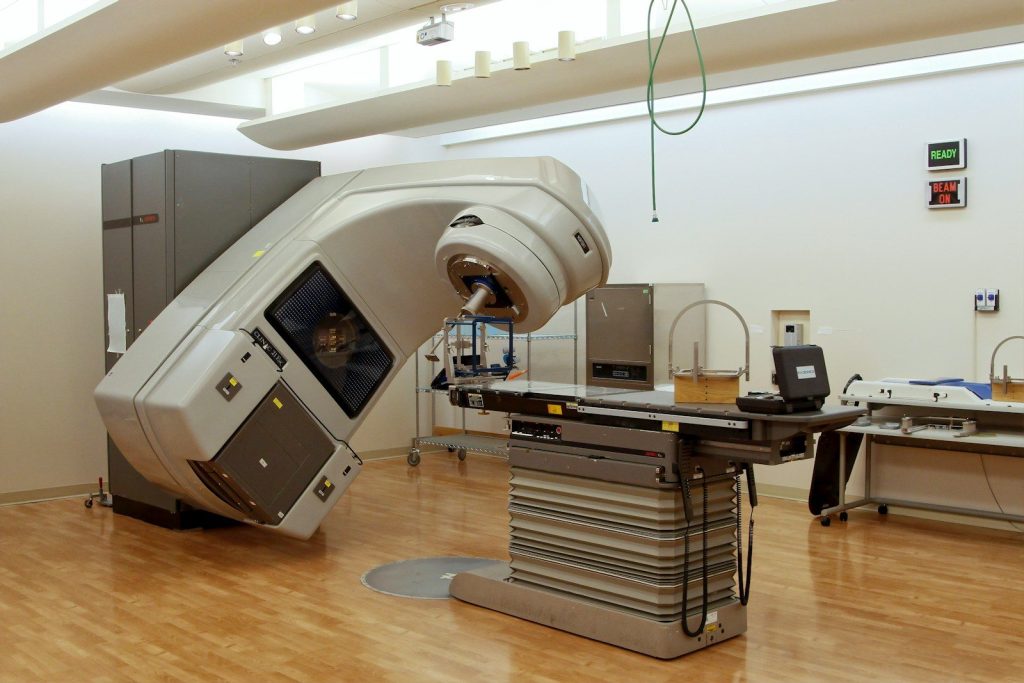
Jackie underwent extensive testing during her 23 days in care. Ojai Raptor Center lists CT imaging, a bone-marrow biopsy, specialized laboratory diagnostics, and testing involving heavy metals among the investigations conducted during her treatment.
Those tests were intended to explain why her anemia and other abnormalities persisted despite intensive veterinary support. The center also consulted avian specialists across North America. Even with that unusually broad effort, the available evidence did not identify one definitive cause for her overall decline, illustrating the complexity of diagnosing serious systemic illness in wild birds.
Final Health Decline
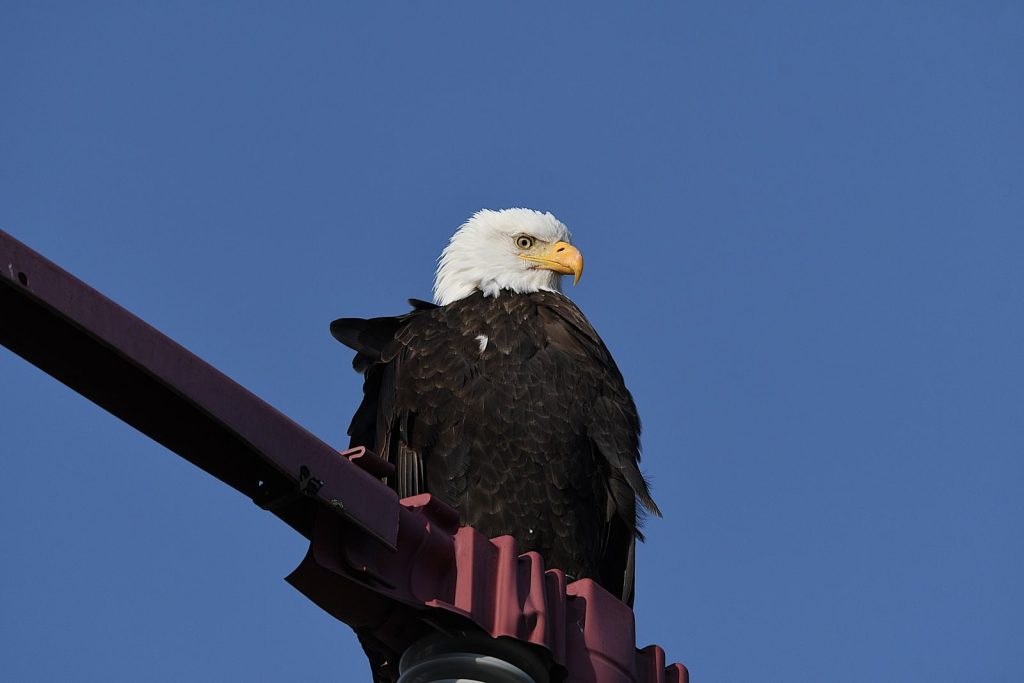
After periods of temporary improvement, Jackie’s condition deteriorated again. Ojai Raptor Center reported that she could no longer keep food down and that her packed cell volume fell significantly during the final stage of treatment.
Her prognosis became increasingly poor despite oxygen, fluids, nutritional support, medications, a blood transfusion, diagnostics, and constant monitoring. Jackie passed naturally during the overnight hours of August 9 into August 10, 2026, after 23 days in rehabilitation. According to the center’s current account, she was not euthanized.
Cause Was Not Definitive
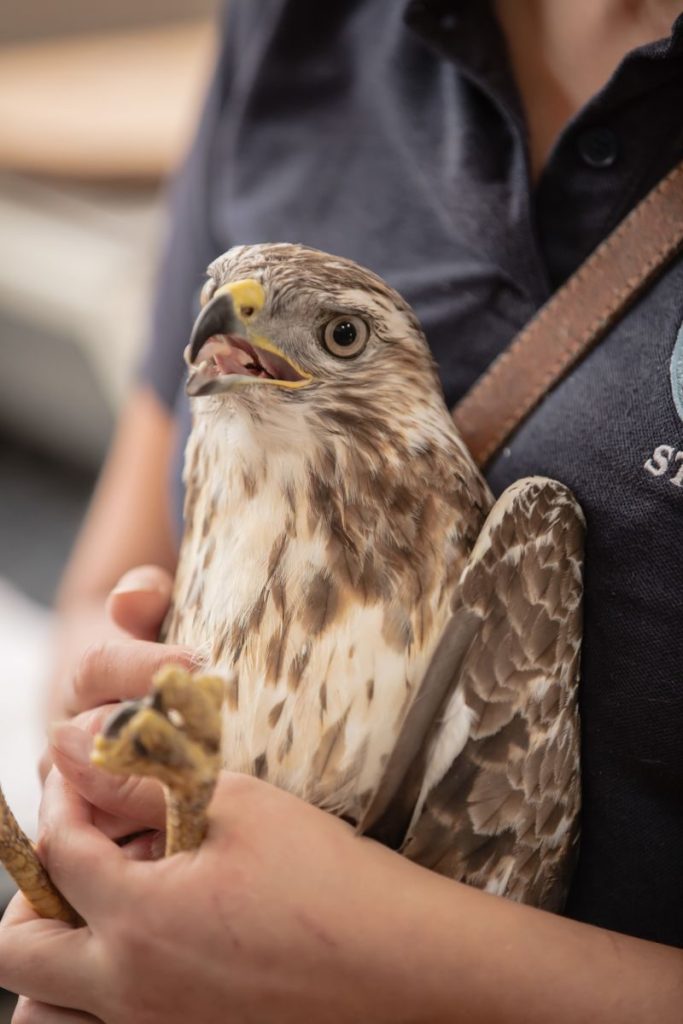
As of August 13, Ojai Raptor Center says veterinarians did not identify one definitive cause for Jackie’s condition despite extensive testing. Documented findings included severe anemia, blood clots, liver and lung abnormalities, kidney involvement, and inadequate bone-marrow response.
A necropsy was performed by San Diego Zoo Wildlife Alliance, while more detailed veterinary documentation was still being prepared. It would therefore be inaccurate to claim that a reported eagle confrontation, anemia alone, or one particular disease has already been established as Jackie’s definitive cause of death.
Featured Image: Photo by Petr Ganaj on Pexels