There is no universal scientific ranking of the “slowest animals” because movement can mean crawling, swimming, drifting, or changing position only occasionally. Some animals barely travel at all, while others are simply slow for their body size.
These examples show different forms of extreme slowness. Their low speeds often conserve energy, suit stationary lifestyles, or work because their food does not require long, high-speed pursuits.
Sea Anemone
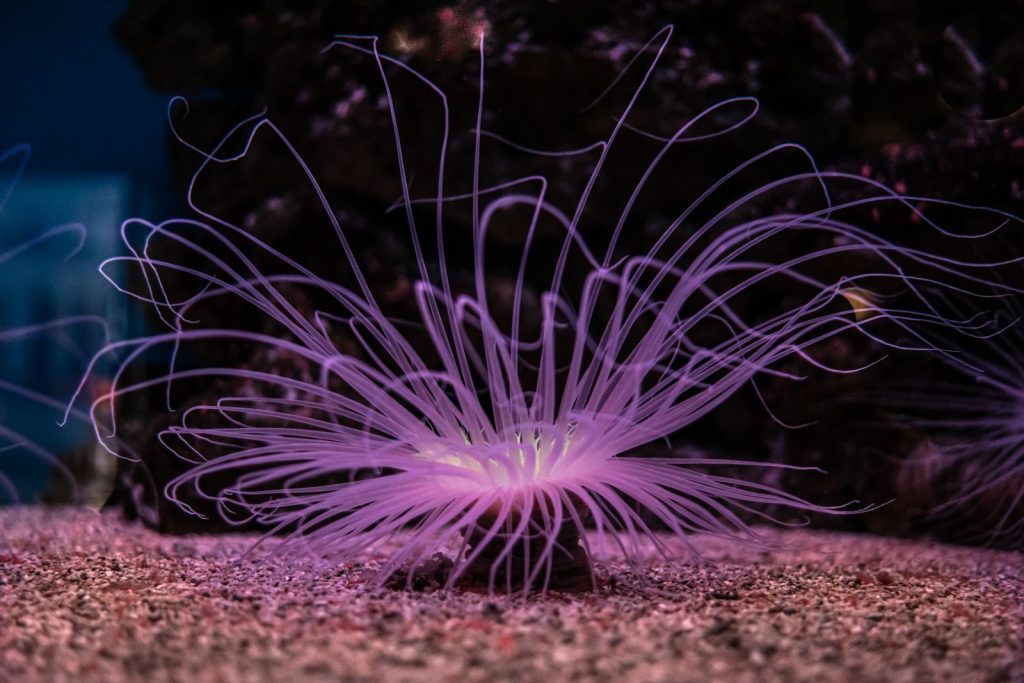
Sea anemones spend most of their lives attached to rock or another firm surface, making ordinary animal speed almost irrelevant. Some can slowly creep using their muscular base, but movement may amount to only centimeters over long periods.
Natural-history comparisons place some moving sea anemones at roughly 10 to 25 centimeters per hour. Remaining nearly stationary works because tentacles capture passing prey and suspended food. An anemone therefore does not need to patrol a large territory for meals; staying securely attached can be a successful feeding strategy for years.
Dwarf Seahorse
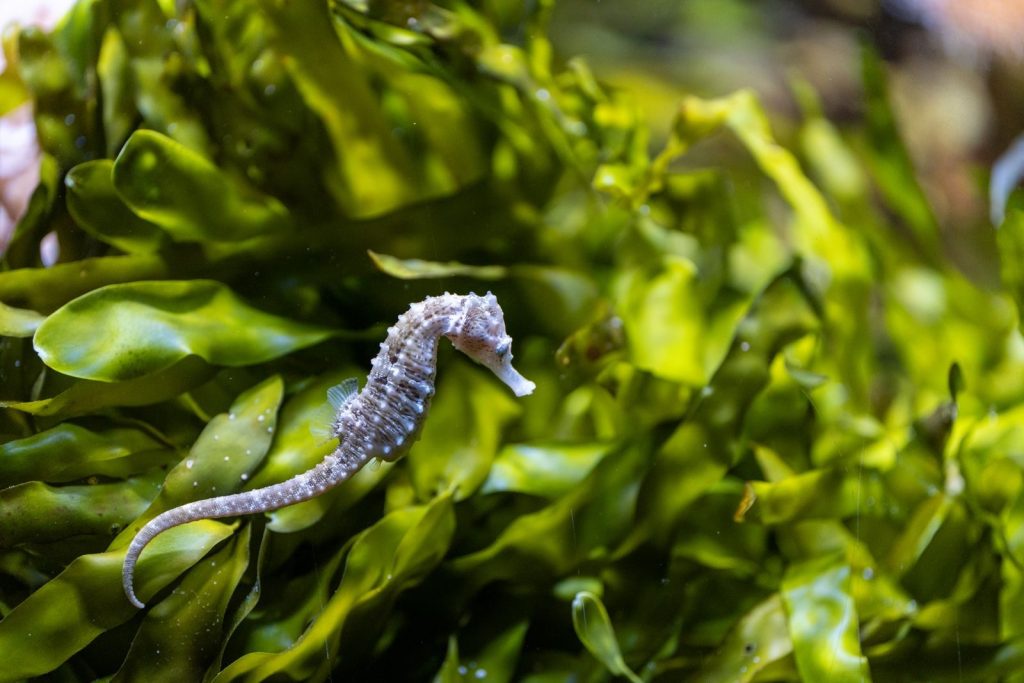
The dwarf seahorse is widely regarded as one of the slowest-swimming fishes. Natural-history estimates place its maximum progress at roughly 1.5 meters, or five feet, during an entire hour of continuous movement.
That pace suits a fish that often grips seagrass or other structures with its prehensile tail. Instead of chasing fast prey across open water, the seahorse waits for tiny crustaceans to drift within reach and sucks them through its tubular snout. Speed provides little advantage when both habitat and food reward patience rather than sustained pursuit.
Banana Slug
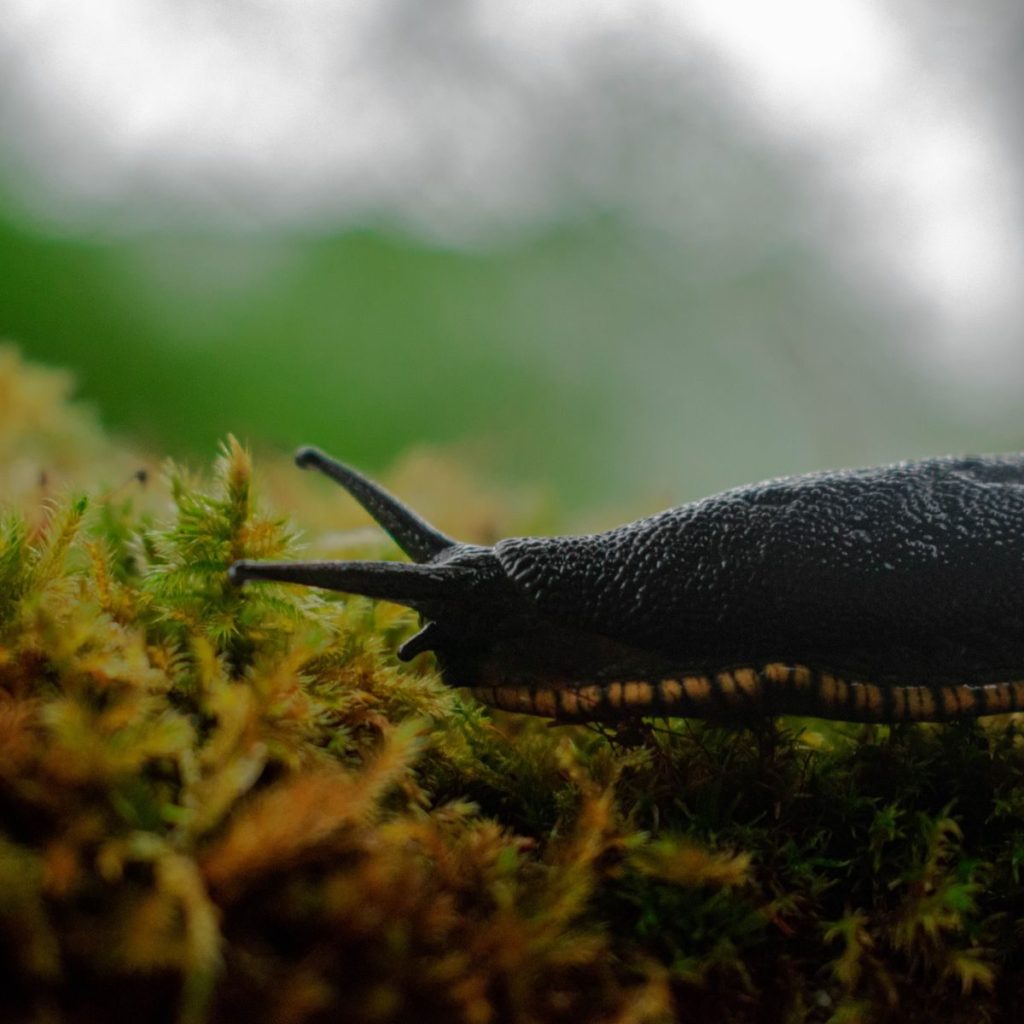
Banana slugs are among the slowest-moving land animals, gliding forward on a muscular foot while producing mucus that helps them cross rough forest surfaces. Estimates place their movement at only a few thousandths of a mile per hour.
Their lifestyle does not require sprinting. Banana slugs consume fungi, leaves, and decaying vegetation that cannot run away, while moist forests provide conditions suited to mucus-based locomotion. Slowness works because their food and habitat reward steady movement rather than rapid travel, making speed an unnecessary biological expense for these soft-bodied forest animals.
Garden Snail
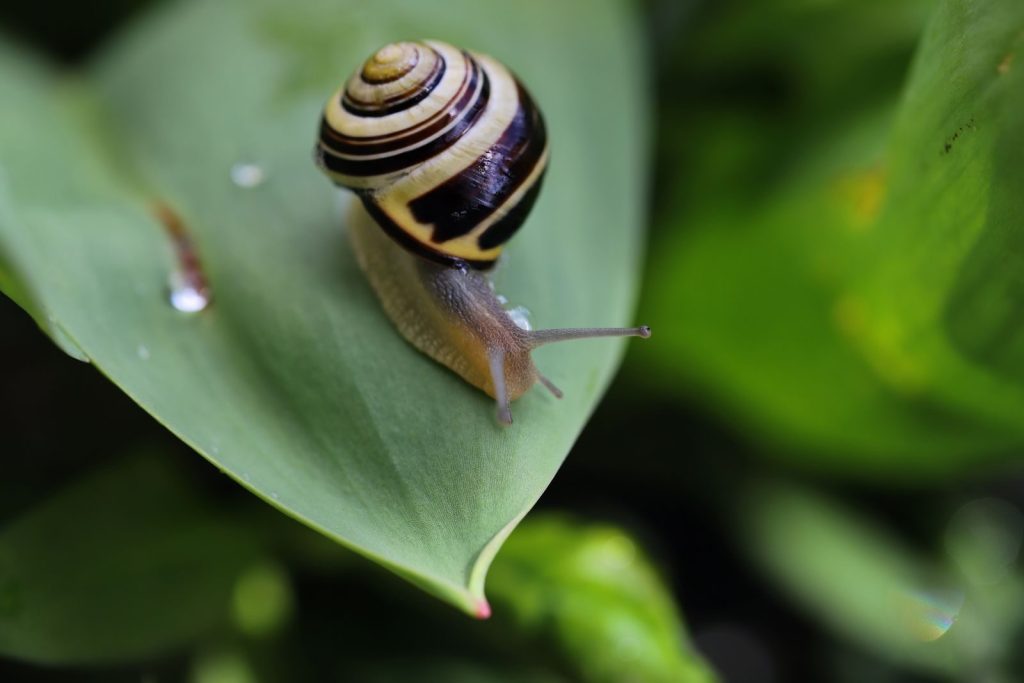
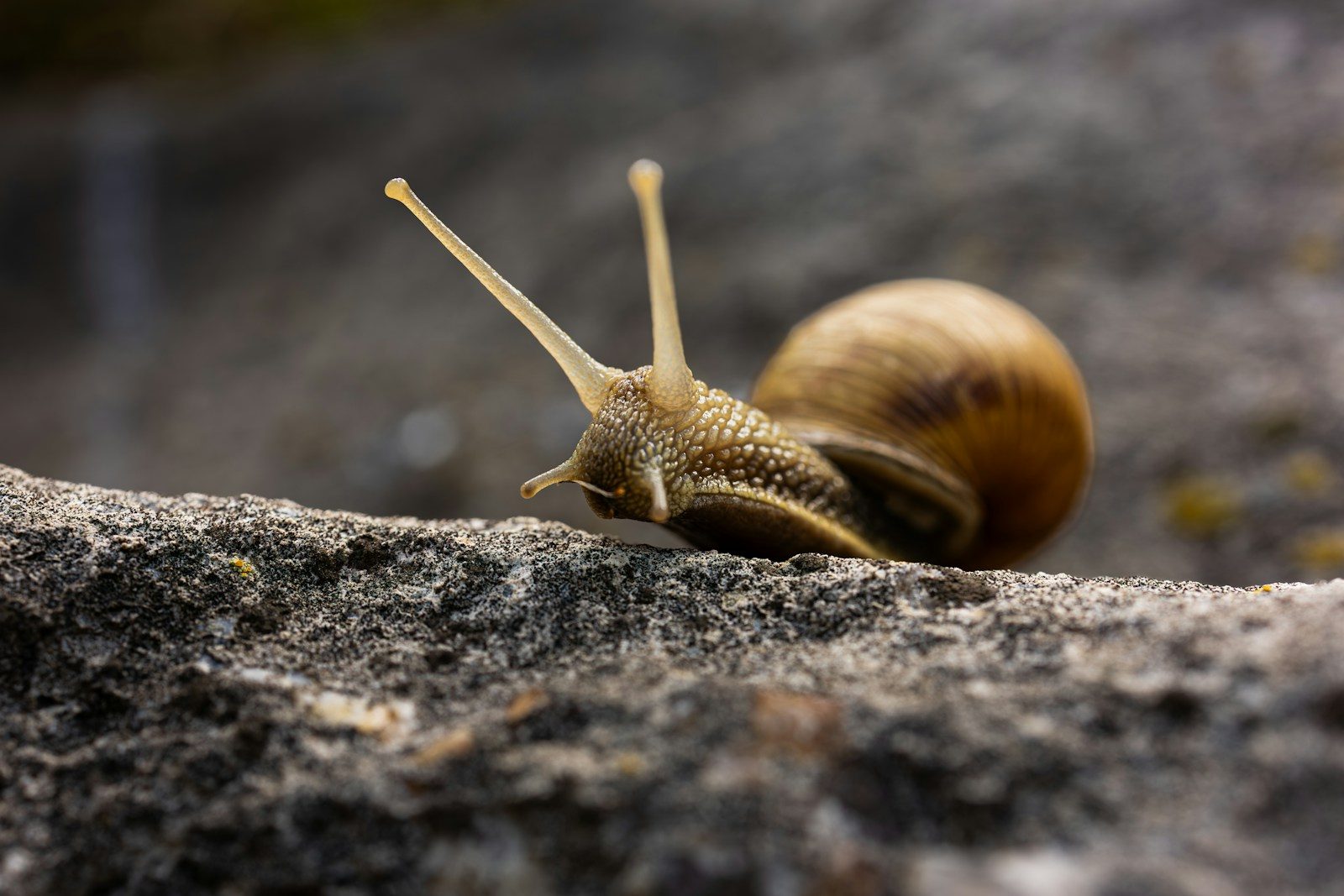
Garden snails also travel through muscular waves along a broad foot, with mucus reducing friction between the animal and the surface. Museum specialists cited in recent comparisons estimate common garden snails moving at roughly 0.03 miles per hour.
That sounds extraordinarily slow beside a walking human, but a snail’s ecological needs are completely different. It feeds largely on stationary material, carries protective shell armor, and commonly becomes active under moist conditions. Its locomotion is designed for controlled travel over complex surfaces, not sustained high-speed escape from every predator it encounters.
Three-Toed Sloth

Three-toed sloths are famous for slow movement because their entire energy budget is unusually restricted. Smithsonian’s National Zoo explains that their leafy, low-calorie diet is matched by a metabolic rate far below what would normally be expected for mammals their size.
Moving slowly conserves that limited energy. Sloths also spend most of their lives in trees, where careful climbing and long curved claws matter more than rapid running. Their slowness is not laziness; it is part of a connected survival strategy involving metabolism, diet, camouflage, temperature regulation, and life suspended beneath branches.
Giant Tortoise
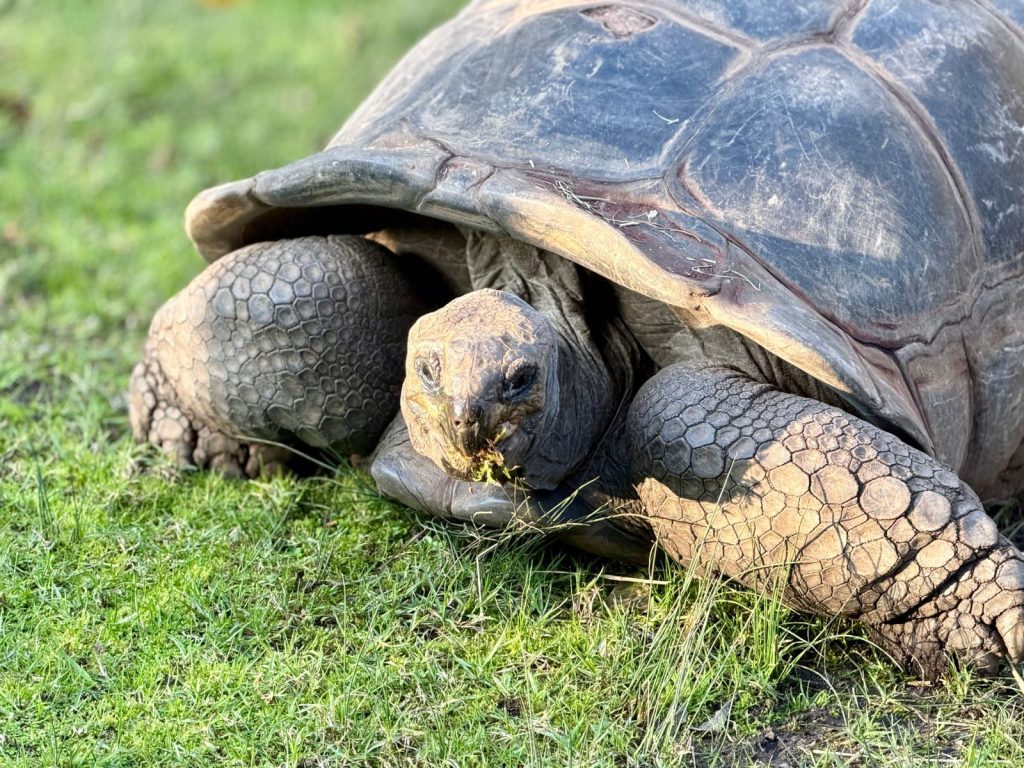
Giant tortoises are another familiar symbol of slow movement. Their heavy shells, enormous bodies, and plant-based feeding habits favor steady walking instead of rapid acceleration, and they can spend long periods eating, resting, or moving gradually between useful areas.
Speed provides little advantage when much of an animal’s food consists of vegetation that remains in place. A strong shell also offers substantial physical protection, reducing reliance on rapid escape. Giant tortoises demonstrate how defensive armor, longevity, and low-energy feeding can make a deliberately slow lifestyle remarkably effective rather than biologically inferior.
Slow Loris

Slow lorises move through trees with careful, deliberate steps instead of the dramatic leaps used by many other primates. Their powerful grip allows them to maintain contact with branches while traveling through the canopy, commonly during nighttime activity.
Their name can make them sound helpless, but slow lorises possess another unusual defense: they are among the few venomous mammals. Deliberate movement may also help them approach insects and other prey without producing obvious branch movement. For these unusual primates, slowness can support secure climbing, concealment, and careful nighttime foraging.
Greenland Shark
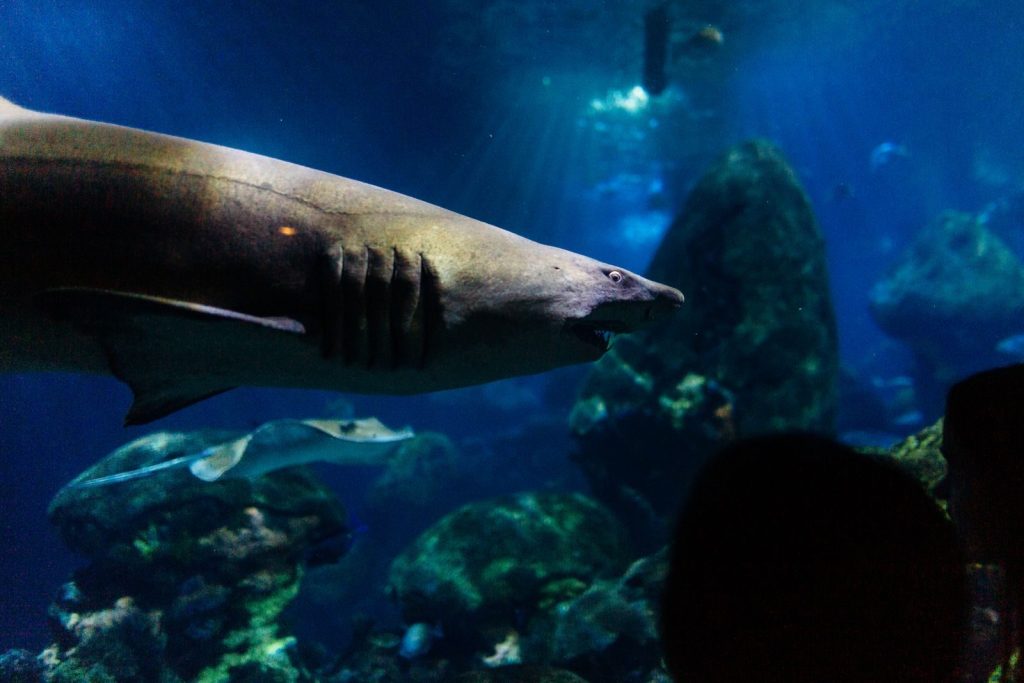
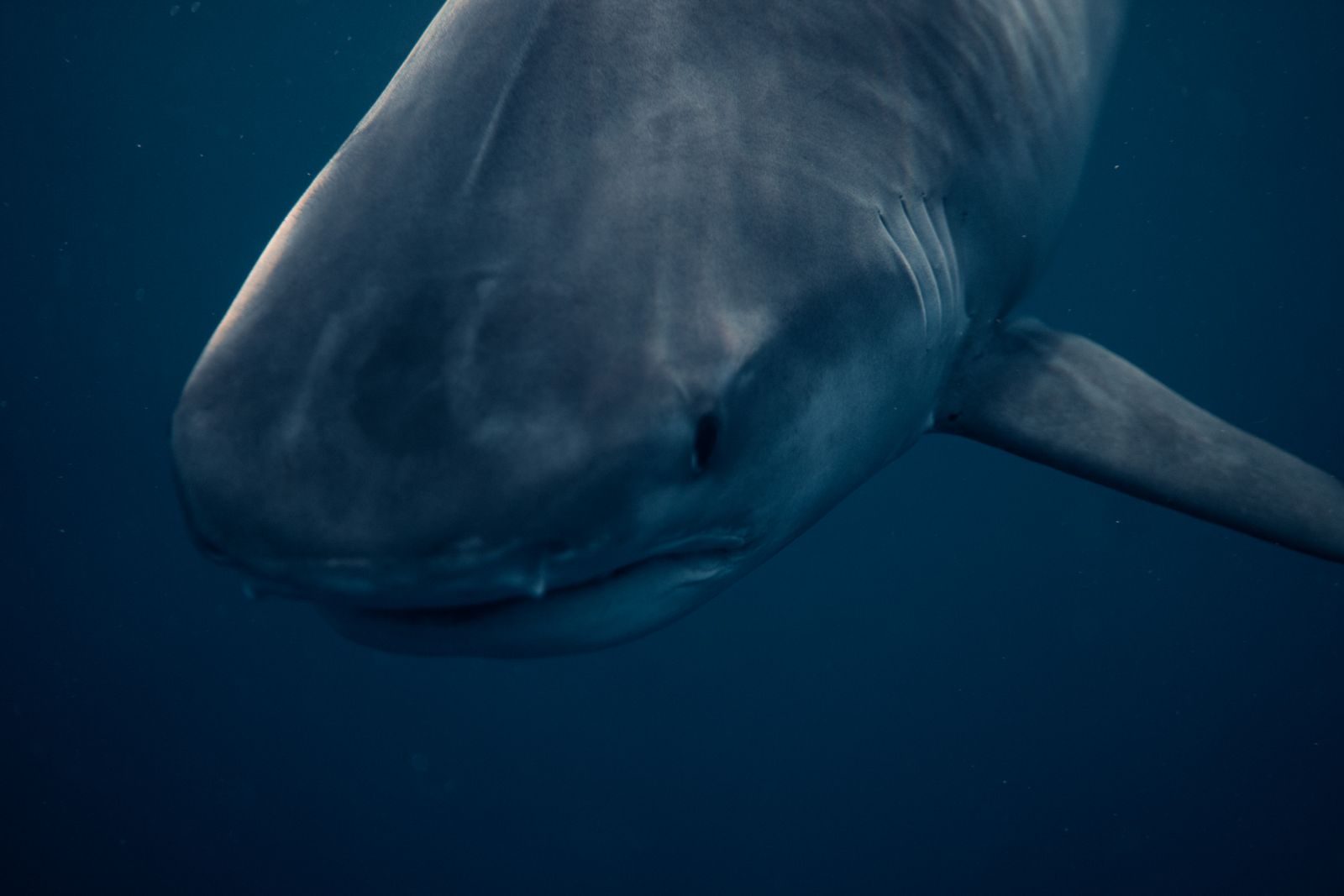
The Greenland shark is exceptionally slow even among large predatory fishes. NOAA says its top speed is under 2.9 kilometers per hour, a sluggish pace associated with an extremely low metabolism in cold Arctic and North Atlantic waters.
Yet Greenland sharks can still consume fish, carrion, and marine mammals. Scientists have proposed that stealth and scavenging help compensate for limited swimming performance. The sharks also grow and mature extraordinarily slowly, showing that their unhurried movement forms part of a broader life history shaped by cold water, low energy use, slow growth, and exceptional longevity.