A 2026 study strengthened the case that magnetic sensing may be widespread among bees. Researchers detected ferromagnetic signatures in many species, suggesting that the biological ingredients for magnetoreception are far older and more widespread than honey bee studies alone had implied.
That is not the same as proving every tested bee uses a magnetic compass. The new work measured magnetic properties in bee bodies and described them as evidence of putative magnetoreception, while the precise receptor and everyday function remain unresolved.
Bee Magnetoreception

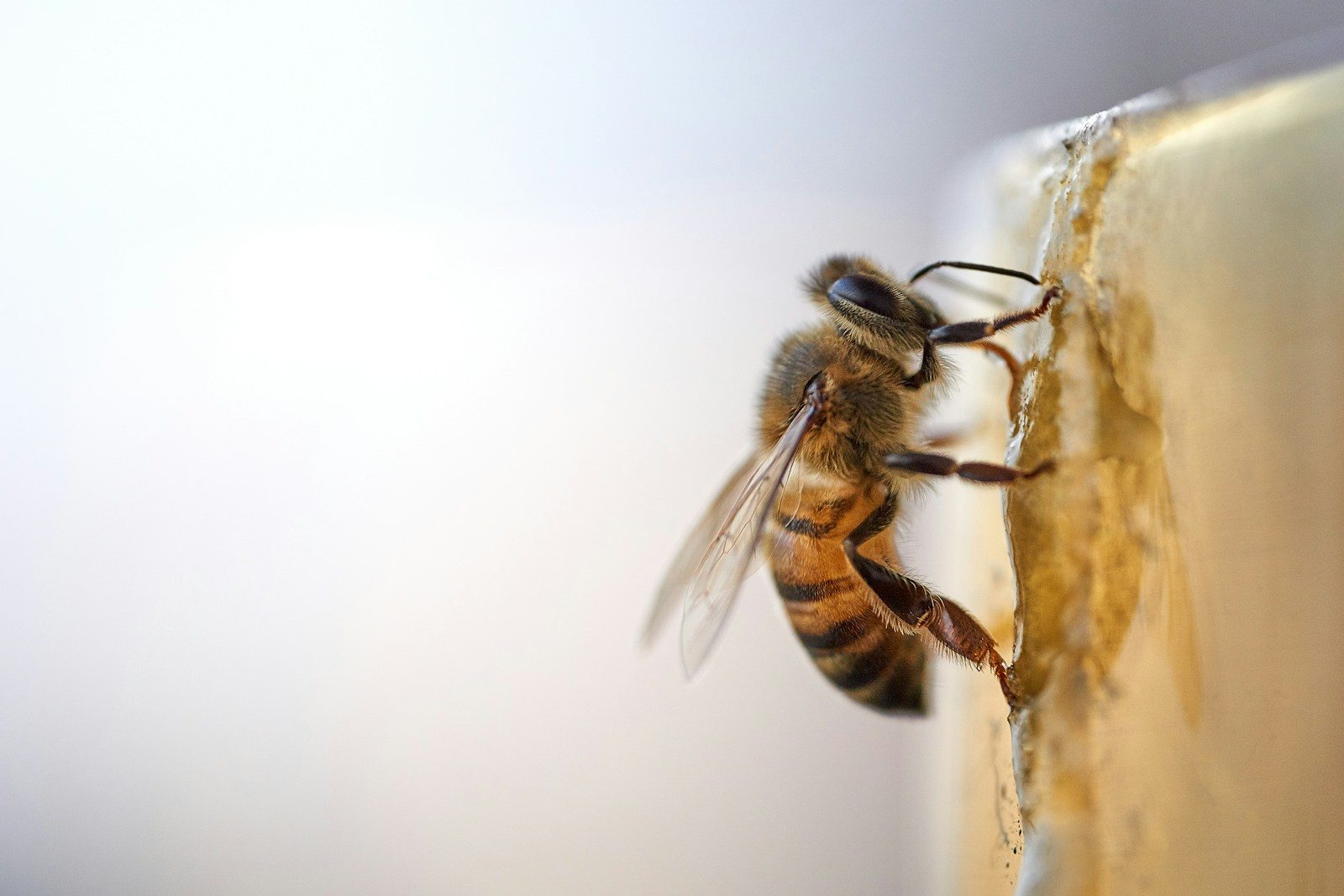
Magnetoreception is the ability to detect information from magnetic fields. Honey bees have been known for decades to respond behaviorally to magnetic changes, adding another possible navigation cue alongside sunlight, polarized light, visual landmarks, odors, and optic flow.
Laboratory experiments have even trained honey bees to associate an artificial magnetic stimulus with a sugar reward. When researchers altered neural connections from the abdomen, that learned magnetic response disappeared while odor learning remained. Those results support a real sensory pathway, although exactly how magnetic information is detected is still debated today.
2026 Bee Study

A 2026 Science Advances paper expanded the question beyond honey bees by examining magnetic properties across a broad diversity of bee species. The researchers looked for ferromagnetism that could potentially support a magnetite-based sensing system.
The published analysis reported putative magnetoreception across many tested species rather than restricting the phenomenon to highly social honey bees. That finding matters because it suggests magnetic sensitivity may be an ancient feature within this branch of insects. It does not, however, demonstrate how every species uses magnetic information in natural behavior in the wild.
Dozens of Bee Species
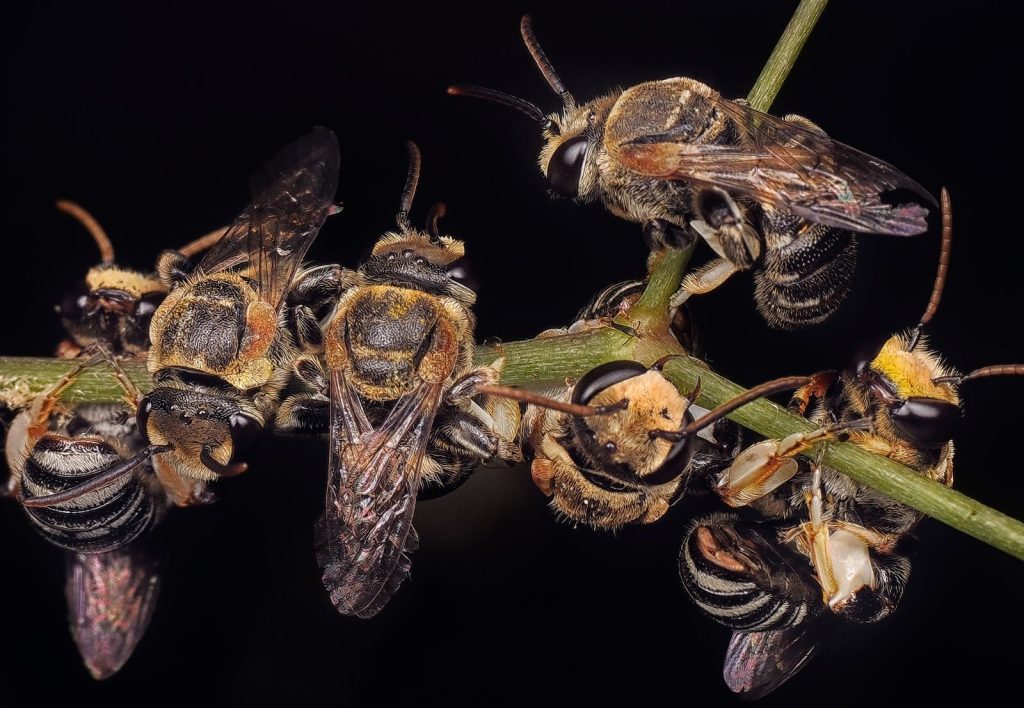
The 2026 study reported evidence consistent with putative magnetoreception in 72 of 96 bee species included in one core analysis. The species represented different families, body sizes, nesting styles, sexes, and levels of social behavior.
Researchers did not find a simple evolutionary pattern explaining which bees showed the signal. Magnetic properties appeared across a surprisingly broad range of lifestyles. That weakens the idea that magnetoreception evolved only for one specialized honey bee behavior, such as waggle-dance communication or long-distance foraging from a large social colony. The signal appeared across diverse environments worldwide.
Magnetic Bee Bodies

The new study measured ferromagnetic material in bee bodies, meaning some biological components responded like persistent magnets. Magnetite or related magnetic particles are one proposed way animals could physically interact with Earth’s magnetic field.
Finding ferromagnetism is an important clue, but it is not equivalent to locating a fully proven sensory organ. Researchers still need to determine which tissues contain the relevant material, how forces are converted into neural signals, and whether those signals actually guide behavior in the many newly tested species. The receptor problem remains one of magnetoreception’s biggest mysteries.
Honey Bee Abdomen
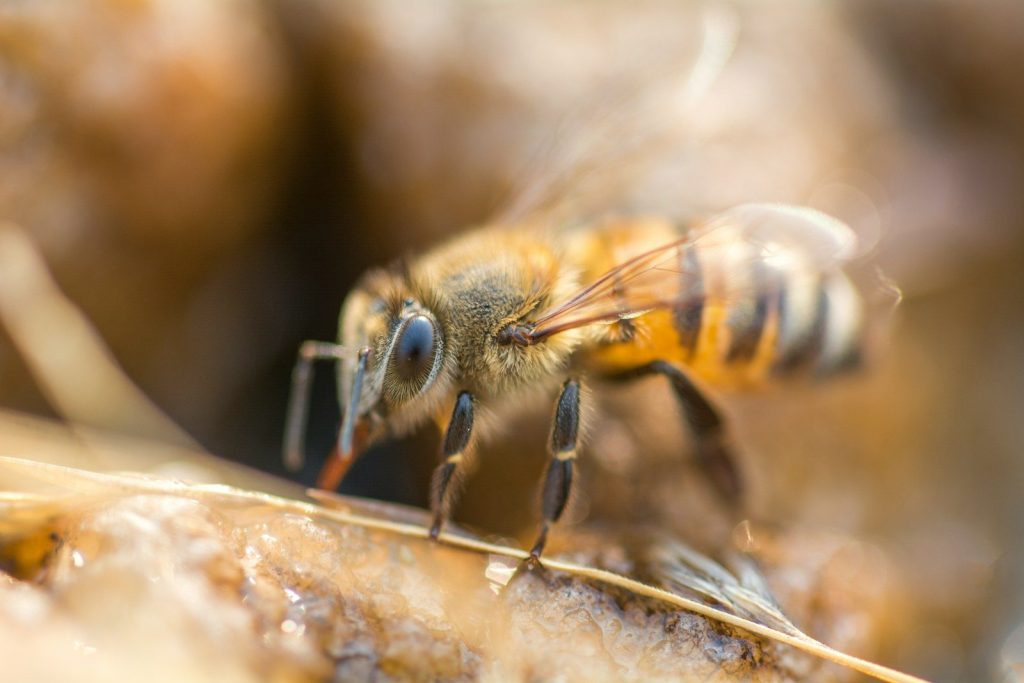
Earlier honey bee experiments pointed toward the abdomen as an important part of magnetic sensing. Scientists successfully conditioned foragers to respond to magnetic stimulation, then severed the ventral nerve connection carrying signals from the abdomen toward the brain.
After that procedure, the bees no longer produced the learned magnetic response, even though they could still respond to an odor task. Electrical recordings also detected neural activity associated with magnetic stimulation. The work supports abdominal sensing, but the exact structures connecting magnetic particles to nerve activity have not been definitively mapped.
Navigation Clues

Honey bees already navigate with several information systems. They use the sun and patterns of polarized light for direction, visual motion to estimate distance, and landmarks and odors around familiar locations.
Magnetic information could provide an additional cue when other signals are weak or unavailable. Researchers have also long discussed magnetic influences on comb orientation and homing. The 2026 cross-species results raise a bigger possibility: magnetic sensing may help many kinds of bees, including solitary species that do not use honey bee dances, solve short-range orientation or navigation problems in different habitats.
Ancient Insect Sense
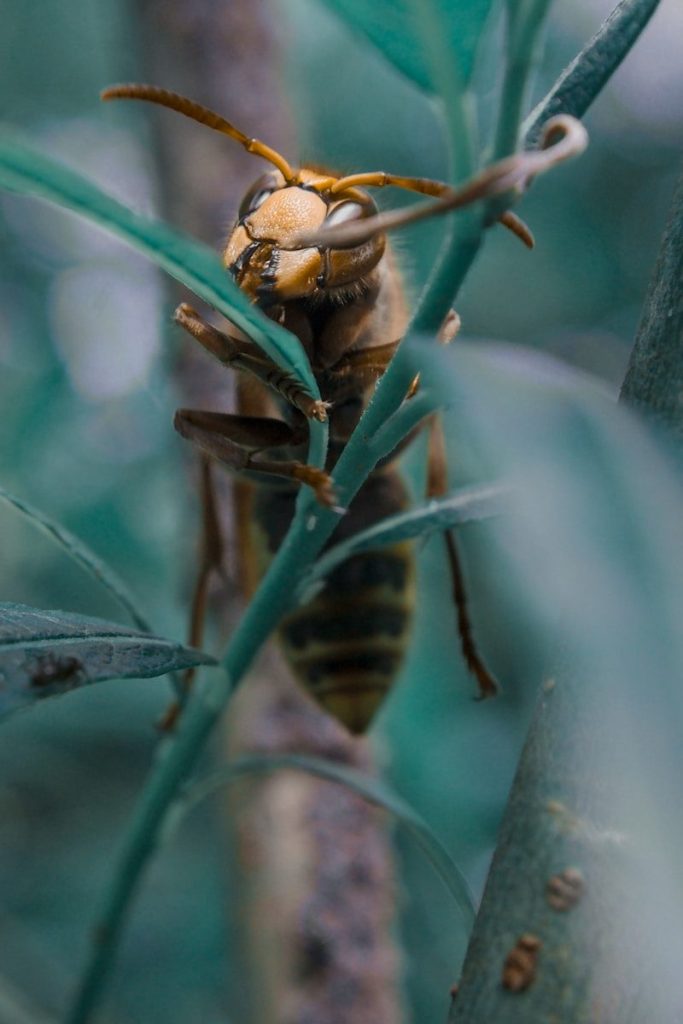
The researchers also detected widespread magnetic properties in wasps, groups that diverged before bees evolved. Their broader testing suggested the capacity may predate the origin of bees by a very long evolutionary interval.
That result changes the question from “why did honey bees evolve magnetism?” to “why did this feature persist across so many insect lineages?” The answer is still uncertain. If magnetic sensing has survived across species with very different lifestyles, it may provide a useful orientation advantage that has simply been difficult for scientists to observe directly in natural conditions.
A Sixth Sense?
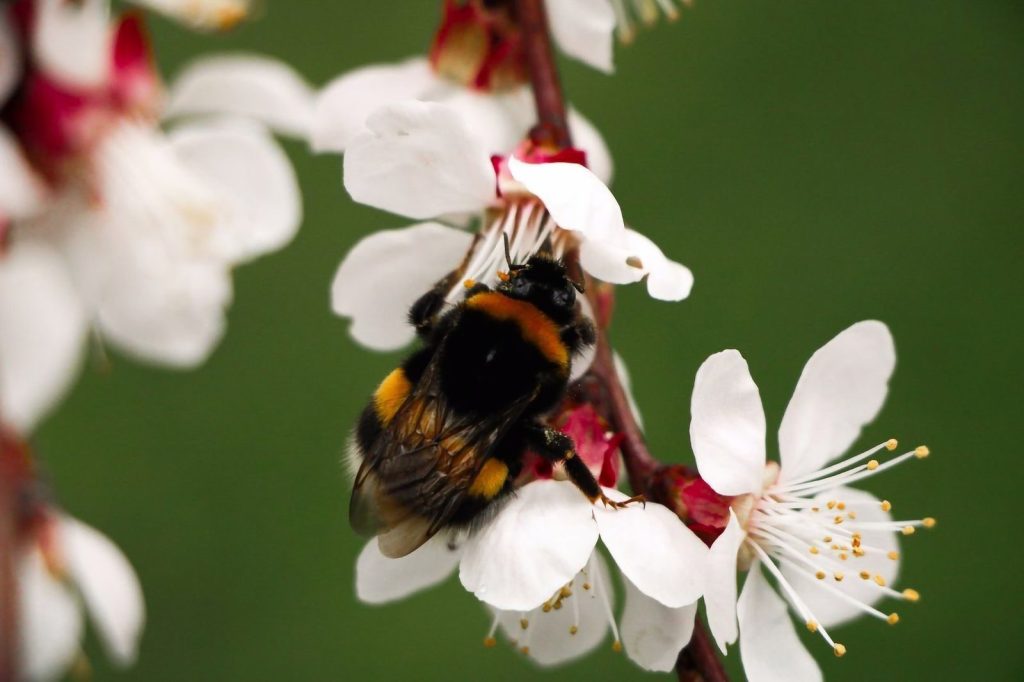
Calling magnetoreception a bee “sixth sense” is understandable, but the phrase can imply more certainty than current evidence allows. Honey bees clearly respond to magnetic fields, while the 2026 study found widespread ferromagnetic signatures consistent with a possible sensing mechanism across many species.
Scientists still do not know exactly how those signals are detected or what each species does with them. The exciting finding is therefore not that researchers have solved a hidden magnetic compass. It is that the biological capacity appears far more widespread, and possibly far older, than expected.
Featured Image: Photo by leandro fregoni on Unsplash