The original title suggests one failed scientific expedition, but no specific incident can be authenticated from the wording alone. The broader idea is true: studying wild sloths can be surprisingly difficult.
Researchers must find animals hidden high in tropical canopies, identify individuals, attach equipment safely, collect samples, and follow creatures whose famously slow lifestyle does not make them easy research subjects.
Hard to Spot
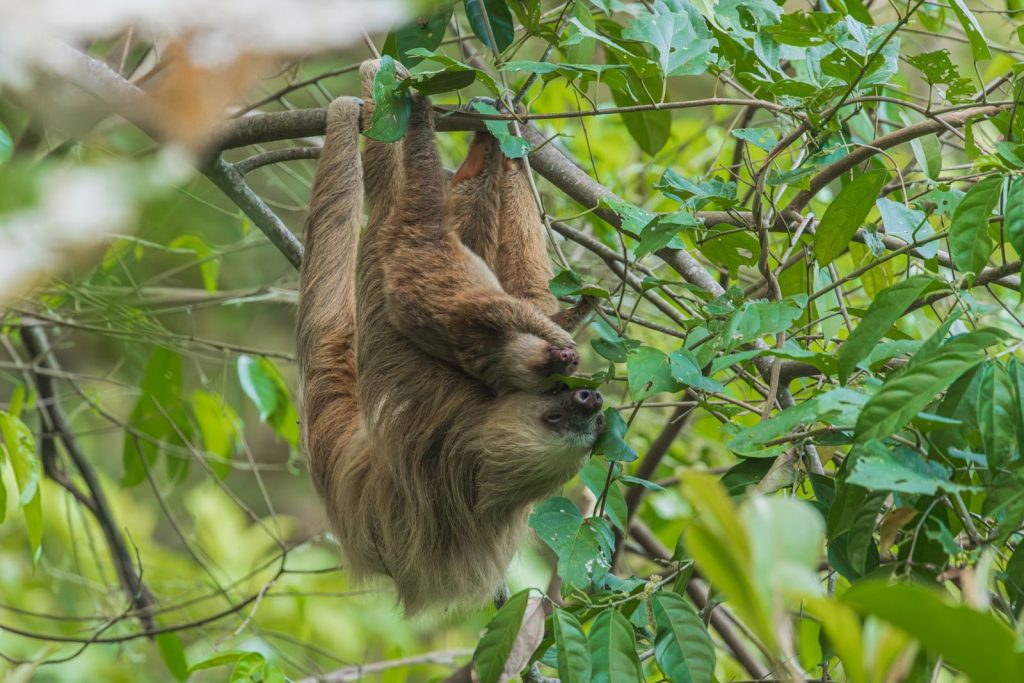
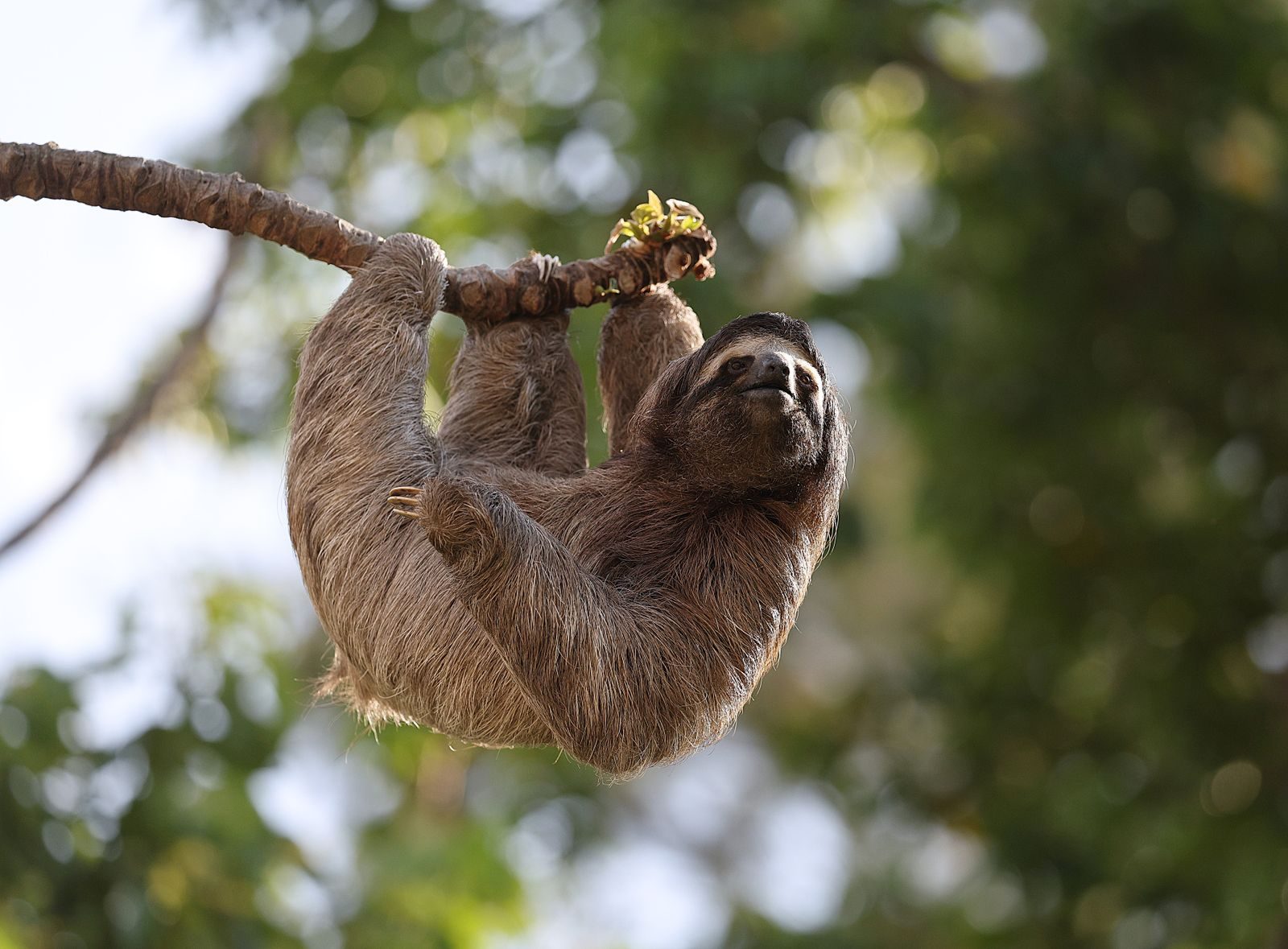
Sloths move slowly, but that does not mean researchers can easily find them. Their fur, associated algae, and deliberate movements help them blend into leafy canopies, where an animal may remain almost motionless for long periods.
Smithsonian Tropical Research Institute material notes that their coloration and slow movements can make a sloth resemble vegetation more than a mammal. Field researchers can therefore spend hours scanning branches and checking likely trees, sometimes moving beneath an animal without noticing the well-camouflaged research subject positioned above them.
High in the Canopy
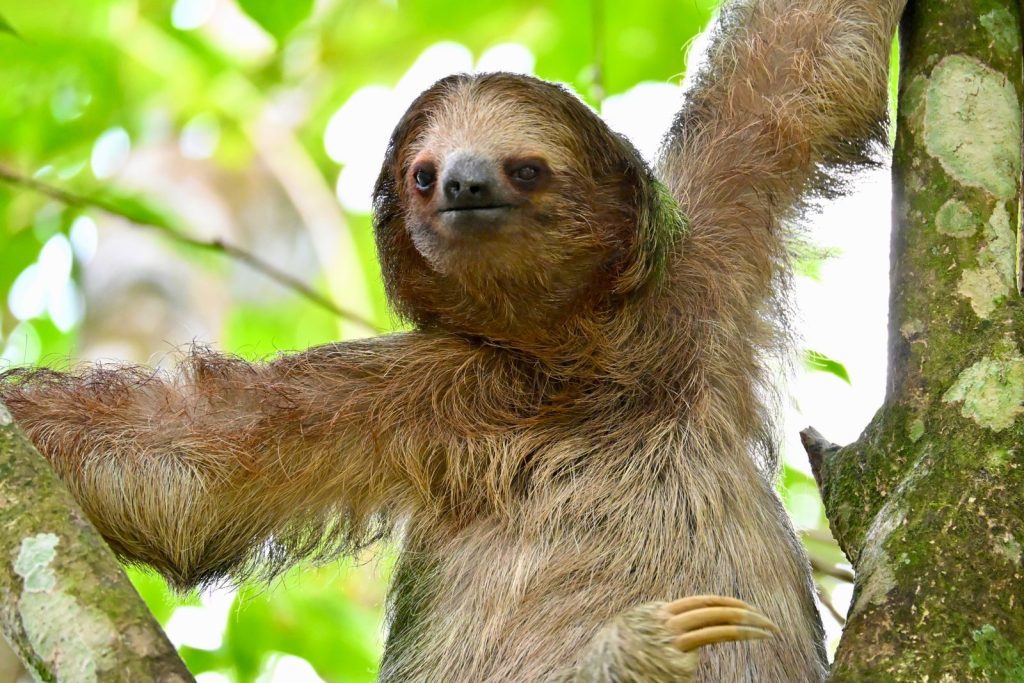
Brown-throated three-toed sloths are often found in the upper portions of trees, far beyond easy reach. One field study recorded them using trees from roughly 5.5 to 31.5 meters tall and generally occupying upper canopy strata.
Finding the animal is therefore only the first challenge. Researchers needing measurements, examinations, or tracking equipment must work with experienced capture teams. Smithsonian records of pioneering sloth telemetry studies even describe arduous tree climbing as necessary for reaching and radio-collaring animals safely.
Radio Tracking
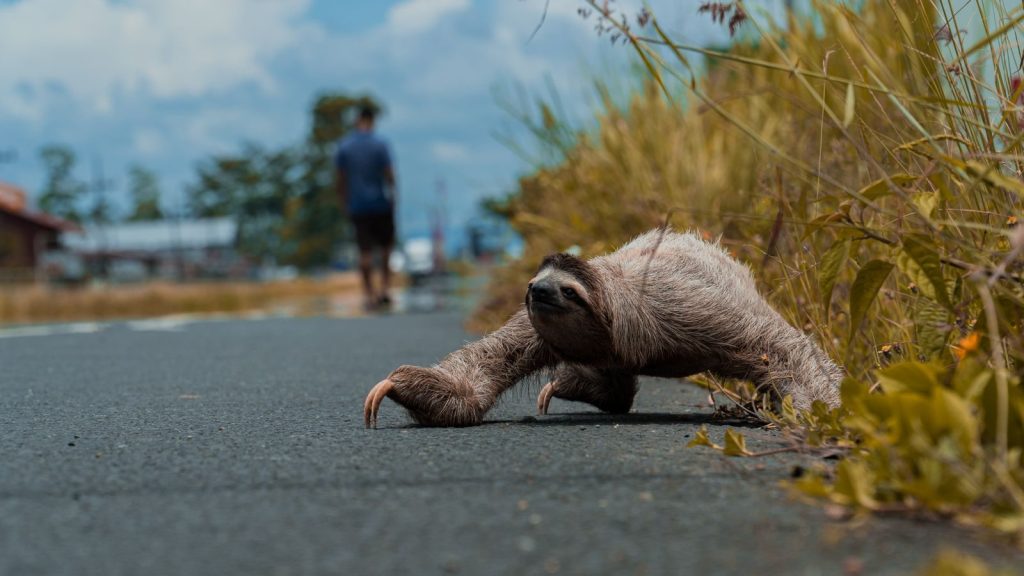
Researchers use radio collars because a sloth that disappears into dense foliage can be extraordinarily difficult to relocate by sight. The Sloth Institute uses telemetry to follow rehabilitated and wild sloths and understand how they use their habitat.
A collar does not eliminate fieldwork. Scientists still carry receivers through forest, interpret signals, navigate around obstacles, and visually confirm the animal whenever possible. The technology may turn an invisible sloth into a direction and signal strength, but researchers must still locate the correct tree beneath an enormous, complicated tropical canopy.
GPS and Data Loggers
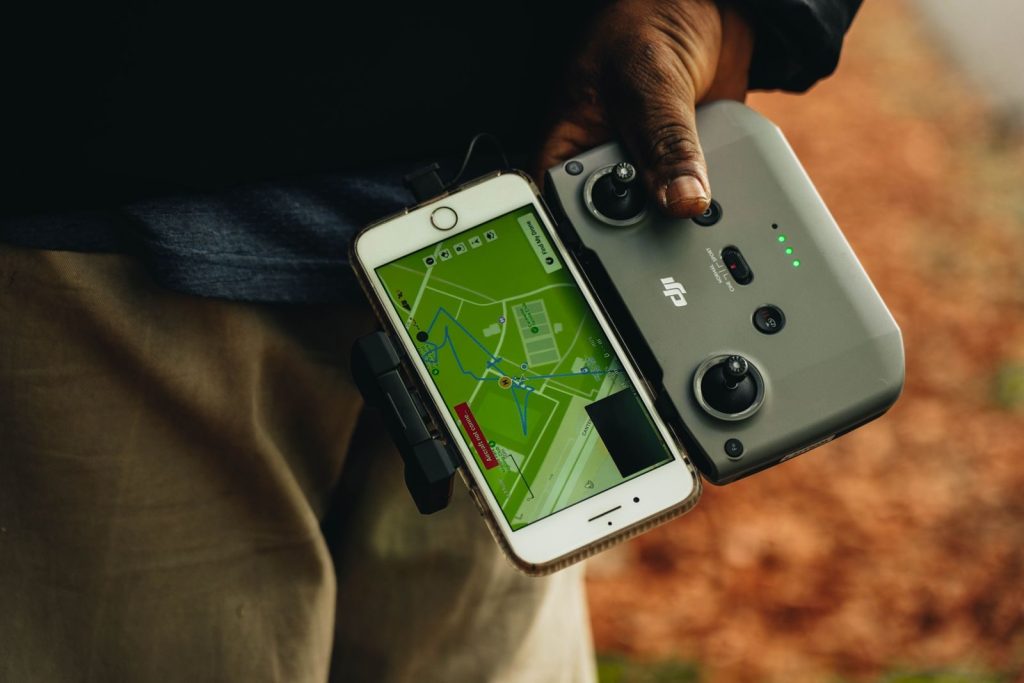
Modern projects increasingly combine GPS collars with movement sensors and other data loggers. The Sloth Conservation Foundation says these tools can reveal location, habitat use, body movement, and daily behavior far more precisely than occasional sightings alone.
The equipment creates challenges of its own. Devices must remain light, secure, weather-resistant, and appropriate for the animal. Researchers then have to recover, download, map, and analyze the resulting information. Studying one famously slow animal can consequently produce a surprisingly large and technically complicated stream of movement data.
Capturing a Sloth

Some research requires blood samples, measurements, health assessments, or installation of tracking equipment. Those jobs cannot be completed accurately from the ground while a sloth remains high in a tree canopy.
Cornell researchers working with The Sloth Institute describe opportunistically collecting samples from free-ranging animals during scheduled health assessments. Capture must be carefully planned to limit injury and stress. A sloth’s low speed does not make rough handling acceptable or safe; professional teams use veterinary oversight, climbing experience, and species-appropriate methods when direct examination becomes scientifically necessary.
Extremely Low Metabolism

Sloth biology also makes interpreting behavior difficult. University of Wisconsin research found that three-toed sloths have exceptionally low daily energy expenditure, helping explain their characteristic slow movements and limited activity.
Researchers therefore cannot judge a sloth using expectations developed from faster mammals. Long periods of rest and tiny movements may be completely normal. Temperature, food quality, and available energy can also affect activity, meaning scientists need repeated observations over time rather than assuming a motionless animal must be sleeping, sick, exhausted, or simply behaving “lazily.”
Flexible Daily Schedules
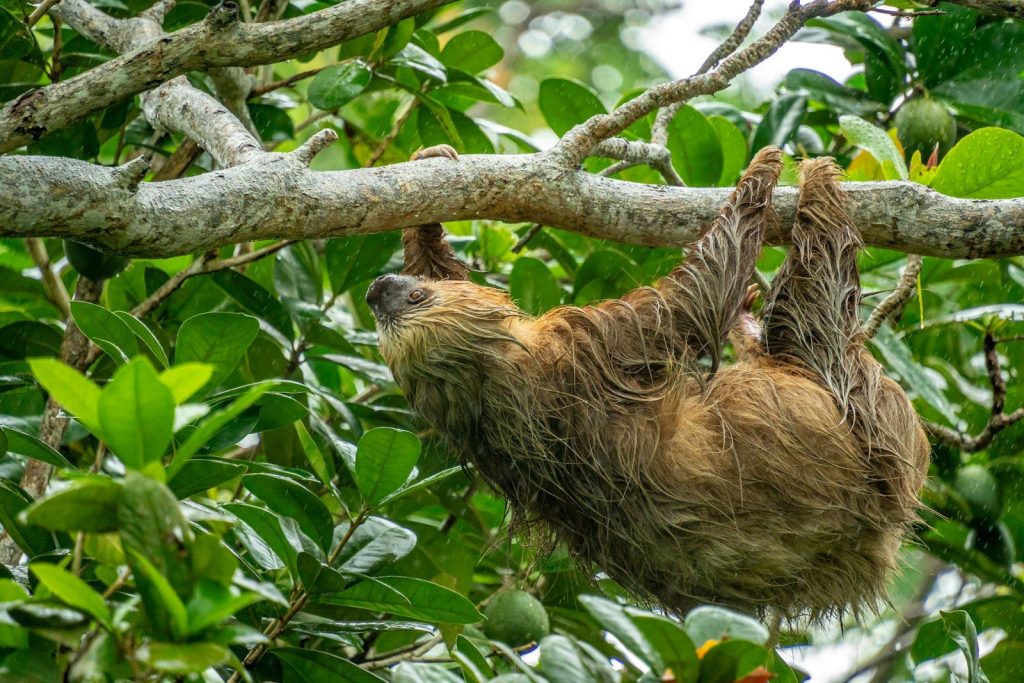
Sloths do not follow one universal timetable. Research on brown-throated three-toed sloths has found that daily activity can shift with environmental conditions, and some populations show activity during both daylight and nighttime hours.
That variation complicates short observational studies. Watching for a few daytime hours can miss important feeding or movement, while behavior in disturbed habitat may differ from intact forest. Radio tracking and automated sensors let scientists observe beyond human schedules, revealing that a slow-moving animal can still maintain a surprisingly flexible daily routine.
Research Helps Conservation

The difficulty of studying sloths matters because conservation decisions depend on knowing where animals travel, which trees they use, how they cross fragmented landscapes, and whether rehabilitated animals survive following release.
Research projects in Costa Rica now use tracking information to guide canopy connectivity, habitat restoration, and post-release monitoring. Scientists are also combining GPS movement data with genetics, diet studies, and disease research. The fieldwork may involve climbing, weak signals, missing animals, and long waits, but those difficulties produce information needed to protect sloths in changing forests.
Featured Image: Photo by Veronika Andrews on Pexels