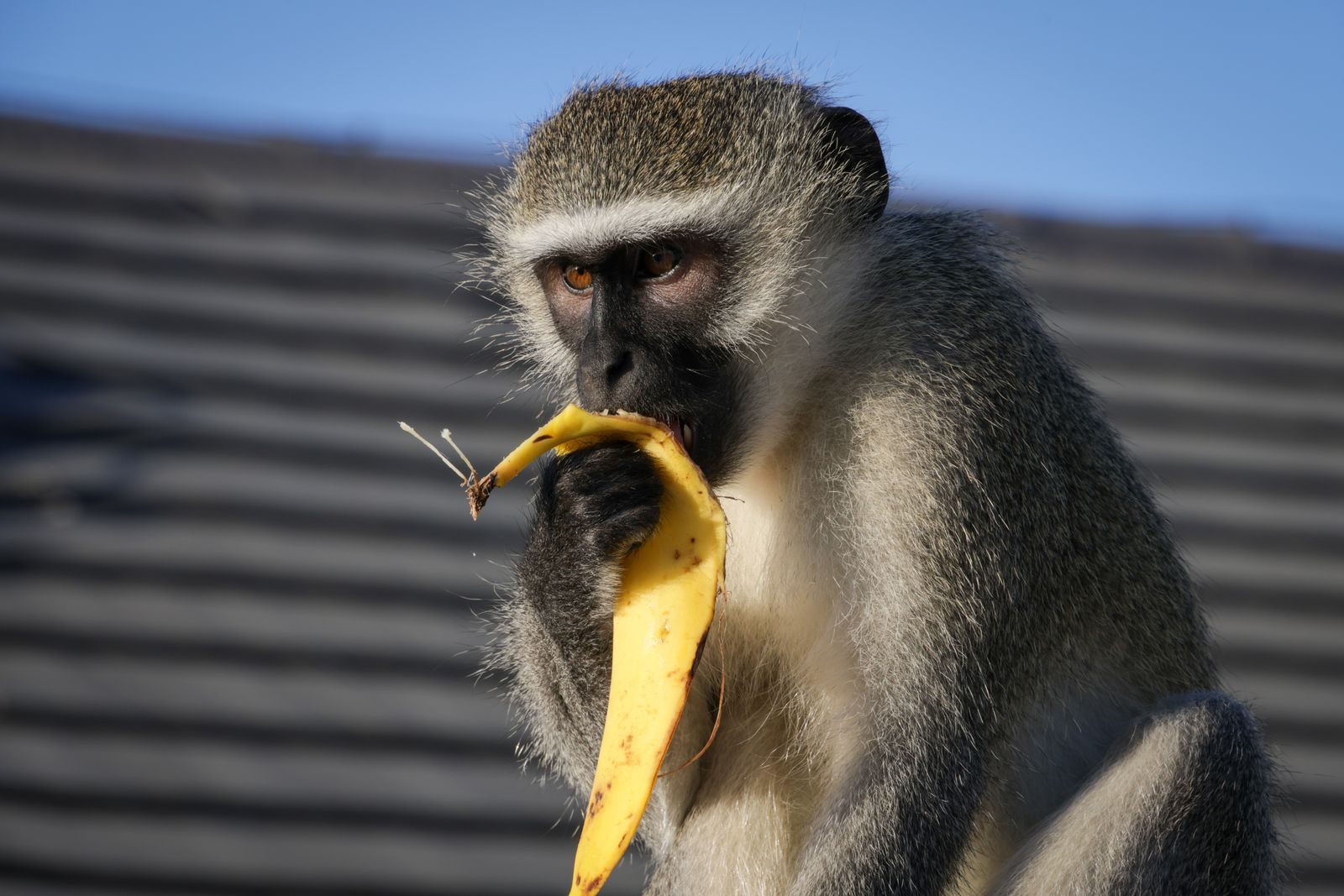
The claim that monkeys simply “snap” when they receive less food is too broad. Primates respond to food scarcity in different ways depending on species, dominance relationships, habitat, group size, and the type of food being contested.
Some studies do show more aggression when valuable foods are scarce or when animals are hungrier. Other research finds the opposite under different ecological conditions. Food competition is real, but it is not one universal hunger switch.
Food Competition

Social primates often feed near companions, creating opportunities for cooperation as well as competition. When a desirable food occurs in a small patch that one animal can control, fights and displacements can become more likely than when food is spread widely.
Dominance rank then matters because higher-ranking individuals may gain priority access. This process is called contest competition. It explains why aggression around food can change without assuming that hungry monkeys lose emotional control. The behavior can instead reflect access to a resource that several group members want at the same time.
Hungry Capuchins
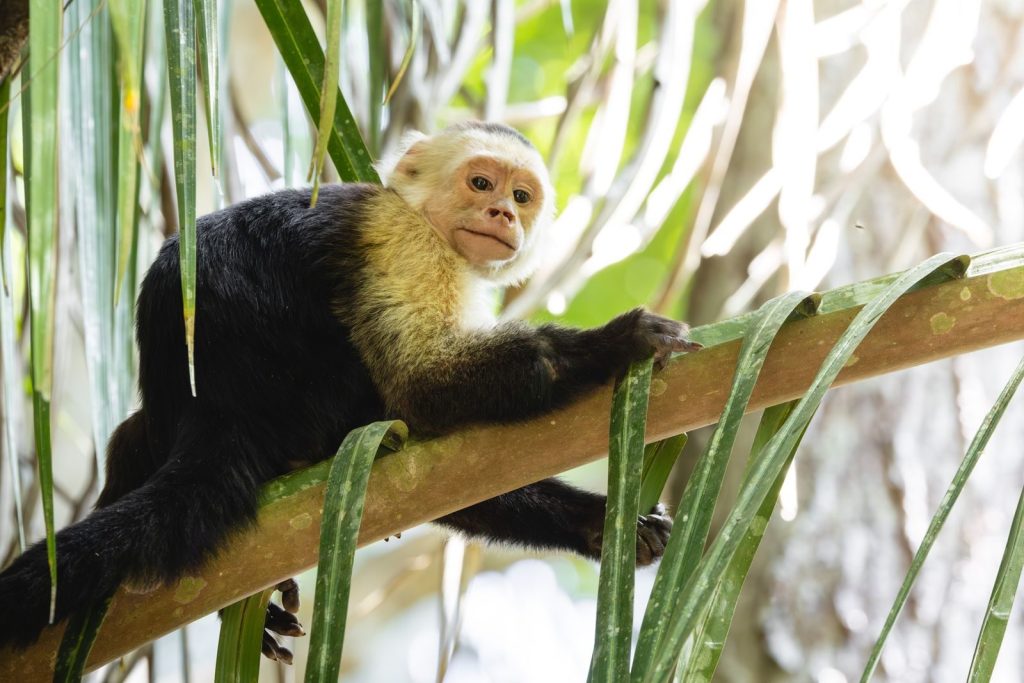
Field work on capuchin monkeys found a measurable relationship between hunger and food-related aggression. During feeding-tree visits, monkeys arriving after shorter periods since their previous feeding showed more agonistic interactions than animals that arrived less hungry.
The difference was not enormous, but it was statistically significant in the reported analysis. This supports the idea that immediate energetic need can intensify competition in some contexts. It does not show that every hungry capuchin becomes violent, or that reducing food automatically causes an uncontrolled group-wide outburst whenever resources become scarce in nature.
Dominance at Feeding Trees

Earlier research on brown capuchin monkeys in Peru showed that dominance rank and aggression could independently affect how much food an individual obtained at feeding sites. Lower-ranking animals may lose access when competitors displace them from valuable resources.
That creates an unequal cost to food competition. Two monkeys can enter the same tree, yet one may feed longer because its social position makes challenges less likely. Scarcity can therefore interact with hierarchy rather than affecting every group member equally. Understanding the social system is essential before interpreting one aggressive feeding video as simple hunger.
Geladas in Dry Seasons
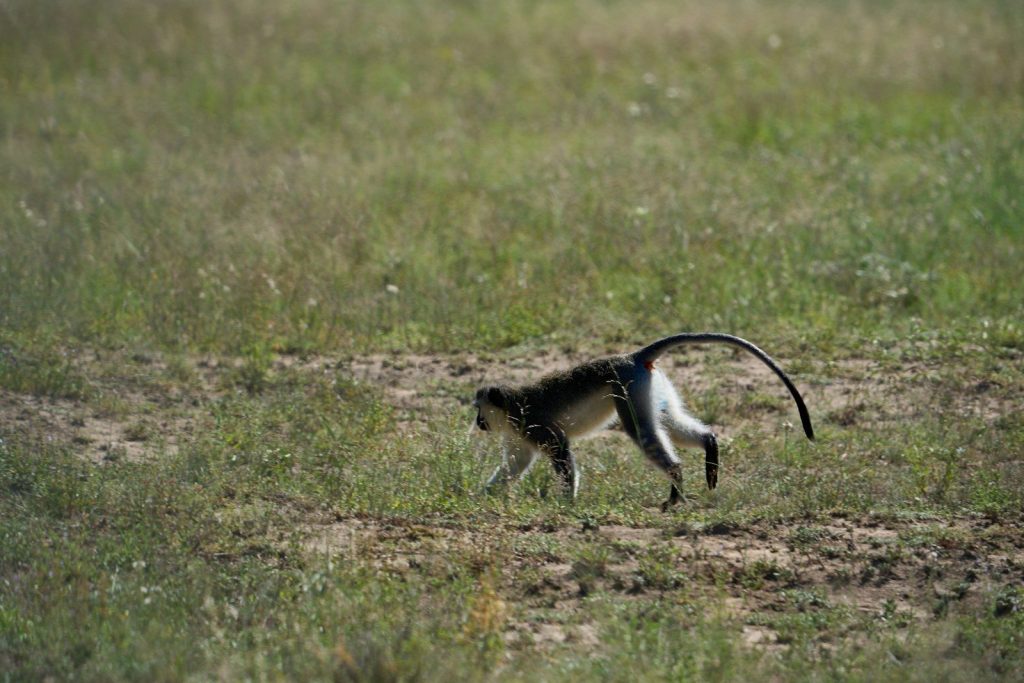
A 2024 study of female geladas found that aggression was especially associated with feeding on underground foods, particularly during the dry season when green grass was less available. Lower-ranking females faced the greatest pressure in that context.
Researchers found the likelihood of receiving aggression was about 2.4 times higher during belowground feeding than while moving and feeding aboveground. The result links competition with valuable fallback foods, but it concerns geladas in a specific ecological setting. It should not be generalized into a rule that all monkeys become more aggressive whenever total food declines.
Scarcity Is Not Universal

Food abundance can sometimes produce more aggression rather than less. A study of wild spider monkeys reported higher aggression rates when fruit availability was high, contrary to the researchers’ original prediction that scarcity would increase competition.
Rich fruit patches can be valuable resources worth contesting, whereas very scarce food may push animals into smaller subgroups or different foraging strategies that reduce direct conflict. This apparently contradictory result is important because it shows that aggression depends on how food is distributed, not simply whether the environment contains “more” or “less” of it overall.
Patchy Foods Matter
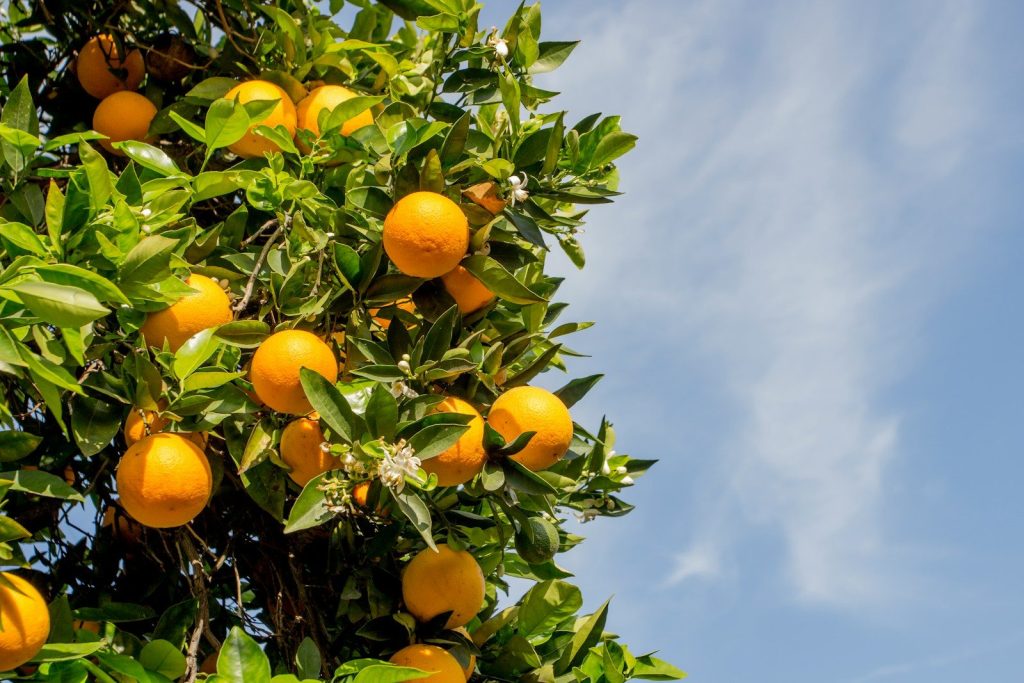
A large tree full of ripe fruit may contain abundant food while still creating intense competition because many monkeys want access to the same concentrated patch. By contrast, small foods scattered across a wide area can be difficult for one individual to monopolize.
Primate ecologists therefore distinguish between food abundance and food distribution. The number of calories in a habitat does not by itself predict aggression. Patch size, renewal rate, travel distance, and whether dominant animals can control access all influence how strongly group members compete while feeding within groups.
Human Feeding Changes Behavior
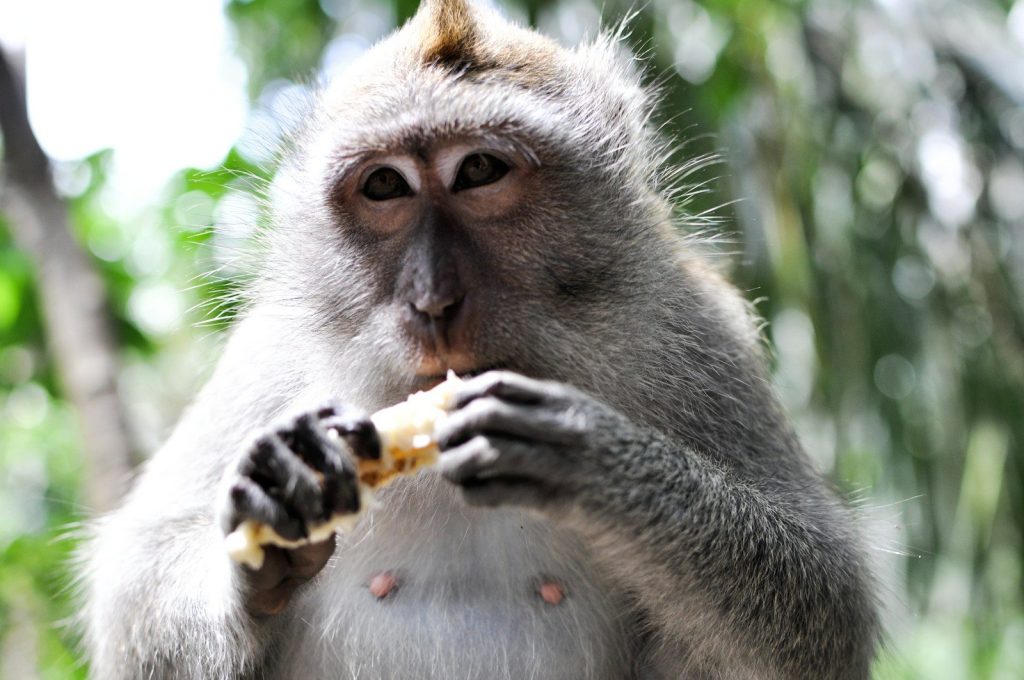
Provisioning wild monkeys can create unnaturally concentrated food sources. A handful of snacks offered from one location may draw several animals into close competition, rewarding bold individuals and increasing conflict around people.
Research on Formosan macaques found that food provisioning increased both the frequency and duration of aggression, while other studies link human food with risky macaque interactions. Keeping food unavailable discourages animals from treating people as predictable resource sites where crowding, grabbing, and aggressive competition may repeatedly be rewarded over time.
No Simple Hunger Switch
The strongest conclusion is more nuanced than the viral title. Hunger can increase food-related aggression in some monkeys, and scarcity can intensify competition for particular resources. Yet other species or situations show different patterns, including greater aggression when high-value food is abundant.
Monkey social behavior emerges from hunger, dominance, relationships, food distribution, season, and local ecology acting together. Saying they simply “snap” removes the biology that makes these studies interesting. Researchers instead measure who competes, over which foods, under what conditions, and how that competition changes when resources shift carefully.
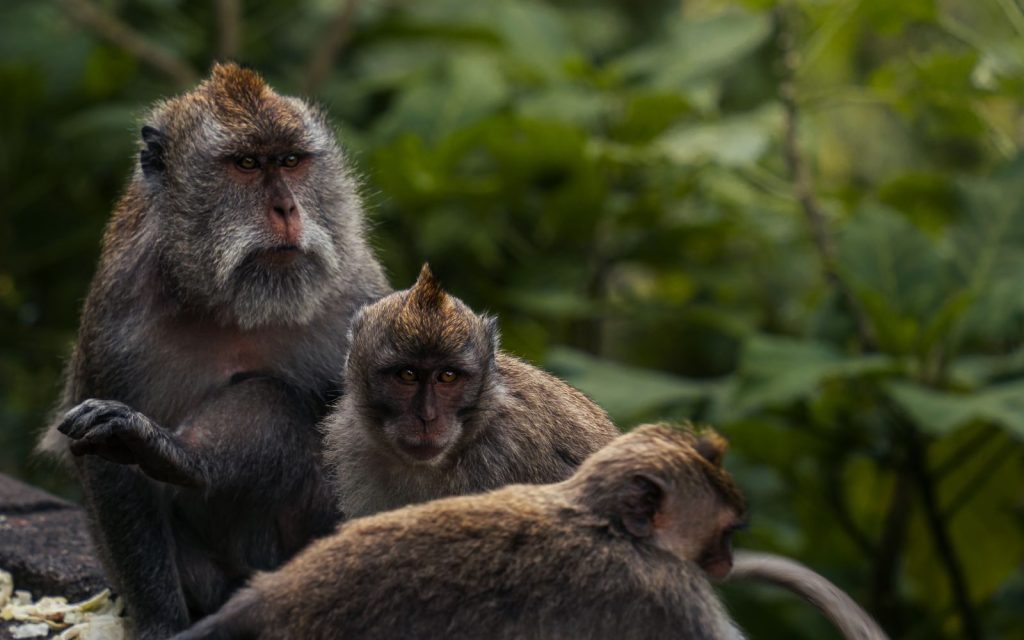
Featured Image: Photo by Magda Ehlers on Pexels