The exact viral clip behind this title cannot be independently authenticated from the wording alone. A very similar natural spectacle is well documented in Brazil’s Pantanal, where large numbers of yacare caimans gather as seasonal waters shrink.
During the dry season, fish become concentrated in remaining lagoons and channels. Caimans can exploit those dense prey patches, sometimes feeding side by side. The scene can look like a frenzy, but it is driven by seasonal hydrology and concentrated food.
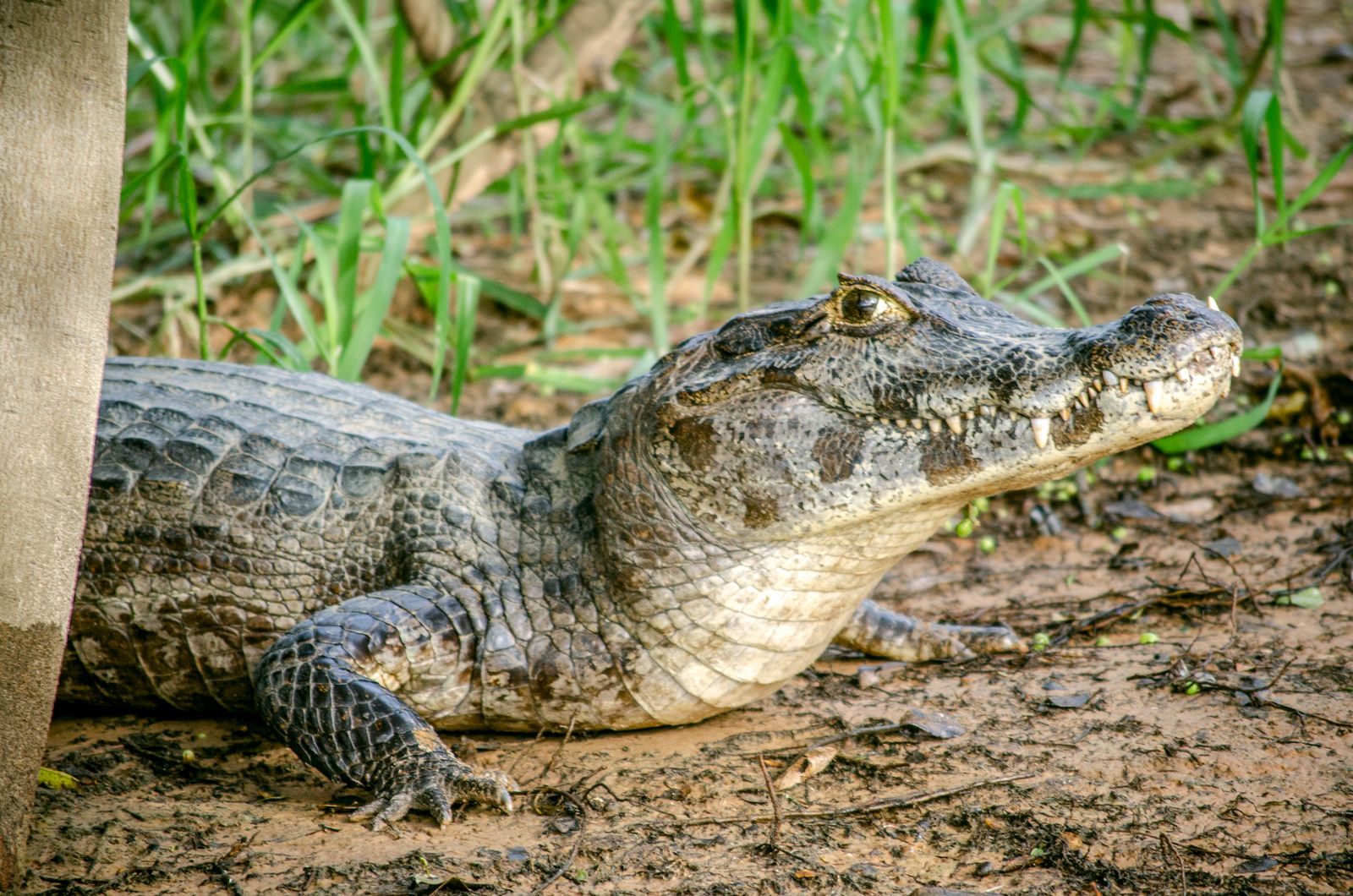
Yacare Caiman

The yacare caiman is a medium-sized crocodilian native to South America, especially associated with the Pantanal wetlands of Brazil, Bolivia, Paraguay, and Argentina. It lives in rivers, lakes, marshes, and seasonally flooded habitats where water levels change dramatically through the year.
Fish and aquatic invertebrates are important foods, although larger individuals can take a broader range of prey. Research on dry-season diets in the Pantanal found fish and insects among the most common items, showing why shrinking pools become valuable feeding areas when seasonal waters expose dense prey concentrations.
Pantanal Dry Season

The Pantanal alternates between extensive flooding and a pronounced dry season. As rainfall falls and floodwaters retreat, many temporary aquatic habitats shrink or disappear, concentrating wildlife around the water that remains.
Yacare caimans respond to those changes by moving toward surviving rivers, lagoons, and pools. Brazilian research has documented substantial movements between wetland habitats. A riverbank packed with caimans can therefore reflect seasonal concentration rather than an unusually social species suddenly choosing to live in one enormous permanent group. Those seasonal movements can place many individuals together quickly.
Fish Become Concentrated

Shrinking water can make fish easier for predators to find because large numbers become confined to smaller pools and channels. Classic field observations in the Pantanal describe yacare caimans taking advantage of concentrated fish during the dry season.
That abundance can produce striking feeding scenes. Several caimans may face flowing water with open jaws and snap at fish passing within reach. The reptiles are not cooperating like a wolf pack; each individual is exploiting the same temporary food source, which naturally puts many predators into a small area for part of each year.
Group Fishing
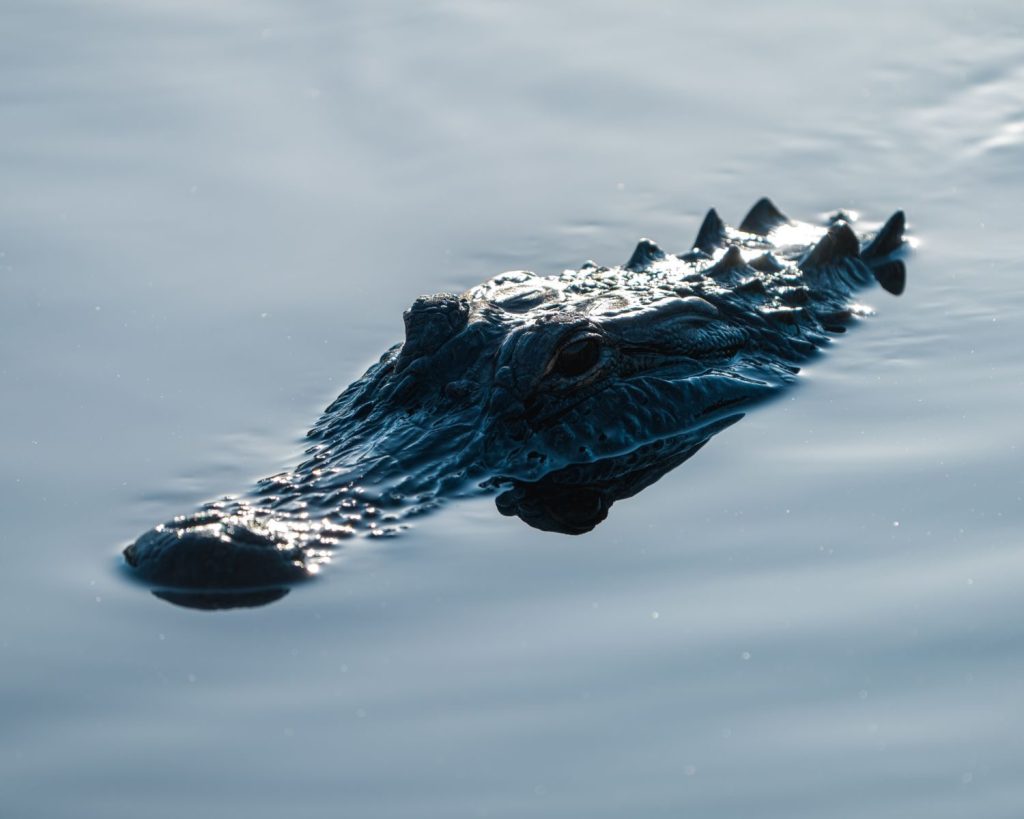
Researchers have documented yacare caimans feeding together where fish are concentrated. In one described behavior, several animals positioned themselves facing flowing water and snapped at fish moving past their jaws.
This looks coordinated on camera, but evidence does not require a shared hunting plan. A profitable location can independently attract many caimans using the same tactic. When prey is abundant enough, several predators may feed close together because the immediate reward outweighs the costs of crowding, even though competition between neighbors can still occur within the same feeding zone.
Fighting Over Food

Close feeding quarters increase the chance that caimans will bump, threaten, or compete with one another, especially when a particularly valuable prey item is seized. Crocodilians are capable of aggressive interactions, but not every open mouth or sudden lunge in a crowded scene represents a serious fight.
The phrase “fight for every bite” therefore exaggerates the biology if applied to the entire gathering. Many animals may simply be waiting for fish to pass. Competition becomes more obvious when food is limited, space is tight, or one caiman tries to take advantage of another’s catch.
Powerful Caiman Jaws

Caimans capture prey with a rapid closing bite rather than chewing it into small pieces. Their jaws and teeth are well suited to grasping slippery aquatic prey, while larger food can be repositioned or swallowed in chunks.
In a crowded feeding area, that equipment makes close contact potentially dangerous even between animals of the same species. A snap aimed at a fish can happen extremely fast. This is one reason people observing large caiman gatherings should remain well away from the water’s edge instead of treating resting reptiles as harmless because they appear motionless.
Jaguars Hunt Caimans

Caimans may dominate a shrinking pool as aquatic predators, yet they are also part of the Pantanal food web. Jaguars regularly prey on yacare caimans in this wetland, often ambushing them near shore or in shallow water.
That predator-prey relationship helps explain why the Pantanal supports such dramatic wildlife scenes. Caimans consume fish and other animals, while large cats can consume the caimans themselves. A crowded riverbank is therefore not simply a gathering of top predators; it is one moving piece of a much larger seasonal food web during the dry season.
Seasonal Spectacle

Huge caiman gatherings are best understood as a response to water and food rather than as a permanent “swarm.” When rains return, the Pantanal expands again, reconnecting flooded habitats and spreading aquatic animals across a far larger landscape.
The dry-season spectacle reveals how strongly wetland wildlife follows hydrology. A shrinking lagoon can temporarily place fish, reptiles, birds, and mammals into close proximity, producing extraordinary feeding opportunities and intense competition. What looks chaotic on video is a predictable ecological consequence of an ecosystem that repeatedly contracts and expands with the seasons.
Featured Image: Photo by Leonardo Lamas on Pexels