The original title does not identify a verifiable filming event or even the lynx species, so the animal’s location, motivation, and relationship with the filmer should not be invented.
A quiet sighting can still reveal a great deal. Canada lynx, for example, are typically solitary, elusive cats whose lives revolve heavily around snowshoe hares, forest cover, and energy-efficient movement through deep northern snow.
Canada Lynx

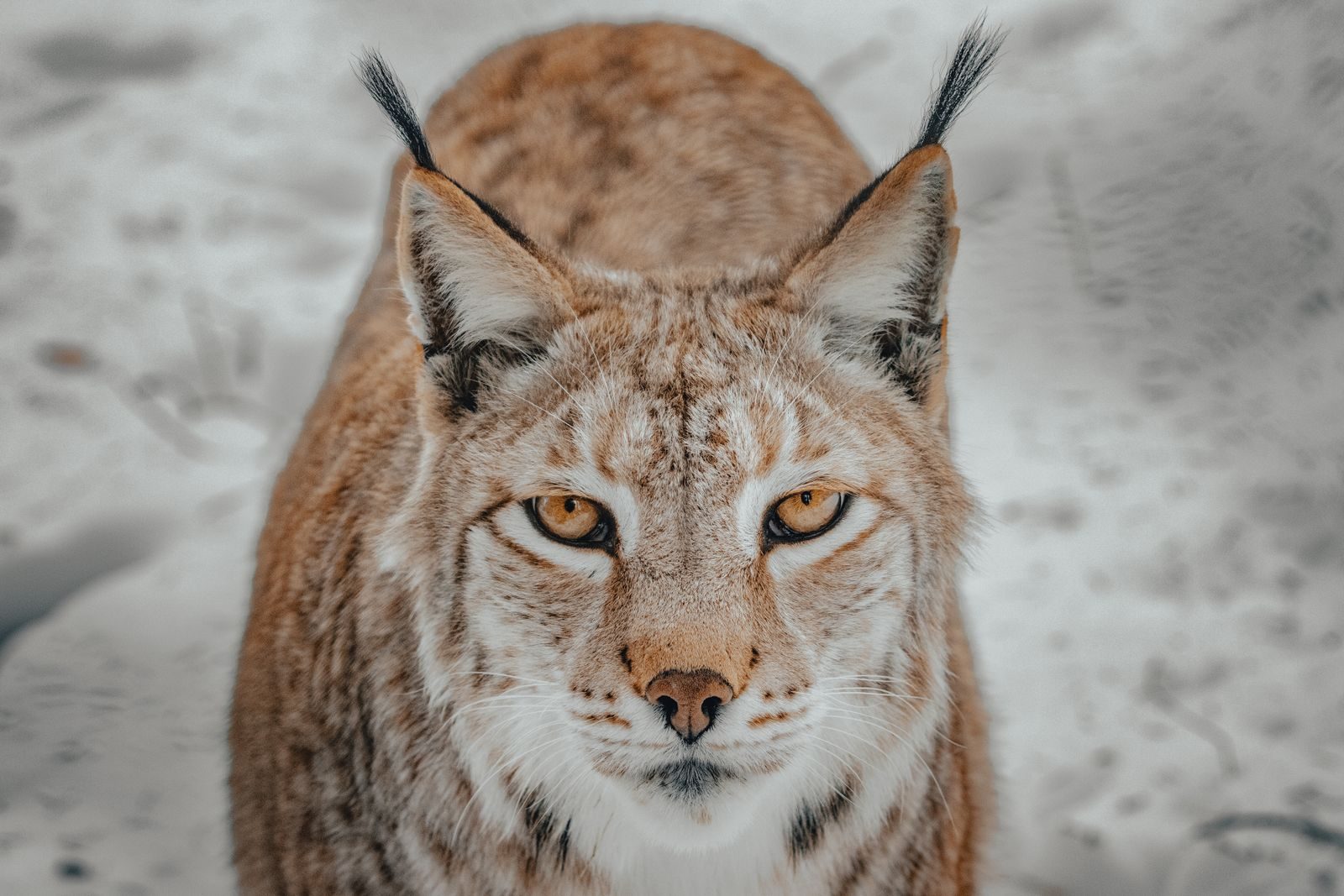
Canada lynx are medium-sized northern cats recognized by long legs, broad paws, short black-tipped tails, and prominent ear tufts. Their proportions are especially suited to traveling through snowy boreal forests rather than chasing prey across open plains.
Yellowstone National Park describes them as solitary animals active during both day and night. Seeing one sitting quietly does not mean it is tame or comfortable with close human contact. It may simply be resting, watching, listening, or deciding whether movement is necessary while a person happens to be nearby and watching.
Rare Lynx Sighting
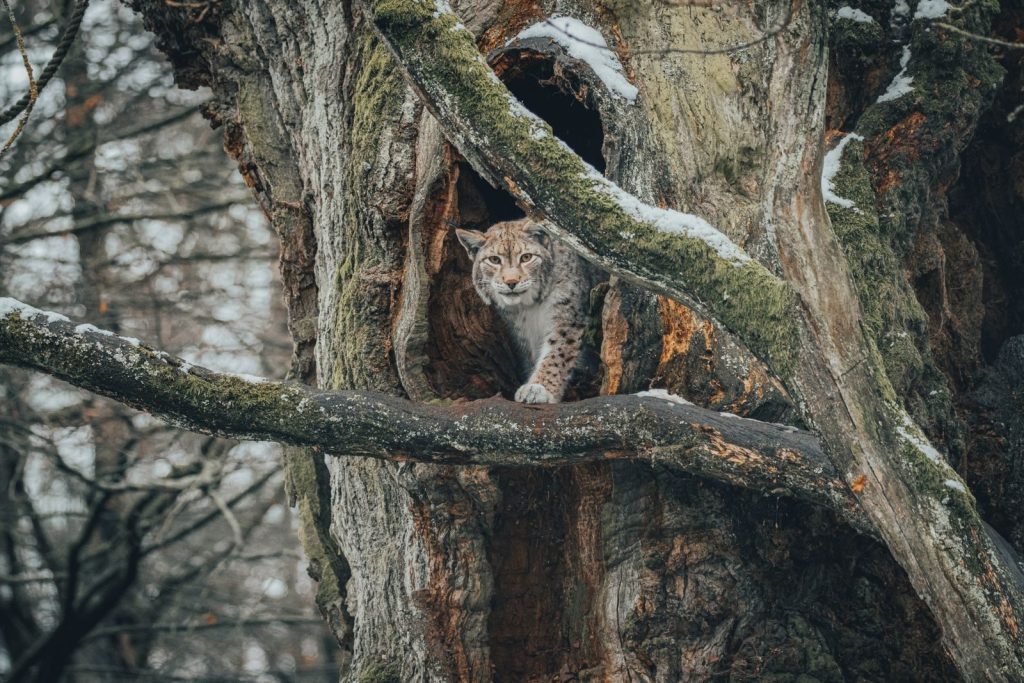
Canada lynx can be difficult to observe because they occur at low densities across large, forested home ranges and often move without drawing attention. National Park Service researchers use camera traps partly because direct sightings are so uncommon.
A quiet encounter can therefore feel unusually intimate even when nothing dramatic happens. The absence of running or aggression should not be interpreted as an invitation to approach. A wild cat that remains visible for several minutes is still making its own decisions, and human movement can change the behavior being observed.
Snowshoe Hare Hunter
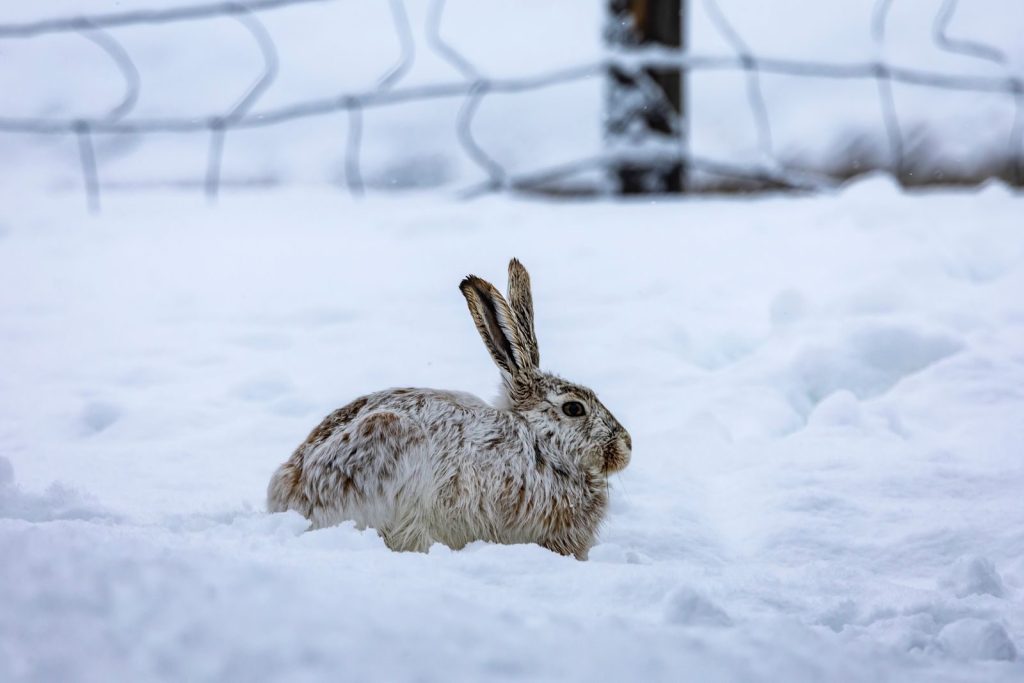
Snowshoe hares are the primary prey of Canada lynx across much of their range, especially during winter. Lynx numbers and movements are strongly connected to hare abundance because this specialized prey provides much of the energy needed for survival and reproduction.
Hunting often favors patience and stealth rather than constant activity. A lynx may spend long periods traveling slowly, resting, or watching before an opportunity appears. What looks like an uneventful “quiet moment” can therefore fit naturally into the energy budget of a predator whose food is patchy and costly to pursue.
Built for Snow
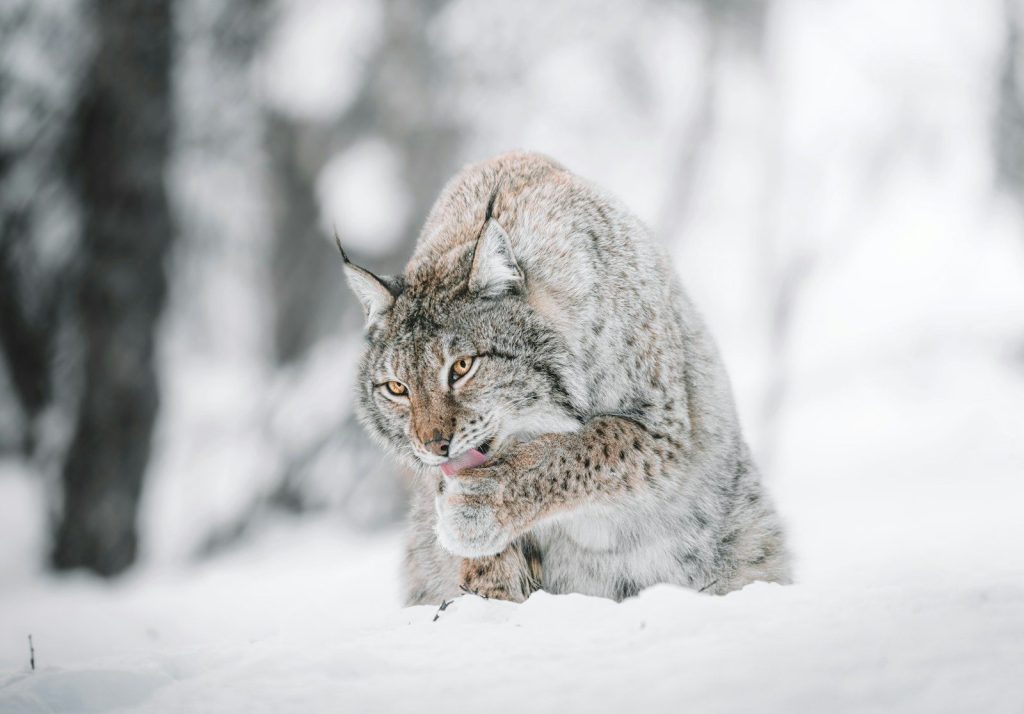
Broad, well-furred paws spread a lynx’s weight over soft snow, while long legs help the cat travel through deep winter conditions. These adaptations give it an advantage in habitats where smaller-footed competitors and prey can struggle.
That does not mean a lynx must always be moving quickly. Efficient snow travel is valuable precisely because conserving energy matters in cold environments. A resting animal may be preserving calories between hunting attempts or after traveling across its home range. Stillness is therefore not inactivity without purpose; it can be part of surviving an energetically demanding landscape.
Solitary Life
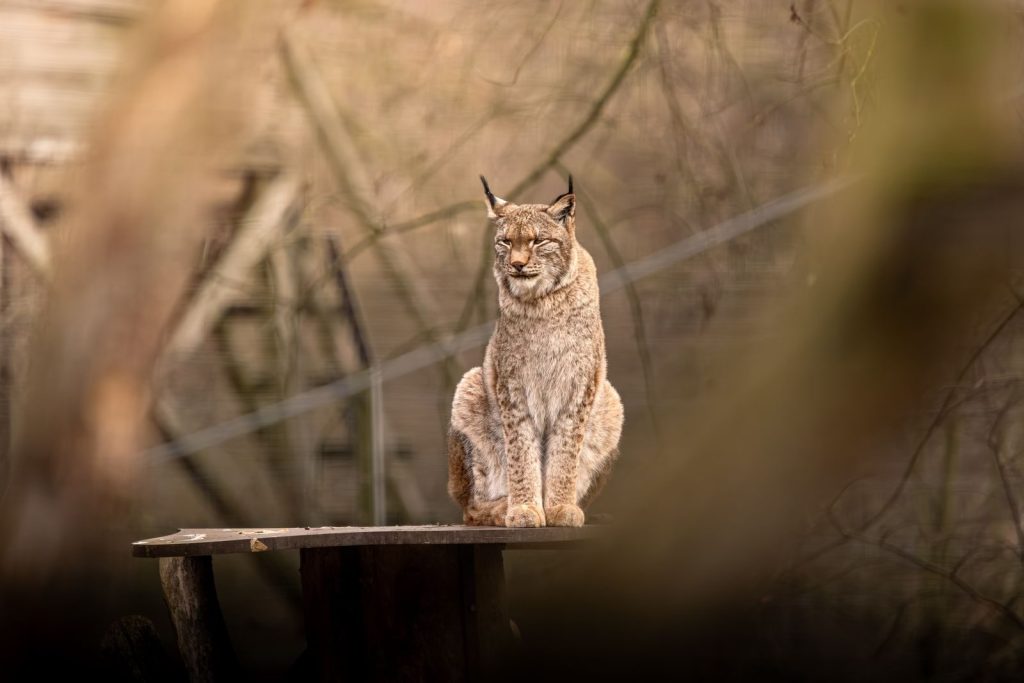
Canada lynx usually live alone except during breeding and when females raise kittens. An adult encountered by itself is therefore behaving normally rather than necessarily being lost, abandoned, or separated from a social group.
Solitary predators depend heavily on information they gather themselves. A lynx may pause to watch movement, listen for prey, or assess an unfamiliar object. Cameras capture the outward behavior but cannot reveal exactly what the animal thinks. Describing a lynx as “calm” should therefore be limited to visible posture and movement rather than assumed human-like feelings.
Day and Night Activity
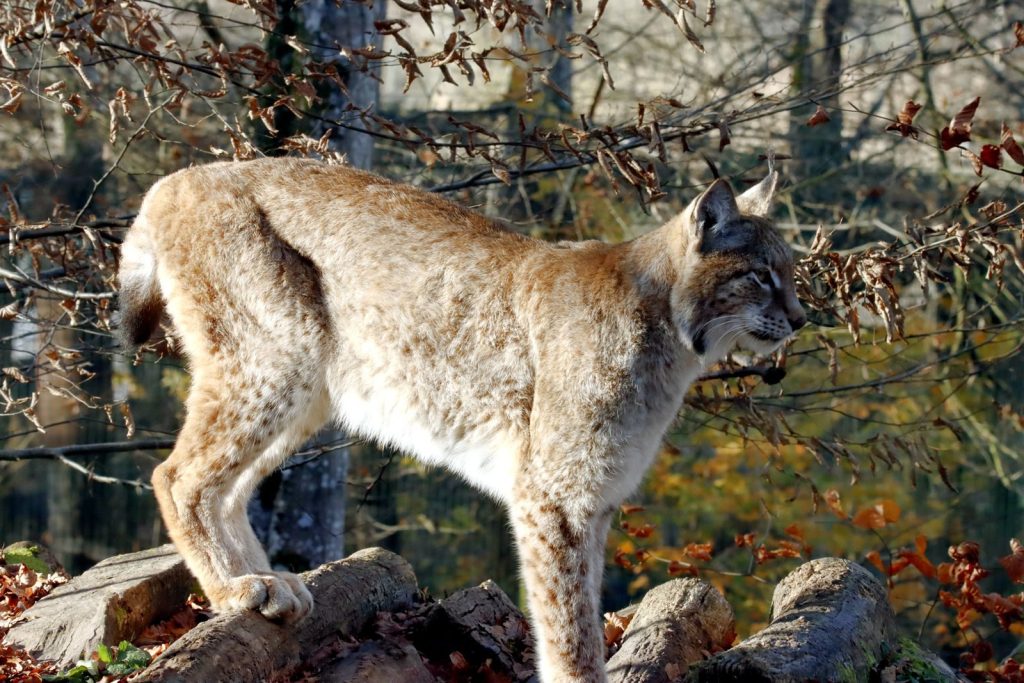
Canada lynx are not exclusively nocturnal. Yellowstone describes the species as both diurnal and nocturnal, meaning activity can occur during daylight as well as after dark. That makes a daytime sighting unusual mainly because lynx are elusive, not because daylight activity is biologically abnormal.
Season, prey movements, disturbance, weather, and individual behavior can all influence when a cat travels or rests. A camera catching one during a quiet daytime interval therefore records one moment within a much longer activity pattern. It should not be treated as proof that the animal routinely spends time near people.
Give Lynx Space

A lynx that remains still while being photographed should be given an easy route away. Moving closer can turn observation into disturbance and may force the cat to waste energy, abandon a resting site, or change direction.
Telephoto lenses and stationary viewing provide better wildlife behavior than approaching for a phone-sized close-up. The goal should be allowing the lynx to continue whatever it was doing before the person arrived. A rare sighting becomes more valuable, not less, when the animal remains wild enough to make its own choice about distance.
Lynx Conservation
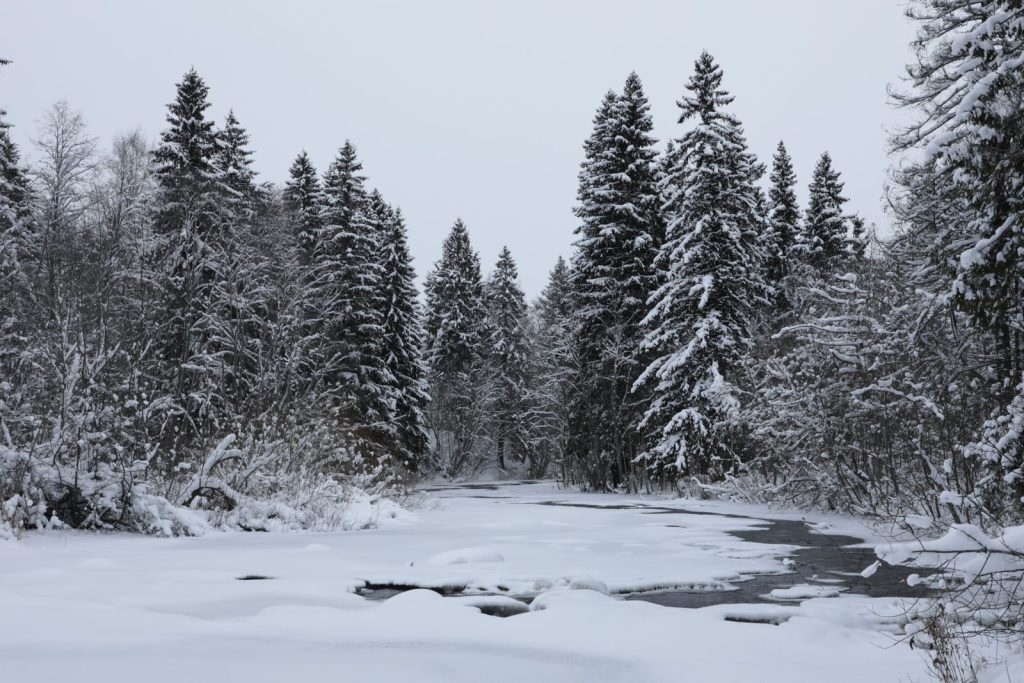
Canada lynx remain an important conservation species across the southern edge of their North American range, where habitat conditions and snowshoe hare abundance strongly influence where populations can persist.
That context gives quiet sightings additional importance. A short observation is a glimpse of a predator that remains difficult to monitor across much of its range. Photographs and camera-trap records can contribute information, but responsible viewing means avoiding pursuit, feeding, or habituation. Protecting an elusive cat includes protecting its ability to remain elusive naturally.
Featured Image: Photo by David Selbert on Pexels