The exact “20-foot” breaching shark in this title cannot be independently verified from the wording alone. Very large white sharks around that length have been documented, and great whites really do launch completely from the ocean during spectacular breaches.
Breaching is especially associated with attacks on fast-moving seals in places such as South Africa. Smithsonian sources describe white sharks accelerating from below and leaving the water during a hunting strike, turning a massive predator into a briefly airborne animal.
Great White Shark
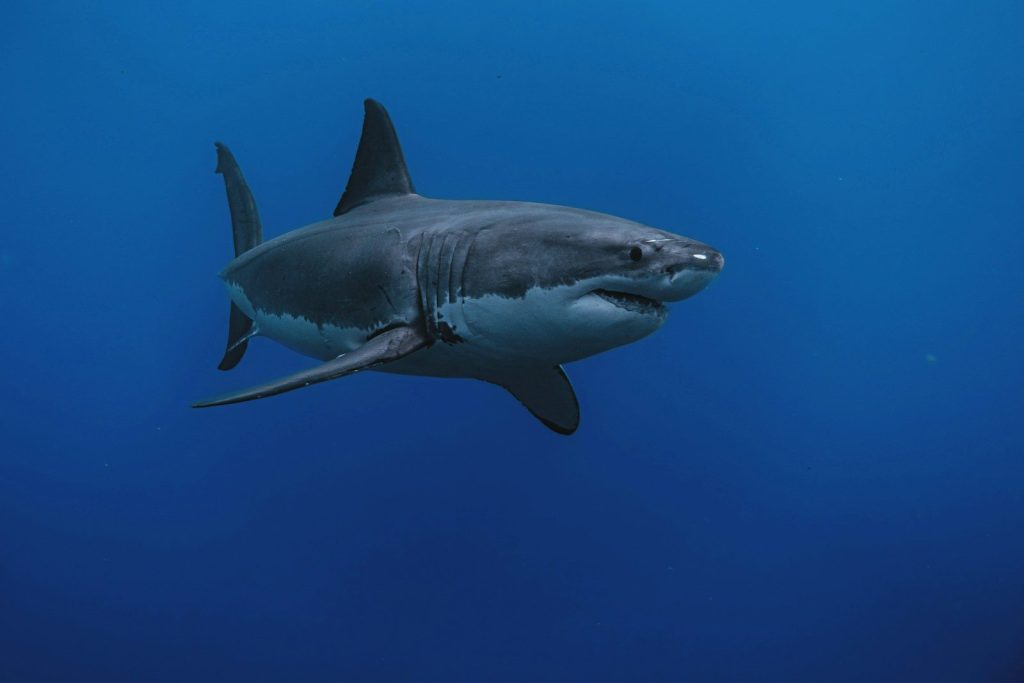
Great white sharks are among the largest predatory fishes, with exceptionally large individuals reaching lengths around 20 feet. Their torpedo-shaped bodies, powerful tails, and large pectoral fins are built for efficient movement through open water.
Size alone does not explain a breach. A shark must accelerate rapidly and direct that momentum upward, carrying hundreds of kilograms of body mass through the surface. The result can look impossible because people normally see great whites cruising, not converting underwater speed into a full-body leap during high-speed predatory strikes from below.
Breaching to Hunt
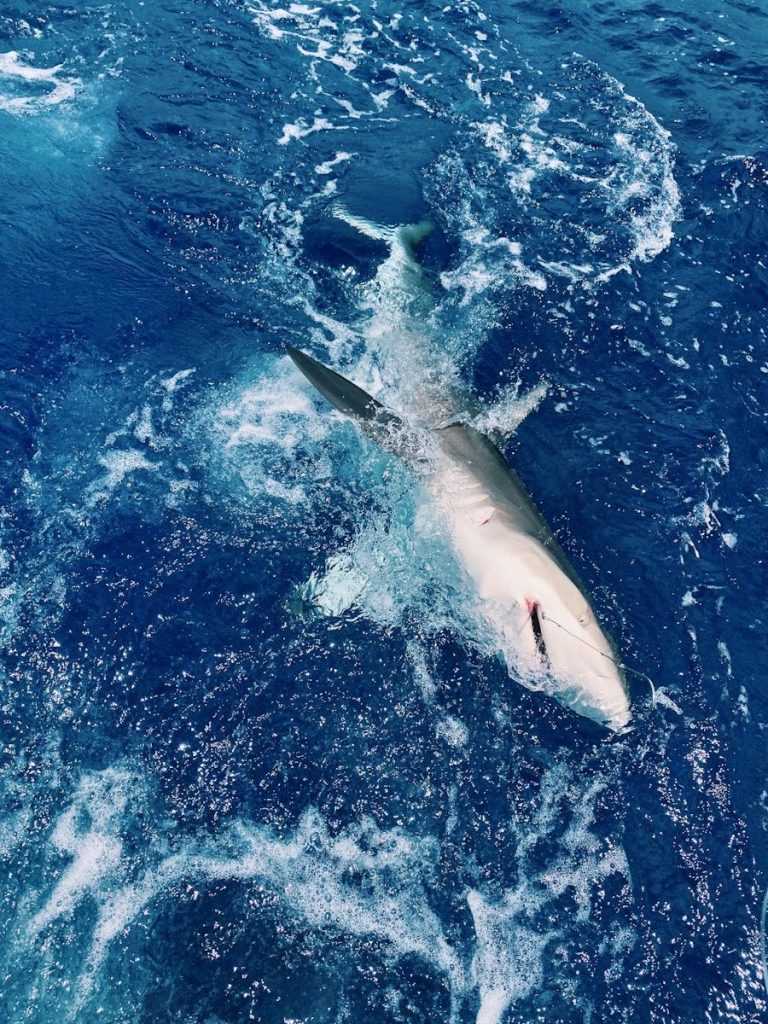
Smithsonian Ocean describes breaching as a hunting behavior used by great white sharks pursuing fast, agile prey such as seals. The shark approaches from below, where the darker depth can help conceal it from an animal silhouetted near the surface.
A successful vertical rush can end with the shark, prey, or both leaving the water. The airborne moment is only the final fraction of a longer attack. Positioning beneath the seal, building speed, and timing the strike correctly all happen before spectators see the dramatic explosion through the surface below.
Seal Hunting
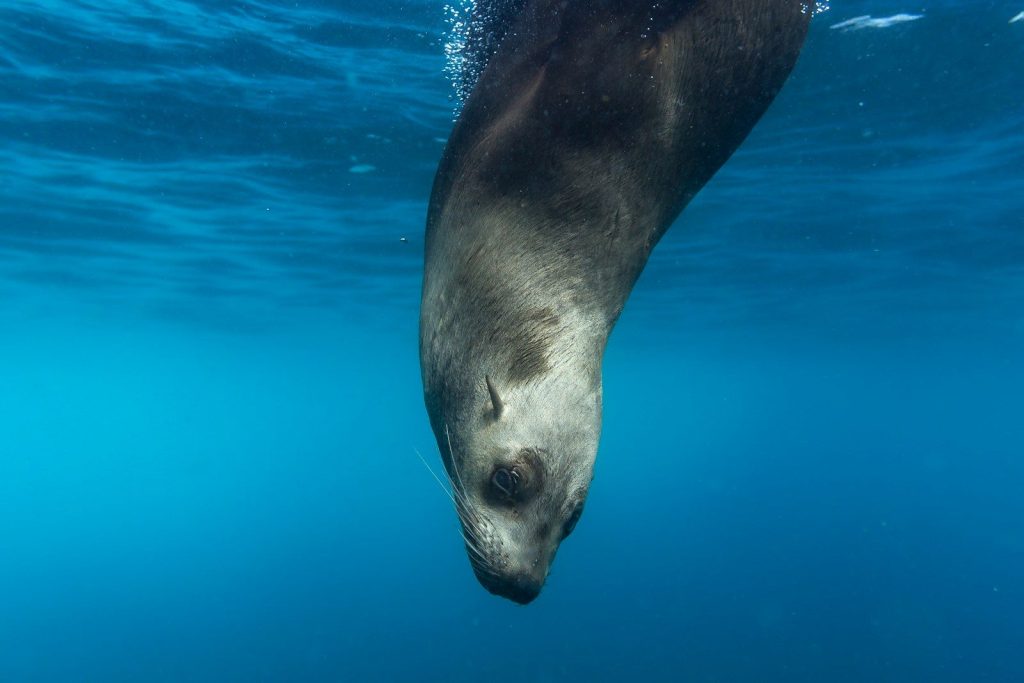
Breaching great whites became especially famous through observations around seal colonies in South Africa. Cape fur seals entering or leaving concentrated colonies create predictable opportunities for large sharks waiting in surrounding water.
A seal is still difficult prey. It can turn sharply and accelerate, so attacking from depth gives the shark an element of surprise and restricts the seal’s reaction time. Smithsonian notes that this behavior is associated with locations where great whites pursue nimble marine mammals, rather than something every white shark performs routinely throughout its global range.
Underwater Acceleration
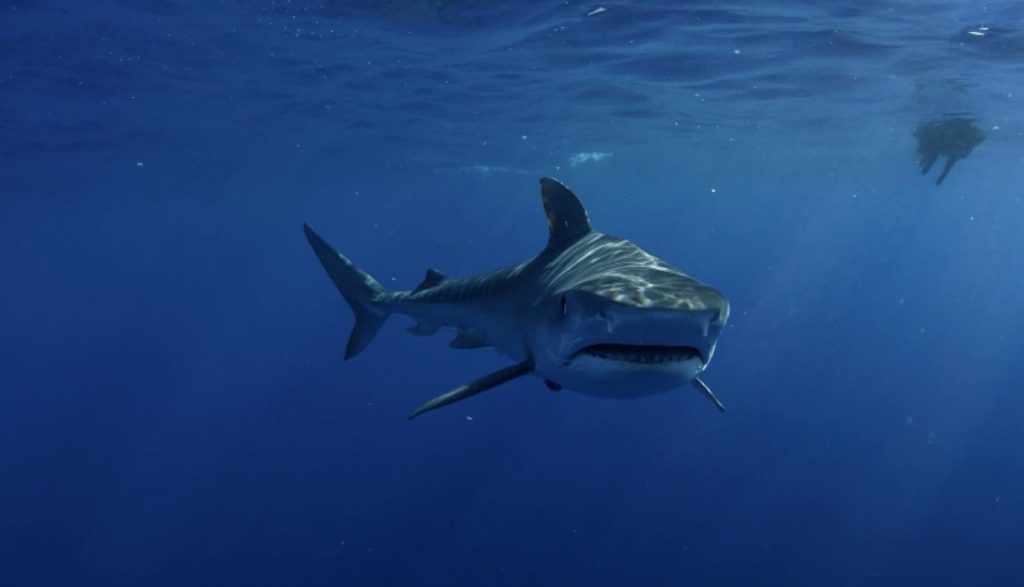
To breach, a white shark converts powerful tail beats into forward and upward acceleration. Smithsonian educational material reports that great whites can reach high burst speeds near the surface and may rise several feet into the air during a breach.
The shark does not “jump” by pushing off the seafloor. It is already swimming through dense water when momentum carries it across the boundary into air. Once airborne, there is no additional propulsion, so the height and distance of the breach depend on the speed and angle built underwater beforehand.
Not Every Shark Breaches
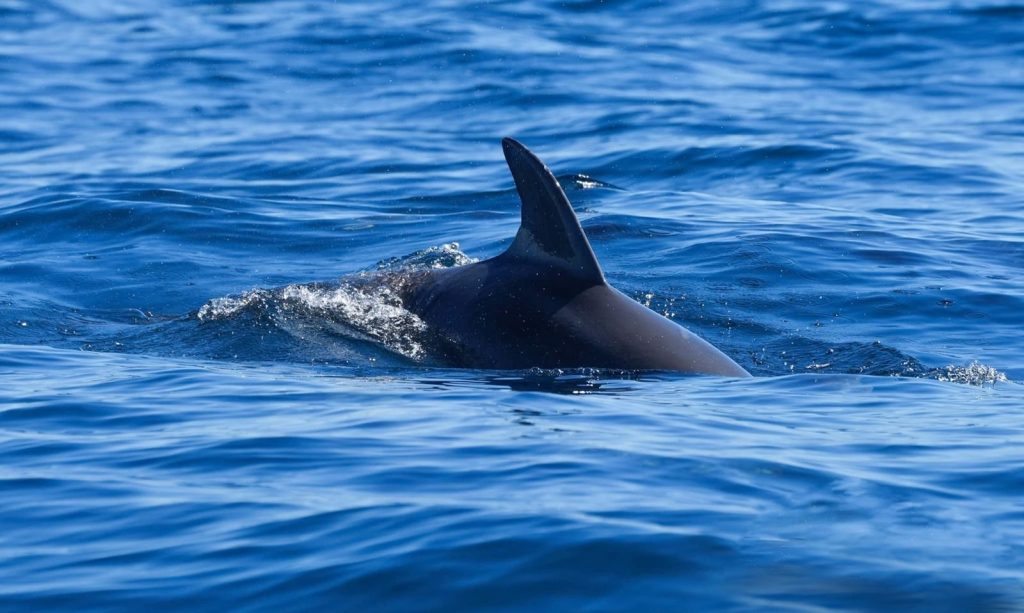
Most great white encounters do not involve an airborne shark. Florida Museum guidance notes that white-shark breaching is seen in only a limited portion of the species’ range and is often associated with hunting seals.
That limitation matters when viral videos make breaching look like standard great-white behavior everywhere. White sharks also hunt fish, squid, other sharks, and marine mammals using methods that never take them above the surface. Breaching is a spectacular specialized tactic, not a requirement for every hunt or a behavior every individual performs frequently at all.
The 20-Foot Claim
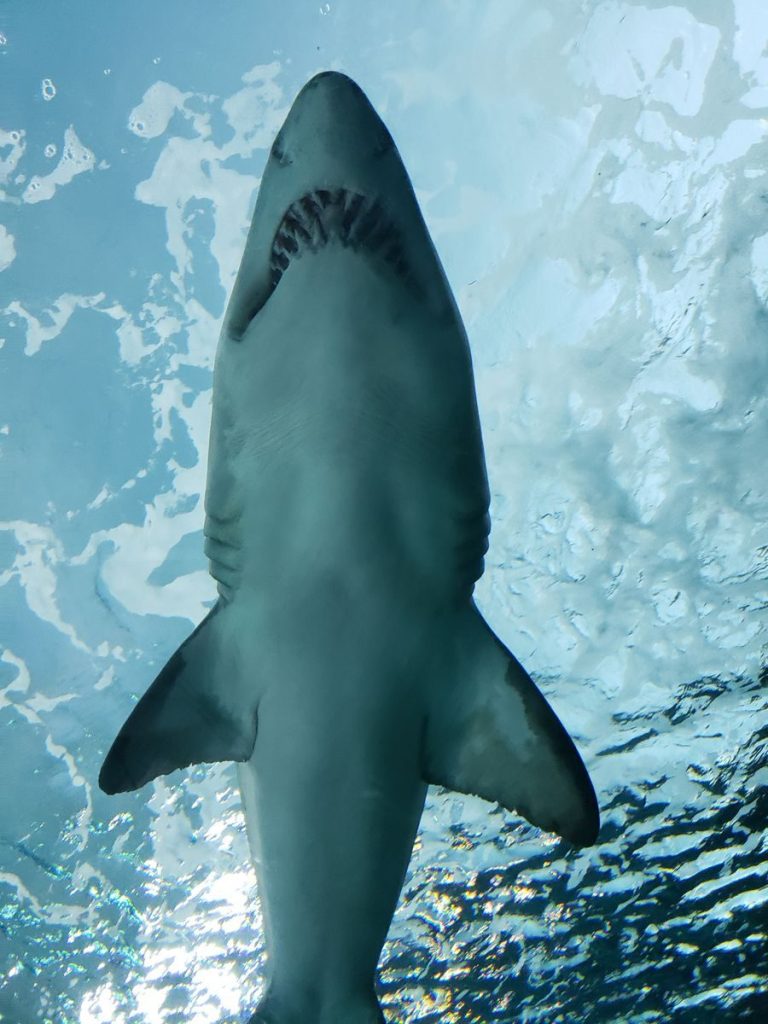
A 20-foot great white is biologically plausible, and exceptionally large females have been filmed and estimated around that size. What cannot be assumed is that every dramatic breaching video labeled “20-foot shark” contains an independently measured animal.
Estimating the length of a moving shark from video can be difficult without a calibrated object, photogrammetry, or direct measurement. The honest version separates two established facts: giant white sharks can approach 20 feet, and great whites can breach spectacularly. A specific video needs its own evidence before those claims can be combined.
Breaching Costs Energy
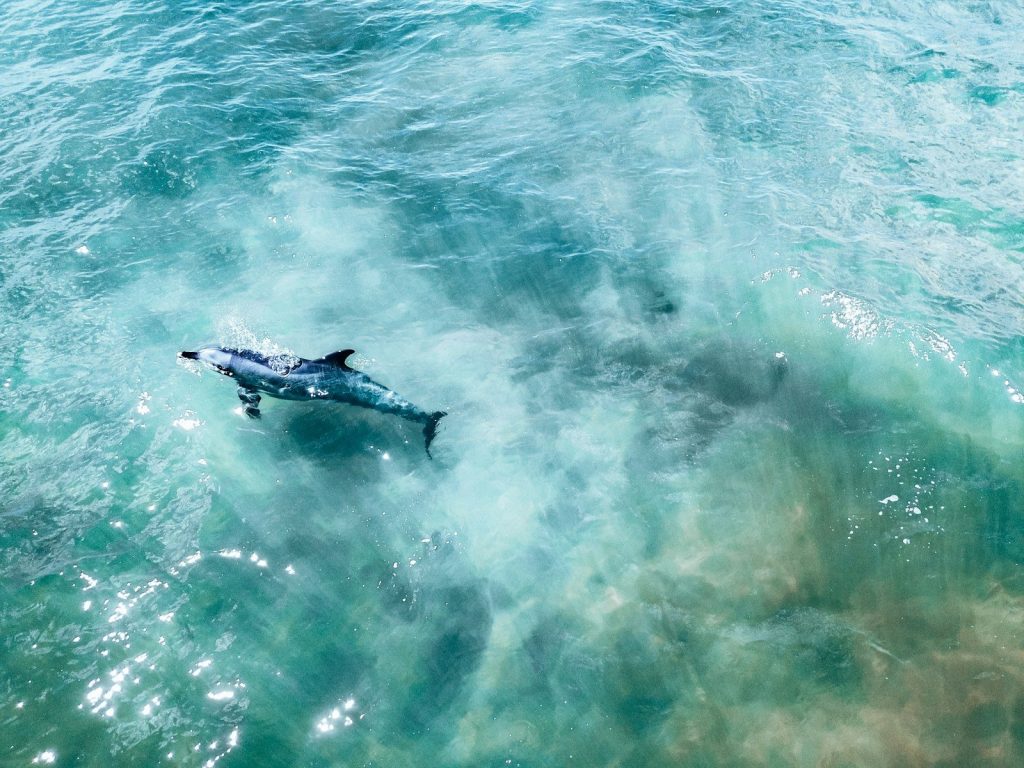
Launching a large body out of the sea requires substantial energy, which helps explain why breaching is relatively uncommon. Smithsonian notes that great whites do not repeatedly perform these leaps without a reason every time they surface.
For a hunting shark, the potential payoff is calorie-rich prey such as a seal. Missing the target means spending energy without gaining food, so the tactic must be worthwhile under the right circumstances. That tradeoff also explains why spectacular footage usually comes from places where dense seal populations create repeated opportunities for ambush attacks.
Watch From a Distance

A breaching great white is best observed from a safe vessel, shore, or professionally managed wildlife excursion. People should never attempt to provoke a breach with unsafe baiting, enter the water to recreate footage, or crowd feeding sharks for a closer image.
Great whites are powerful wild predators, but sensational footage can distort their relationship with people. Their airborne attacks evolved to catch natural prey, especially seals in documented breaching hotspots. Respectful distance lets observers appreciate the biomechanics without turning a rare hunting behavior into a staged human-wildlife confrontation naturally.
Featured Image: Photo by Daniel Torobekov on Pexels