Black swallowtails are striking butterflies found across much of eastern and central North America. Gardens can support them by providing both nectar flowers for adults and specific host plants for their caterpillars.
Learning the butterfly’s markings and life stages also makes it much easier to distinguish a welcome swallowtail caterpillar from an unwanted garden pest.
Adult Black Swallowtail
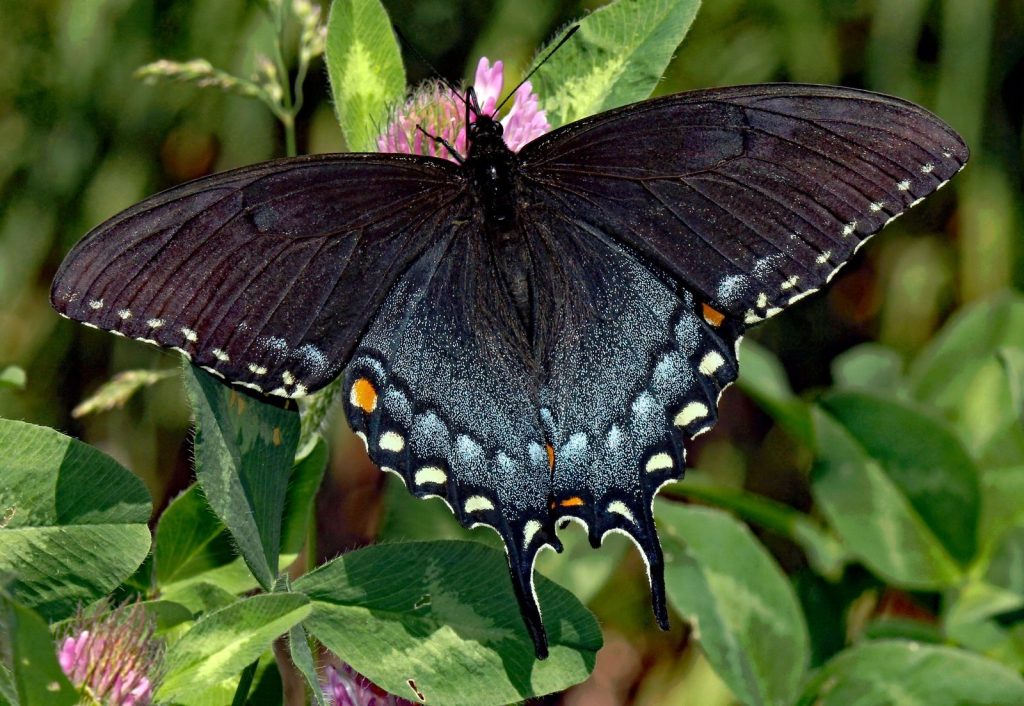
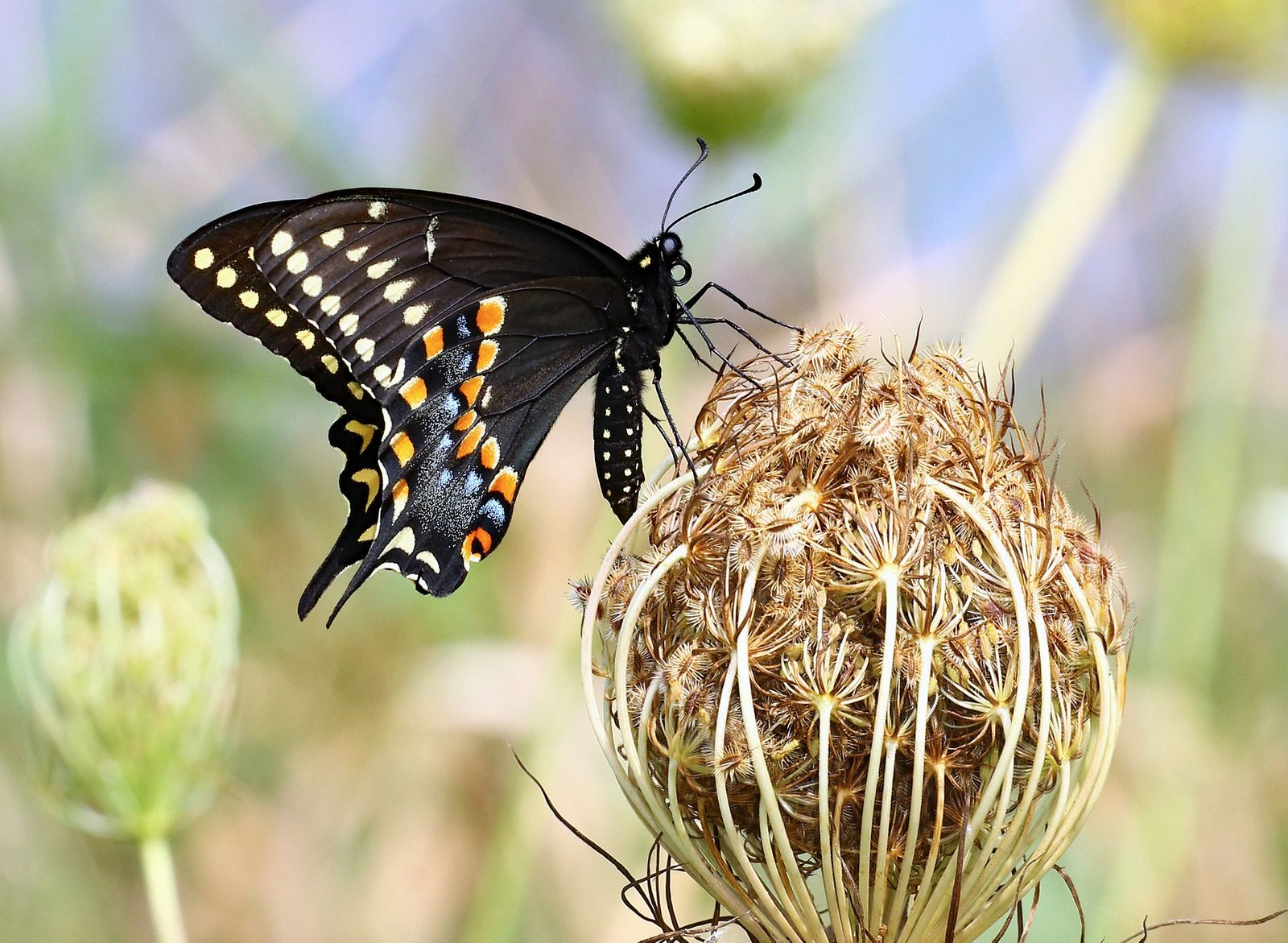
Adult black swallowtails have dark wings with two rows of yellow spots along the edges. Males usually show larger, brighter yellow markings, while females tend to display more noticeable iridescent blue between the yellow rows on their hindwings. Both sexes have orange-red markings and the narrow hindwing “tails” that give swallowtails their name.
Several other butterflies are also dark, so identification should rely on the complete wing pattern rather than black color alone. Adults are commonly seen in gardens, fields, roadsides, meadows, and other sunny open habitats.
Parsley and Dill
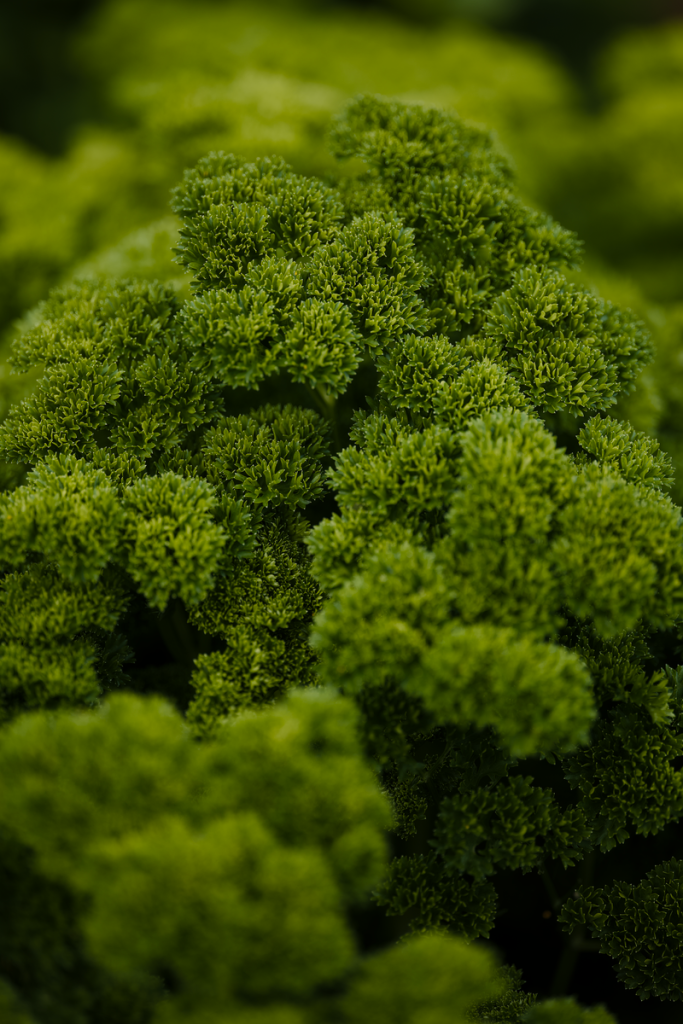
Black swallowtail caterpillars feed on members of the carrot family. Common garden host plants include parsley, dill, fennel, celery, caraway, Queen Anne’s lace, and wild parsnip. Females deliberately lay their eggs on these plants because the young caterpillars need suitable leaves immediately after hatching.
Gardeners hoping to raise swallowtails can plant extra parsley or dill and accept some leaf damage. The caterpillars rarely occur in numbers large enough to become major agricultural pests, and hand-picking is recommended when control is genuinely needed.
Nectar Flowers

Host plants feed caterpillars, but adult black swallowtails need nectar-rich flowers. A useful butterfly garden should therefore contain both kinds of plants rather than relying only on parsley or dill.
Choose several flowers that bloom at different times so nectar remains available through much of the growing season. Sunny locations are particularly attractive because butterflies depend on external warmth for activity. Native flowering plants can also benefit bees and other pollinators. A garden containing nectar flowers but no caterpillar hosts may attract adult swallowtails temporarily without supporting a new generation.
Black Swallowtail Eggs
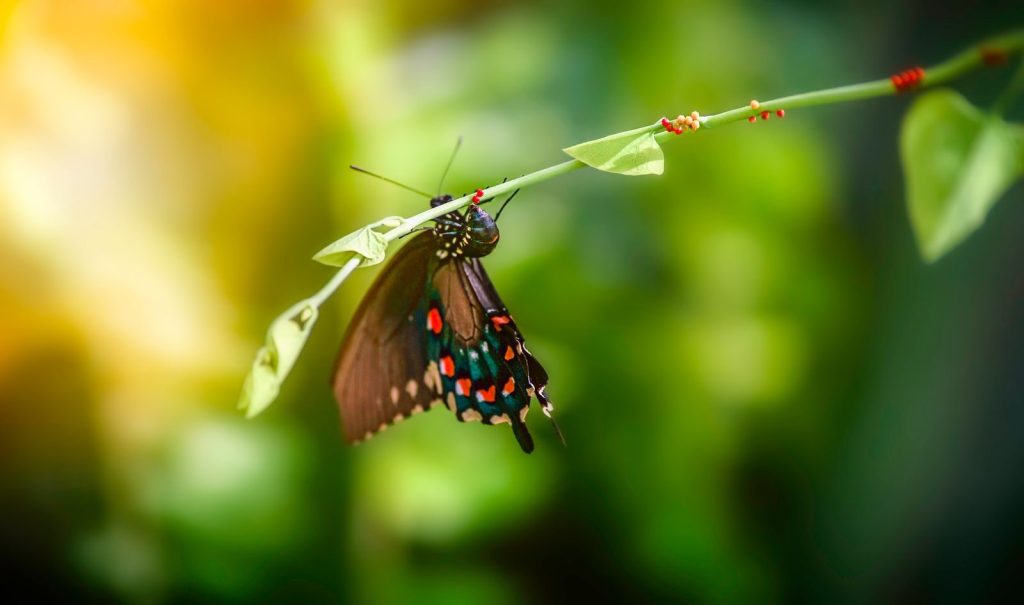
Female black swallowtails lay their eggs singly on the fresh foliage and sometimes flowers of suitable host plants. Depending on temperature and conditions, the egg stage generally lasts only several days before a small caterpillar emerges.
The youngest larvae do not yet resemble the familiar green-and-black caterpillars. They are dark and can resemble bird droppings, providing useful camouflage while they are vulnerable. Gardeners should inspect parsley, dill, and related plants carefully before removing unfamiliar insects because an odd-looking larva may simply be an early black swallowtail stage.
Striped Swallowtail Caterpillar
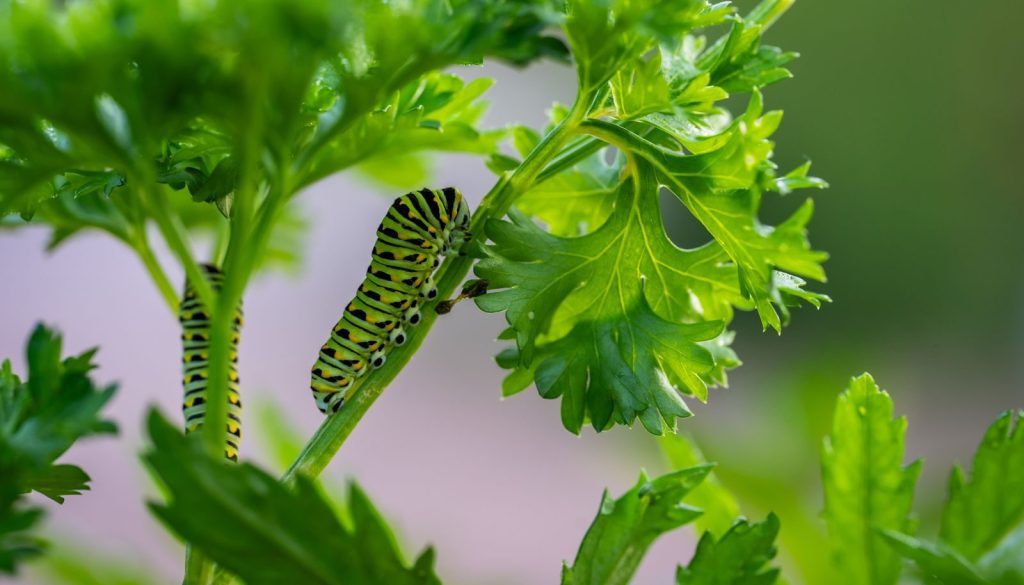
As black swallowtail caterpillars grow through several molts, they develop a highly recognizable appearance. Mature larvae are primarily green with black bands and bright yellow-orange spots. They can consume substantial foliage during this stage because they are building the reserves needed for metamorphosis.
Despite their dramatic coloring, these caterpillars do not sting people. Once fully developed, they stop feeding and leave the host plant to locate a secure surface for pupation. The larval period varies with temperature and food quality but commonly lasts roughly 10 to 30 days.
Orange Osmeterium

When threatened, a black swallowtail caterpillar can extend a forked yellow-orange organ called an osmeterium from behind its head. All swallowtail larvae possess this retractable defensive structure.
The sudden appearance and associated chemicals can help discourage predators, but the osmeterium is not a dangerous stinger. Gardeners do not need to provoke the caterpillar to see it. If the structure appears while the animal is being handled, that is evidence the caterpillar feels threatened. Returning it gently to its host plant and leaving it undisturbed is the better response.
Swallowtail Chrysalis

After finishing the larval stage, the caterpillar attaches itself to a suitable surface and becomes a chrysalis. Under warm conditions, the pupal stage may last roughly nine to 18 days before an adult emerges.
Late-season individuals can follow a different schedule. Black swallowtails may overwinter as pupae, remaining inside the chrysalis until conditions become favorable again. This is why aggressive autumn cleanup can unintentionally remove developing butterflies attached to stems or other garden structures. Leaving some sheltered vegetation through winter can provide useful habitat for swallowtails and other overwintering insects.
Butterfly-Friendly Garden

Supporting black swallowtails means allowing their complete life cycle to occur. Adults need nectar, females need appropriate egg-laying plants, caterpillars need foliage, and pupae need safe places to remain undisturbed.
Insecticide use can undermine all of that work because butterfly caterpillars are insects too. Instead of automatically spraying damaged parsley or dill, identify the caterpillar first and decide whether intervention is genuinely necessary. A few chewed leaves may be evidence that the garden is functioning exactly as intended: producing another generation of black swallowtails rather than merely attracting passing adults.
Featured Image: Photo by Thomas Elliott on Pexels